Key Takeaways
- The Artemis 2 boosters separated just 2 minutes and 8 seconds after liftoff at 5,000 km/h
- This mission marks the first human deep-space voyage since Apollo 17 in 1972
- The twin solid rocket boosters provide 75% of the SLS rocket's initial thrust
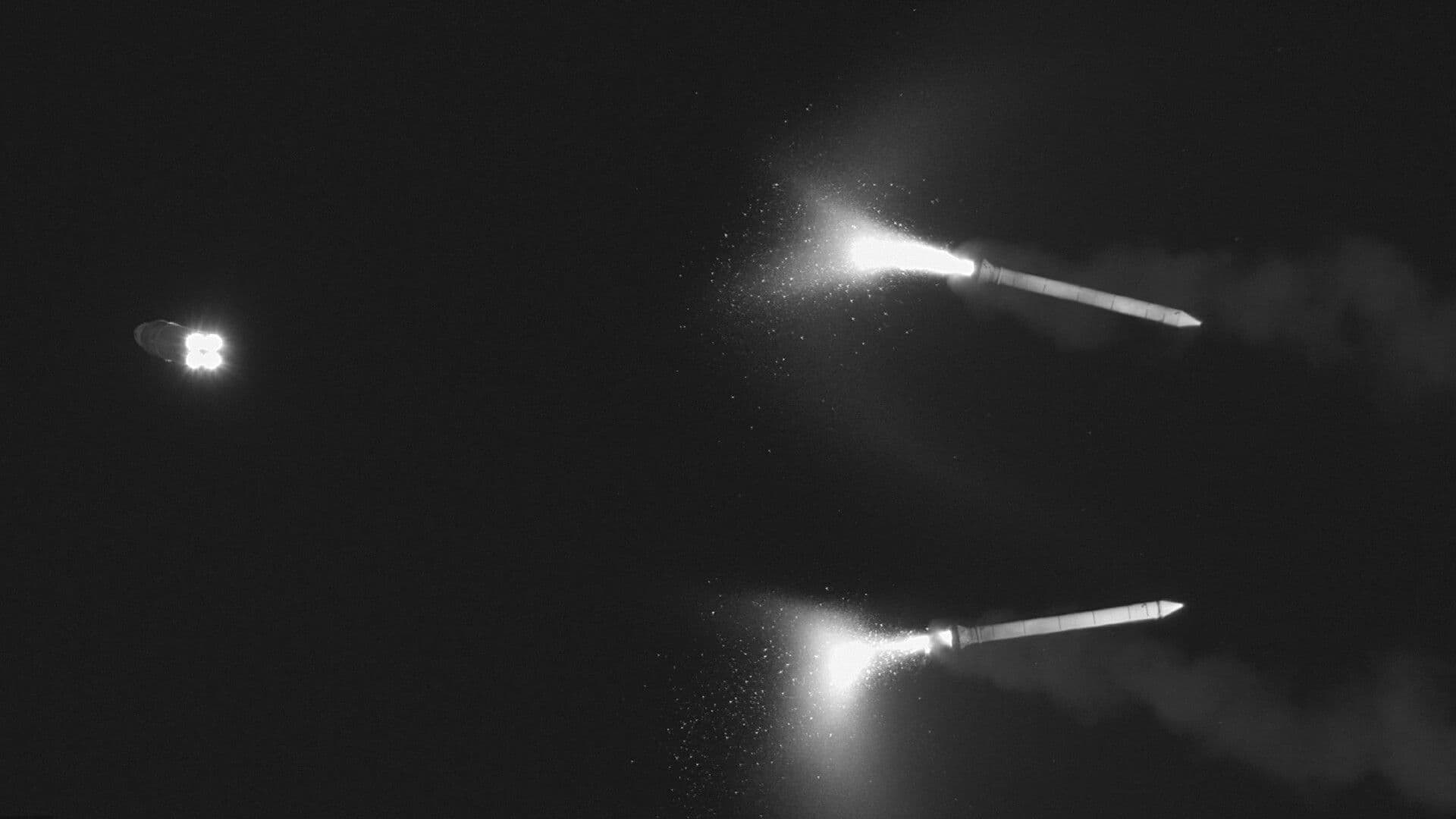
NASA's Artemis 2 mission produced one of the most striking images of the space program's modern era: twin solid rocket boosters falling away from the Space Launch System in perfect symmetry, with the Orion spacecraft visible in the distance heading toward the moon.
The photograph, released as Space.com's photo of the day, captures a critical moment that occurred just 2 minutes and 8 seconds after liftoff on April 1, 2026. At that point, the vehicle was traveling at roughly 5,000 km/h at an altitude of 48 kilometers above Earth's surface.
What the Image Shows
The photograph shows the Orion spacecraft (named Integrity) on the left side of the frame, facing away as it continues toward the moon. On the right, the two solid rocket boosters mirror each other almost perfectly as they fall toward the Atlantic Ocean.
The boosters separated after 16 different separation motors ignited simultaneously, pushing them away from the SLS core stage and from each other. These two boosters are workhorses. They provide 75% of the initial thrust that the mission needs to escape Earth's gravity. Once their solid fuel is exhausted, they're discarded into the ocean.
“After a brief 54-year intermission, NASA is back in the business of sending astronauts to the moon.”
— Jared Isaacman, NASA Administrator
The Crew and Mission
Artemis 2 carried four astronauts on a 10-day loop around the moon. Commander Reid Wiseman led the crew, which included pilot Victor Glover, NASA mission specialist Christina Koch, and Canadian Space Agency mission specialist Jeremy Hansen.
“Your Artemis II crew is go for launch—Full send.”
— Reid Wiseman, Artemis II Commander
The mission represents a major milestone for NASA's Artemis program, which aims to return humans to the lunar surface and eventually establish a sustained presence there. While Artemis 1 was an uncrewed test flight, Artemis 2 put astronauts back in deep space for the first time since the Apollo era.
The SLS Rocket's Journey to This Moment
The Space Launch System has had a rocky path to flight. Cost overruns and schedule delays plagued the program for years, drawing criticism from lawmakers and space enthusiasts alike. But the successful execution visible in this photograph tells a different story.
The booster separation is one of the most critical moments in any rocket launch. If the boosters don't separate cleanly, or if the separation motors fire asymmetrically, the results can be catastrophic. This image shows a textbook execution.
What Reddit Had to Say
Not everyone was happy with how NASA covered the moment. Users on r/ArtemisProgram expressed frustration that the main NASA feed switched to crowd reactions during the booster separation. The decision sparked memes and calls for better camera management on future missions.
The complaints highlight an ongoing tension in space coverage: balancing the human story of space exploration with the technical footage that enthusiasts crave. NASA has struggled with this balance since the Space Shuttle era.

Logicity's Take
Frequently Asked Questions
How fast was Artemis 2 traveling during booster separation?
The spacecraft was traveling at approximately 5,000 km/h when the solid rocket boosters separated at an altitude of 48 kilometers.
What happens to the SLS boosters after they separate?
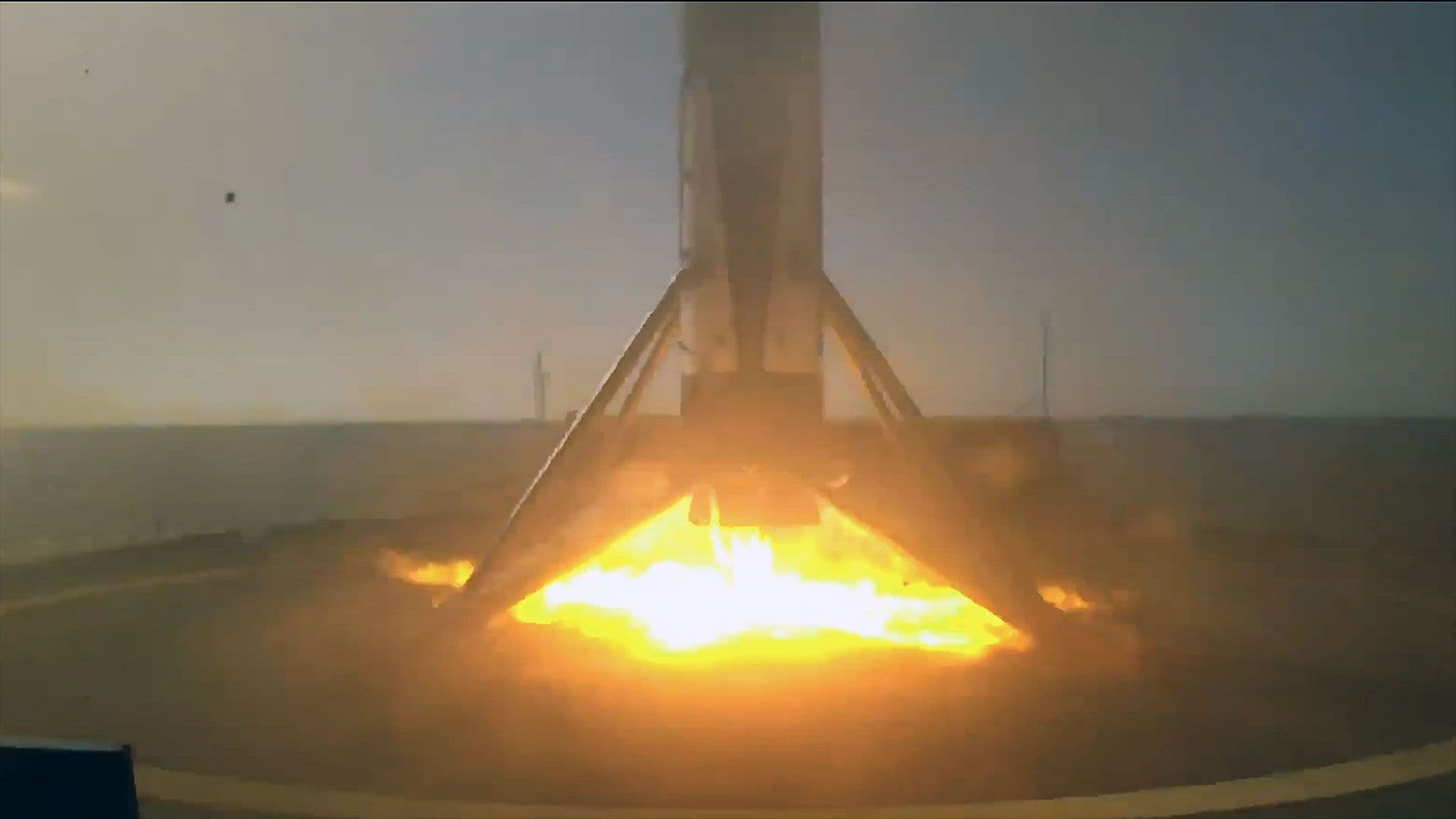
The boosters fall into the Atlantic Ocean and are discarded. Unlike SpaceX's Falcon 9 boosters, the SLS solid rocket boosters are not recovered or reused.
How long did it take for the Artemis 2 boosters to separate?
The boosters separated just 2 minutes and 8 seconds after liftoff, once their solid fuel was exhausted.
Who are the astronauts on Artemis 2?
The crew includes Commander Reid Wiseman, pilot Victor Glover, NASA mission specialist Christina Koch, and Canadian Space Agency mission specialist Jeremy Hansen.
When was the last time humans traveled to deep space before Artemis 2?
Apollo 17 in December 1972, making Artemis 2 the first human deep-space mission in 54 years.
Need Help Implementing This?
Source: Latest from Space.com
Manaal Khan
Tech & Innovation Writer
Produced with AI assistance and reviewed by the Logicity editorial team. Learn more in our Editorial Policy.