Key Takeaways

- Prime Reading includes rotating NYT bestsellers at no additional cost beyond your $139/year membership
- Companies can reduce professional development book budgets by supplementing with Prime's free catalog
- The rotating monthly selection means strategic timing maximizes value extraction from existing subscriptions
According to [How-To Geek](https://www.howtogeek.com/amazon-prime-free-books-new-york-times-bestsellers/), Amazon Prime members can access five New York Times bestsellers completely free through Prime Reading this month, with the catalog rotating regularly to include new titles.
Here's something most finance teams miss during budget reviews: that $139 annual Amazon Prime subscription your company uses for free two-day shipping? It includes a rotating library of bestselling books at no extra charge. For organizations already paying for Prime Business accounts, this represents an underutilized asset sitting right on your balance sheet.
What Does Amazon Prime Free Books Include?
Prime Reading operates differently from Kindle Unlimited. While Unlimited costs $11.99/month separately, Prime Reading comes bundled with your existing Prime membership. The catch? It's a curated, rotating selection rather than an unlimited catalog. But that limitation comes with an upside: Amazon includes legitimate NYT bestsellers, not just self-published filler content.
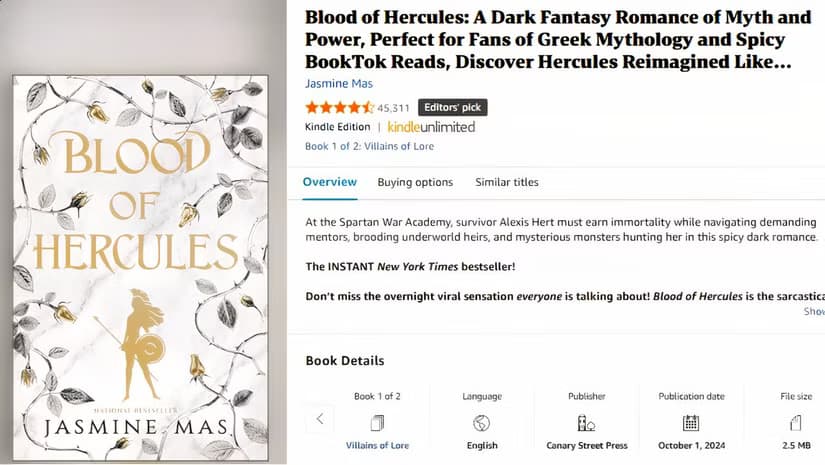
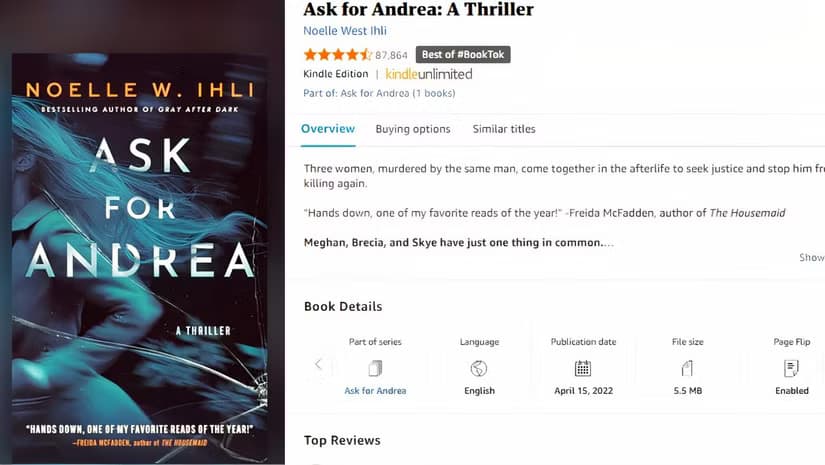
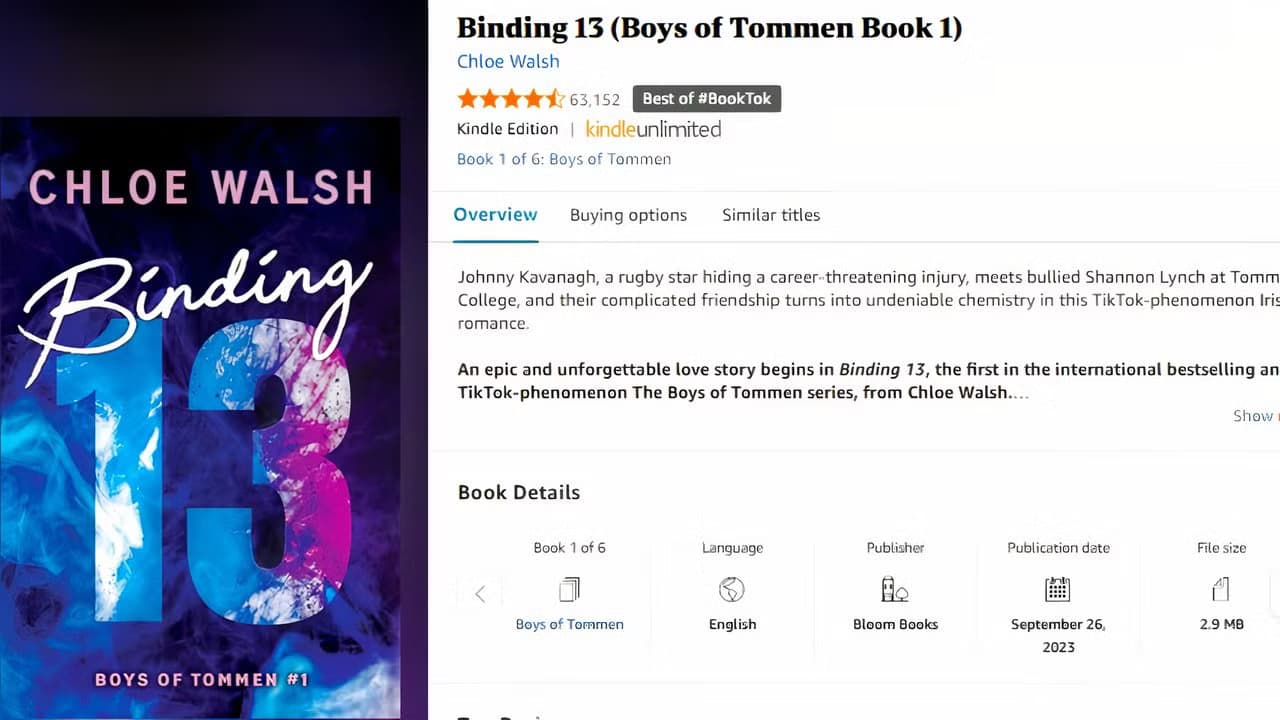
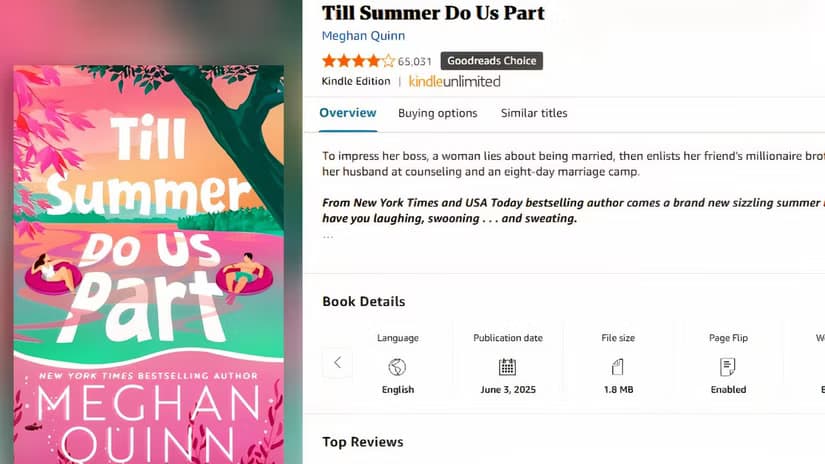
The current selection showcases the variety available. Titles range from fantasy epics like 'Blood of Hercules' by Jasmine Mas to thrillers like 'Ask For Andrea' by Noelle W. Ihli. For business leaders, the value isn't necessarily in these specific titles. It's in understanding that Prime rotates in business books, leadership titles, and professional development content throughout the year.
| Feature | Prime Reading (Included) | Kindle Unlimited (Extra) |
|---|---|---|
| Monthly Cost | $0 (with Prime) | $11.99 |
| Annual Cost | Included in $139 Prime | $143.88 |
| Book Selection | ~1,000 rotating titles | 4+ million titles |
| NYT Bestsellers | Yes, rotating selection | Limited selection |
| Business Books | Periodic availability | Extensive catalog |
| Simultaneous Loans | 10 titles | 20 titles |
How Can Businesses Reduce Book Costs With Prime?
The average corporate professional development book costs between $15-30. A modest reading program providing four books per employee annually runs $60-120 per person. For a 50-person company, that's $3,000-6,000 in book spending alone. Prime Reading won't eliminate this budget, but it can supplement it meaningfully.
The strategy is straightforward: track Prime Reading's monthly additions and alert relevant team members when titles match their development goals. A rotating catalog means different genres and topics cycle through. Leadership books, productivity guides, and industry-relevant content appear regularly if you're paying attention.
- Assign someone to monitor monthly Prime Reading additions (takes 10 minutes)
- Create a Slack channel or email list for book recommendations from the free catalog
- Prioritize Prime Reading titles for book clubs before purchasing alternatives
- Use Prime Reading for exploratory reading; purchase only books worth permanent reference
Is Amazon Prime Worth It for Small Business Learning?
This question requires honest math. If you're evaluating Prime solely for book access, the answer is no. Prime Reading's catalog is too limited and unpredictable for systematic professional development. However, if your company already uses Prime for shipping, office supplies, or other benefits, the books become pure upside.
Amazon Prime Business accounts offer additional perks beyond consumer Prime: quantity discounts, business-only pricing, and spending analytics. The free book access layers on top of these existing benefits. The ROI calculation changes when you're already paying for Prime anyway.
✅ Pros
- • Zero marginal cost for existing Prime subscribers
- • NYT bestsellers provide quality assurance on content
- • No commitment: return books anytime for new selections
- • Works across all Kindle apps (phone, tablet, desktop)
❌ Cons
- • Rotating catalog means unpredictable availability
- • Limited to 10 concurrent titles per account
- • Business-specific content is sporadic, not guaranteed
- • Can't keep books permanently without purchasing
What NYT Bestsellers Are Free on Prime Right Now?
The current rotation includes several notable titles. 'Blood of Hercules' by Jasmine Mas offers a Greek mythology fantasy angle. 'Ask For Andrea' by Noelle W. Ihli delivers psychological thriller content. These specific titles rotate out, but they illustrate the caliber Amazon includes. These aren't obscure self-published works. They're books that hit bestseller lists.
For business readers specifically, past Prime Reading rotations have included titles on negotiation, startup culture, productivity systems, and leadership principles. Amazon's algorithm tends to include at least one or two business-adjacent titles each month, though it's never guaranteed.
How Does This Compare to Corporate Learning Platforms?
Let's be clear: Prime Reading isn't a replacement for structured learning platforms. Services like LinkedIn Learning ($29.99/month), O'Reilly Media ($49/month), or Blinkist ($12.99/month) offer systematic curricula, progress tracking, and certificates. Prime Reading is a supplement, not a substitute.
The comparison matters for budget conversations. A comprehensive learning stack might include: a primary platform for structured courses, Prime Reading for free bestseller access, and a modest book purchasing budget for must-have reference titles. This layered approach extracts maximum value from each dollar spent.
Build a complete knowledge management system that includes your reading materials
Practical Steps to Maximize Amazon Prime Book Value
- Audit existing Prime subscriptions: Determine if your company already pays for Prime through business accounts or employee benefits
- Download the Kindle app across devices: Prime Reading works on iOS, Android, Mac, Windows, and web browsers without requiring a Kindle device
- Set a monthly reminder: First week of each month, check Prime Reading for new additions relevant to your team's development areas
- Create a shared tracking document: Log which titles are available and which team members accessed them
- Coordinate with your learning budget: Use Prime Reading for exploration and discovery; reserve purchasing budget for books worth owning permanently
The operational overhead is minimal. Ten minutes monthly to scan new additions. A Slack message to relevant team members. That's the entire process. The savings are modest but real, and the friction of accessing quality content drops significantly.
Another example of extracting hidden value from existing technology subscriptions
The Bigger Picture: Hidden Value in Existing Subscriptions
Prime Reading exemplifies a broader principle: most organizations underutilize their existing subscriptions. Your Microsoft 365 license probably includes features your team never touches. Your Slack workspace has integrations gathering dust. Your cloud provider offers free tiers and credits that expire unused.
A quarterly subscription audit identifying unused benefits can surface thousands in latent value. Prime Reading is just one example. The mindset shift matters more than any single discovery. Before purchasing new tools or services, ask: what do we already pay for that solves this problem?

Logicity's Take
We'll be honest: free books on Prime isn't a technology topic where Logicity has deep operational expertise. We build AI agents and web applications, not reading recommendation engines. But here's what we notice from our work with Indian startups and SMBs: subscription sprawl is a real problem, and hidden benefits go unused constantly. When we onboard new clients in Hyderabad, we often find they're paying for three different tools that do the same thing, or missing features in existing subscriptions that would save them money. The Prime Reading example is almost trivial in isolation. But the pattern it represents matters enormously. For tech businesses specifically, we'd suggest extending this thinking to your infrastructure subscriptions. AWS, GCP, and Azure all include free tiers, credits, and bundled services that many companies never claim. Before your next budget cycle, run a complete audit of what you're paying for versus what you're actually using. The findings usually surprise people. Prime Reading might save you $200 a year on books. A proper infrastructure audit might save you $20,000.
Frequently Asked Questions
How many books can you borrow at once with Prime Reading?
Prime Reading allows 10 simultaneous borrows per account. You can return titles anytime to free up slots for new selections. There's no due date or late fee, just the 10-title limit at any given time.
Is Prime Reading the same as Kindle Unlimited?
No. Prime Reading is included free with Amazon Prime membership ($139/year). Kindle Unlimited is a separate subscription ($11.99/month) with a much larger catalog of 4+ million titles. Prime Reading offers roughly 1,000 rotating titles.
Can multiple employees access Prime Reading from one business account?
Amazon Prime Business allows you to add users who can share shipping benefits, but Prime Reading is tied to the primary account holder. For team-wide book access, each employee would need their own Prime membership or you'd need to coordinate sharing the primary account's reading access.
Do Prime Reading books expire or rotate out?
Yes. Amazon rotates the Prime Reading catalog monthly. If you've borrowed a title, you can keep reading it even after it leaves the catalog, but new users won't be able to borrow it once rotated out.
Is Prime Reading worth it just for the books?
Not on its own. At $139/year for Prime, you're paying roughly $11.58/month. Kindle Unlimited at $11.99/month offers vastly more selection. Prime Reading only makes sense as a bonus on top of Prime benefits you're already using, like free shipping.
Need Help Optimizing Your Tech Stack?
Logicity helps businesses identify hidden value in existing subscriptions and build efficient technology systems. From AI implementation to web development, we focus on maximizing ROI from every tool you deploy. Based in Hyderabad, serving clients globally. Let's talk about what you might be missing in your current setup.
Source: How-To Geek
Manaal Khan
Tech & Innovation Writer
Produced with AI assistance and reviewed by the Logicity editorial team. Learn more in our Editorial Policy.