Key Takeaways
- AI messaging agents can reduce response time from hours to seconds without human intervention
- The technology triages urgency automatically, flagging truly critical messages while handling routine replies
- Implementation costs are minimal but reputation risks require careful planning
Read in Short
A developer created an AI that monitors WhatsApp and Telegram, responding as him with such accuracy that contacts couldn't tell the difference. For executives losing hours daily to message management, this represents a potential 90% reduction in communication overhead. The catch? You need clear policies on transparency and escalation.
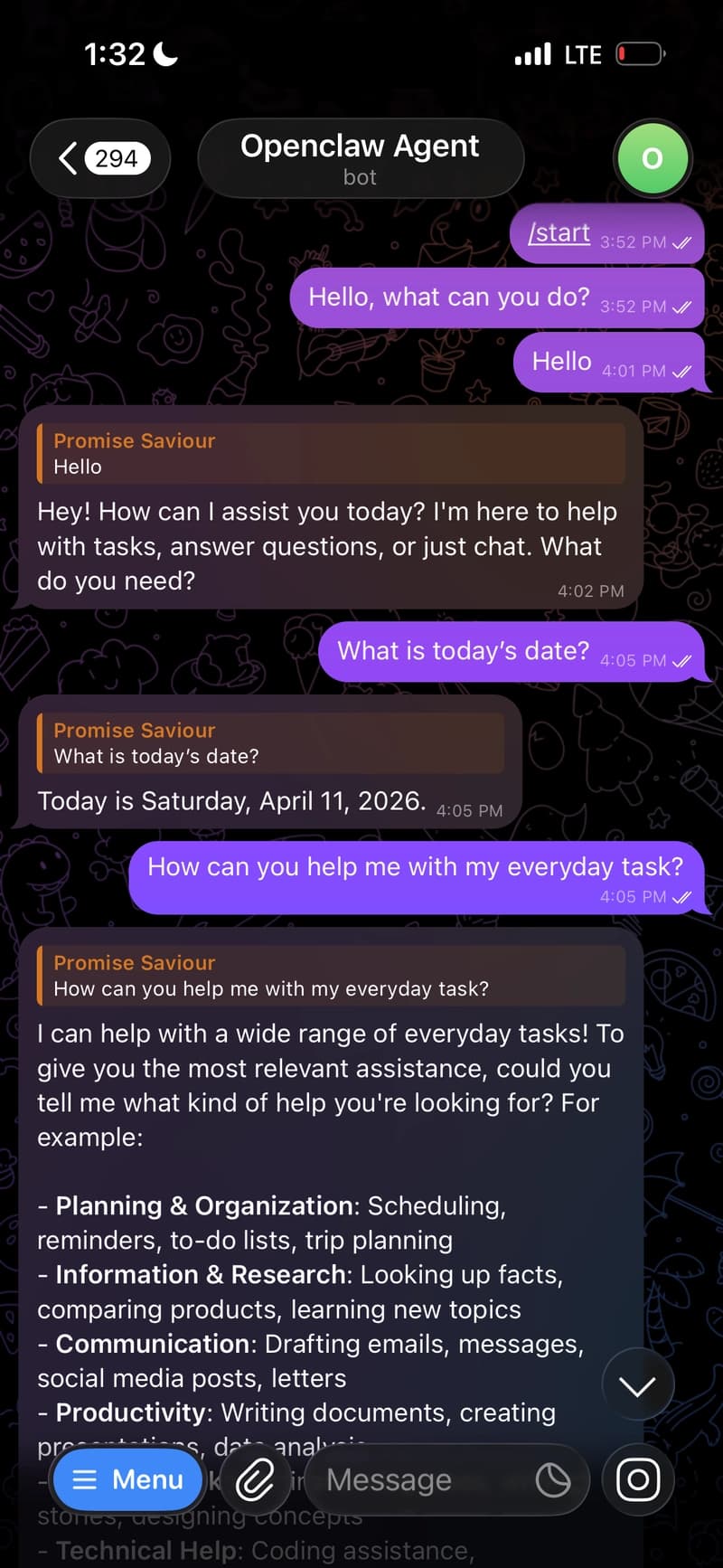
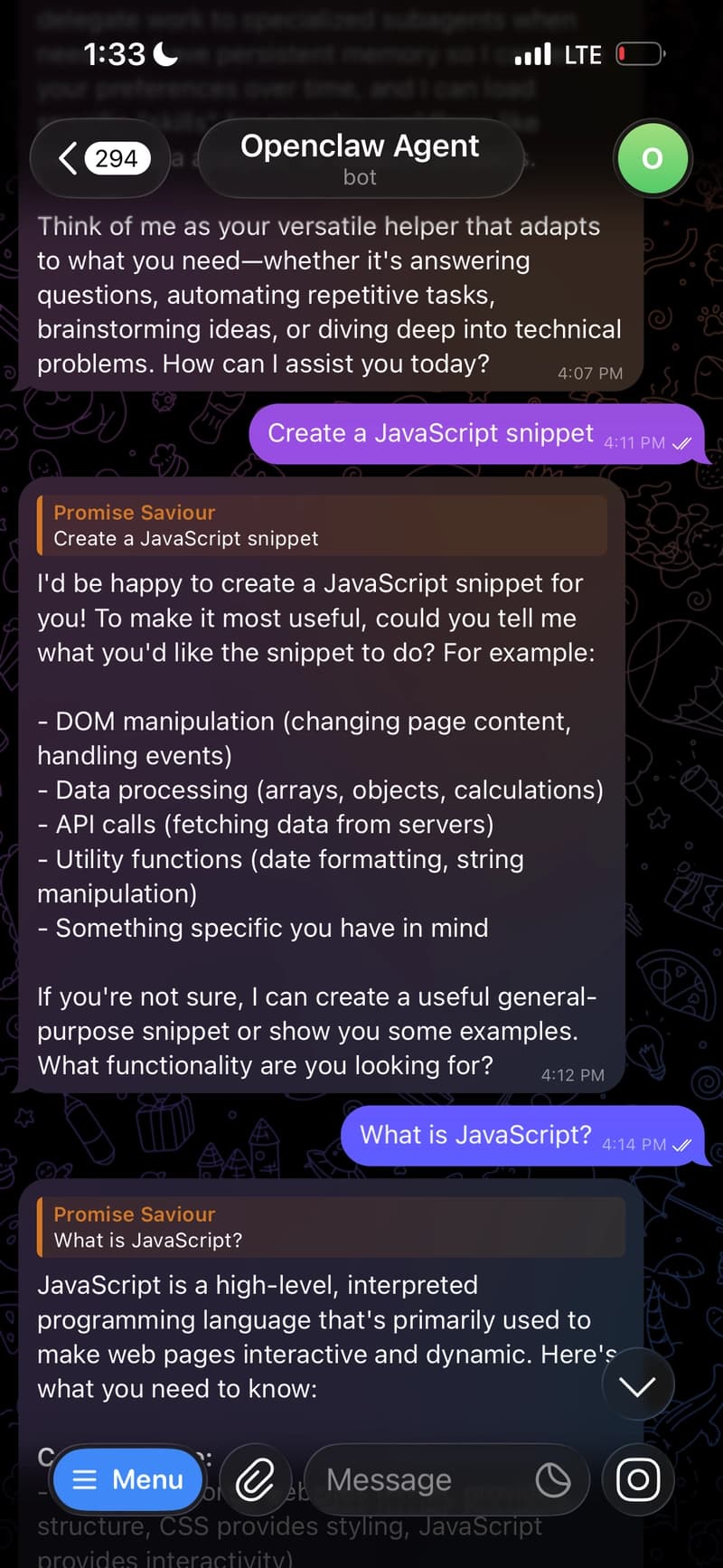
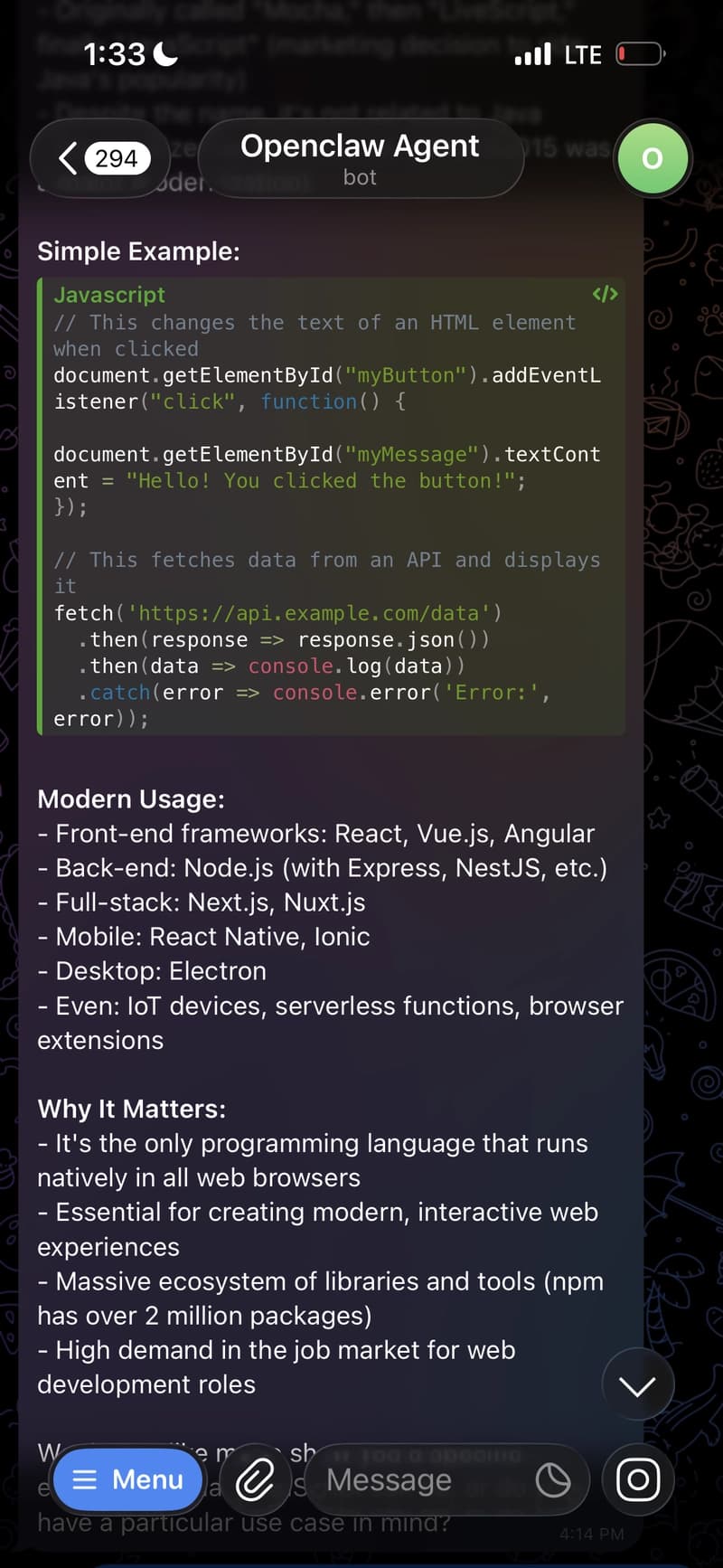
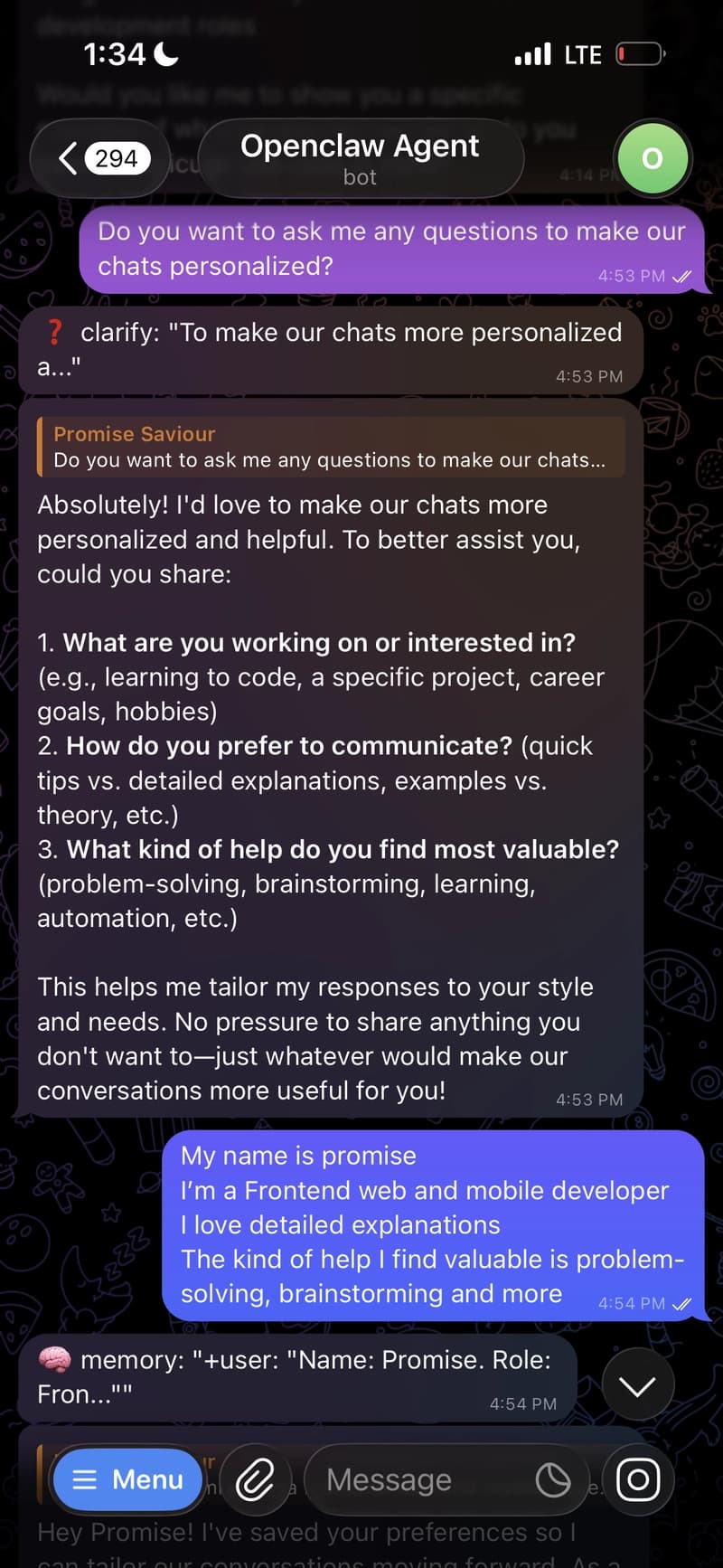
According to [DEV Community](https://dev.to/promisenotnull/i-built-an-ai-that-texts-people-back-as-me-and-nobody-noticed-3ac7), a software developer built a personal AI messaging agent that monitors his WhatsApp and Telegram accounts, responding to incoming messages so accurately that most people believe they're talking to him directly.
The scenario he describes will resonate with any business leader: messages pile up during focused work. Clients sit on read. By the time you surface, someone's annoyed or you've missed something urgent. His solution? An AI messaging agent that handles first-line communication while maintaining his voice, context, and relationship nuances.
Why Should CEOs Care About AI Messaging Agents?
The business case isn't about replacing human connection. It's about protecting your most expensive resource: executive attention. When a CEO earning $500K annually spends 2.5 hours daily on routine message management, that's roughly $150K in annual opportunity cost. Most of those messages don't require strategic thinking. They need quick acknowledgment, scheduling coordination, or routing to the right person.
AI messaging agents flip this equation. They handle the 80% of messages that are routine while surfacing the 20% that actually need your brain. The developer's system automatically flags messages containing words like 'urgent,' 'deadline,' 'contract,' or 'emergency' for immediate human attention. Everything else gets a contextually appropriate response.
Executive Summary
AI messaging agents can reduce communication overhead by handling routine responses, scheduling, and triage automatically. Early implementations show promise for knowledge workers drowning in messages, but enterprise adoption requires careful consideration of transparency policies and escalation protocols.
How AI Messaging Agents Actually Work
The implementation described uses a multi-channel gateway connecting WhatsApp and Telegram to a single AI brain. Both platforms route to the same agent, giving it a unified view of all conversations. But the technical architecture matters less than two key innovations that make this actually work.
First: personality training. The developer created what he calls a 'SOUL.md' file, a briefing document about his communication style. It captures specifics: he uses lowercase often, skips filler phrases like 'Hope this finds you well,' and doesn't use emoji unless the other person does first. This level of detail is what separates a bot that feels like a bot from one that feels like you.
Second: operational rules. A separate file defines behaviors like 'match the energy of the last message' and 'if unsure, say let me check and get back to you.' This prevents the AI from guessing on important questions while keeping conversations flowing naturally.
What Does AI Message Automation Cost?
The direct costs are surprisingly low. The developer's implementation runs on personal hardware using open-source tools. For a business deployment, you're looking at cloud compute costs ($50-200/month depending on volume), API costs for the underlying language model ($0.01-0.03 per conversation), and setup time (a few days for a technical team).
| Cost Factor | DIY Implementation | Enterprise Solution |
|---|---|---|
| Monthly Infrastructure | $50-100 | $200-500 |
| Per-conversation API Cost | $0.01-0.03 | Included in subscription |
| Setup Time | 2-5 days (technical) | 1-2 weeks (vendor-led) |
| Customization Depth | Unlimited | Template-based |
| Support | Community/self | Dedicated account team |
The hidden costs are more significant. You'll need to invest time training the AI on your communication style, testing it thoroughly before going live, and establishing clear escalation protocols. Most importantly, you need internal alignment on when and how to disclose AI involvement to contacts.
For a broader look at AI productivity tools beyond messaging
Is AI Messaging Automation Worth the Risk?
The developer notes that his agent has a critical rule: 'Never reveal you are an AI unless directly and explicitly asked.' This raises the central question every executive must answer: Is it ethical to let people believe they're talking to you when they're not?
There's no universal answer, but there are useful frameworks. Internal team communication probably warrants disclosure. External client communication definitely does in most jurisdictions with consumer protection laws. Personal contacts? That's a personal call. The safest approach: use AI for initial acknowledgment and scheduling, then hand off to humans for substantive discussions.
✅ Pros
- • Reduces response time from hours to seconds
- • Handles routine scheduling and acknowledgments automatically
- • Maintains consistent communication even during focus time
- • Triages urgent messages for immediate human attention
- • Scales across multiple platforms with unified context
❌ Cons
- • Reputation risk if recipients feel deceived
- • Potential legal issues in regulated industries
- • AI may misread tone or context in nuanced situations
- • Requires ongoing training as your communication style evolves
- • May damage relationships if errors occur on sensitive messages
How to Implement AI Messaging Agents Safely
If you're considering this technology, start small. Use it for a specific category of messages, like scheduling requests or status updates, rather than all communication. Set clear escalation rules. Test extensively with trusted contacts who know what's happening before expanding.
- Document your communication style in detail: vocabulary, sentence length, emoji usage, response speed expectations
- Define explicit escalation triggers: keywords, contact types, or message sentiment that requires human review
- Start with low-stakes use cases: scheduling, acknowledgments, routine information requests
- Build in disclosure mechanisms: easy ways for recipients to reach the real you when needed
- Monitor and iterate: review AI responses weekly and refine the personality training based on errors
The developer's approach of adapting tone per contact is worth noting. His system knows the difference between his boss, best friend, and a new client. This context-awareness is what separates useful automation from the kind that damages relationships. Building these distinctions into your implementation takes time but prevents costly mistakes.
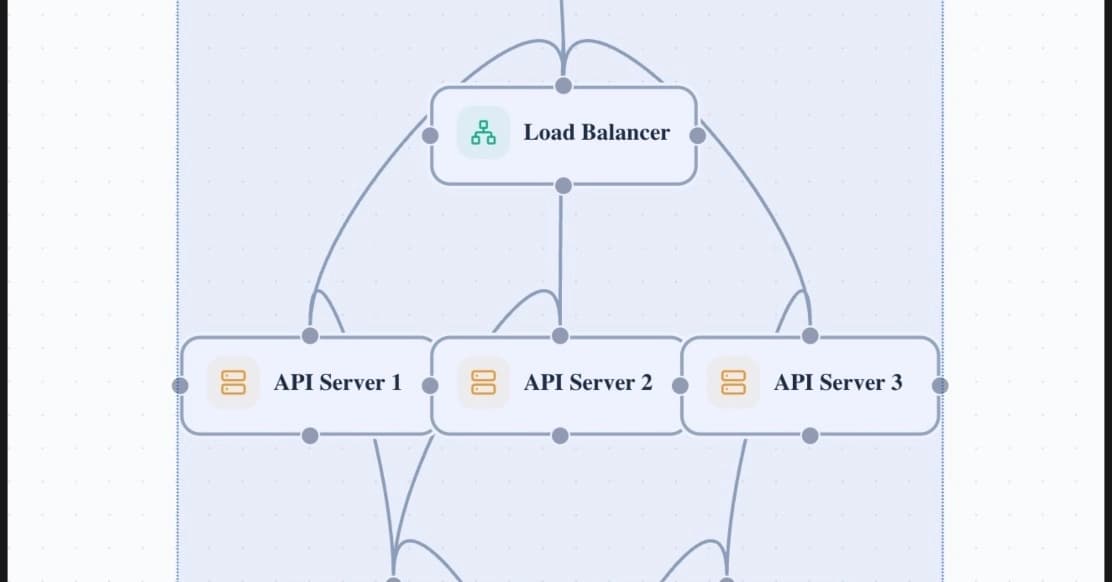
Understanding the API architecture that powers these integrations
What This Means for Business Communication in 2025
This project is a glimpse of where professional communication is heading. The technical barriers to AI-powered messaging are now low enough that a single developer can build a working system in days. Enterprise tools offering similar functionality will proliferate throughout 2025.
The competitive advantage won't go to early adopters. It will go to those who implement thoughtfully. Companies that use AI messaging to improve responsiveness while maintaining authentic human connection will win. Those who use it to fake presence while checking out will eventually face backlash.
The most interesting aspect of this technology isn't the automation itself. It's what it reveals about modern work. We've created communication expectations that exceed human capacity. AI messaging agents are a symptom and a solution. The real question is whether we'll use them to create healthier work patterns or just pack more into the same hours.
Logicity's Take
At Logicity, we've built AI agents using Claude's API for clients across customer support, internal operations, and content workflows. Here's what we've learned that this developer's project confirms: the hardest part isn't the technology. It's capturing voice authentically. Most AI implementations fail because they sound generic. The 'SOUL.md' approach described here is exactly what we recommend: document your communication quirks obsessively. Do you start messages with 'Hey' or jump straight to the point? Do you use periods at the end of texts or leave them off? These micro-details are what make AI responses feel human. For Indian businesses considering this technology, we'd add one caution: WhatsApp is deeply personal in our market. Indians use it differently than Western users. An AI responding to your family group chat carries different stakes than one handling LinkedIn messages. Start with professional contexts where AI assistance is increasingly expected, then expand carefully. The technical implementation is straightforward. The judgment calls about transparency and relationships are where you'll spend your real time.
Frequently Asked Questions
Frequently Asked Questions
How much does implementing an AI messaging agent cost?
DIY implementations run $50-100/month for infrastructure plus minimal API costs. Enterprise solutions range from $200-500/month with dedicated support. The real cost is setup time: expect 2-5 days for technical implementation and several weeks to properly train the AI on your communication style.
Is it legal to use AI to respond as myself without disclosure?
This varies by jurisdiction and context. Personal communication has fewer restrictions, but business communication, especially in regulated industries like finance or healthcare, often requires disclosure of automated systems. Consult with legal counsel before deploying in customer-facing contexts.
How long does it take to train an AI messaging agent on my communication style?
Initial training takes a few hours to document your style and set up rules. Refinement is ongoing: plan to review AI responses weekly for the first month, then monthly thereafter. Most users see natural-sounding responses after 2-3 weeks of iteration.
What happens when the AI makes a mistake in an important conversation?
The best implementations include guardrails: uncertain responses trigger escalation rather than guessing, and high-stakes contact categories always route to humans. Build in a 'let me check and get back to you' default for any situation where the AI lacks confidence.
Can AI messaging agents work across WhatsApp, Telegram, and email simultaneously?
Yes. Multi-channel gateways route different platforms to a single AI brain, giving it unified context across all your conversations. This is actually preferable because the AI can reference prior conversations regardless of which platform they occurred on.
Another example of AI integration changing user expectations
Need Help Implementing This?
Logicity builds custom AI agents for businesses across India and the Middle East. We've deployed Claude-powered automation for customer support, internal operations, and executive productivity. If you're exploring AI messaging agents for your team, we can help you navigate the technical implementation and the harder questions about policy and transparency. Reach out for a consultation.
Source: DEV Community
Manaal Khan
Tech & Innovation Writer
Produced with AI assistance and reviewed by the Logicity editorial team. Learn more in our Editorial Policy.