Key Takeaways
- Basic PLA filament is flexible enough to print functional springs for buttons, triggers, and toys
- Print-in-place hinges require no assembly and only need a small amount of force to free up after printing
- 3D printed bearings work for light-duty applications, though small imperfections limit their durability
3D printing has obvious applications in medicine, research, and manufacturing. Prosthetics, housing prototypes, and industrial parts push the limits of what additive manufacturing can do. But the real surprise is what a $200 printer sitting on your desk can produce.
Tim Brookes at How-To Geek compiled a list of items that seem like they should require metal, industrial equipment, or at minimum some assembly. They don't. A basic consumer printer and cheap PLA filament can handle all of them.
Springs That Actually Spring
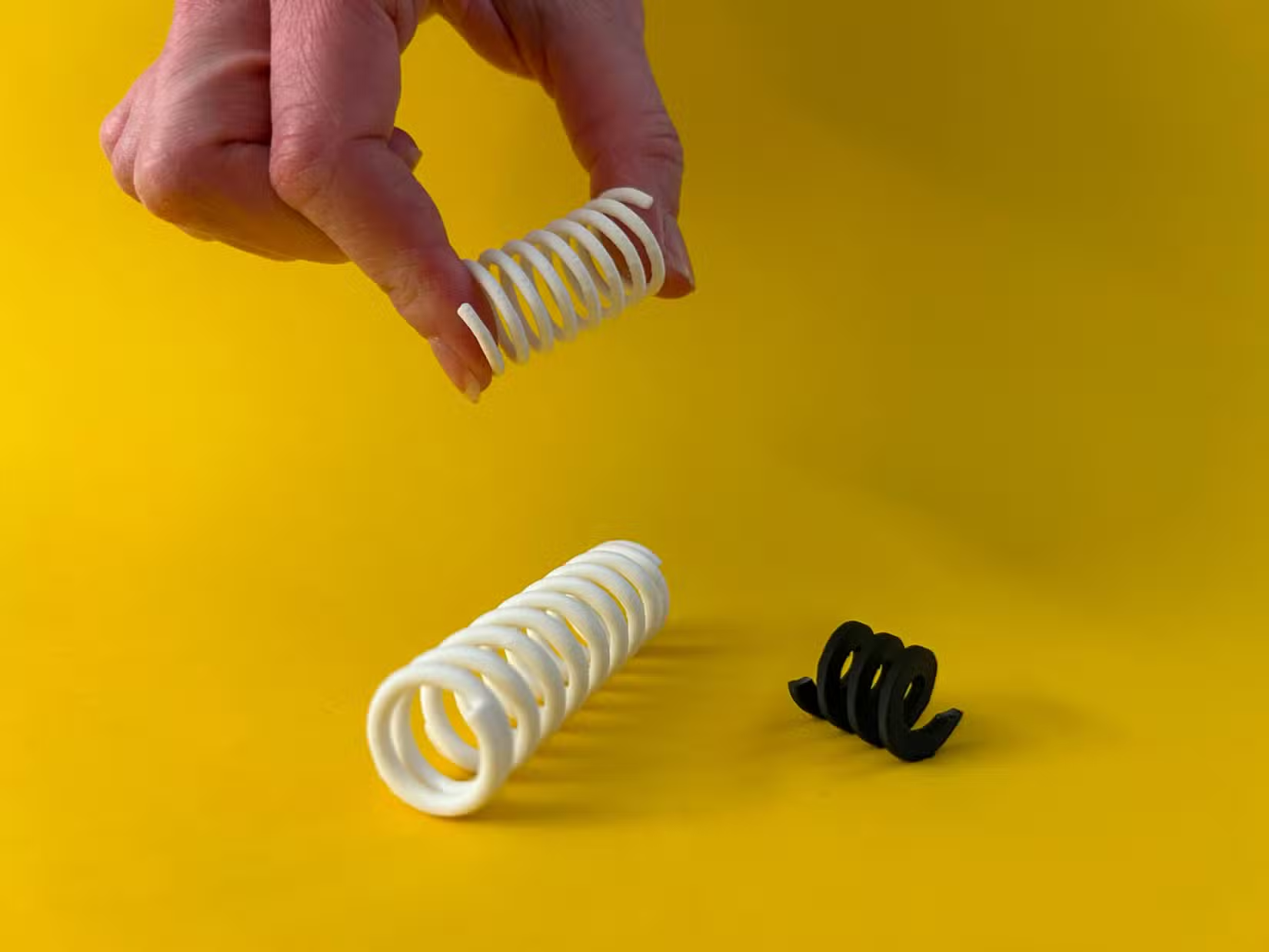
Metal springs seem fundamental to how springs work. The material stores energy through deformation, then releases it. Turns out PLA is flexible enough to do the same thing at a smaller scale.
Printed springs work in buttons, triggers, toys, or anything else that needs a bit of bounce. Each one costs a few grams of filament, maybe $0.05 worth. Parametric spring generators let you dial in exact dimensions. If you're replacing a broken spring in an existing item, a digital caliper helps you match the original specs.
Print-in-Place Hinges
This is where 3D printing feels like magic. Print-in-place models come off the build plate as a single object with moving parts already assembled. No screws, no glue, no snapping pieces together.
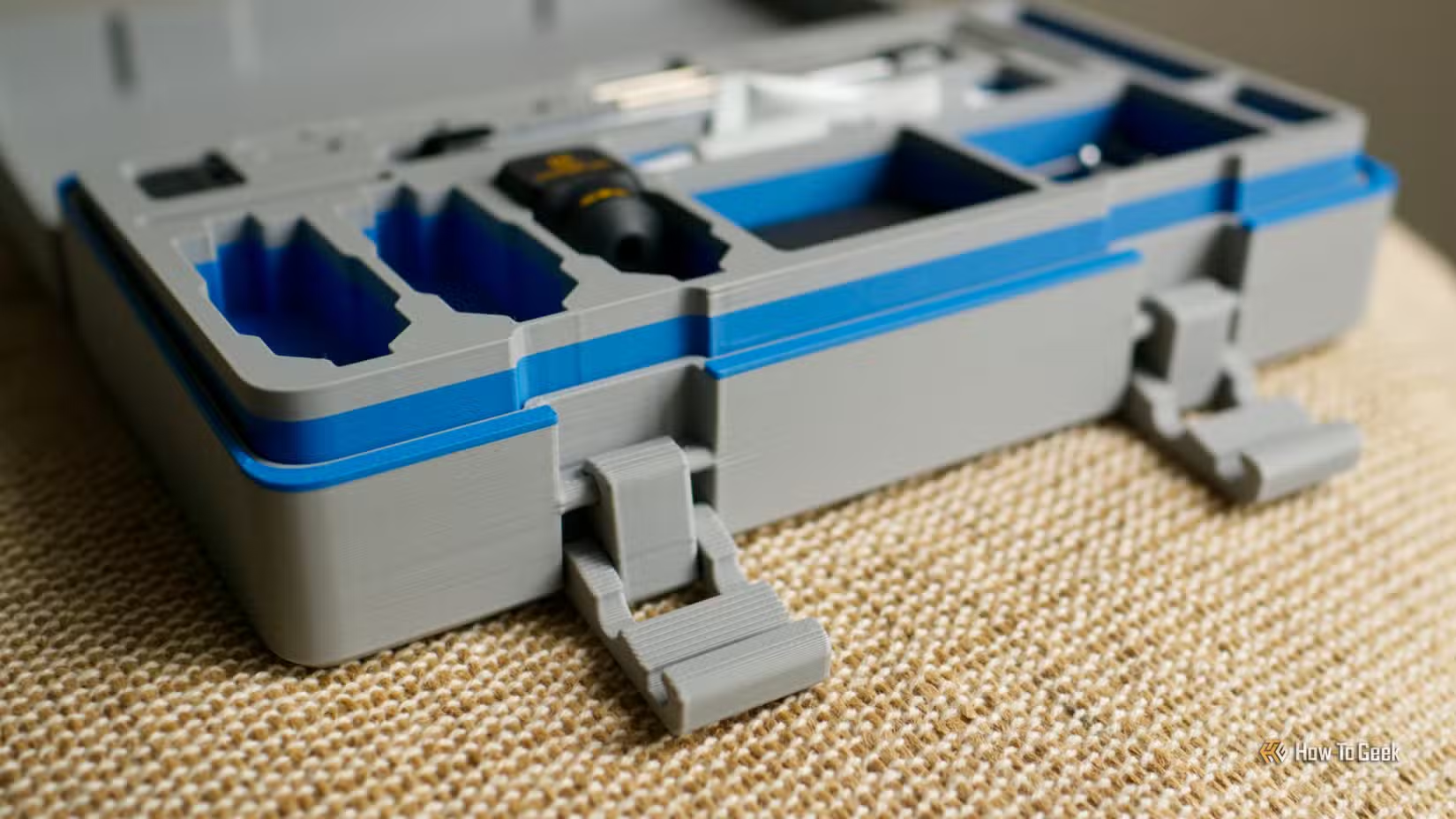
Hinges are the most practical example. You print a toolbox, and when it's done, you apply a small amount of force to free up the hinge. Then it opens and closes like any store-bought container.
Model repositories have hundreds of designs that integrate hinges into functional objects. A toolbox with a moving hinge is a solid first project for anyone new to print-in-place techniques.
Functional Bearings
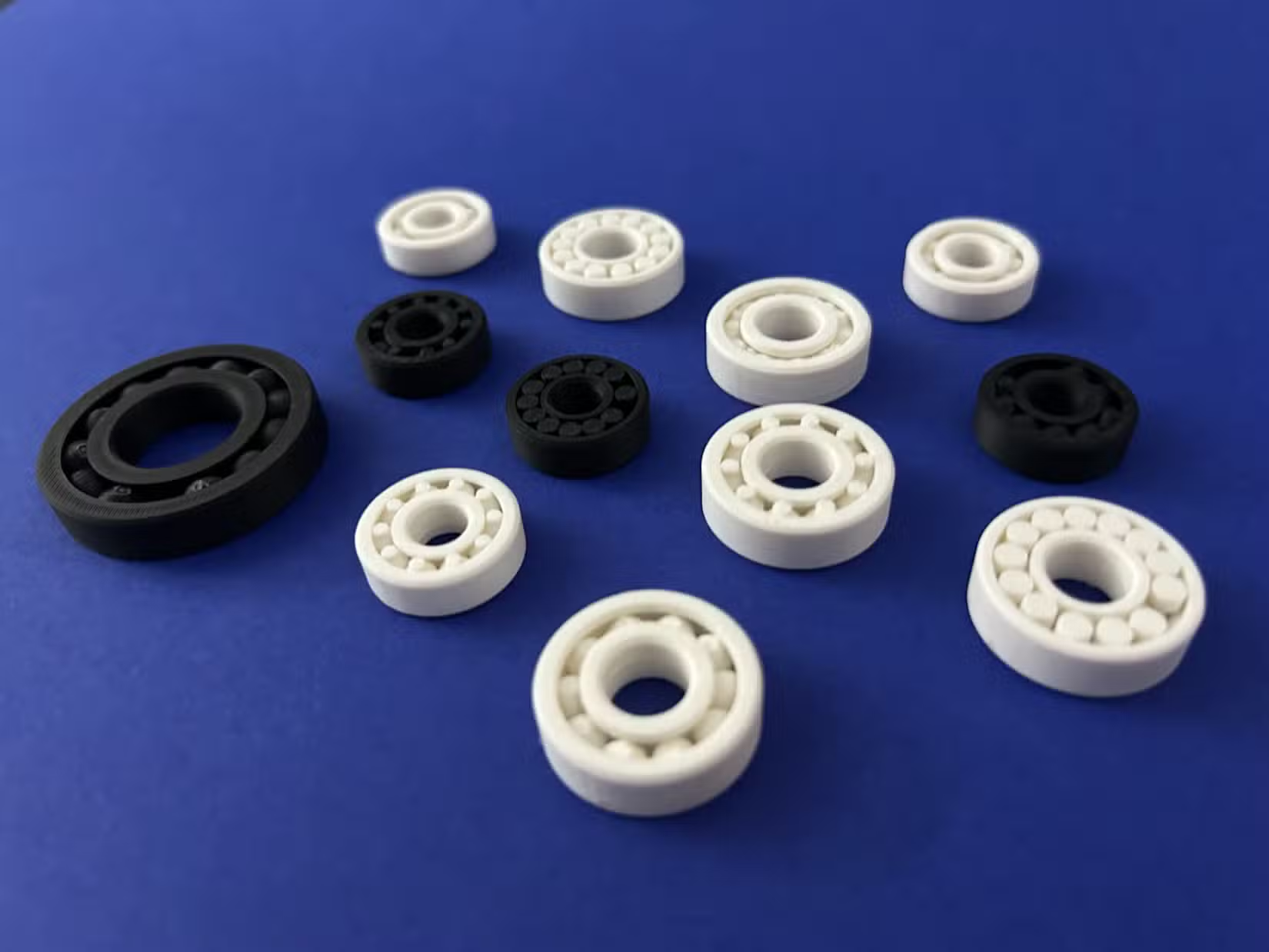
Bearings let objects spin freely. Metal versions are hard-wearing because steel balls roll against steel races with minimal friction. Plastic versions work too, with some caveats.
Bearing generators let you pick common sizes or create custom dimensions for specific applications. The trade-off is durability. Small imperfections in ball bearings affect smoothness and lifespan. For light-duty applications like fidget toys, displays, or prototypes, printed bearings work fine.
Camera Lens Adapters
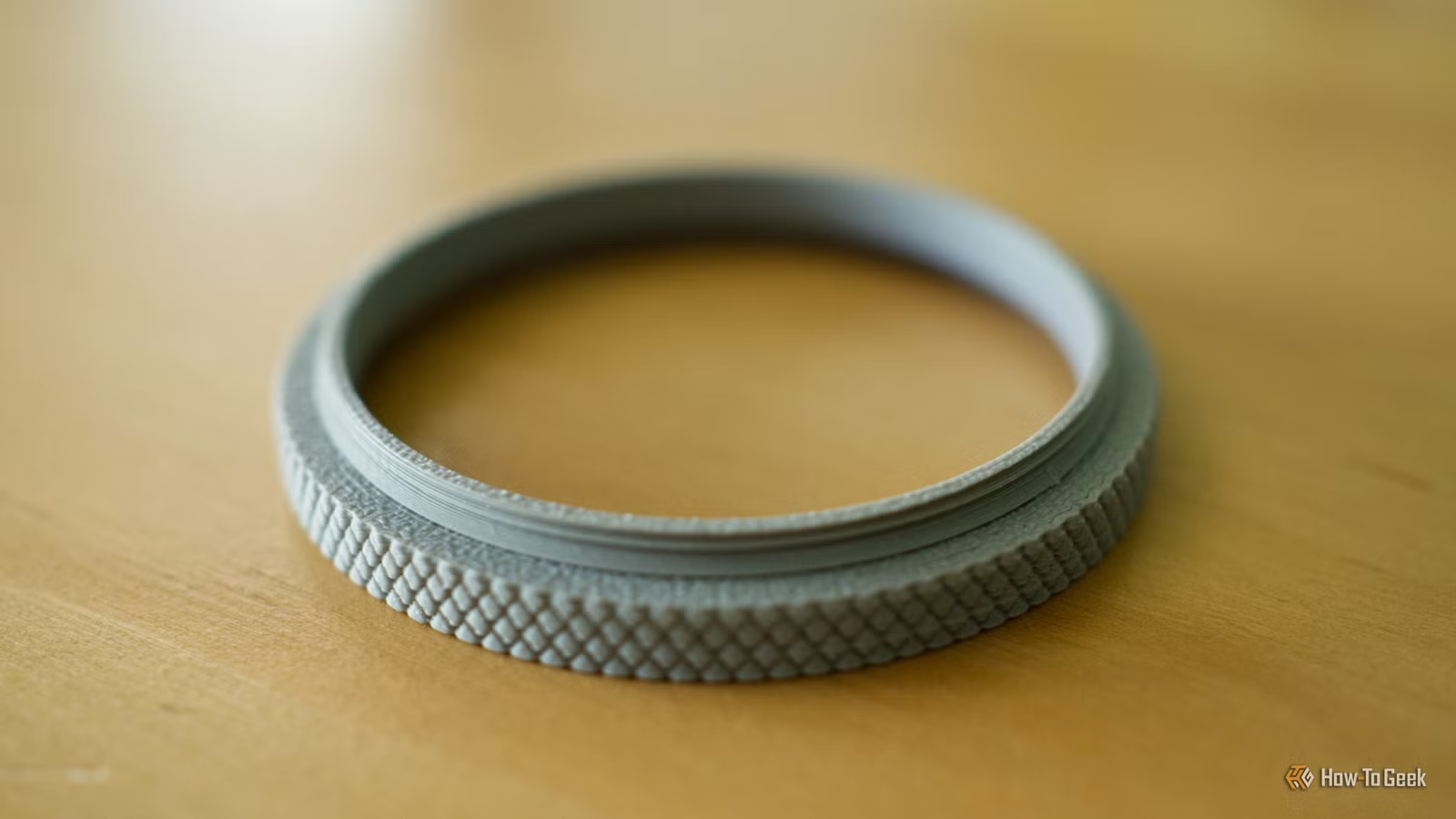
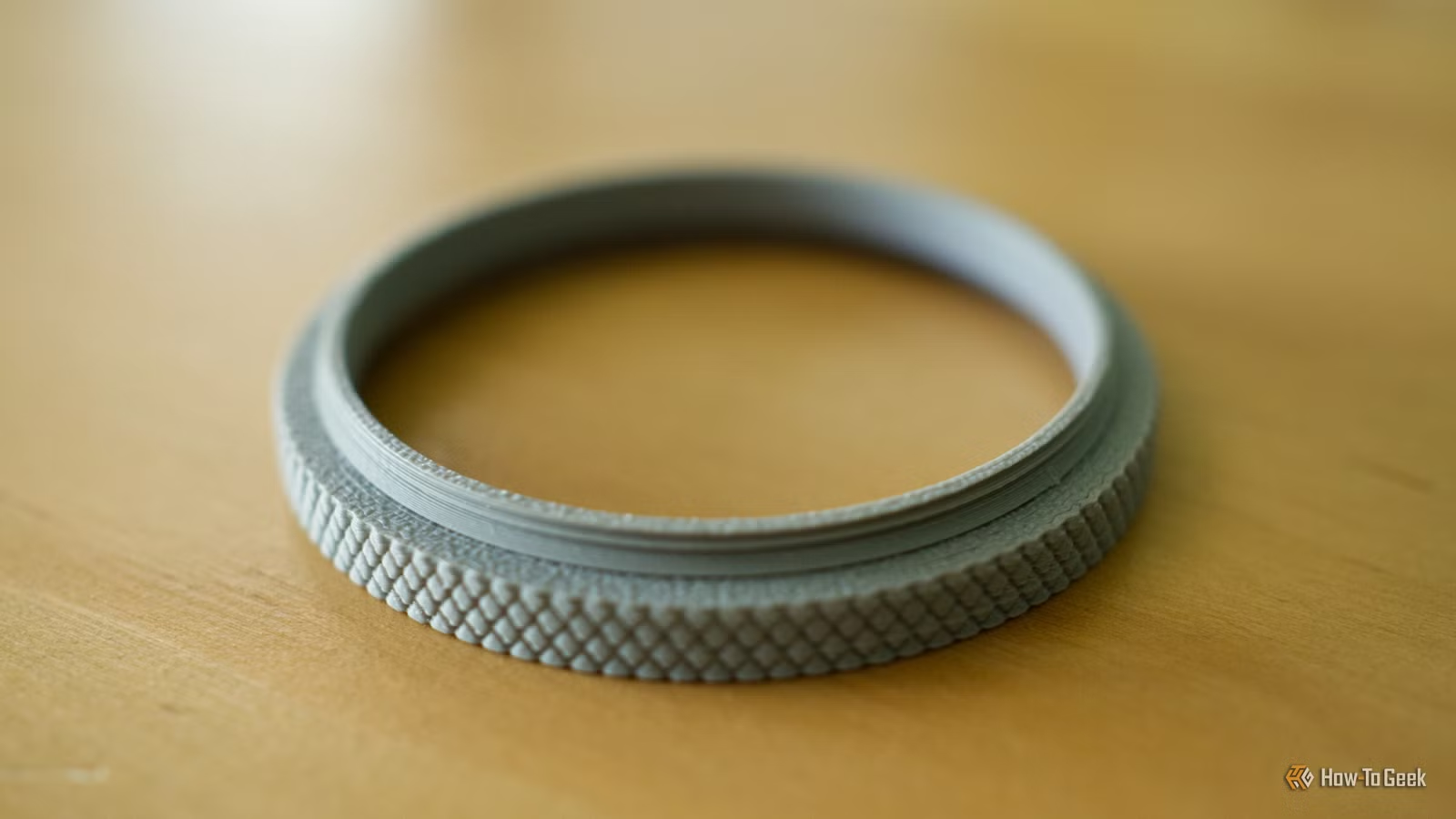
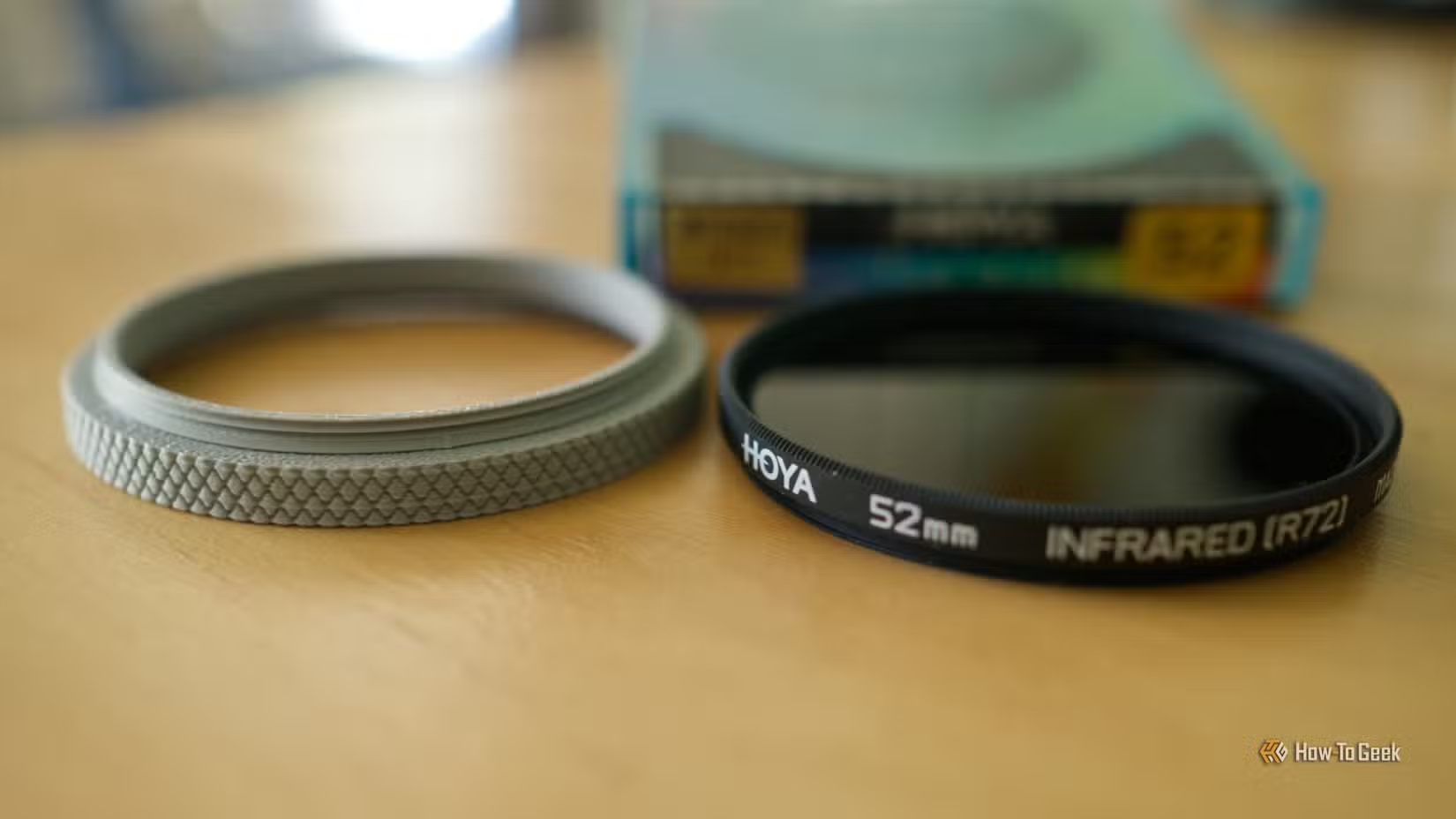
Step-up and step-down rings adapt lens filters to different thread sizes. Buy them online for $5 to $15, or print them for pennies. The threads need precision, but modern printers handle that without issue.
Brookes printed a 49-to-52mm step-up ring and fitted it with a Hoya infrared filter. It works exactly like the metal version.
Musical Instruments
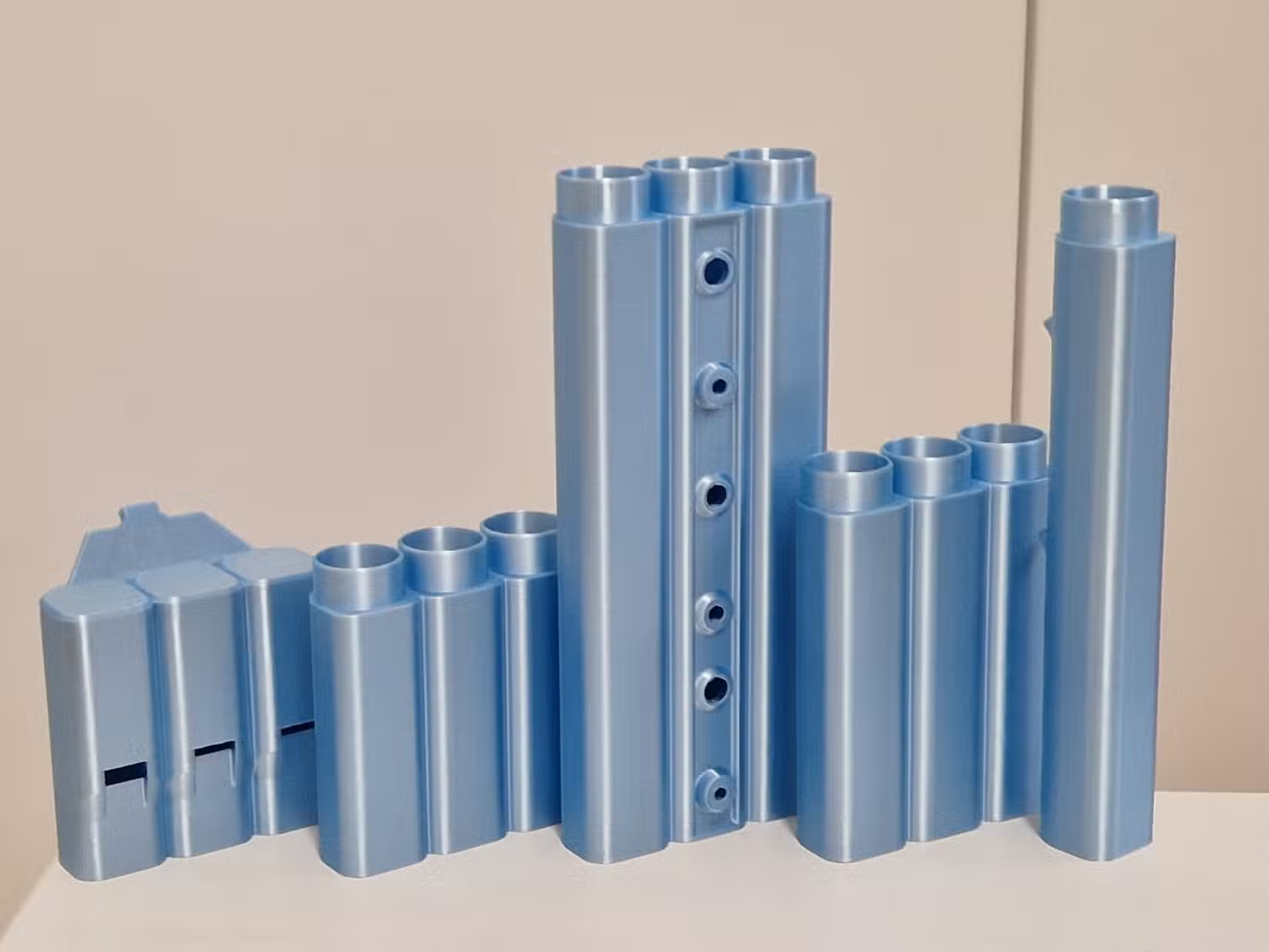
This one stretches the definition of "functional," but yes, you can print instruments that produce actual music. Flutes, ocarinas, and whistles are the most common. Some designs get surprisingly sophisticated.
The sound quality won't match a professional instrument. But for learning, experimentation, or just making noise, printed instruments work.
What Makes This Practical
The economics are simple. A kilogram of PLA costs $15 to $25. Most of these items use 10 to 50 grams. Even if a print fails, you're out a dollar at most.
The time investment is higher. Learning to use slicing software, calibrating your printer, and understanding when to use supports versus print-in-place techniques takes hours. But once you're set up, producing replacement parts or custom items becomes trivial.
- Replacement springs for broken toys or gadgets
- Custom-sized storage containers with integrated hinges
- Adapter rings for camera equipment
- Light-duty bearings for prototypes or displays
- Musical instruments for education or experimentation
Logicity's Take
Frequently Asked Questions
What's the cheapest 3D printer that can print functional parts?
Entry-level printers like the Creality Ender 3 series or Elegoo Neptune 3 cost $150 to $250 and can produce all the items mentioned. Print-in-place designs work on any properly calibrated FDM printer.
How durable are 3D printed springs and bearings?
PLA springs work for light-duty applications like toys and buttons but won't match metal springs under heavy loads. Printed bearings are suitable for prototypes and low-stress uses but wear faster than metal versions.
What filament should I use for mechanical parts?
PLA works for most applications. For parts that need more flexibility, use TPU. For heat resistance or durability, PETG or ABS are better choices. Each material requires different print settings.
Where can I find designs for print-in-place items?
MakerWorld, Printables, and Thingiverse have thousands of free designs. Search for "print-in-place" plus whatever item you need. Most designs include recommended settings and tips.
Can 3D printed parts replace broken components in electronics?
Yes, for non-structural plastic parts. Battery covers, button caps, clips, and housings are all printable. You'll need calipers to measure the original part accurately.
If you're evaluating workshop investments, this analysis examines whether premium tool brands deliver value proportional to cost.
Need Help Implementing This?
Source: How-To Geek
Huma Shazia
Senior AI & Tech Writer
Produced with AI assistance and reviewed by the Logicity editorial team. Learn more in our Editorial Policy.