Key Takeaways
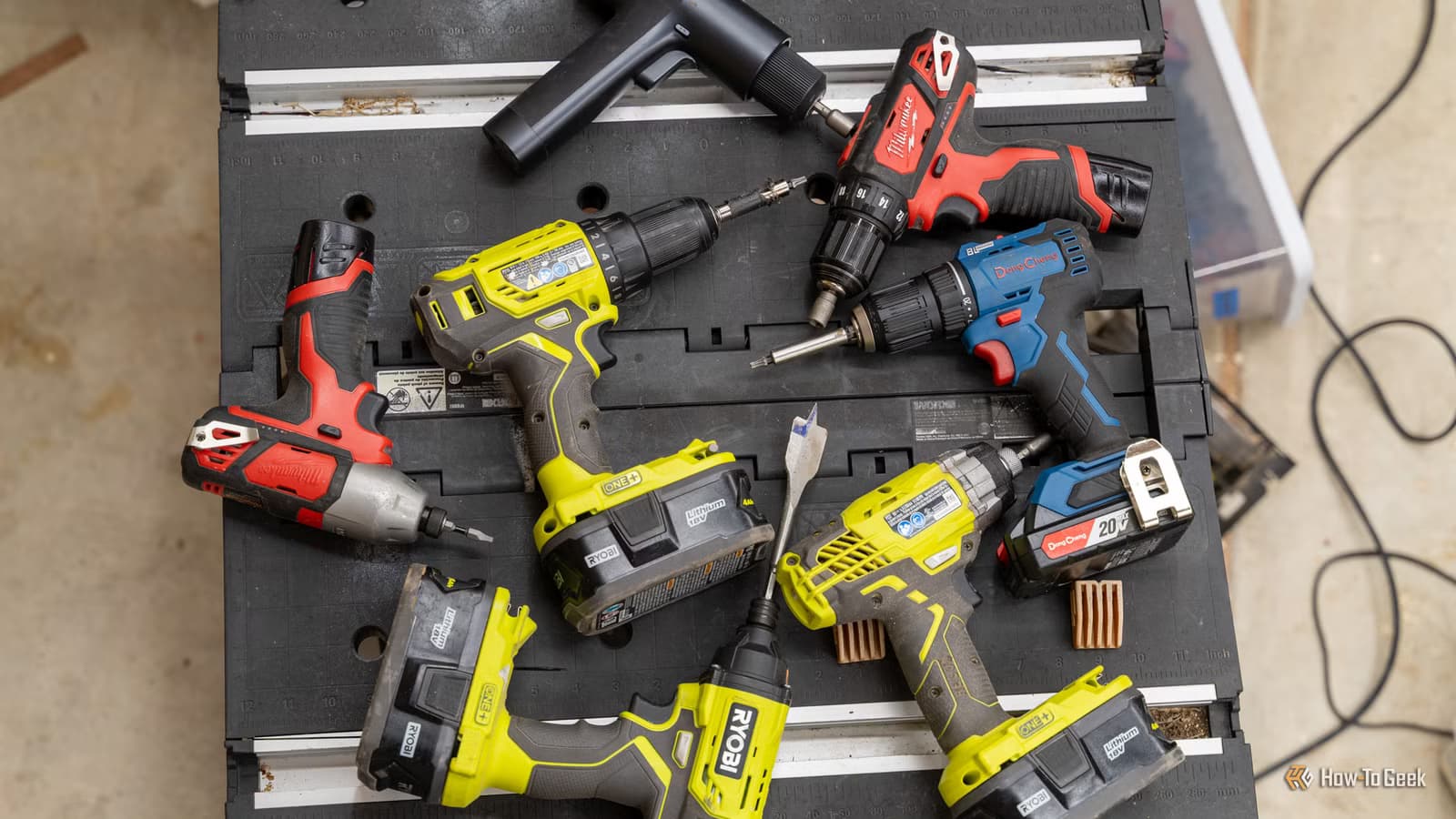
- Milwaukee's premium pricing targets daily professional use, not occasional home projects
- Ryobi and Harbor Freight's Hercules brand offer solid performance at 40-60% lower prices
- Budget tools handle most DIY tasks just as well as pro-grade equipment
The Price-to-Use Mismatch
Milwaukee has earned its reputation as one of the most popular power tool brands among professionals. The company's cordless tools show up on job sites everywhere. But popularity among pros doesn't mean Milwaukee is the right choice for everyone.
The problem is straightforward: you're paying for durability and performance designed for daily heavy use. If you're hanging a TV once a year or assembling occasional furniture, that investment doesn't make sense.
Reason 1: Low Usage Scenarios
Milwaukee builds tools for contractors who use them eight hours a day, five days a week. The engineering, materials, and battery systems reflect that use case. But most homeowners don't need industrial-grade construction.
If you need a drill for a single project or a tool you'll touch once a year, the math changes completely. A Ryobi or Harbor Freight Hercules drill handles these tasks just as effectively.
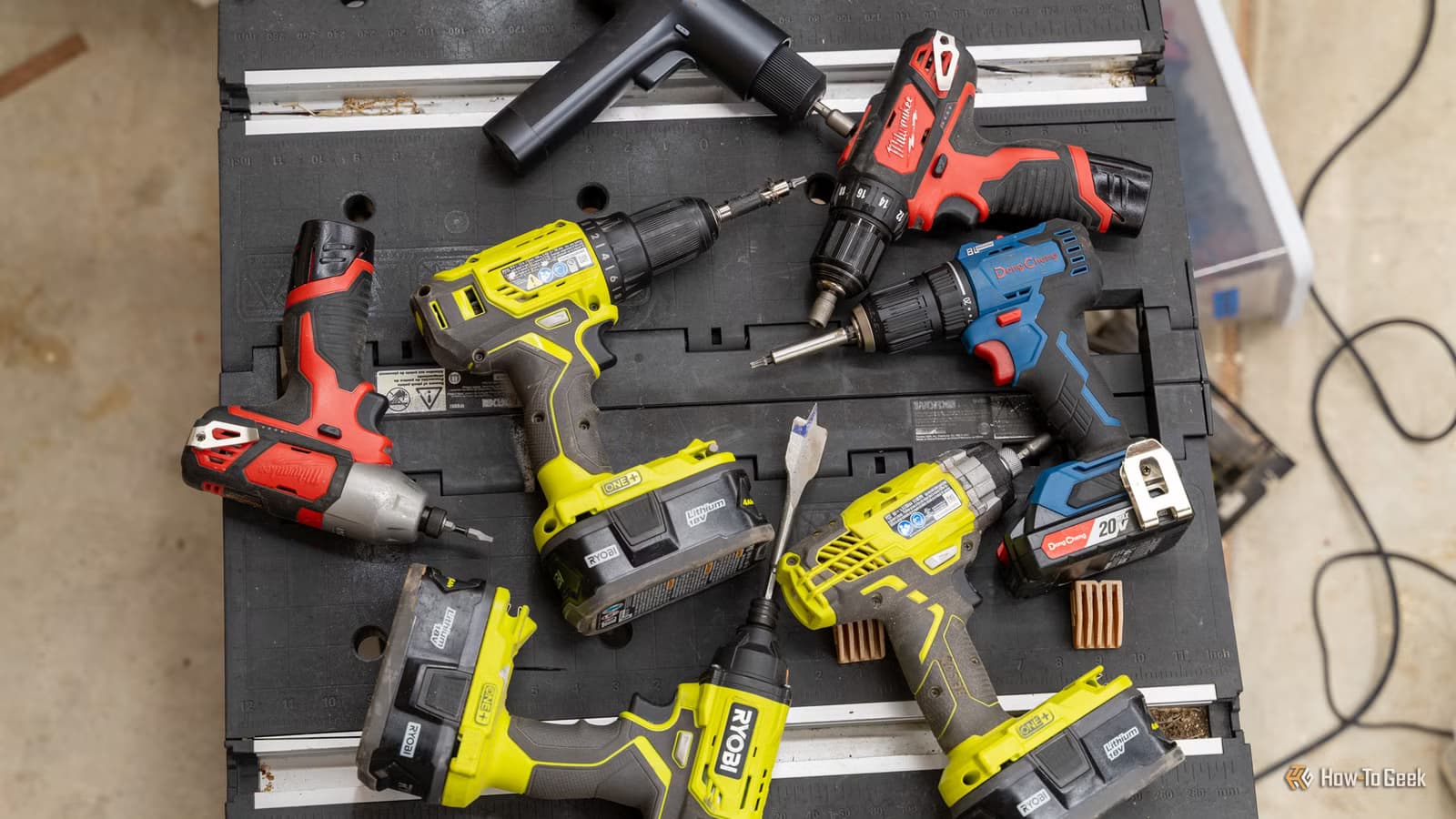
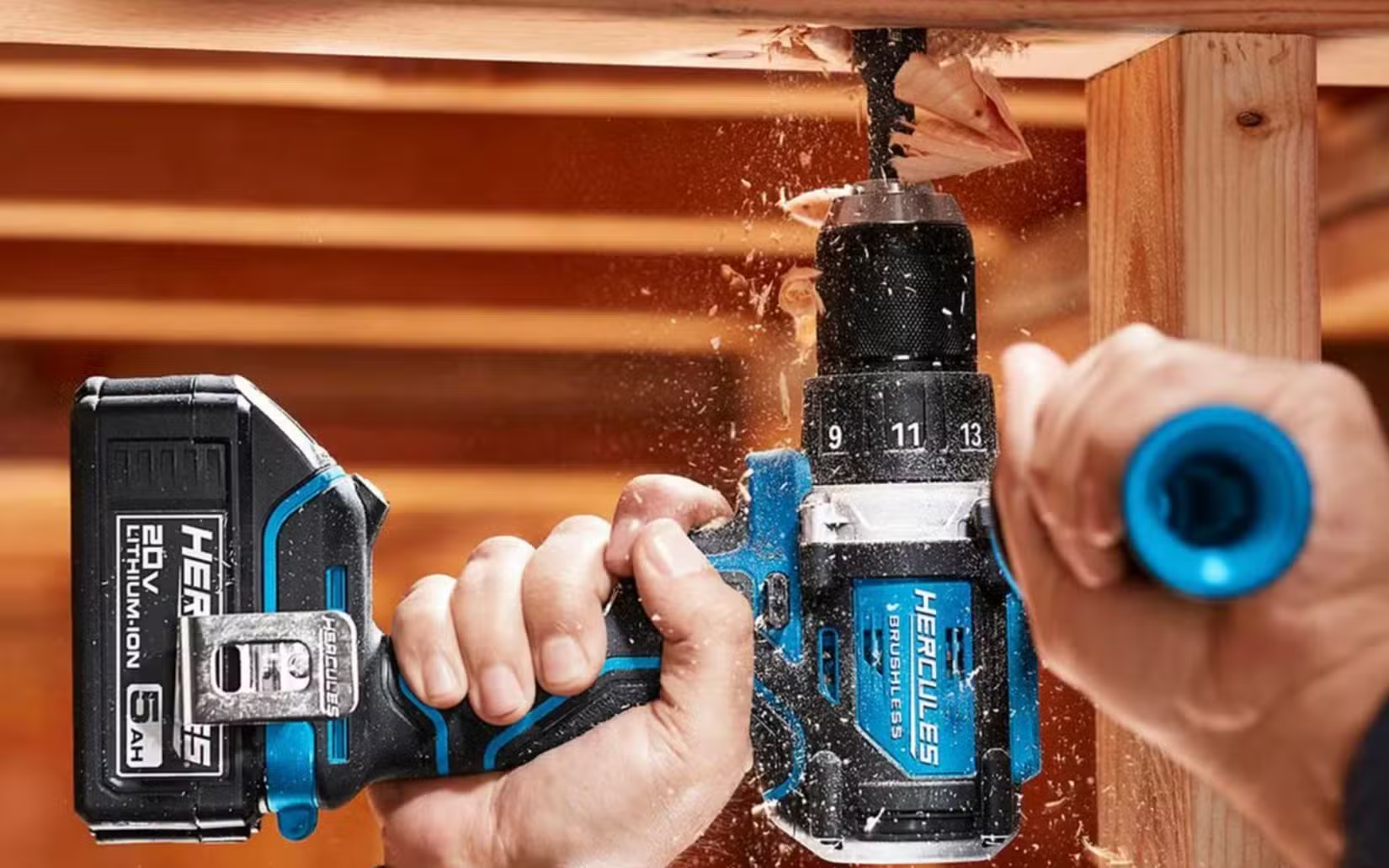
Harbor Freight's Hercules 20V brushless drill and driver combo sells for $98. It includes a handle, battery, and charger. Ryobi's 18V ONE+ HP drill starts at $79 with a battery and charger included. Compare that to Milwaukee's equivalent, and you'll often pay twice as much or more.
Reason 2: Beginner Projects Don't Need Specialty Tools
Milwaukee constantly releases new specialty tools targeting automotive mechanics, electricians, and trade professionals. That's great for those users. But it also pushes the brand's average pricing upward across the entire lineup.
Beginners assembling their first toolkit don't need Milwaukee's specialized offerings. A basic drill, impact driver, and perhaps a reciprocating saw cover most home projects. Budget brands deliver these core tools at accessible price points.
Ryobi's ONE+ battery system also offers an advantage here. The platform includes tools you can't get from Milwaukee, from glue guns to pressure washers. One battery powers dozens of different tools across the ecosystem.
Reason 3: Budget Tools Have Gotten Much Better
The gap between professional and consumer power tools has shrunk considerably. Brushless motors, lithium-ion batteries, and improved manufacturing have lifted the floor on tool quality.
Harbor Freight's Hercules brand now includes brushless tools that would have seemed impossible at these price points five years ago. Ryobi's HP line delivers more torque and runtime than previous generations. These aren't the underpowered discount tools from a decade ago.
| Feature | Milwaukee M18 | Ryobi ONE+ HP | Hercules 20V |
|---|---|---|---|
| Target User | Daily professional use | DIY and occasional pro | Budget-conscious DIY |
| Motor Type | Brushless | Brushless | Brushless |
| Battery Ecosystem | M18 platform | ONE+ platform (200+ tools) | Hercules 20V |
| Drill/Driver Price | $150-200+ | $79 with battery | $98 with battery |
| Warranty | 5 years | 3 years | 90 days |
When Milwaukee Does Make Sense
None of this means Milwaukee tools are overpriced in absolute terms. The tools deliver what they promise. If you're a professional using tools daily, the durability and performance justify the cost. Reliability matters when your income depends on your equipment.
Serious hobbyists who work on projects every weekend might also appreciate Milwaukee's build quality. The tools feel more substantial, and the batteries last longer under sustained use.
The question isn't whether Milwaukee makes good tools. It's whether those tools match your actual use patterns and budget constraints.
✅ Pros
- • Budget tools now include brushless motors and quality batteries
- • Ryobi's ecosystem includes specialty tools Milwaukee doesn't make
- • Significant cost savings for occasional users
- • Lower barrier to entry for building a tool collection
❌ Cons
- • Shorter warranties on budget brands
- • Less durability under daily professional use
- • Battery ecosystems may be less developed
- • Resale value lower than Milwaukee
The Bottom Line on Tool Selection
Match your tools to your actual needs. A homeowner doing occasional projects doesn't need the same equipment as a general contractor. The Hercules combo at $98 or Ryobi drill at $79 will handle most residential tasks without complaint.
Save the Milwaukee budget for tools you'll genuinely use frequently. Or use the savings to buy a broader range of budget tools that cover more project types.
Logicity's Take
Frequently Asked Questions
Is Harbor Freight Hercules as good as Milwaukee?
For occasional DIY use, Hercules tools perform comparably. They use brushless motors and quality batteries. The difference shows up in durability under daily professional use and warranty coverage.
Why is Ryobi cheaper than Milwaukee?
Ryobi targets homeowners and DIY users rather than professionals. The tools use quality components but aren't engineered for continuous heavy-duty use. This allows lower price points without sacrificing basic functionality.
Are budget power tools worth buying?
Yes, for occasional users. Modern budget tools from Ryobi and Hercules include brushless motors and lithium batteries that would have been premium features years ago. They handle most home projects effectively.
What tools should I buy for basic home projects?
Start with a drill/driver combo and a basic battery kit. Add an impact driver and circular saw as projects require. Ryobi's ONE+ system offers the widest tool selection for home use.
When should I buy Milwaukee instead of Ryobi?
Buy Milwaukee if you use tools daily for work, need maximum durability, or work in demanding conditions. The premium makes sense when tool failure costs you money or when you need tools to last through heavy use for years.
Another breakdown of when premium features justify the price
Need Help Implementing This?
Source: How-To Geek
Huma Shazia
Senior AI & Tech Writer
Produced with AI assistance and reviewed by the Logicity editorial team. Learn more in our Editorial Policy.