Key Takeaways
- Limiting battery charging to 80% reduces strain and extends overall battery lifespan
- Fine-tuning app notification categories cuts clutter without losing important alerts
- A factory reset combined with targeted settings changes beats either approach alone
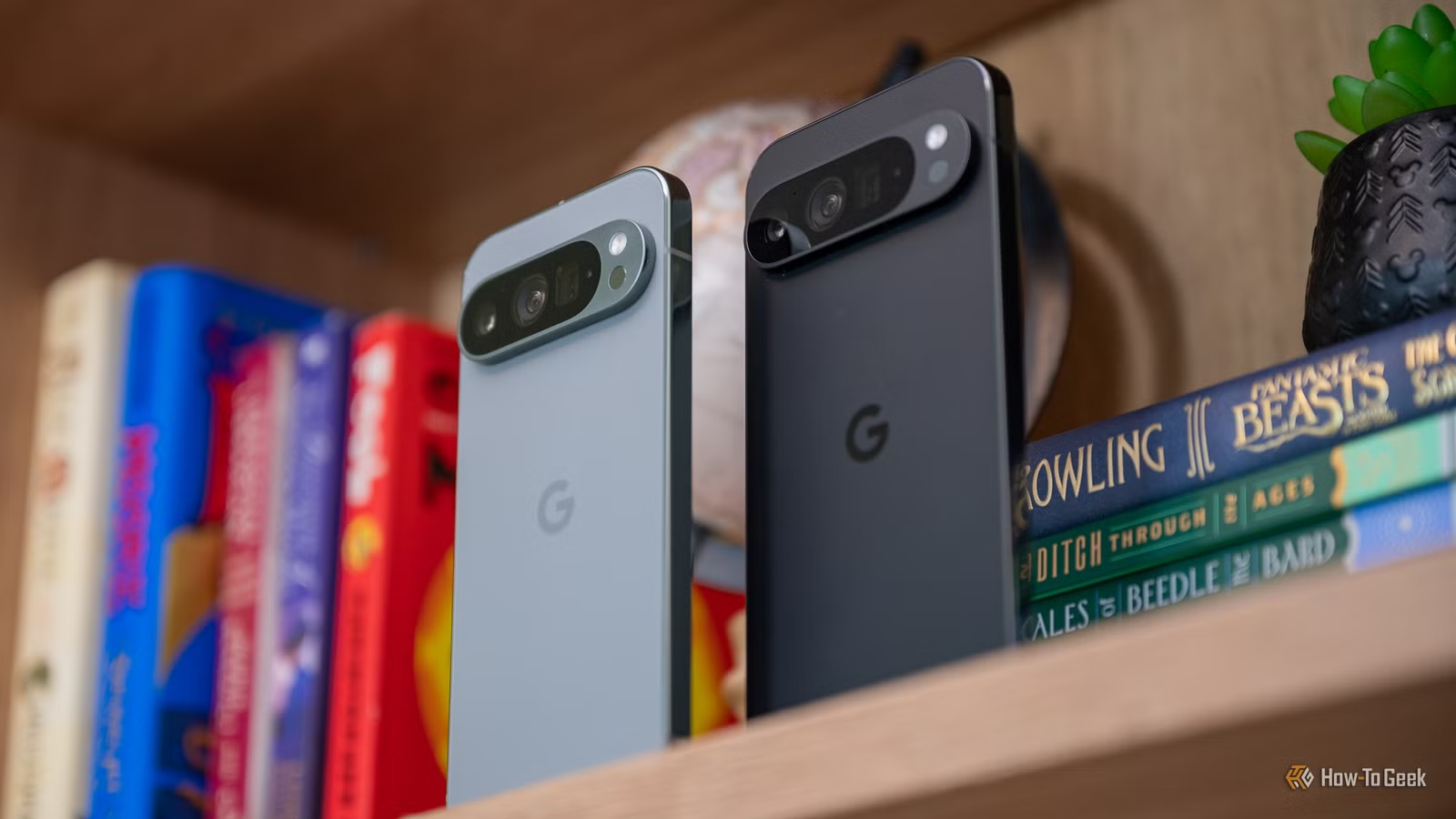
That three-year-old Pixel in your pocket isn't ready for the recycling bin. A factory reset helps, but the real gains come from what you do after setup.
Andy Betts, a senior writer at How-To Geek with over 20 years covering consumer tech, recently tested this approach on his aging Pixel. His verdict: a factory reset plus seven targeted settings changes made the phone feel "almost as good as new."
Here's what actually moves the needle.
Cap Your Battery at 80%
Google added a charging limit option that's now available on older Pixels. The setting caps your charge at 80% of capacity, which reduces strain on the battery cells.
The tradeoff is obvious. You start the day with less juice. On an older phone where capacity has already degraded, that 80% might mean reaching for a charger by dinner.
To enable it: Settings > Battery > Battery health > Charging optimization. Toggle it on and select "Limit to 80%."
Betts notes this works for his usage patterns but suggests testing it for a week before committing. If your phone dies at 6 PM, the longevity benefit isn't worth much.
Fine-Tune Notification Categories
The longer you use a phone, the more apps accumulate. Each one asks for notification permission. Most people tap "Allow" and move on.
Android's notification system goes deeper than on/off. Many apps split notifications into categories with subcategories inside. Google Photos, for example, separates Backup, Memories, and Other. That "Other" category contains 11 notification types, including one labeled "Promotions."
That "Promotions" label is worth noting. It's Google's own app sending you what amounts to advertising. You can disable that specific category while keeping backup completion alerts.
Spend 15 minutes auditing your most notification-heavy apps. You'll find similar hidden categories in most of them.
Why This Matters for Older Hardware
Each notification wakes your screen, pings your processor, and drains your battery. On a phone with a fresh battery and fast chip, the impact is negligible. On a three-year-old Pixel with 85% battery health and a Tensor chip that already ran hot when new, those micro-interruptions add up.
Reducing notification volume isn't just about mental clutter. It's a legitimate performance optimization for aging hardware.
More Android optimization tips for getting the most from your phone
The Factory Reset Question
Betts started with a factory reset before making these changes. That's not strictly necessary, but it clears out years of cached data, abandoned app permissions, and background processes you forgot existed.
The downside: you'll spend an afternoon setting everything up again. If your phone is merely sluggish, try the settings changes first. If it's genuinely struggling, the nuclear option might be worth it.

Logicity's Take
When It's Actually Time to Upgrade
These settings extend useful life, but they can't fix hardware limitations. If your Pixel no longer receives security updates, or if the battery health has dropped below 70%, no amount of optimization will make it a reliable daily driver.
Google's current budget option, the Pixel 10a, starts at $499. It's a modest upgrade over the 9a with a brighter screen and Gorilla Glass 7i. The camera bump is now completely flat. But if your old Pixel still works and receives updates, these settings changes cost nothing.
Frequently Asked Questions
Does limiting Pixel charging to 80% actually extend battery life?
Yes. Lithium-ion batteries degrade faster when consistently charged to 100%. Capping at 80% reduces chemical stress on the cells, though you'll have less daily capacity to work with.
How do I find hidden notification categories on Android?
Go to Settings > Apps, select an app, then tap Notifications. Many apps show expandable categories with granular controls for each notification type.
Should I factory reset my old Pixel before changing settings?
It helps but isn't required. A factory reset clears years of accumulated data and processes. If your phone is merely slow, try the settings changes first. If it's genuinely struggling, reset first.
How long will an older Pixel receive security updates?
Google guarantees 7 years of updates for Pixel 8 and newer. Older models have shorter windows. Check Settings > About phone > Android version to see your current status.
Need Help Implementing This?
Source: How-To Geek
Manaal Khan
Tech & Innovation Writer
Produced with AI assistance and reviewed by the Logicity editorial team. Learn more in our Editorial Policy.