Key Takeaways
- A single gas cooktop knob costs $70-$93 from manufacturers but pennies to print
- Custom wall mounts for non-VESA devices eliminate $50 proprietary bracket purchases
- Heat-resistant filaments like PETG work safely near stoves and in humid environments
Anyone who owns specialized appliances knows the sting. A small plastic knob breaks, and the manufacturer quotes you $93 for a replacement. The part costs maybe fifty cents to produce. You just don't have the machinery to make it yourself.
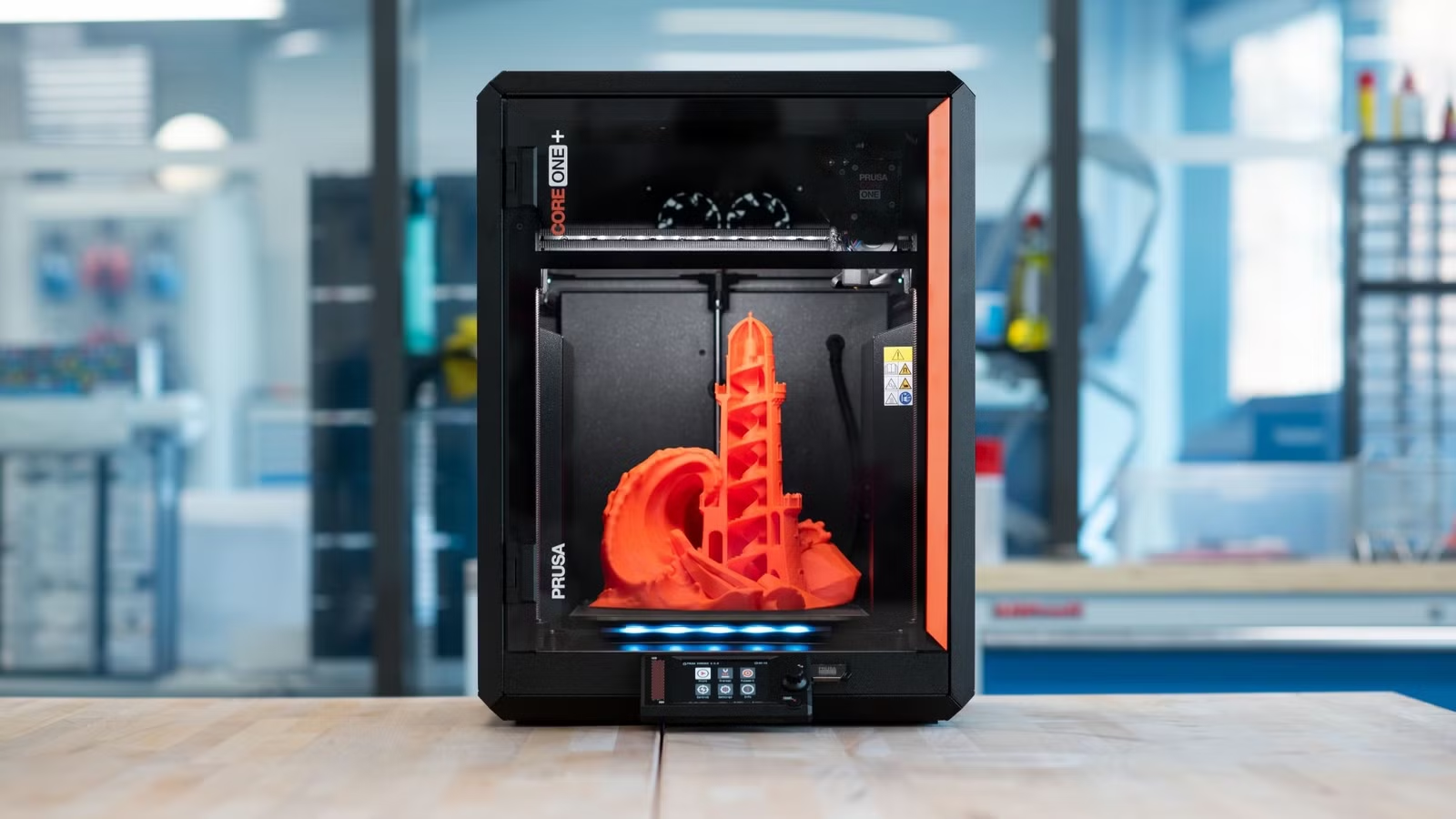
Until you do. A consumer 3D printer turns that equation around. The machine pays for itself not through decorative trinkets, but through practical prints that replace overpriced proprietary parts. Here are five categories where printing beats buying.
1. Custom Appliance Knobs
Plastic control dials for ovens and washing machines carry absurd markups. A single gas cooktop knob runs $70 to $93 from most manufacturers. A full set for premium stoves can hit $350. If you rent, landlords often don't consider broken knobs a normal repair item.
Printing your own requires a set of digital calipers to measure the metal control post. Most posts have a D-shaped flat edge and need specific depth to engage the push-and-turn lock mechanism. You can design the replacement in CAD software like Tinkercad or Fusion 360, or search Thingiverse for existing models.
The online 3D printing community offers modular knob packs with separate inserts that fit major brands. You'll want heat-resistant filaments for these. PETG and ASA hold up well near stoves and in humid laundry rooms because they combine flexibility with thermal stability.
2. Specialized Wall Mounts
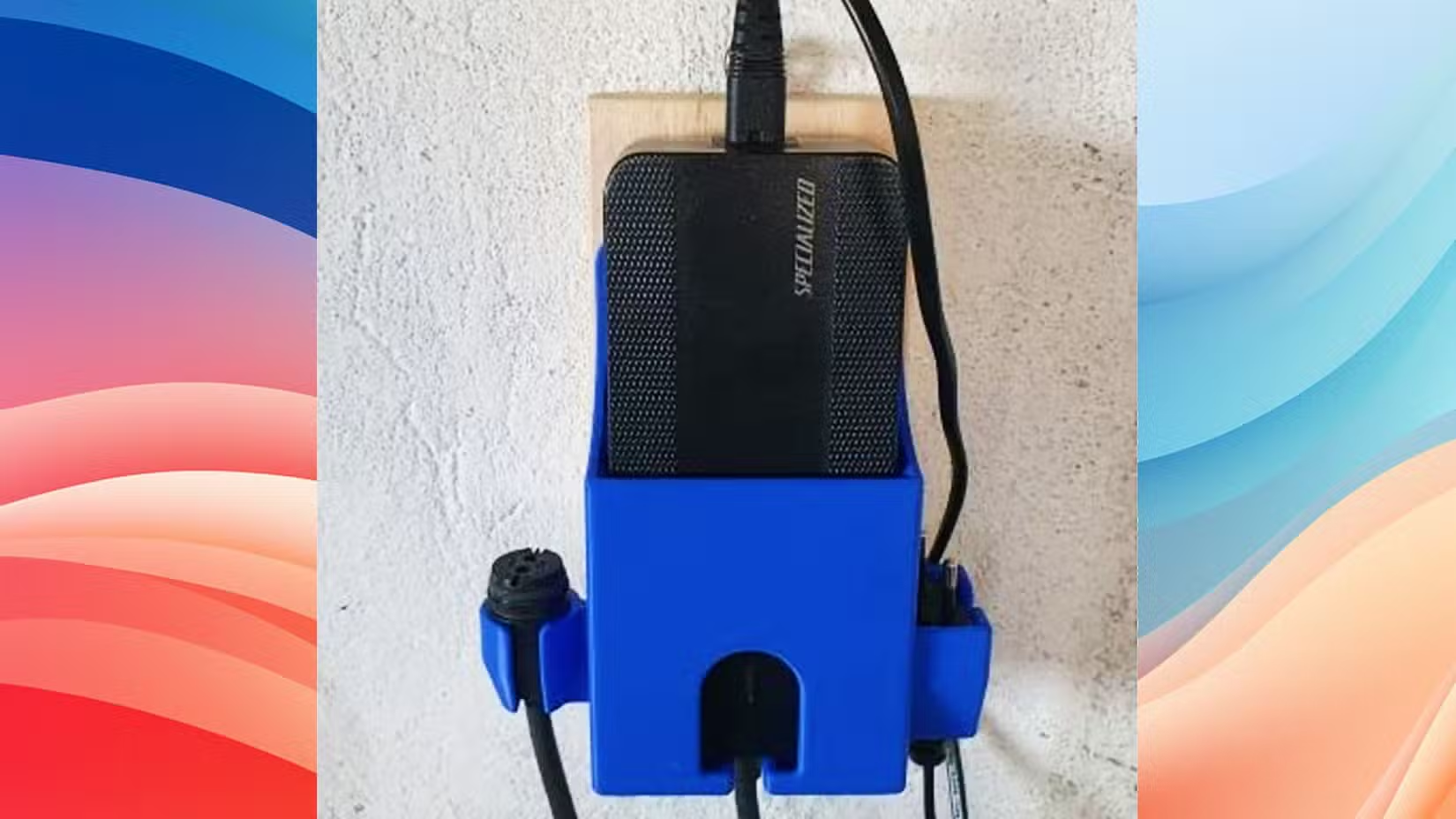
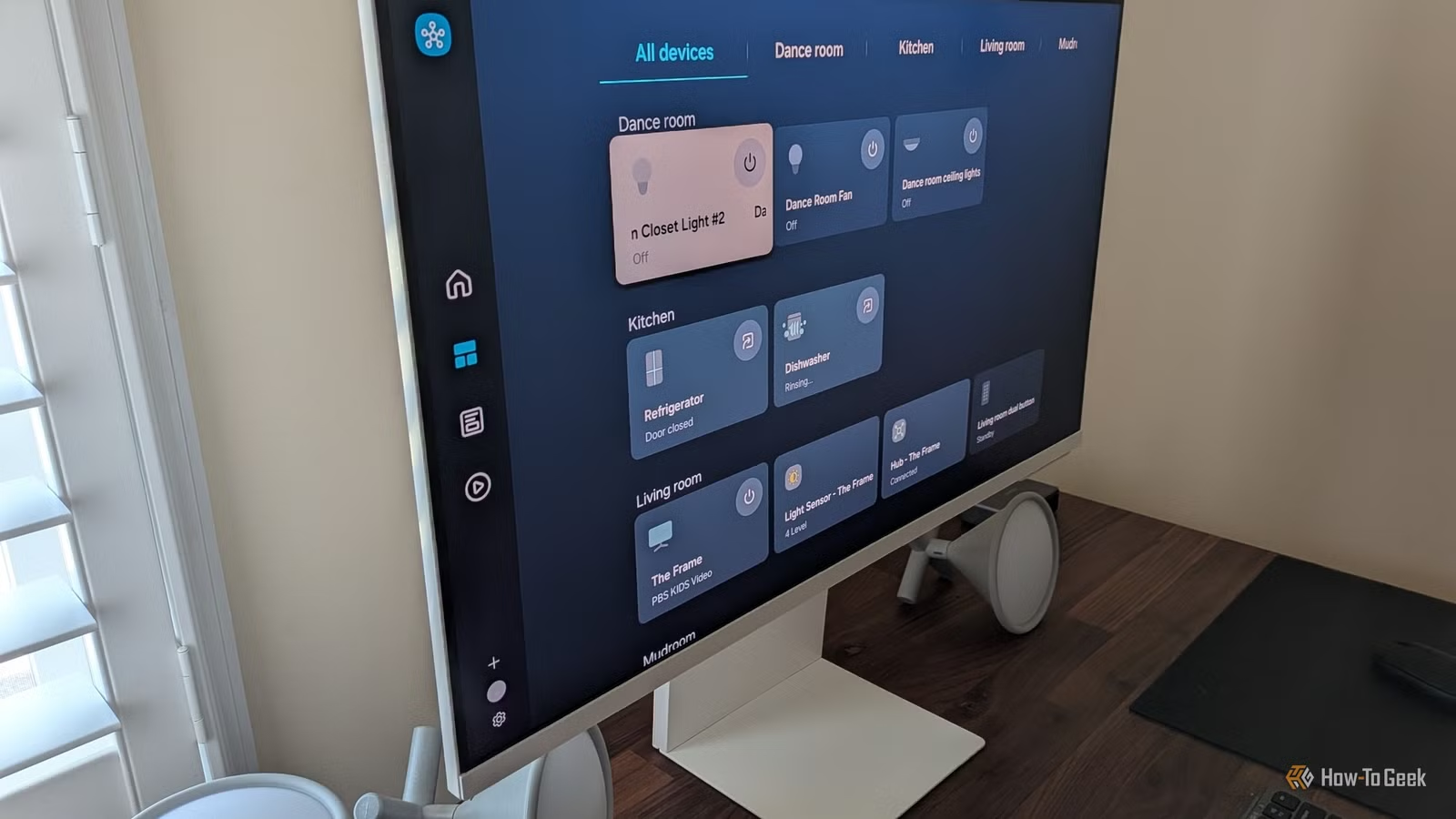
Proprietary brackets for speakers, routers, and chargers often cost $50 or more. Worse, many devices don't follow standard mounting patterns at all. A smart speaker might have no mounting points. A monitor might use a non-VESA hole pattern. A bike charger might not have any commercial bracket available.
3D printing lets you design custom-fit holsters that screw directly into the wall. You control the orientation and reinforcement. You can hide electronics in tight spaces behind a TV or under a shelf.
For screens without VESA holes, you can print an adapter with arms that grip the edges and attach to standard mounting hardware. For monitors with recessed mounting points, custom spacers bridge the gap between the screen and standard arms.
3. Drawer Dividers and Organizers
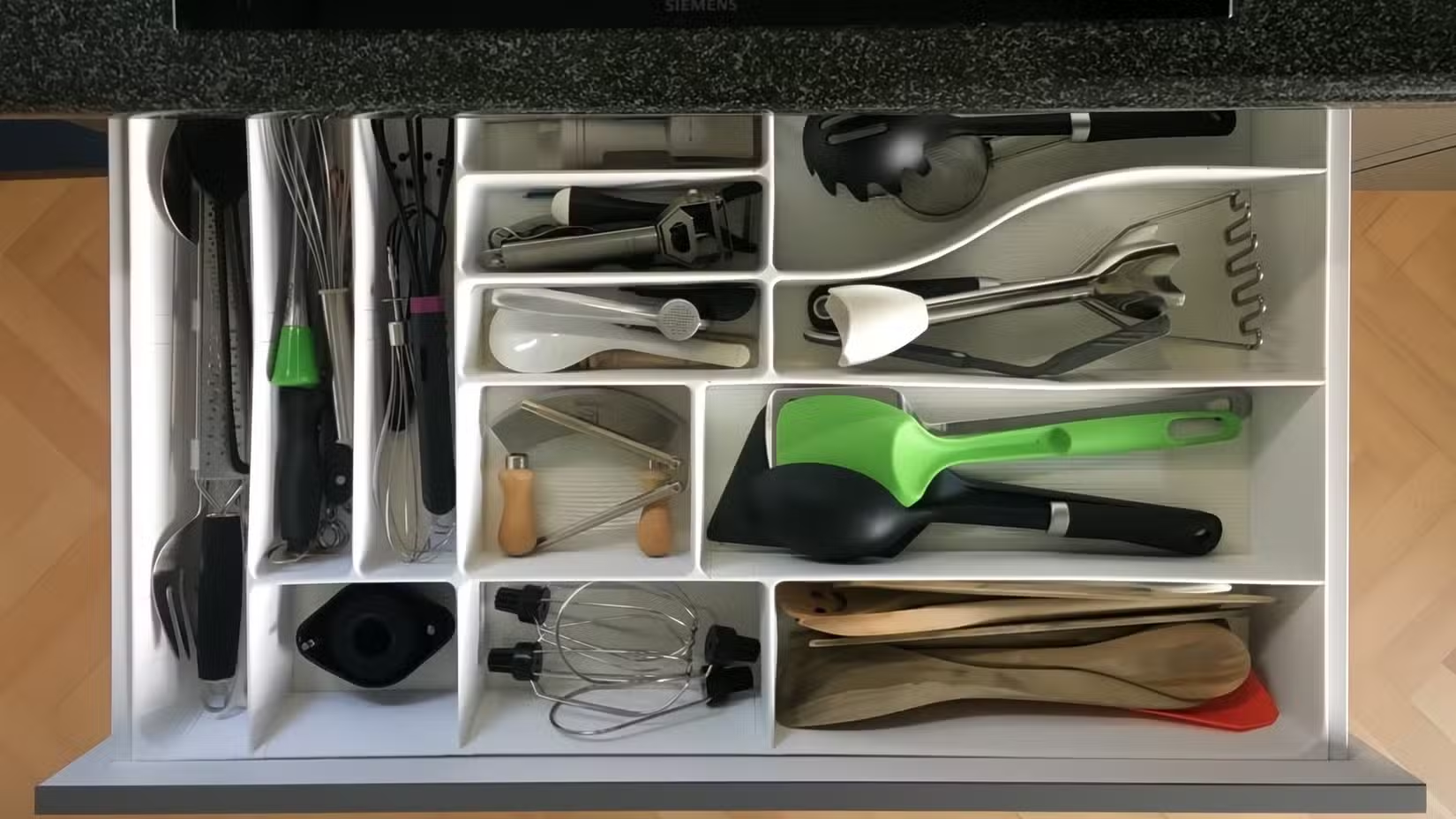
Store-bought drawer organizers never quite fit. They're designed for average dimensions, not your specific drawers. You end up with gaps, wasted space, or organizers that slide around every time you open the drawer.
A measured print fits exactly. You can design compartments sized for the specific items you store: cables, tools, kitchen utensils, office supplies. The result is a custom organization system that costs a few dollars in filament instead of $30 for a mediocre commercial alternative.
4. Phone and Tablet Stands
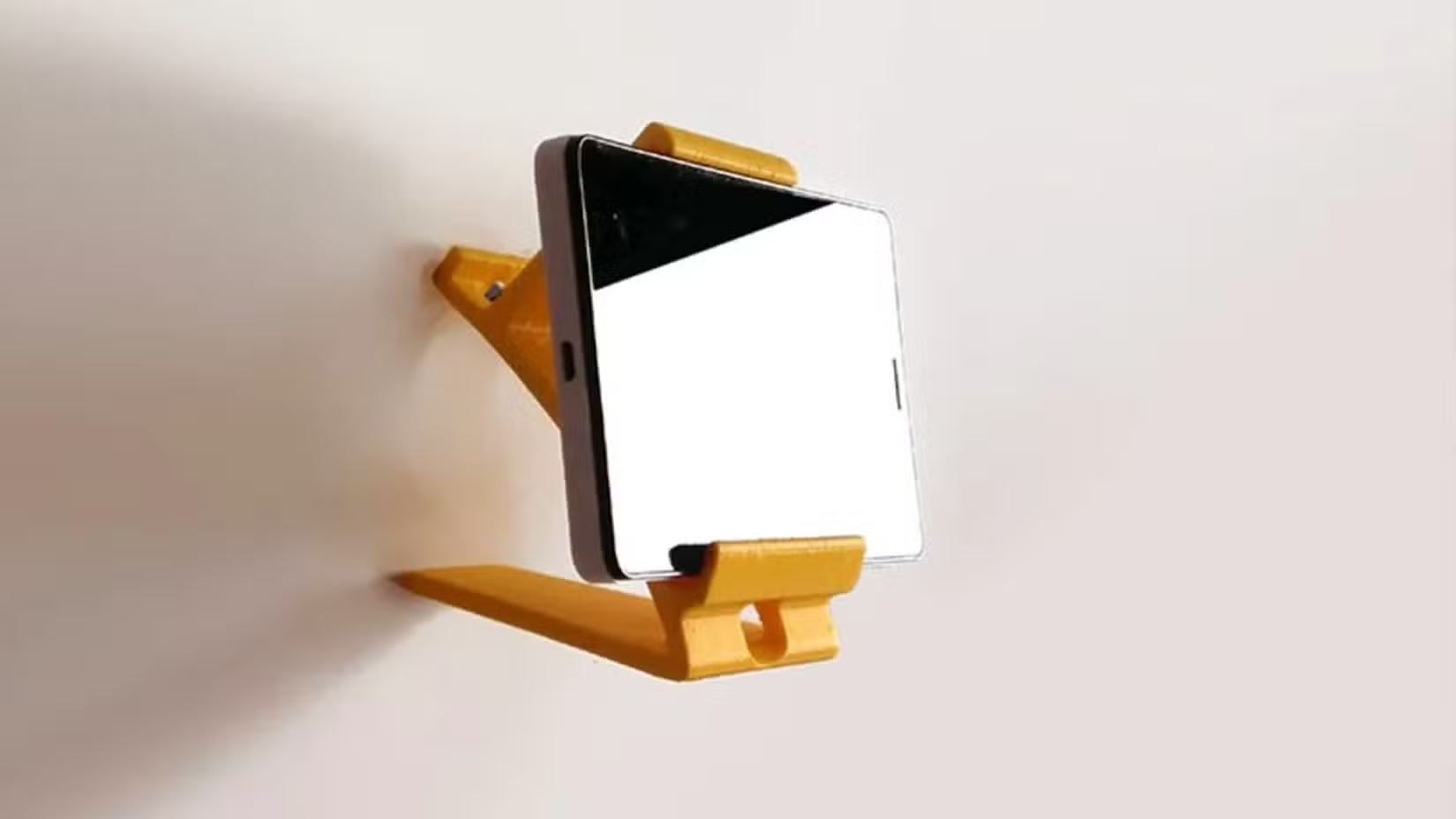
Commercial phone stands come in two varieties: cheap plastic that breaks, or overpriced metal that doesn't fit your use case. A kitchen recipe stand needs a specific angle and splash resistance. A bedside charger needs a specific height and orientation.
Printing your own means designing for your exact device and your exact location. Wall-mounted stands keep surfaces clear. Angled desk stands optimize viewing angles. Charging stands integrate cable routing. The functional customization is impossible to buy off the shelf.
5. Cable Ties and Management
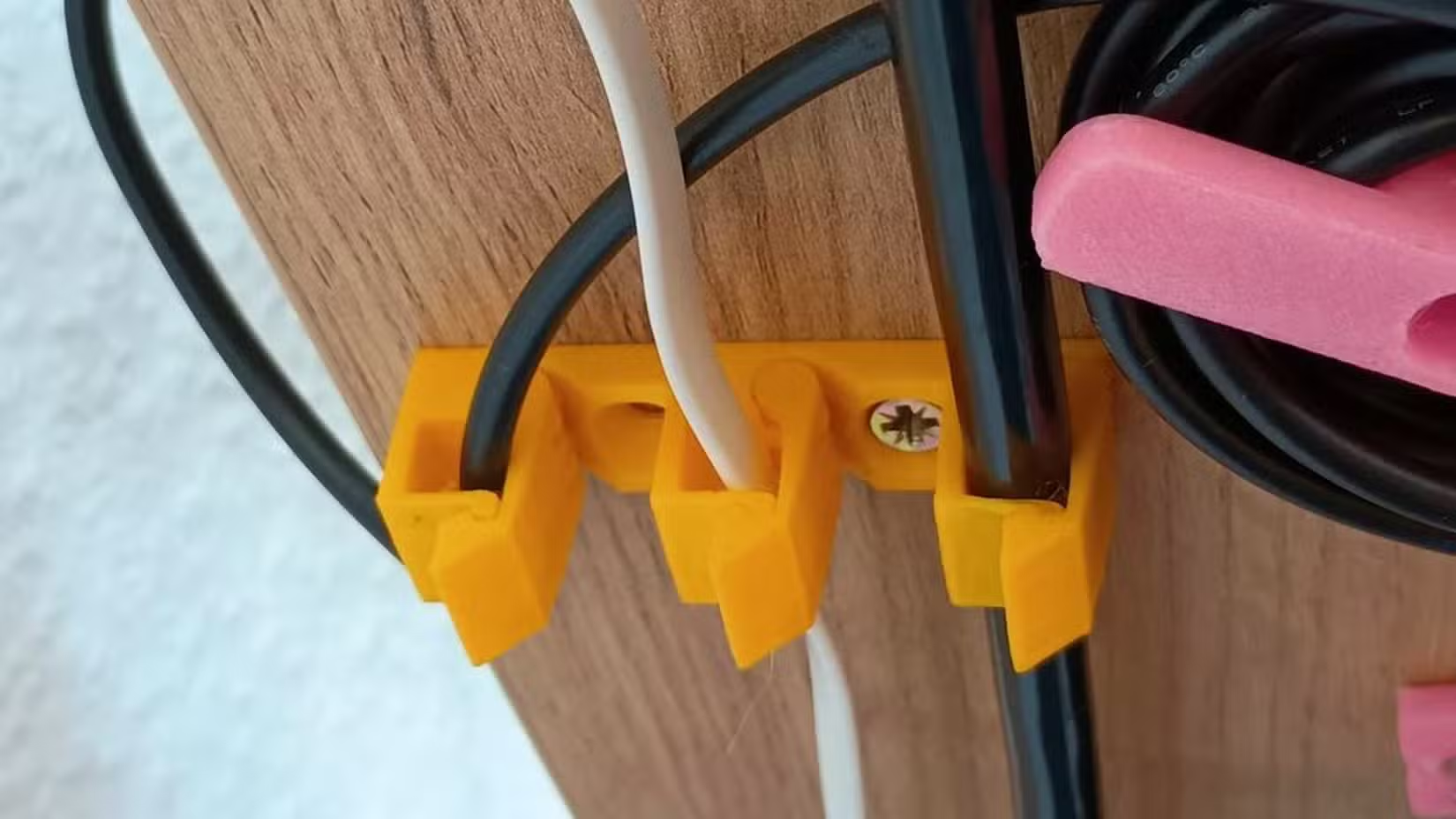
Velcro cable ties work but wear out. Zip ties work but aren't reusable. Branded cable management systems cost far more than the problem justifies.
Printed cable ties from flexible filament like TPU can be designed for reuse. You can print clips sized for specific cable bundles, holders that mount to specific surfaces, and guides that route cables along specific paths. For complex cable runs behind desks or entertainment centers, custom-printed management beats any commercial kit.
Materials Matter
Not all filaments work for all applications. PLA is the easiest to print but has low heat resistance. It works for drawer organizers and cable management but fails near stoves or in hot cars.
- PLA: Easy to print, low cost, not heat resistant. Good for organizers and stands.
- PETG: Slightly harder to print, good heat and humidity resistance. Works for appliance knobs and bathroom items.
- ASA: Similar to ABS but UV resistant. Good for outdoor mounts.
- TPU: Flexible filament for cable ties and grips.
Choosing the right material for each application ensures the printed part lasts as long as the commercial alternative it replaces.
The ROI Calculation
A capable consumer 3D printer costs $300 to $600. A kilogram of filament costs $20 to $40 depending on material. Each of the prints described above uses maybe $1 to $5 in filament.
Replace four $70 appliance knobs and you've covered the printer cost. Add a few custom mounts and organizers and the machine pays for itself within the first year. Every print after that is pure savings.
Logicity's Take
Another practical guide to solving everyday tech frustrations
Frequently Asked Questions
How much does it cost to 3D print a replacement part?
Most small functional parts use $1 to $5 worth of filament. Compare that to manufacturer replacement prices of $50 to $100 or more for simple plastic components.
What 3D printer material is safe to use near a stove?
PETG and ASA have good heat resistance and work well for appliance knobs and items exposed to heat. Standard PLA can deform at temperatures above 50-60°C.
Where can I find 3D printable replacement part designs?
Thingiverse, Printables, and other 3D model repositories have thousands of functional replacement parts. Many include modular designs with interchangeable inserts for different brands.
How long does it take to 3D print a replacement knob?
A typical appliance knob prints in 1-3 hours depending on size and quality settings. Design time varies from minutes (using existing models) to hours (custom CAD design).
Do 3D printed parts last as long as original parts?
With the right material choice, yes. PETG and ASA parts can last years under normal use. The key is matching the filament to the application's heat, humidity, and stress requirements.
Need Help Implementing This?
Source: How-To Geek
Manaal Khan
Tech & Innovation Writer
Produced with AI assistance and reviewed by the Logicity editorial team. Learn more in our Editorial Policy.