Key Takeaways
- Warehouse lets you manage all Flatpaks in one place and delete leftover data that persists after uninstalls
- Gear Lever solves AppImage's biggest problem: they don't appear in your app launcher or auto-update
- Pairing Warehouse with Flatseal gives you complete control over Flatpak permissions and management
The Flatpak Discovery Problem
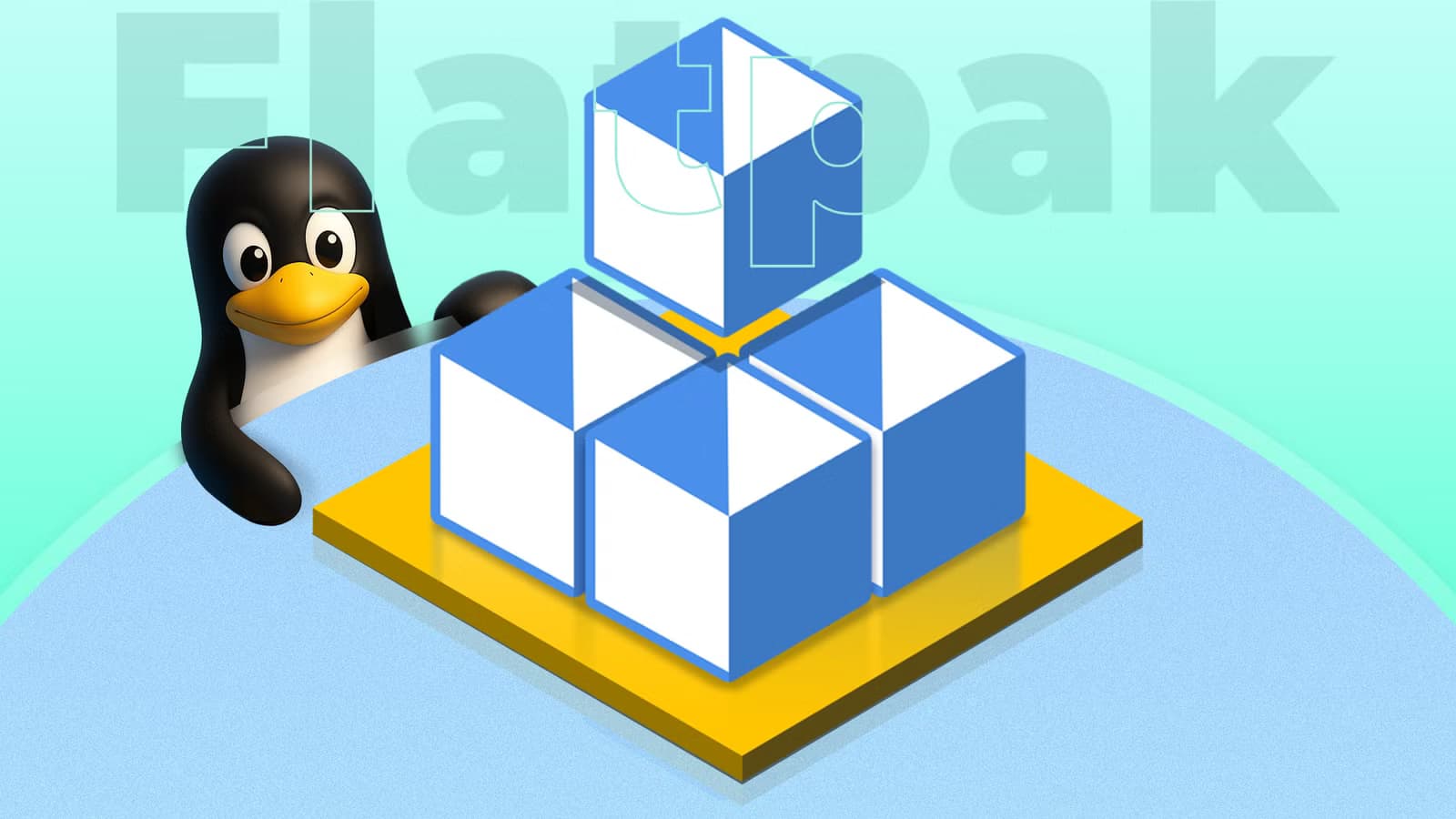
Flatpak has become the go-to universal packaging format for Linux apps. It works across distributions, handles dependencies cleanly, and keeps apps sandboxed from your system. The problem? Finding useful Flatpaks means sorting through a lot of mediocre options first.
How-To Geek's Dibakar Ghosh did the sorting work and identified five Flatpaks that solve real problems Linux users face daily. Two of them stood out as must-haves for anyone managing multiple apps on their system.
Warehouse: Your Flatpak Control Center
Warehouse is a Flatpak that manages all your other Flatpaks. It provides a graphical interface to view installed apps, manage remotes, pin specific versions to prevent auto-updates, and run batch operations across multiple apps at once.
The killer feature? Cleaning up leftover data. When you uninstall a Flatpak, the app data and runtime files typically stick around. You might expect a clean slate when you reinstall, but you'll find your old settings and data waiting. Warehouse lets you delete everything associated with an app, ensuring fresh installs actually start fresh. The side benefit: it frees up storage space.
For complete Flatpak control, pair Warehouse with Flatseal. Flatseal is a permission manager that lets you control what each app can access on your system. Together, they give you full visibility and control over your Flatpak environment.
Gear Lever: Making AppImages Usable
AppImages sound great in theory. They're portable, self-contained applications delivered as a single executable file. You can run them on most distributions without installation, root permissions, or package management. They're genuinely useful for trying software without commitment.
The reality is less magical. Because you don't install AppImages, they don't show up in your app launcher. They don't update automatically like Flatpaks or repository apps. You have to track updates manually and remember where you stored each file.
Gear Lever fixes this. It integrates AppImages into your system properly, adding them to your launcher and handling the organizational work that AppImages skip by design.
Why These Tools Matter
Linux's packaging situation has improved dramatically with Flatpak, but rough edges remain. App permissions are opaque by default. Uninstalls leave cruft behind. AppImages exist outside normal system management entirely. These tools smooth over the gaps that package format designers left.
For developers and IT teams running Linux workstations, Warehouse's version pinning is particularly useful. You can lock specific app versions while letting others update normally. That's valuable when a production tool needs to stay stable while your general apps get security patches.
Logicity's Take
Getting Started
All five apps are available through Flathub, the main Flatpak repository. If your distribution supports Flatpak (most modern ones do), you can install them with a single command or through your software center.
- Warehouse: Flatpak management, leftover cleanup, version pinning
- Gear Lever: AppImage integration and launcher support
- Flatseal: Fine-grained permission control for sandboxed apps
Another open source tool that makes a traditionally tedious task more accessible
Frequently Asked Questions
Does Warehouse work with all Linux distributions?
Warehouse works on any distribution that supports Flatpak, which includes Ubuntu, Fedora, Linux Mint, Pop!_OS, and most modern distros.
Can I use Flatpak apps alongside traditional package managers?
Yes. Flatpaks run in their own sandboxed environment and coexist with apps installed via apt, dnf, pacman, or other native package managers.
Why do AppImages need a separate tool like Gear Lever?
AppImages are intentionally portable and don't integrate with your system. Gear Lever adds the integration they skip, such as launcher entries and update management.
Is Flatseal necessary for security?
Flatpaks are sandboxed by default with reasonable permissions. Flatseal lets you tighten or expand those permissions if you want more control over what apps can access.
Need Help Implementing This?
Source: How-To Geek
Huma Shazia
Senior AI & Tech Writer
Produced with AI assistance and reviewed by the Logicity editorial team. Learn more in our Editorial Policy.