Key Takeaways
- The Boys offers a dark, satirical take on corporate superhero culture with five seasons on Prime Video
- My Hero Academia provides a lighter anime alternative with eight seasons of heroic storytelling
- Independent superhero content often explores themes Marvel and DC can't touch
Why Look Beyond the Big Two?
Marvel and DC have dominated superhero storytelling for decades. Between Disney+ shows, HBO Max series, and theatrical releases, the two publishers flood streaming platforms with familiar faces. Spider-Man, Batman, Superman, and the Avengers rotate through our screens in endless variations.
But superhero fatigue is real. And some of the genre's most creative work happens outside corporate continuity. Independent productions can take bigger risks, explore darker themes, and subvert expectations without worrying about protecting a billion-dollar brand.
Here are five superhero shows that prove you don't need Marvel or DC to tell compelling stories about people with powers.
The Boys: Corporate Superheroes as the Villain
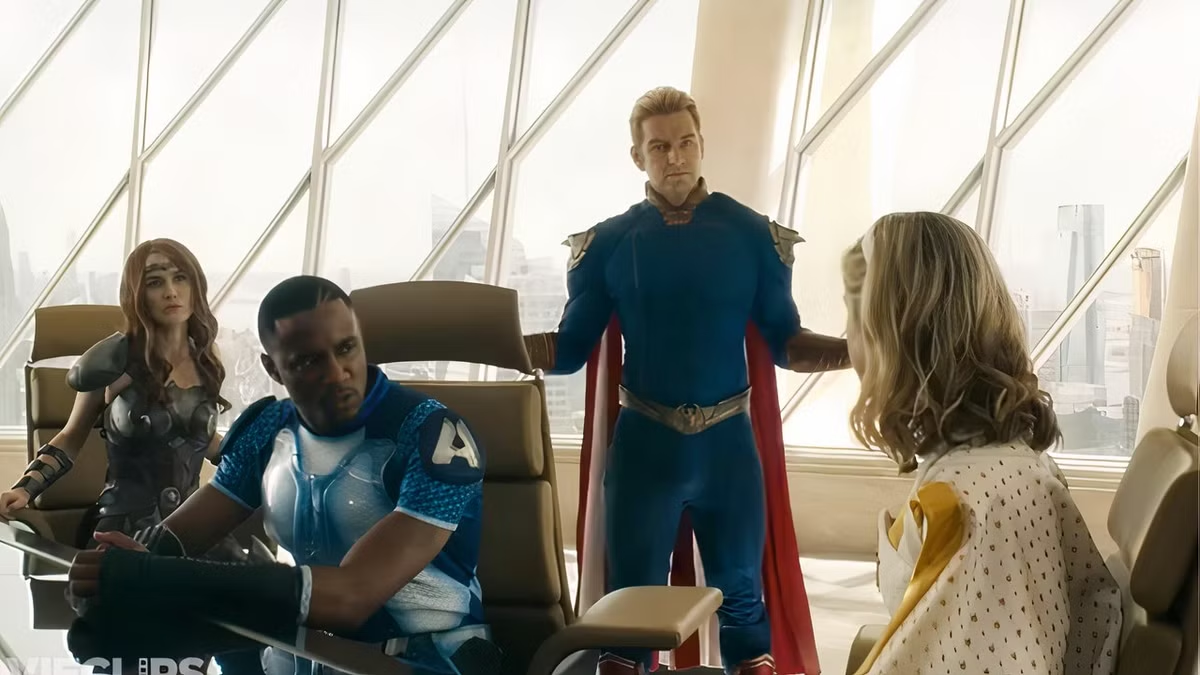
Amazon's The Boys stands as the most successful non-Marvel/DC superhero property in streaming. Based on Garth Ennis's comic series, the show follows a group of vigilantes trying to expose the Vought Corporation, a company that employs superheroes, known as "supes," who are far from heroic.
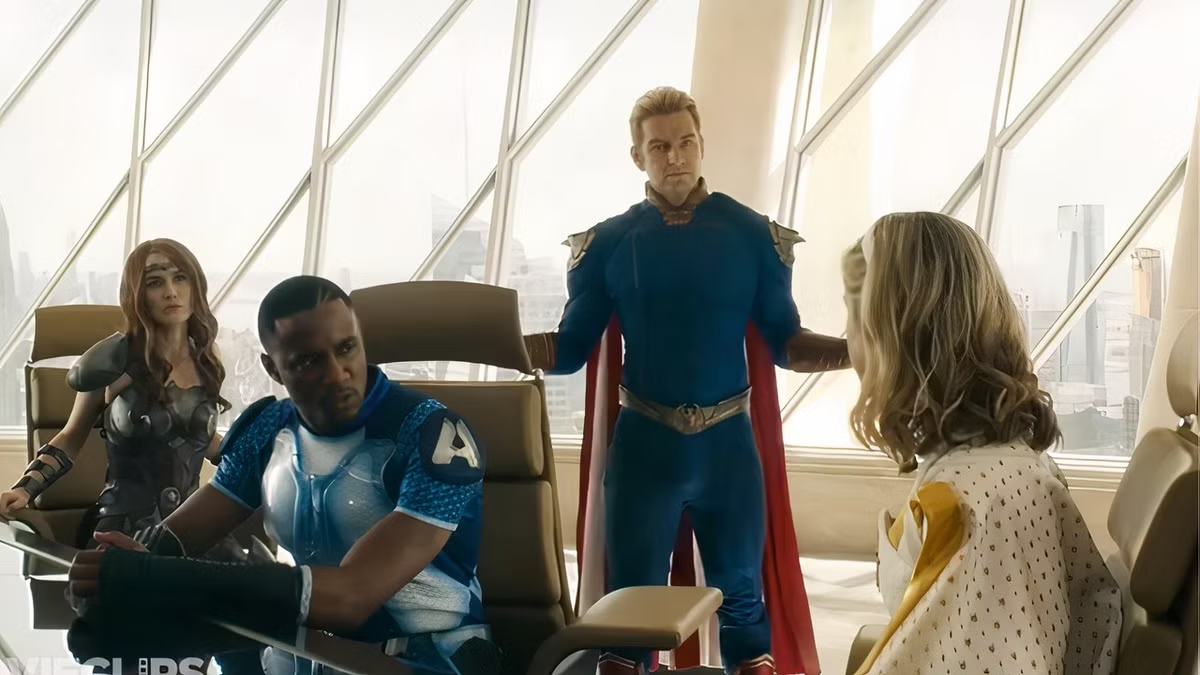
The premise inverts superhero conventions. The powered individuals aren't noble protectors. They're products. Brands. Corporate assets managed for maximum profit and minimum accountability. The show uses this setup to satirize celebrity culture, media manipulation, and unchecked institutional power.
Fair warning: The Boys earns its TV-MA rating. Blood, gore, and disturbing imagery appear frequently. Antony Starr's performance as Homelander, the show's twisted Superman analog, delivers some of television's most unsettling villain work. Karl Urban leads the titular team with gruff determination.
With five seasons, the show avoids the binge-release model. Episodes drop weekly, creating space for community discussion and speculation. The Boys is available exclusively on Amazon Prime Video.
My Hero Academia: Superhero School Done Right
If The Boys represents superhero fiction at its darkest, My Hero Academia occupies the opposite end. This anime series imagines a world where 80% of the population has some kind of superpower, called "Quirks." The story follows Izuku Midoriya, a powerless boy who dreams of becoming a hero.
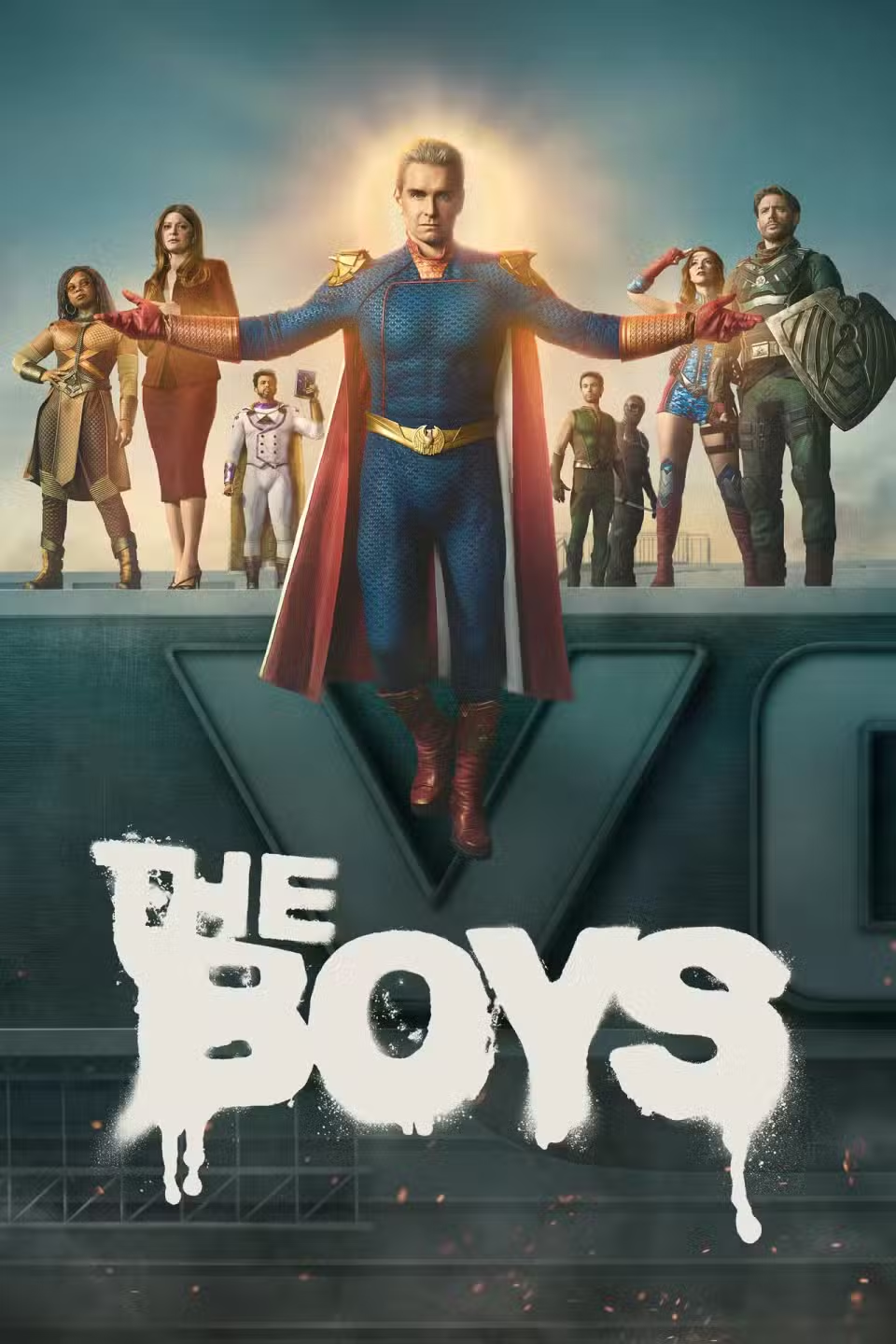
The show combines shonen anime traditions with Western superhero tropes. Students attend hero academies, earn licenses, and work toward professional hero careers. The concept allows for tournament arcs, training sequences, and coming-of-age drama alongside traditional superhero action.
Eight seasons make My Hero Academia one of the longer-running superhero shows available. The series streams on Crunchyroll and other anime platforms. Its lighter tone makes it accessible to viewers who find The Boys too intense.
Invincible: Animated Violence with Emotional Weight
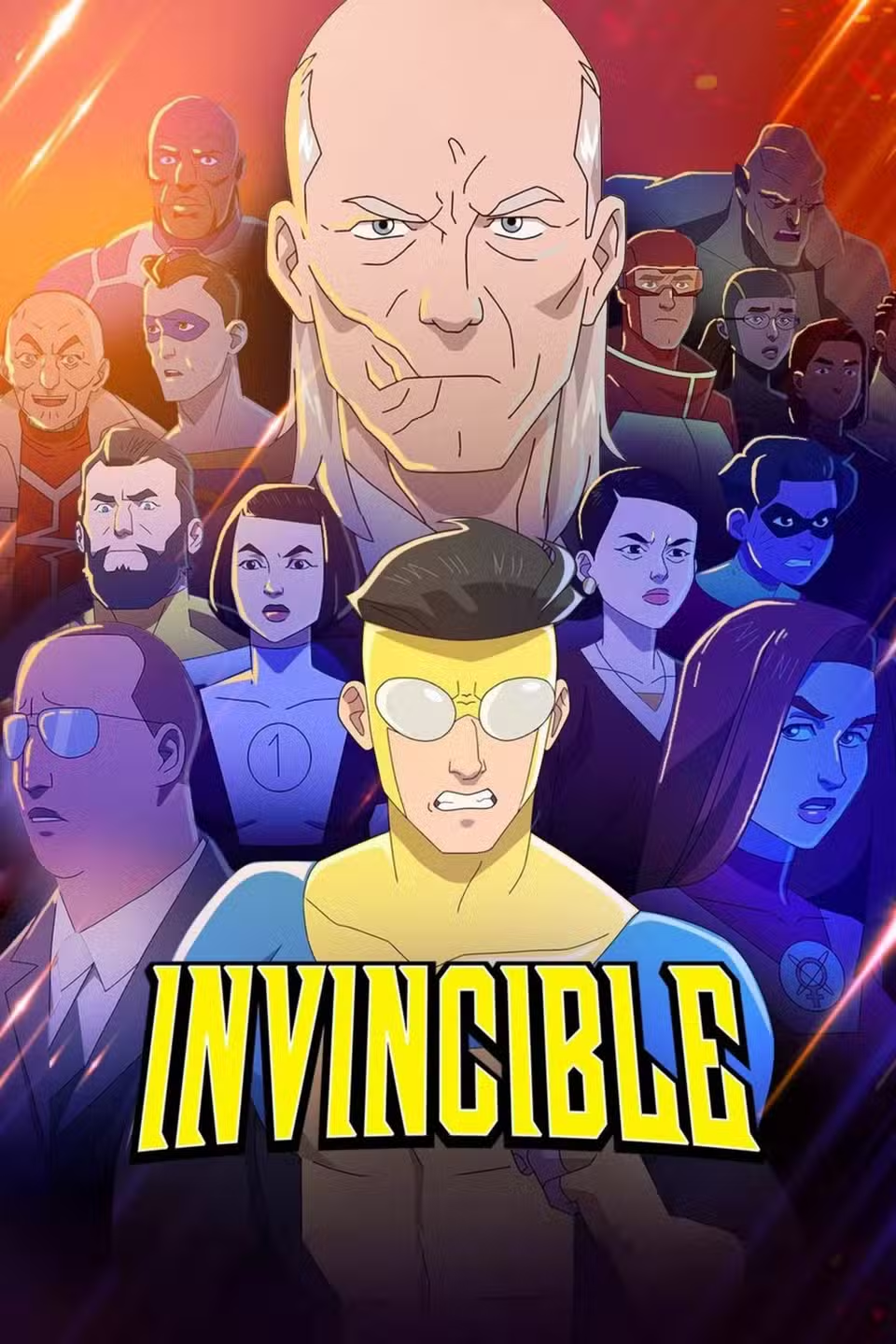
Robert Kirkman created The Walking Dead. His other major comic series, Invincible, received an animated adaptation on Amazon Prime Video that proves superhero animation isn't just for kids.
The show follows Mark Grayson, a teenager whose father is Omni-Man, the world's most powerful superhero. When Mark develops powers of his own, he begins training to follow in his father's footsteps. But the first season's twist reframes everything the audience thought they understood.
Invincible doesn't pull punches. The animation depicts graphic violence that would be difficult to achieve in live action. Fights have consequences. Characters get hurt, traumatized, and killed. The emotional stakes match the physical ones.
What These Shows Share
The best non-Marvel/DC superhero content tends to ask questions the corporate giants avoid. What happens when heroes are accountable to no one? What does superhero violence actually look like? How would ordinary people relate to beings with godlike power?
These shows also benefit from tighter storytelling. Without needing to set up crossovers, maintain continuity across dozens of properties, or protect characters for future films, independent productions can commit to consequences. Characters can change. Stories can end.
- The Boys subverts superhero worship through corporate satire
- My Hero Academia embraces superhero optimism through anime traditions
- Invincible explores the human cost of superhuman violence
- All three show how independence enables creative risk-taking
Where to Stream
The Boys and Invincible both require Amazon Prime Video subscriptions. My Hero Academia streams on Crunchyroll and various anime platforms. All three shows have multiple seasons available, offering substantial viewing time for anyone looking to step outside the Marvel/DC ecosystem.
Logicity's Take
Frequently Asked Questions
What is the best superhero show that isn't Marvel or DC?
The Boys on Amazon Prime Video is widely considered the best non-Marvel/DC superhero show, offering five seasons of dark satire about corporate-controlled superheroes.
Is The Boys appropriate for kids?
No. The Boys carries a TV-MA rating and contains graphic violence, gore, adult themes, and disturbing imagery throughout.
Where can I watch My Hero Academia?
My Hero Academia streams on Crunchyroll and other anime platforms. Eight seasons are currently available.
Is Invincible connected to The Walking Dead?
Both are created by Robert Kirkman, but they're separate properties with no story connection. Invincible is based on Kirkman's superhero comic series.
Do I need to read the comics before watching these shows?
No. The Boys, My Hero Academia, and Invincible all work as standalone adaptations that don't require prior comic knowledge.
Repurpose hardware you already own for better streaming setups
Need Help Implementing This?
Source: How-To Geek
Manaal Khan
Tech & Innovation Writer
Produced with AI assistance and reviewed by the Logicity editorial team. Learn more in our Editorial Policy.