Key Takeaways
- The 2026 Lexus LC retains 70.7% of its value after five years, outpacing the Toyota Corolla
- Enthusiast-focused manual transmission cars are becoming rarer, driving up resale demand
- Reliability and brand reputation matter, but emotional appeal is increasingly valuable in the used market
The Depreciation Problem Sports Cars Usually Face
Buying a sports car typically means accepting a painful tradeoff. Performance vehicles lose value quickly. Newer, faster models arrive every few years. Your weekend toy becomes yesterday's news. Meanwhile, sensible choices like the Toyota Corolla sit at the top of resale value charts, making enthusiast buyers feel a little foolish about their purchase decisions.
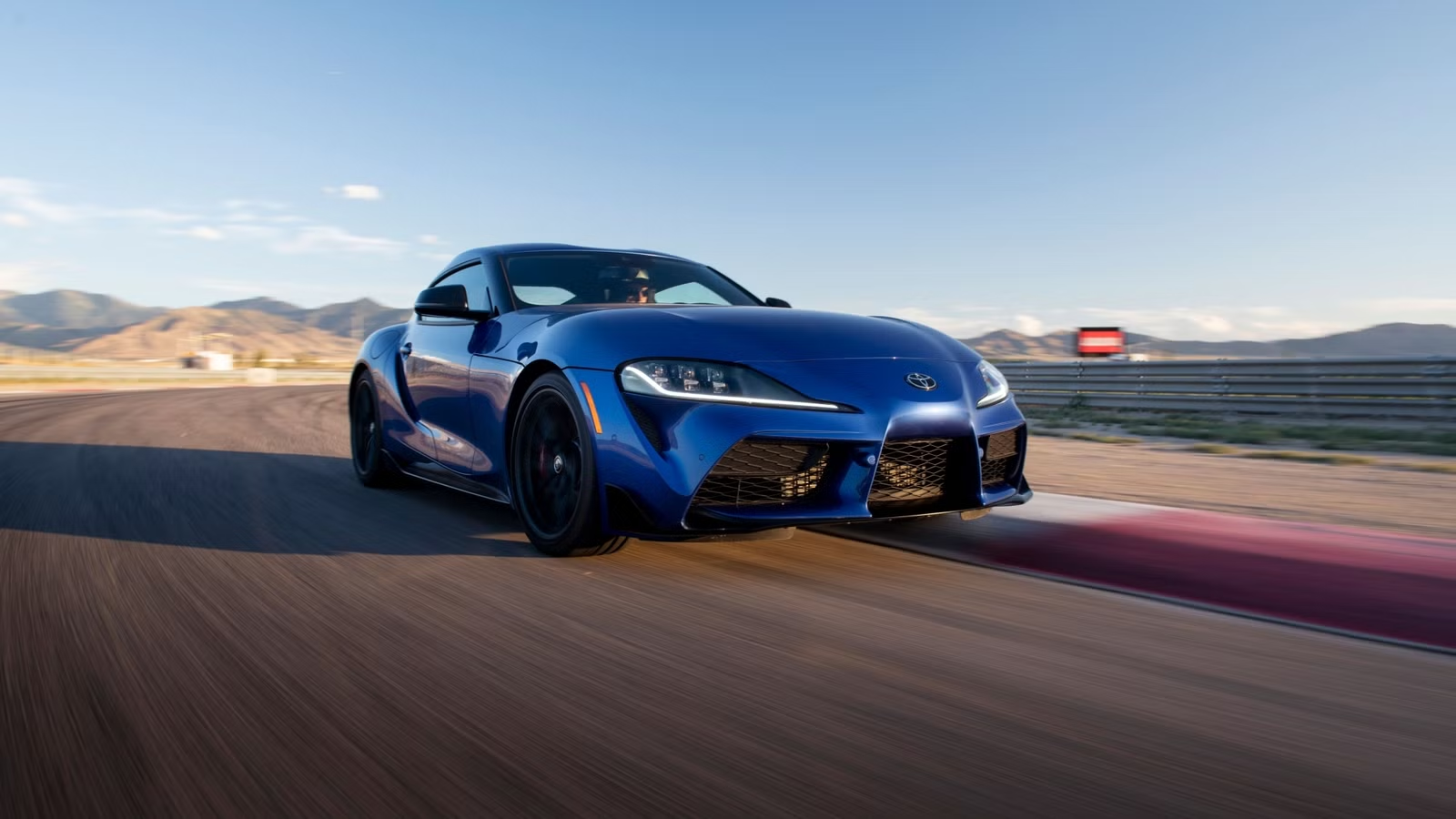
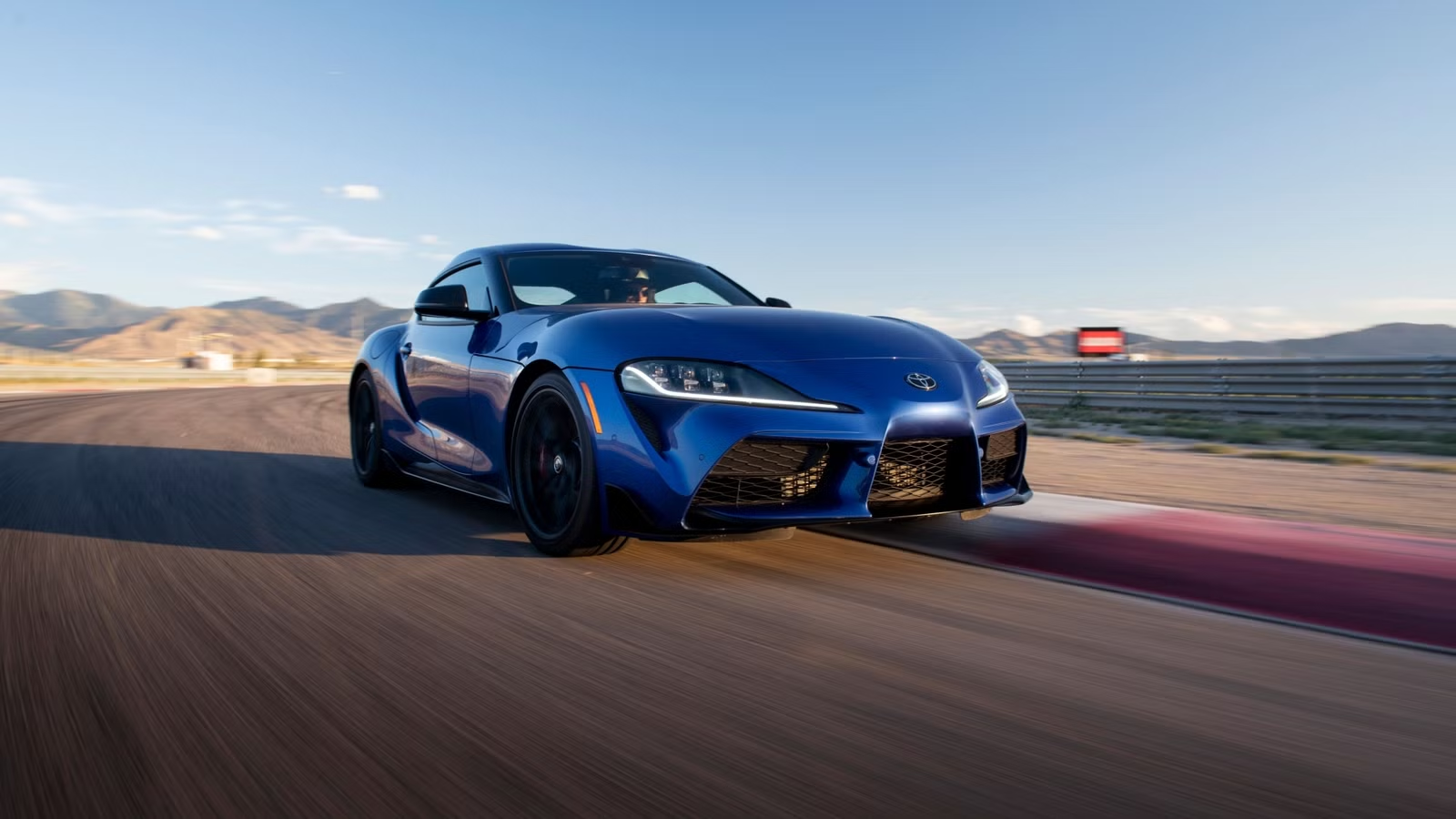
But that conventional wisdom has some notable exceptions. A handful of sports cars now retain value as well as, or better than, the Corolla. According to data compiled by How-To Geek using CarEdge residual value estimates, five performance cars beat the practical sedan benchmark after five years of ownership.
Why Some Sports Cars Beat the Corolla
The reasons behind strong sports car resale values split into two categories. The first is predictable: reliability and brand reputation. Toyota and Lexus dominate this space because buyers trust their cars won't strand them. The second reason is more interesting. As sports cars disappear from manufacturer lineups and electrification takes over, simple, driver-focused machines are becoming rare. The used market is responding by holding prices firm on cars that feel special.
This scarcity effect matters more each year. Manual transmissions are vanishing. Naturally aspirated engines are endangered. Lightweight, affordable coupes are being replaced by crossovers. Buyers who want an engaging driving experience increasingly compete for a shrinking pool of options.
The Lexus LC: 70.7% Residual Value After 5 Years
The 2026 Lexus LC tops the list with an estimated 70.7% residual value after five years. That number beats the Toyota Corolla, which itself sets the benchmark for affordable cars that hold their worth.
The LC took criticism early in its life cycle for not matching the legendary LFA supercar. That comparison was never fair. The LC offers something different: a grand touring experience with striking design, a satisfying transmission, and a V8 that sounds genuinely special. These qualities age well. As newer cars chase efficiency over emotion, the LC's character becomes more valuable, not less.
What Makes a Sports Car Hold Value
The models ranking highest share common traits. They come from manufacturers with strong reliability records. They offer something emotionally engaging that buyers can't easily find elsewhere. And they exist in a market segment that's shrinking rather than growing.
- Brand trust: Toyota and Lexus ownership costs stay predictable over time
- Scarcity: Manual transmissions and naturally aspirated engines are disappearing
- Emotional value: Cars that feel special command premiums as alternatives vanish
- Enthusiast demand: A dedicated buyer base competes for limited used inventory
The Business Case for Sports Cars
For buyers weighing financial decisions, these numbers change the calculus. A sports car with 70% residual value after five years costs less to own than one that retains 50%. The purchase price matters less than the gap between what you pay and what you sell for.
This makes certain sports cars surprisingly practical choices for executives who want something engaging but don't want to watch money evaporate. A Lexus LC that holds 70.7% of its value loses less money over five years than many premium sedans that depreciate 45% or more.
Logicity's Take
The sports car market is bifurcating. Mass-market performance cars still depreciate rapidly, but models with genuine character and reliability are holding firm. If you're considering a sports car purchase, the five-year residual value matters more than the sticker price. The cars people actually want to drive are becoming the cars people actually want to buy used.
What This Means for Car Buyers
The data suggests a shift in how enthusiasts should think about purchases. The old advice was to buy practical cars new and sports cars used, letting someone else absorb depreciation. But when certain sports cars depreciate slower than economy sedans, that calculation breaks.
Buyers considering a new sports car should check residual value estimates before assuming they'll lose money. Some performance cars are now among the smartest financial choices in the showroom.
Frequently Asked Questions
Which sports car holds its value the best?
According to CarEdge data, the 2026 Lexus LC retains 70.7% of its value after five years, making it one of the strongest performers in the sports car segment.
Do sports cars depreciate faster than regular cars?
Most sports cars depreciate faster than practical vehicles, but some exceptions now match or beat economy cars like the Toyota Corolla in residual value.
Why are some sports cars holding value better now?
Scarcity plays a major role. Manual transmissions, naturally aspirated engines, and lightweight coupes are disappearing, making remaining examples more desirable.
Is buying a sports car a good financial decision?
It depends on the model. Sports cars with strong residual values can cost less to own over five years than vehicles with higher depreciation, even if the purchase price is higher.
Need Help Implementing This?
Whether you're building a company car policy or evaluating vehicle purchases for your fleet, understanding residual values can save significant money. Reach out to Logicity for insights on making smarter automotive decisions for your business.
Source: How-To Geek
Manaal Khan
Tech & Innovation Writer
Produced with AI assistance and reviewed by the Logicity editorial team. Learn more in our Editorial Policy.