Key Takeaways
- Larger battery banks use more batteries, not denser ones, making them heavier and thicker
- Small batteries can be held with your phone in one hand, keeping you mobile while charging
- Lower per-unit cost lets you place batteries in multiple locations for consistent access
When you're shopping for a portable battery, the instinct is to go big. More capacity means more charges, right? But there's a strong argument for going smaller instead.
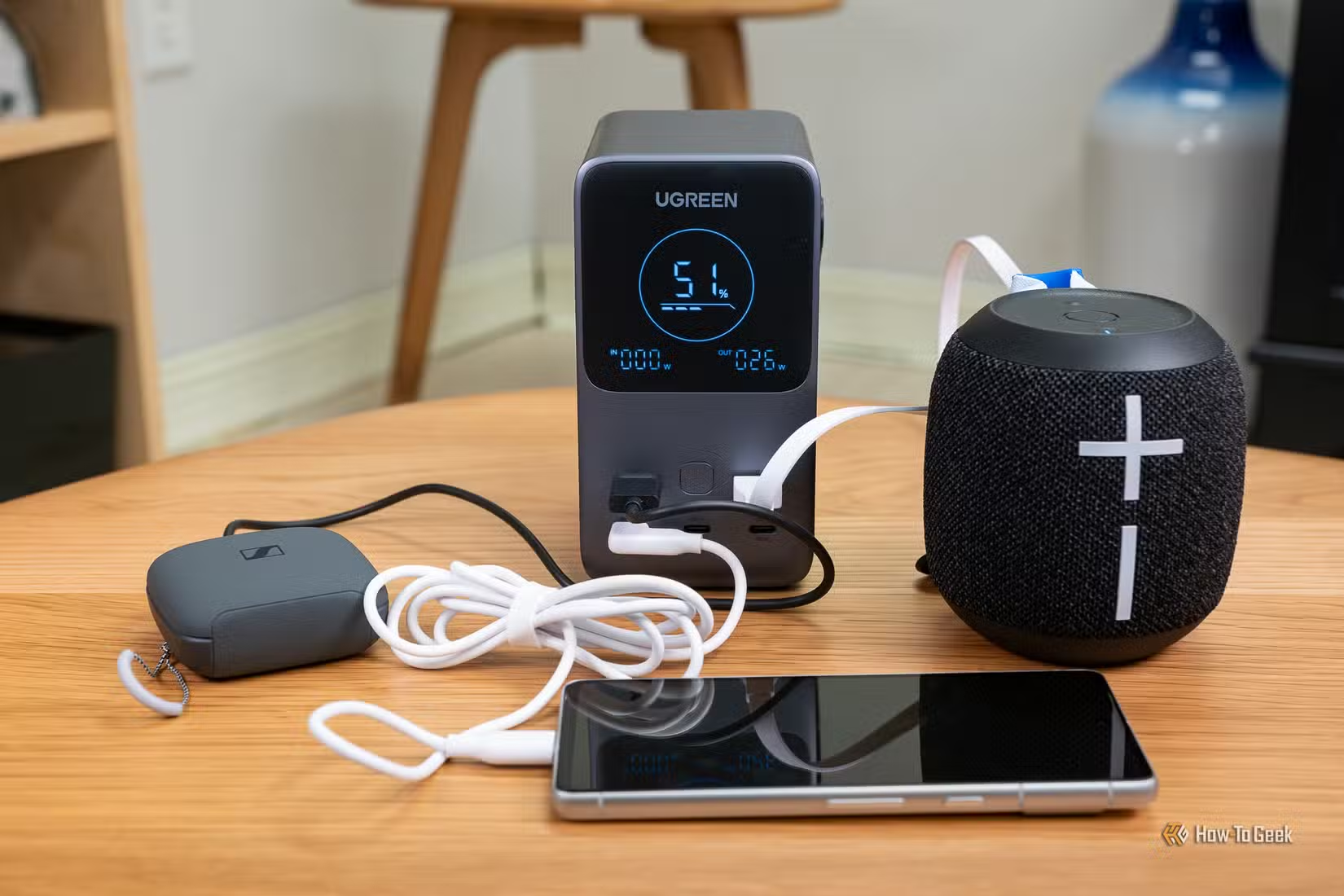
Tech writer Bertel King at How-To Geek makes the case that smaller battery banks are the smarter buy for most people. He owns large batteries capable of powering his house, yet he's surrounded them with smaller units. Here's why that makes sense.
Big Batteries Aren't Actually Portable
The word "portable" is doing a lot of work in product names. A battery bank with twice the capacity isn't the same size with more energy crammed inside. That's not how battery technology works.
Larger battery banks use more individual battery cells. That's why they're called battery banks. More cells mean more weight and thickness. A battery that's twice as heavy takes up more space in your bag, feels like a burden to carry, and probably won't fit in a pants pocket anymore.
You Can Actually Use Your Phone While Charging
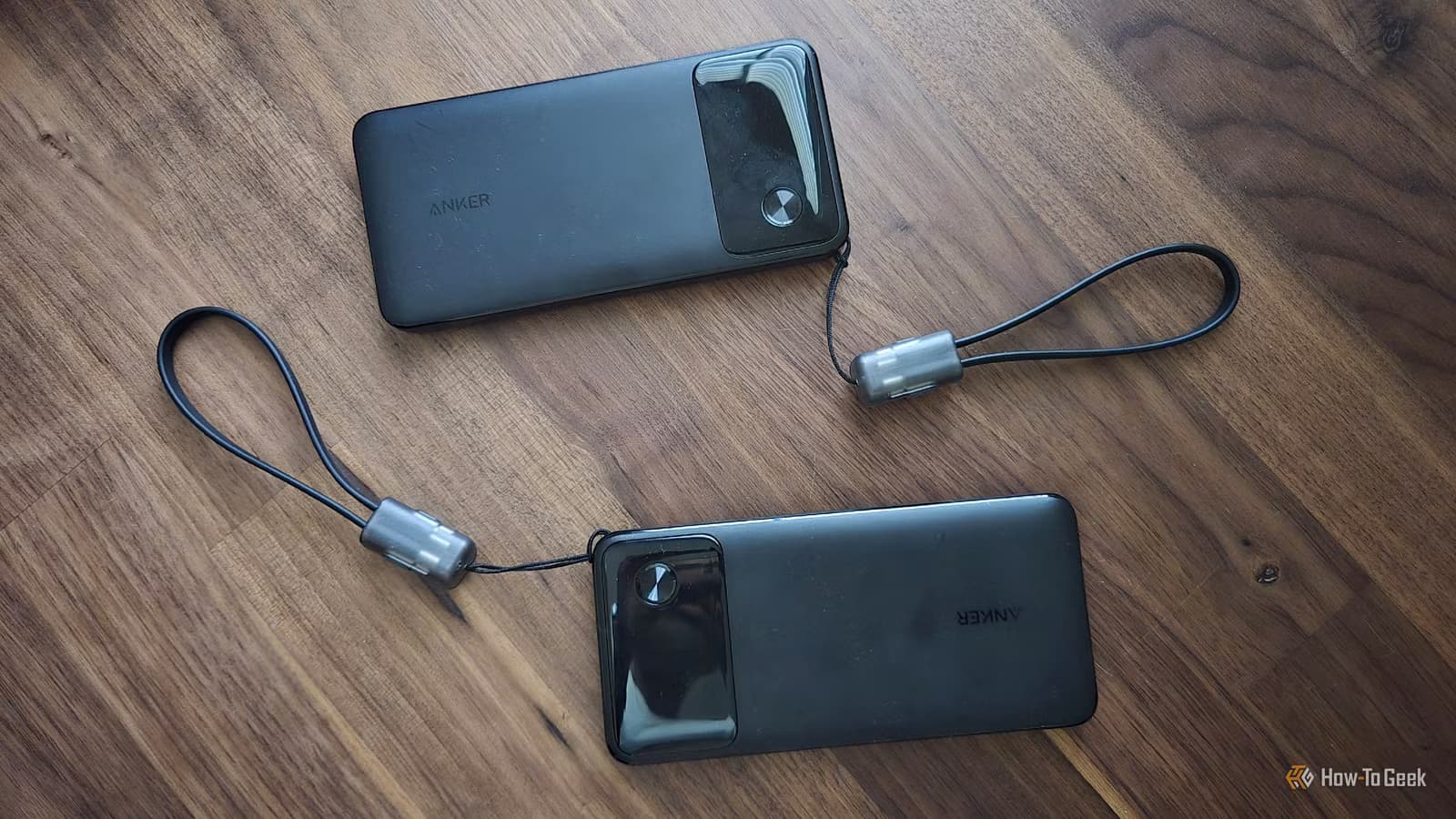
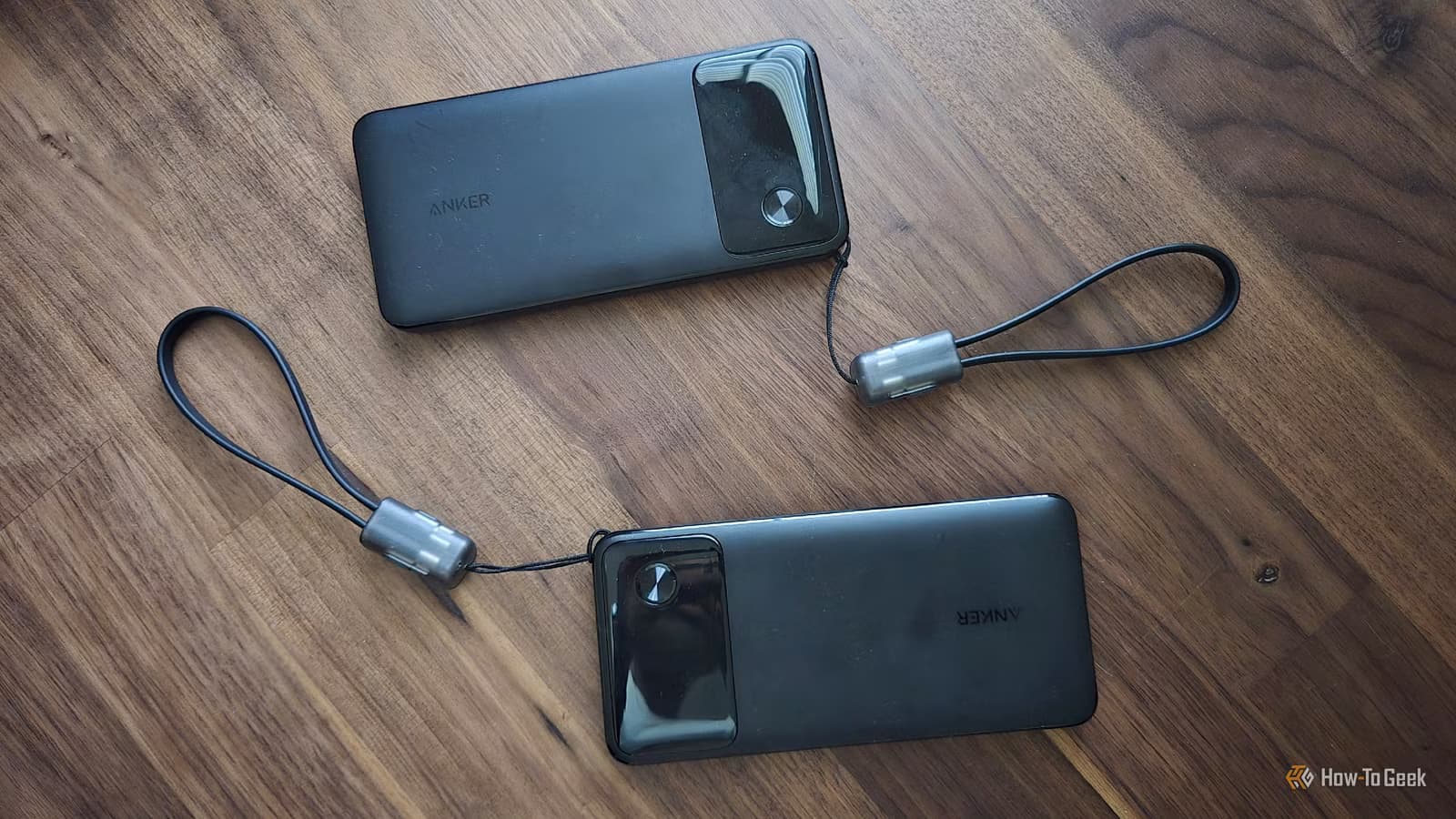
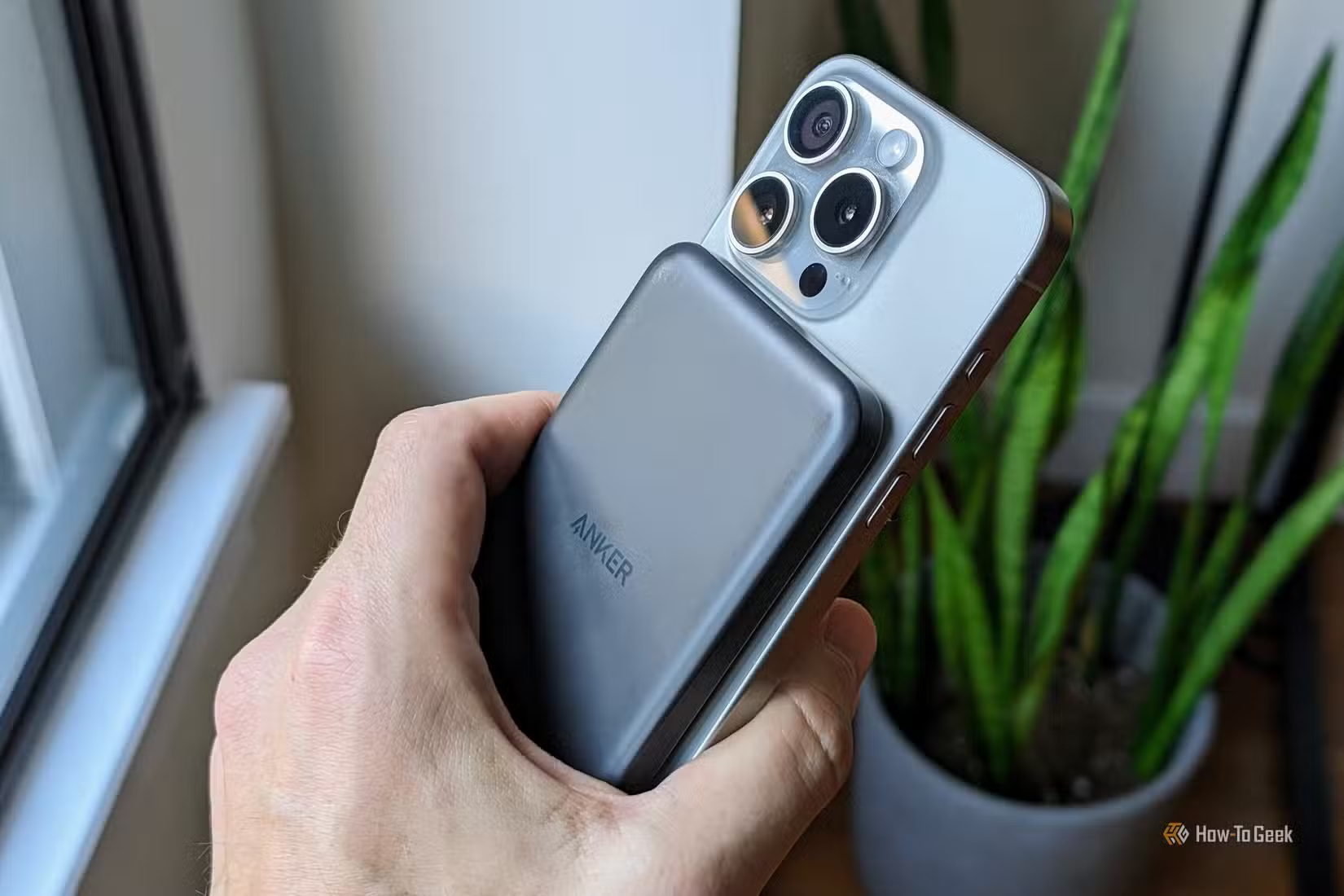
Many smaller battery banks are roughly the size of smartphones. They're thin and light enough that you can hold both your phone and the battery in one hand. Sandwich them together with the back of your phone pressed against the battery, and you're still mobile.
You won't want to carry your phone like this all day. But it's manageable if you need to finish a long video with a friend or navigate somewhere while your phone tops up. With a large battery, you're anchored to a table.
MagSafe and Plug-In Designs Go Further
Some batteries are designed specifically for one-handed use. Anker's MagGo batteries use magnets to latch onto the back of iPhones. They stay put without cables dangling around.
Anker also makes a Nano line of small batteries that plug directly into your phone's charging port. No cable needed. The battery stays attached almost like a phone case extension. The goal is portable power you can use without putting your phone down.
Smaller Batteries Cost Less, So Buy More
Battery pricing tends to scale with capacity. You're paying a consistent amount per unit of storage. That means smaller batteries cost less per unit.
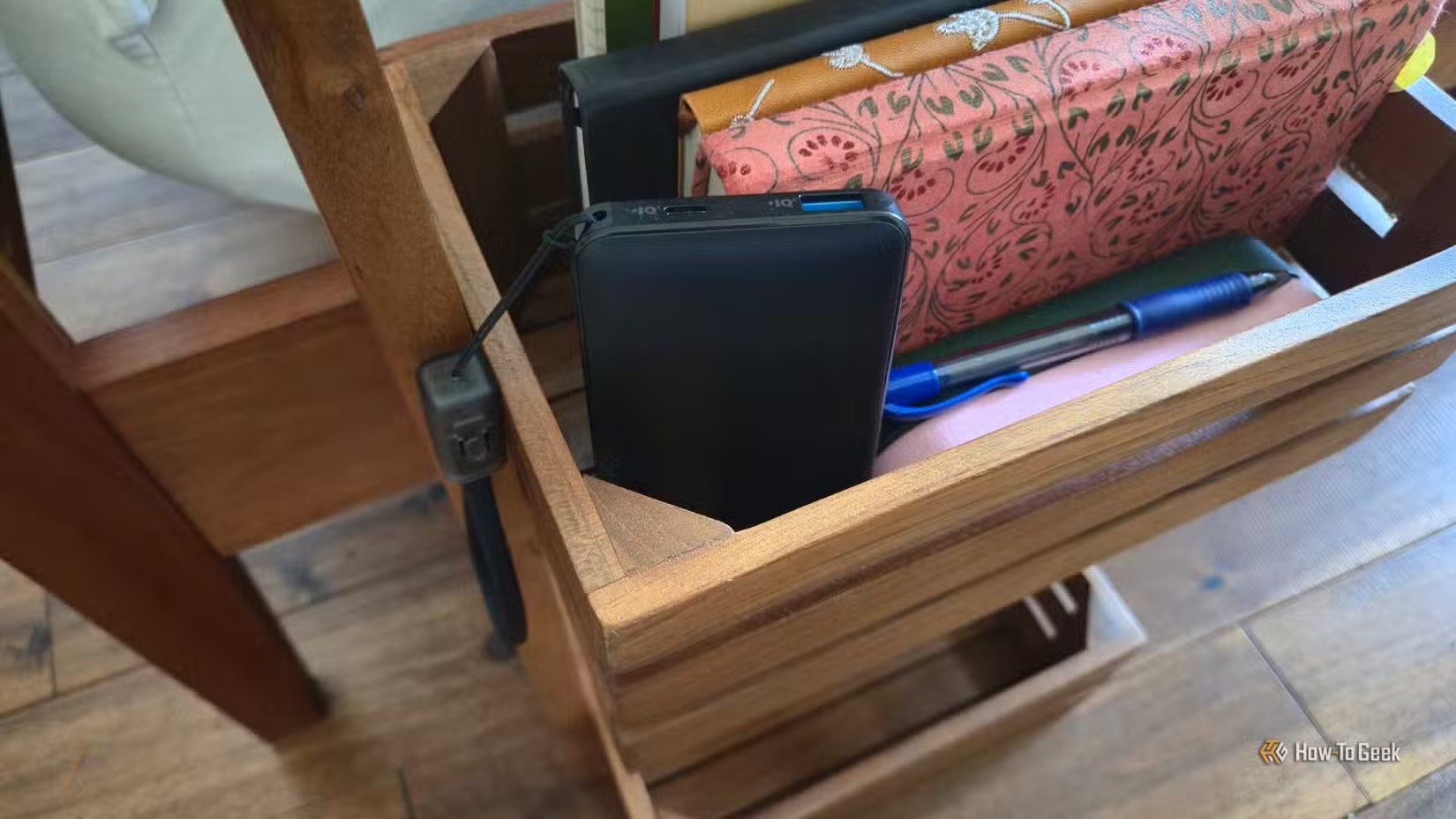
This creates an opportunity. Instead of one large battery that lives in your bag, you can buy multiple small ones. Keep one at your desk. One in your car. One in your nightstand drawer. One in your everyday carry bag.
You'll never find yourself without backup power because there's always a charged battery nearby. The total capacity across all your small batteries might even exceed what you'd get from one large unit at the same total cost.
When Big Batteries Still Make Sense
Large battery banks aren't useless. They're the right choice for specific situations. Multi-day camping trips. Extended power outages. Charging laptops or other power-hungry devices.
But for daily phone charging on the go, the person who commutes with a heavy battery bank is carrying unnecessary weight. A slim 5,000mAh battery can fully charge most smartphones and slips into a pocket.
✅ Pros
- • Light enough to fit in a pocket or hold with your phone
- • Lower cost per unit lets you place batteries in multiple locations
- • MagSafe and plug-in designs allow cable-free one-handed use
- • Easier to keep multiple batteries charged and ready
❌ Cons
- • May need to recharge the battery more often
- • Not suitable for laptops or high-power devices
- • Multiple purchases require more upfront planning
The Practical Strategy
The smartest approach combines both sizes. Keep one large battery for emergencies and travel. Scatter small batteries in the places you spend time. Your bag, your desk, your car, your bedroom.
You'll use the small ones daily because they're actually convenient. The big one stays home until you need it. That's better than lugging around a heavy battery that you resent carrying.
Logicity's Take
Frequently Asked Questions
What size portable battery bank should I buy?
For daily phone charging, a 5,000-10,000mAh battery offers the best balance of capacity and portability. It can fully charge most smartphones while remaining pocket-sized.
Are MagSafe battery banks worth it?
For iPhone users, MagSafe batteries like Anker MagGo provide cable-free convenience. They magnetically attach to your phone's back, letting you charge while using your device one-handed.
How many portable batteries should I own?
Consider keeping 3-4 small batteries in different locations: your daily bag, your desk, your car, and your bedroom. This ensures backup power is always nearby without carrying extra weight.
Can small battery banks charge laptops?
Most small batteries lack the power output for laptops. If you need laptop charging on the go, you'll need a larger battery bank with USB-C Power Delivery (usually 45W or higher).
More practical tech alternatives that save money
Need Help Implementing This?
Source: How-To Geek
Manaal Khan
Tech & Innovation Writer
Produced with AI assistance and reviewed by the Logicity editorial team. Learn more in our Editorial Policy.