Key Takeaways
- PHEV SUVs can cost $11,000 more than their gas-powered equivalents
- Extra weight causes tires to wear up to 20% faster
- A Hyundai Tucson PHEV's price premium buys 65,000 miles of gasoline for the ICE version
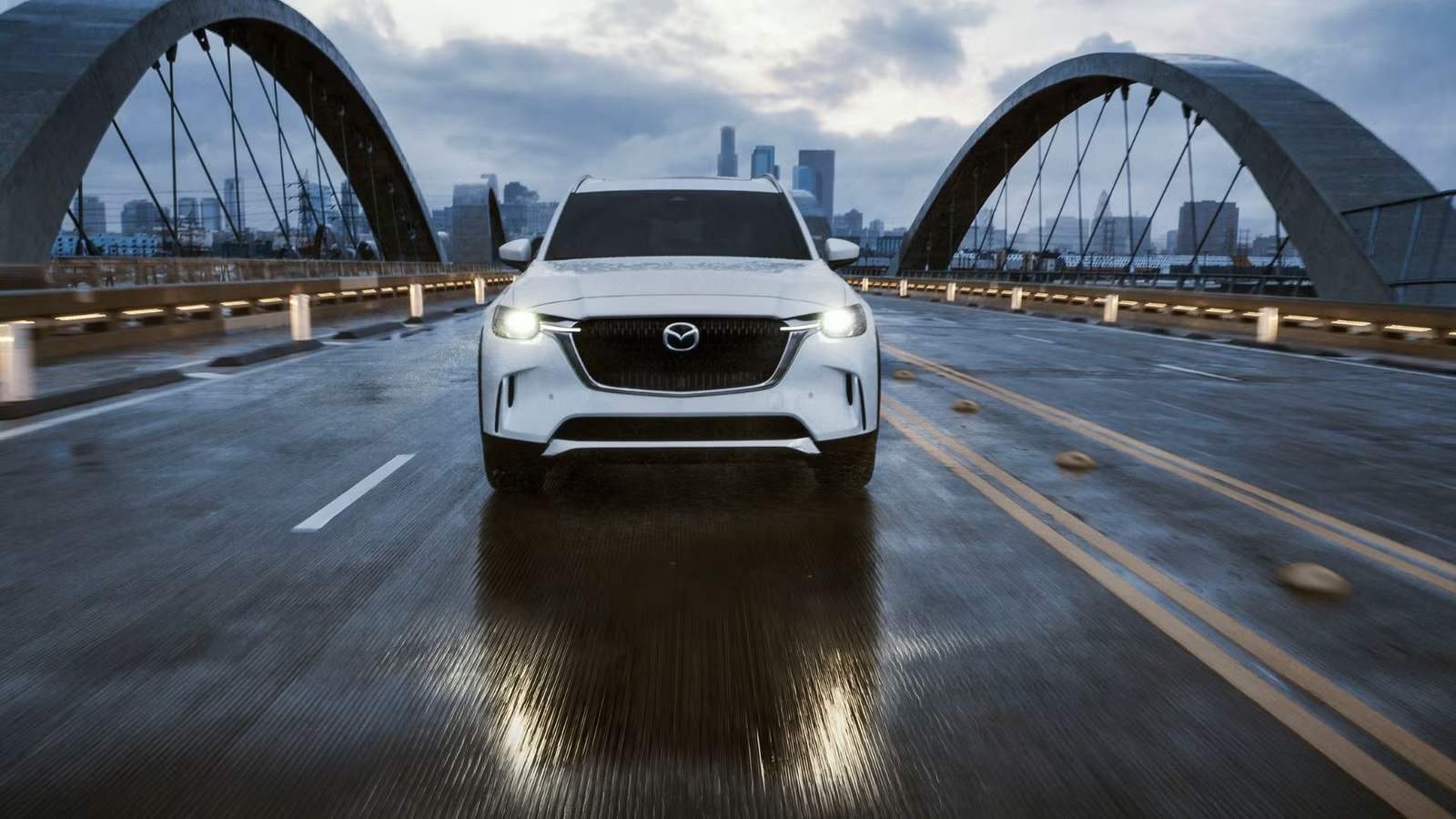
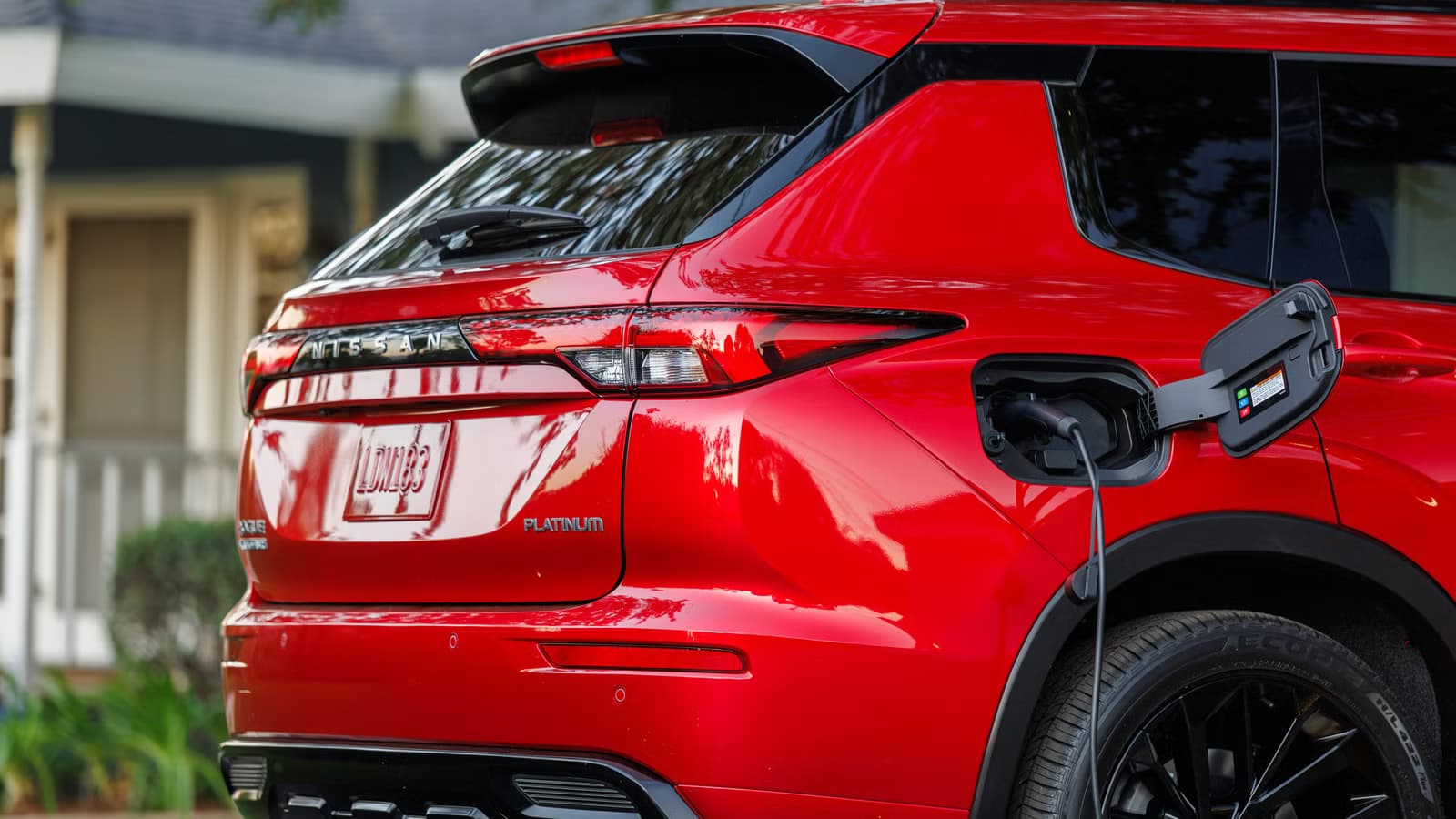
Plug-in hybrid SUVs are everywhere. Honda CR-V, Toyota RAV4, Hyundai Tucson, Mazda CX-70. Nearly every mainstream automaker offers at least one. The pitch is simple: charge the battery, drive 50 miles on electricity, save money at the pump.
The reality is messier. PHEVs carry hidden costs that chip away at those promised savings. Before you sign the paperwork, here are five expenses the window sticker won't mention.
1. The MSRP Gap Is Bigger Than You Think
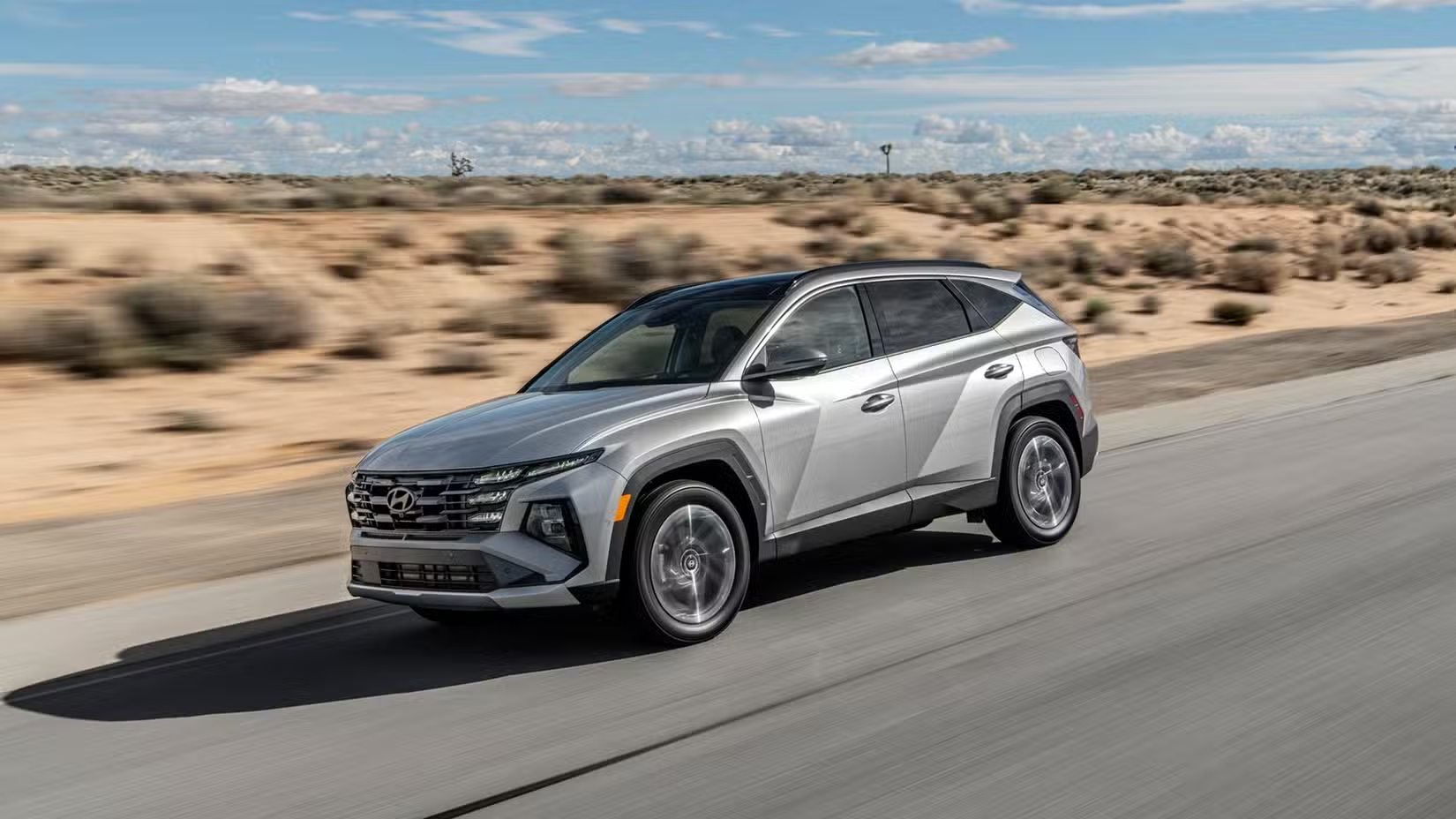
Start with the sticker price. A gas-powered Hyundai Tucson starts at $29,450. The hybrid version bumps to $32,450. The plug-in hybrid? $40,325. That's nearly $11,000 more than the base ICE model.
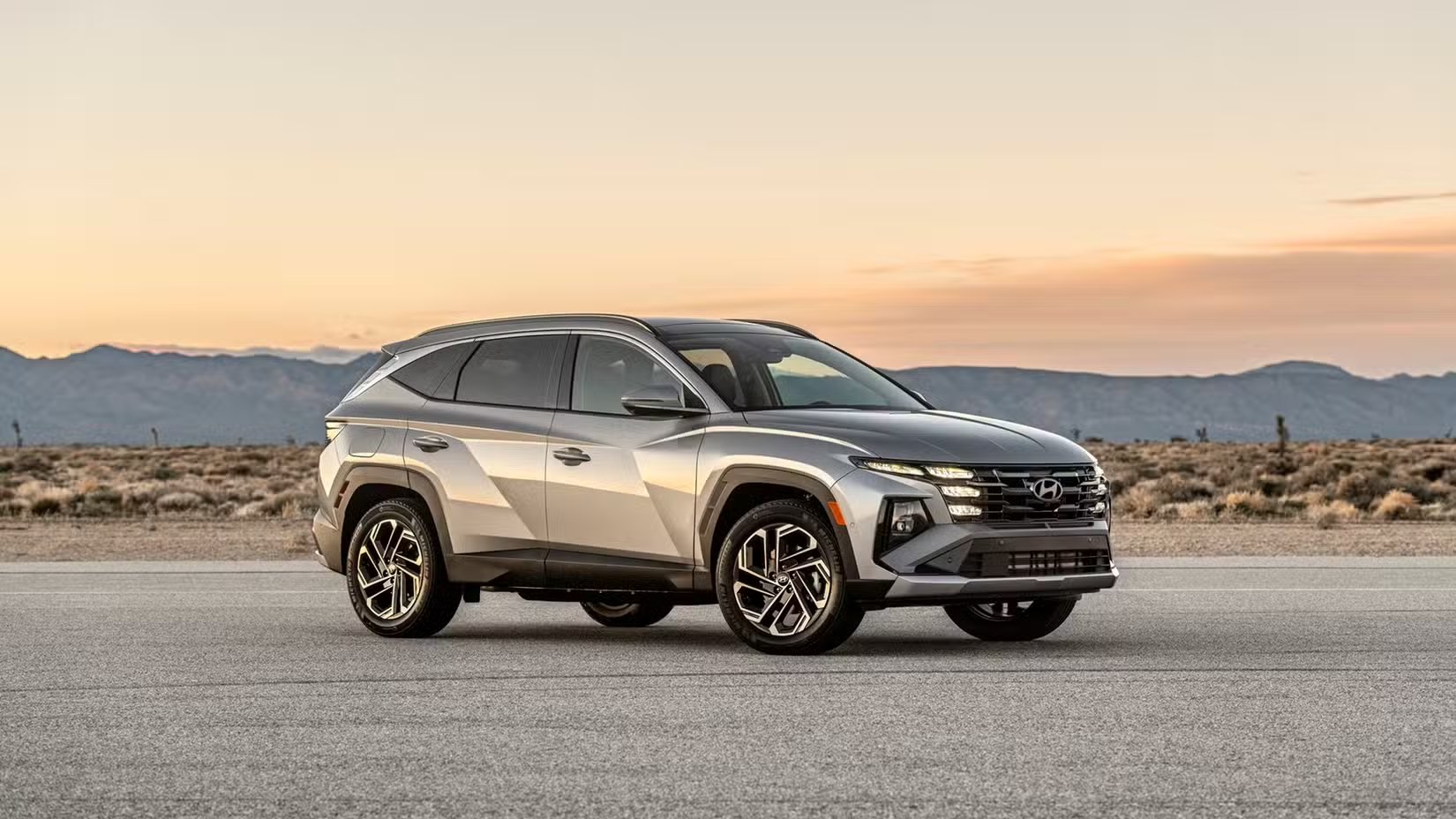
Now run the math. At $4.39 per gallon, $11,000 buys roughly 2,500 gallons of gasoline. The ICE Tucson gets 26 miles per gallon combined. That's enough fuel for about 65,000 miles of driving.
The PHEV does achieve 77 miles per gallon equivalent. But if you're not driving enough miles, or not charging consistently, the payback timeline stretches to years. Sometimes it never arrives.
2. Extra Weight Means Faster Tire Wear
PHEVs carry bigger batteries than standard hybrids. Bigger batteries mean more weight. The Toyota RAV4 hybrid weighs about 3,800 lbs. The RAV4 PHEV? Roughly 4,500 lbs. That's 700 extra pounds riding on your tires.
All that mass takes a toll. Tires on a PHEV SUV can wear out up to 20% faster than those on a gas or standard hybrid SUV. A set of tires for a RAV4 PHEV runs between $1,000 and $1,500, excluding mounting and balancing. Replace them more often, and the cost adds up.
3. Home Charging Infrastructure
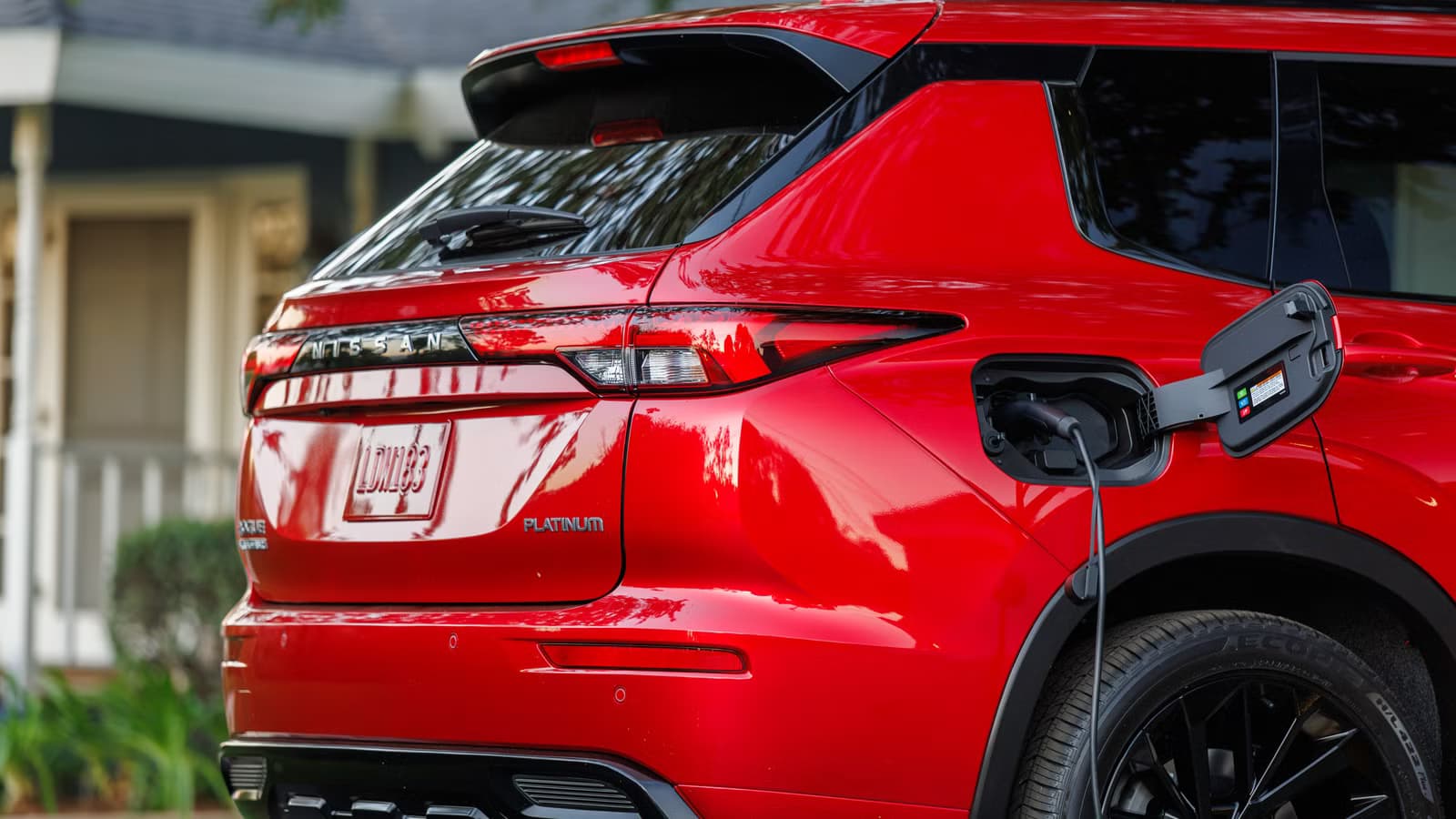
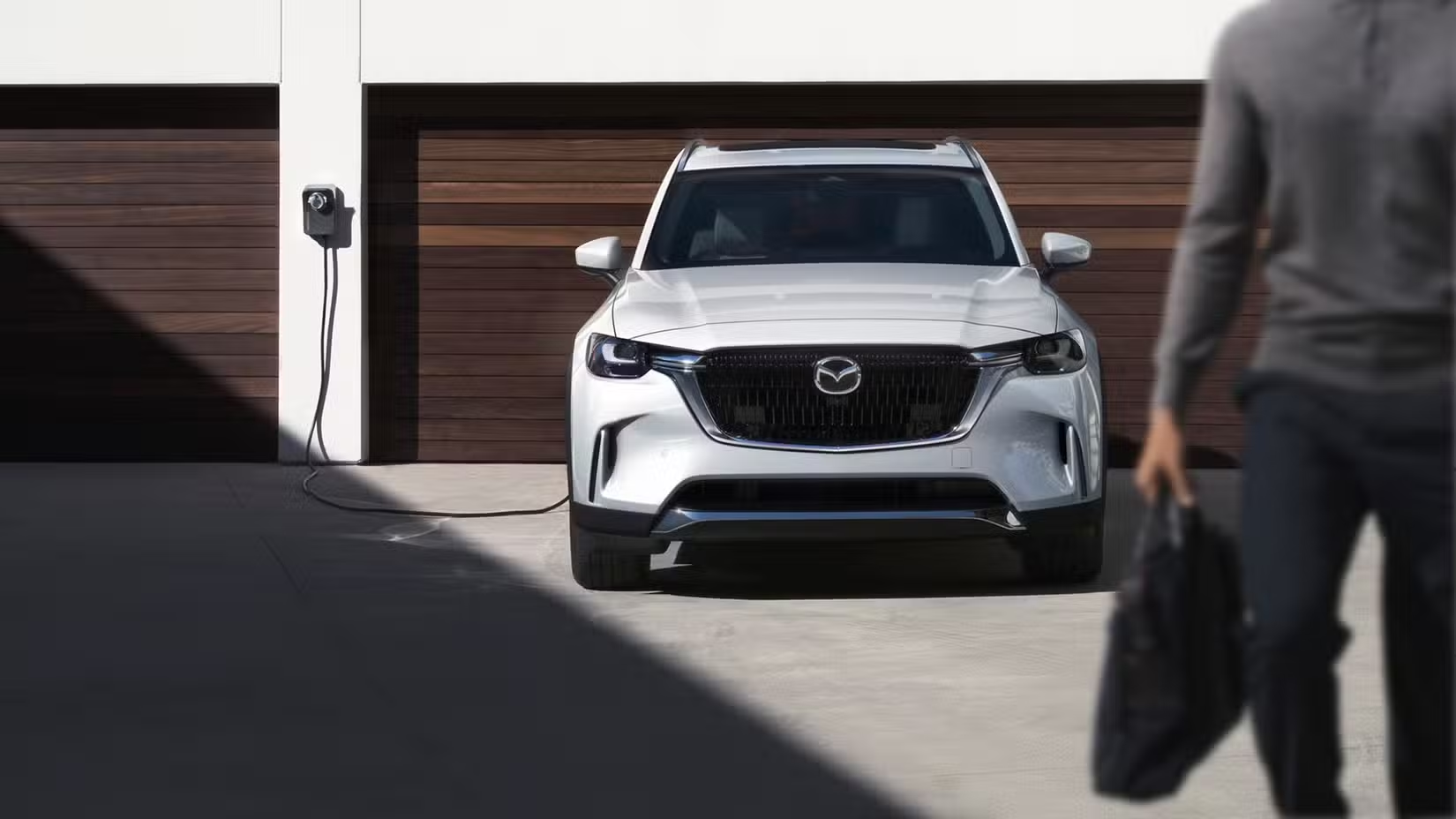
To get the full benefit of a PHEV, you need to charge it regularly. That typically means installing a Level 2 charger at home. The charger itself costs a few hundred dollars. Installation can run another $500 to $2,000 depending on your electrical panel and garage setup.

Sure, you can charge from a standard outlet. But a 120V outlet takes 12+ hours to fill most PHEV batteries. If you can't charge overnight every night, you're driving a heavy hybrid that rarely runs on electricity.
4. Brake and Suspension Wear
The same weight that kills tires also stresses brakes and suspension components. PHEVs do use regenerative braking, which can extend brake pad life. But the added mass puts more strain on rotors, shocks, and struts.
Replacement parts for PHEVs often cost more than their ICE equivalents. The technology is newer, the parts are specialized, and fewer shops have experience working on them.
5. Tax Credits Aren't Guaranteed
Federal and state tax credits can offset PHEV costs. But eligibility depends on the manufacturer, battery size, and your personal tax situation. Credits phase out after automakers hit sales thresholds. What's available today may not exist when you file.
Some buyers assume the credit is automatic. It's not. You need enough tax liability to claim it. If you owe $3,000 in taxes and the credit is $7,500, you only get $3,000 back.
When PHEVs Still Make Sense
None of this means PHEVs are a bad choice for everyone. If you drive short distances daily and can charge at home, electric-only driving slashes fuel costs. If you have a long highway commute, the gas engine provides range without anxiety.
The key is running the numbers for your situation. How many miles do you drive? Can you charge reliably? How long will you keep the car? A PHEV that works for a suburban commuter might be a poor fit for someone who rarely charges or drives 30,000 miles a year.
Logicity's Take
Frequently Asked Questions
How much more does a plug-in hybrid SUV cost than a gas version?
The Hyundai Tucson PHEV costs $40,325, nearly $11,000 more than the $29,450 gas-powered Tucson.
Do PHEV tires wear out faster?
Yes. The extra weight of PHEV batteries causes tires to wear up to 20% faster than on gas or standard hybrid SUVs.
Do I need a special charger for a plug-in hybrid?
You can use a standard 120V outlet, but it takes 12+ hours to charge. A Level 2 charger ($500-$2,000 installed) charges much faster.
Can I get a tax credit for a plug-in hybrid SUV?
Possibly. Federal credits depend on the manufacturer, battery size, and your tax liability. Credits phase out after sales thresholds.
How long does it take for a PHEV to pay for itself?
It depends on driving habits and fuel prices. The $11,000 Tucson premium buys about 65,000 miles of gasoline for the ICE version.
Another example of hidden value calculations in tech purchases
Need Help Implementing This?
Source: How-To Geek
Manaal Khan
Tech & Innovation Writer
Produced with AI assistance and reviewed by the Logicity editorial team. Learn more in our Editorial Policy.