Key Takeaways
- Memory profiles like XMP/EXPO are safe tweaks that unlock RAM speed you already paid for
- Fan curve adjustments can reduce noise without risking hardware damage
- Never touch voltage settings or flash BIOS during a storm without understanding the risks
- Some BIOS changes require a full system reset to undo, not a simple reboot
The BIOS remains the most avoided part of PC ownership. It's the low-level firmware that runs before Windows even loads, and most people only see it when something breaks. That avoidance makes sense. The interface looks like it was designed for engineers, not humans.
But here's what you're missing: your BIOS contains free performance upgrades. Settings that can make your RAM faster, your fans quieter, and your boot times shorter. The catch? The same menu also contains settings that can permanently damage your hardware or leave you with an expensive paperweight.
Tech journalist Monica J. White, who has built dozens of PCs over nearly 20 years, recently broke down exactly which settings fall into each category. The distinction matters more than most guides admit.
Why the BIOS Deserves Your Attention
The BIOS (or UEFI on modern systems) is the software that starts your computer before the operating system takes over. It checks your hardware, initializes your CPU, RAM, storage, and fans, then hands control to Windows or Linux.
Because it runs before the OS, BIOS can control settings that Windows simply cannot access. This makes it both powerful and dangerous. You're not changing preferences that a restart will fix. You're changing how your PC behaves at the hardware level.
The 4 Settings You Should Change
1. Enable XMP or EXPO Memory Profiles
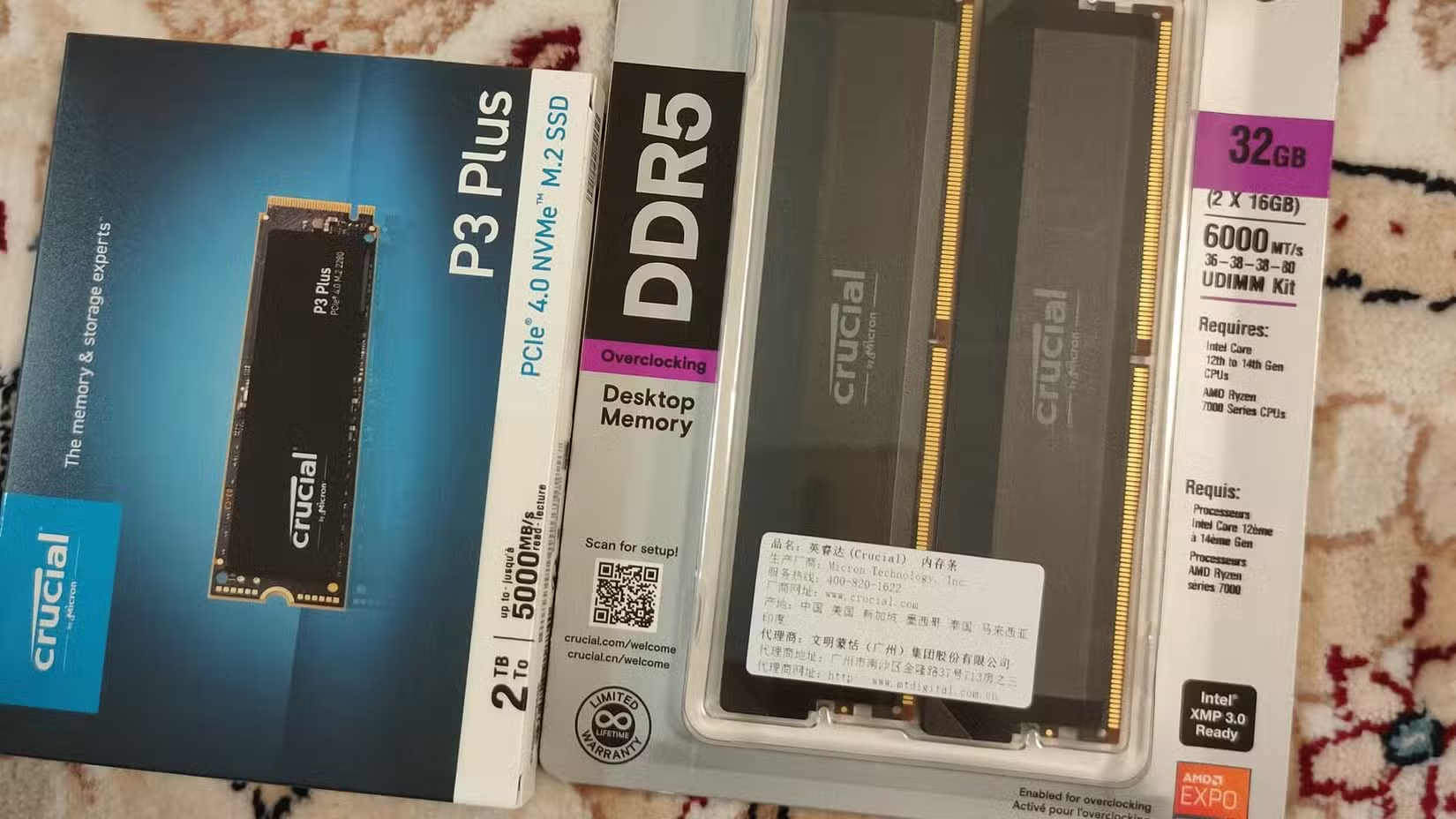
If you bought fast RAM, you're probably not using it at full speed. Out of the box, most systems run memory at a default frequency far below its rated speed. XMP (Intel) or EXPO (AMD) profiles unlock the performance you already paid for.
Enabling this is a single toggle in your BIOS memory settings. The risk is minimal. These profiles are tested and validated by the memory manufacturer.
2. Adjust Fan Curves
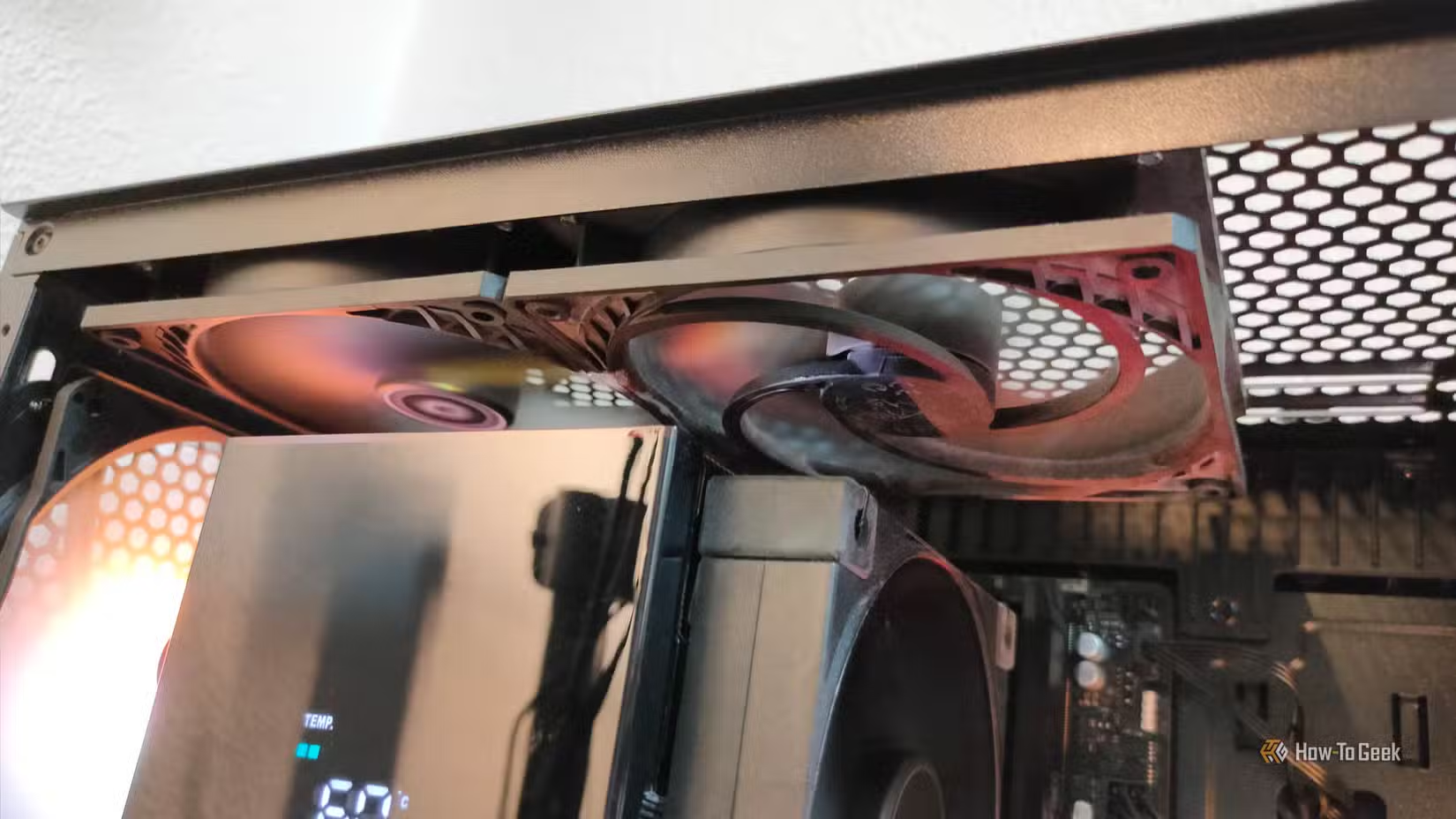
Default fan curves prioritize cooling over noise. Your PC runs louder than necessary because the motherboard maker doesn't know your use case. A custom fan curve can keep temperatures safe while cutting noise during light workloads.
Most BIOS interfaces now include graphical fan curve editors. Set lower speeds at idle temperatures, ramp up under load. The worst case if you get this wrong: your system gets loud or hot, and you adjust again.
3. Set Boot Drive Priority
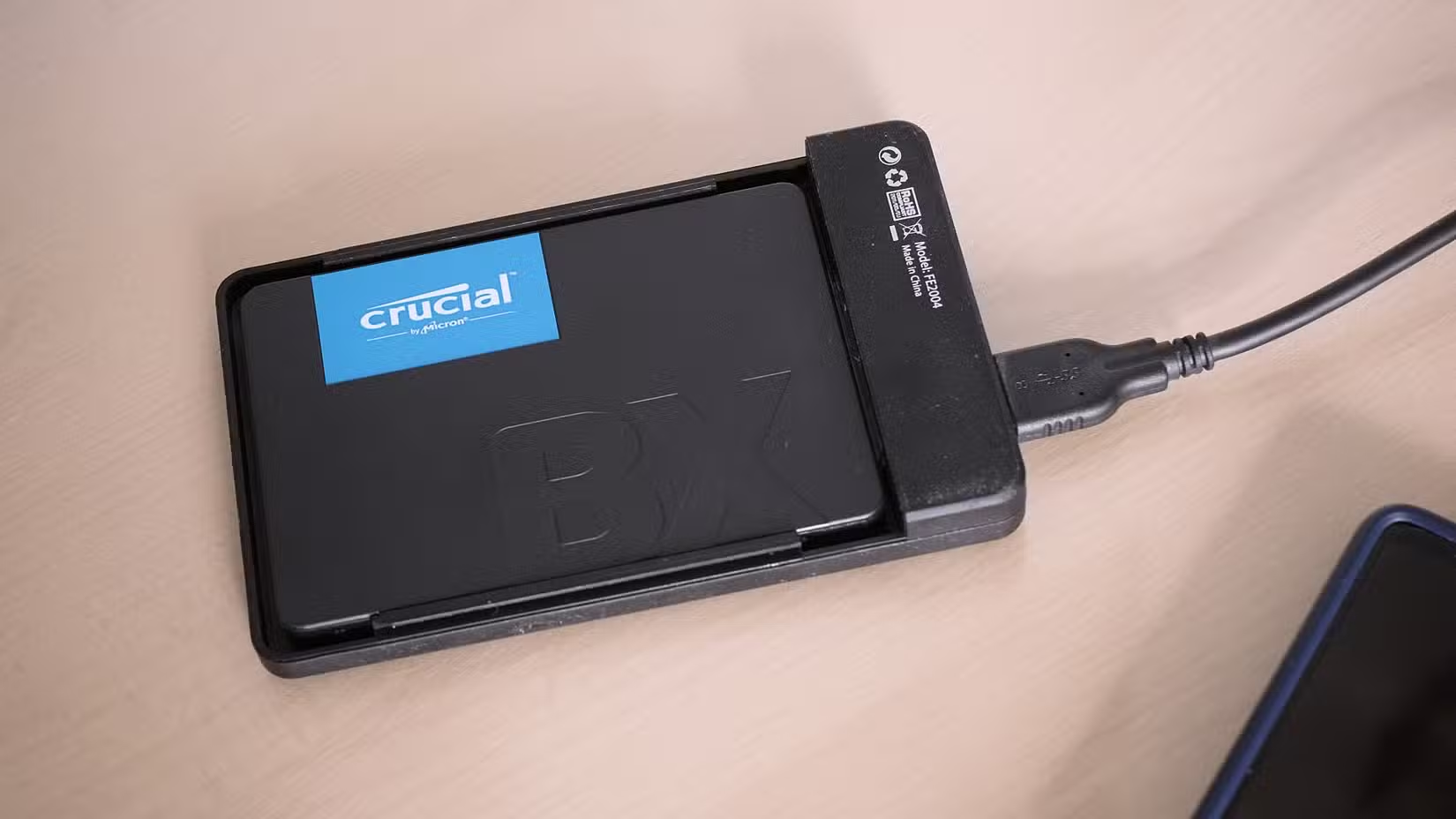
If you have multiple drives, your BIOS might be checking them in the wrong order. Setting your primary SSD as the first boot option shaves seconds off startup. It also prevents confusion when you add new drives later.
4. Enable Resizable BAR or Smart Access Memory
Modern GPUs can access more system memory at once with Resizable BAR (NVIDIA) or Smart Access Memory (AMD). This setting is usually found in PCIe options. Enabling it can provide a few percent performance boost in games at zero cost.
The 4 Settings You Should Never Touch
1. CPU Voltage Settings
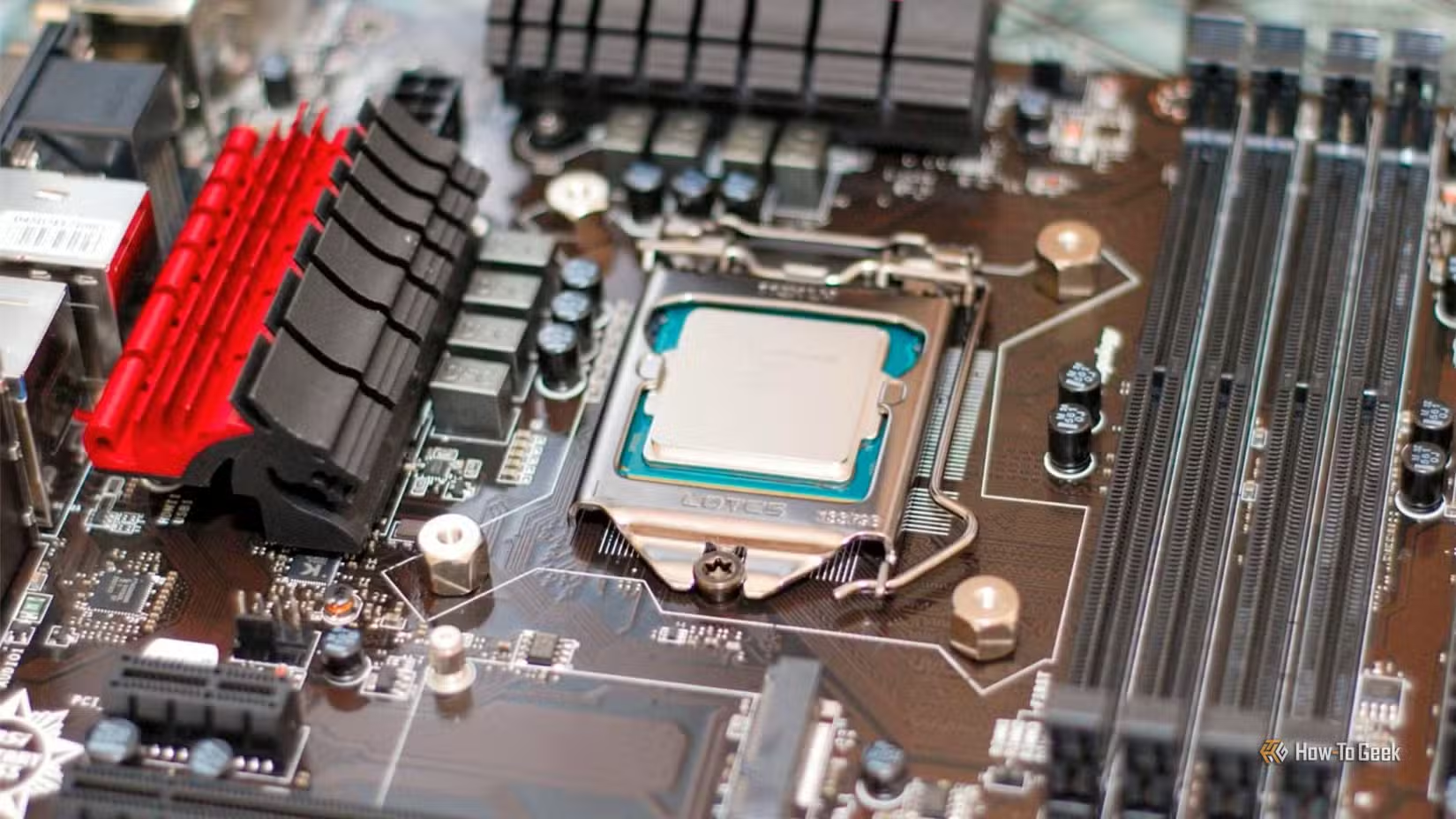
Voltage controls how much power your CPU receives. Too little and it crashes. Too much and you can permanently degrade or destroy the chip. Unless you're an experienced overclocker with thermal monitoring tools, leave voltage at auto.
2. BIOS Updates During Power Instability
A BIOS update that gets interrupted mid-flash can brick your motherboard. No amount of troubleshooting will fix it if the firmware corrupts. Never update during a storm, on a laptop with low battery, or without a UPS if your power is unreliable.
3. Memory Timings Without Testing
Manual memory timing adjustments can squeeze out extra performance, but unstable settings cause crashes, data corruption, and boot failures. Unlike XMP profiles, manual timings aren't validated. If you don't have hours to run memory stress tests, skip this.
4. Secure Boot and TPM Settings (Without Understanding Them)
Disabling Secure Boot or TPM might seem harmless until Windows refuses to boot or you can't install updates. Windows 11 requires both. Changing these settings to troubleshoot something else can create bigger problems than you started with.
Logicity's Take
How to Access Your BIOS
Most systems use Delete, F2, or F12 during startup. The exact key appears briefly on your screen during boot, or you can check your motherboard manual. Some systems also let you access BIOS through Windows Settings > Recovery > Advanced Startup.
Once inside, take your time. Nothing saves until you explicitly tell it to. Explore the menus, learn what's available, but don't change settings you don't understand.
More hardware optimization tips for getting value from components you already own
Another technical project for users comfortable with system-level configuration
Frequently Asked Questions
Can I brick my PC by changing BIOS settings?
Most settings can be reset by clearing CMOS (removing the motherboard battery or using a reset jumper). But a failed BIOS update can brick your motherboard permanently if you don't have a backup BIOS chip.
Is XMP safe to enable?
Yes. XMP profiles are tested by memory manufacturers and represent the rated speed of your RAM. The risk of damage is essentially zero.
Why does my RAM run slower than advertised?
RAM defaults to a safe, universal speed for compatibility. You need to enable XMP or EXPO in BIOS to run at the advertised frequency.
How do I reset BIOS settings if something goes wrong?
Most motherboards have a Clear CMOS jumper or button. You can also remove the CMOS battery for a few minutes. This resets everything to factory defaults.
Should I update my BIOS?
Only if you need a specific fix or feature. BIOS updates carry small but real risk. If your system works fine, there's no reason to update.
Need Help Implementing This?
Source: How-To Geek
Manaal Khan
Tech & Innovation Writer
Produced with AI assistance and reviewed by the Logicity editorial team. Learn more in our Editorial Policy.