Key Takeaways
- Gamification works by creating external accountability when you work alone
- Habitica turns daily tasks into RPG quests with real consequences
- Free, open-source tools can replace expensive productivity apps
You know what your ideal day looks like. You just can't seem to have one consistently. This gap between intention and execution is familiar to anyone who works independently, whether as a freelancer, remote worker, or founder managing their own schedule.
Dibakar Ghosh, a tech journalist at How-To Geek, faced exactly this problem. His ideal day included writing two articles, exercising, meditating, drinking enough water, and using social media intentionally. Reality looked different: he'd finish his articles, watch some TV, and sleep. The research rabbit holes that were supposed to fuel future work kept derailing his present output.
His solution? Build a gamified system using free, open-source software. Three apps became the backbone of his new productivity approach.
Why Gamification Works for Solo Workers
The core problem isn't ambition. Writing two articles a day, exercising, and having personal time isn't unreasonable. The problem is systems, or rather, the lack of them.
When you work alone from home, there's no boss checking in, no team standup, no external pressure to follow through. Games solve this by creating artificial stakes. Miss a task in a game and your character takes damage. Complete a streak and you unlock rewards. The mechanics are simple, but they work because they make abstract goals feel concrete.
Ghosh's math is instructive: an article should take three to four hours. Two articles equals eight hours, a normal workday. That should leave plenty of time for everything else. But in practice, he was spending 12 to 14 hours from start to finish, with the extra time lost to context switching, distraction, and the absence of structure.
Habitica: The RPG for Your Real Life
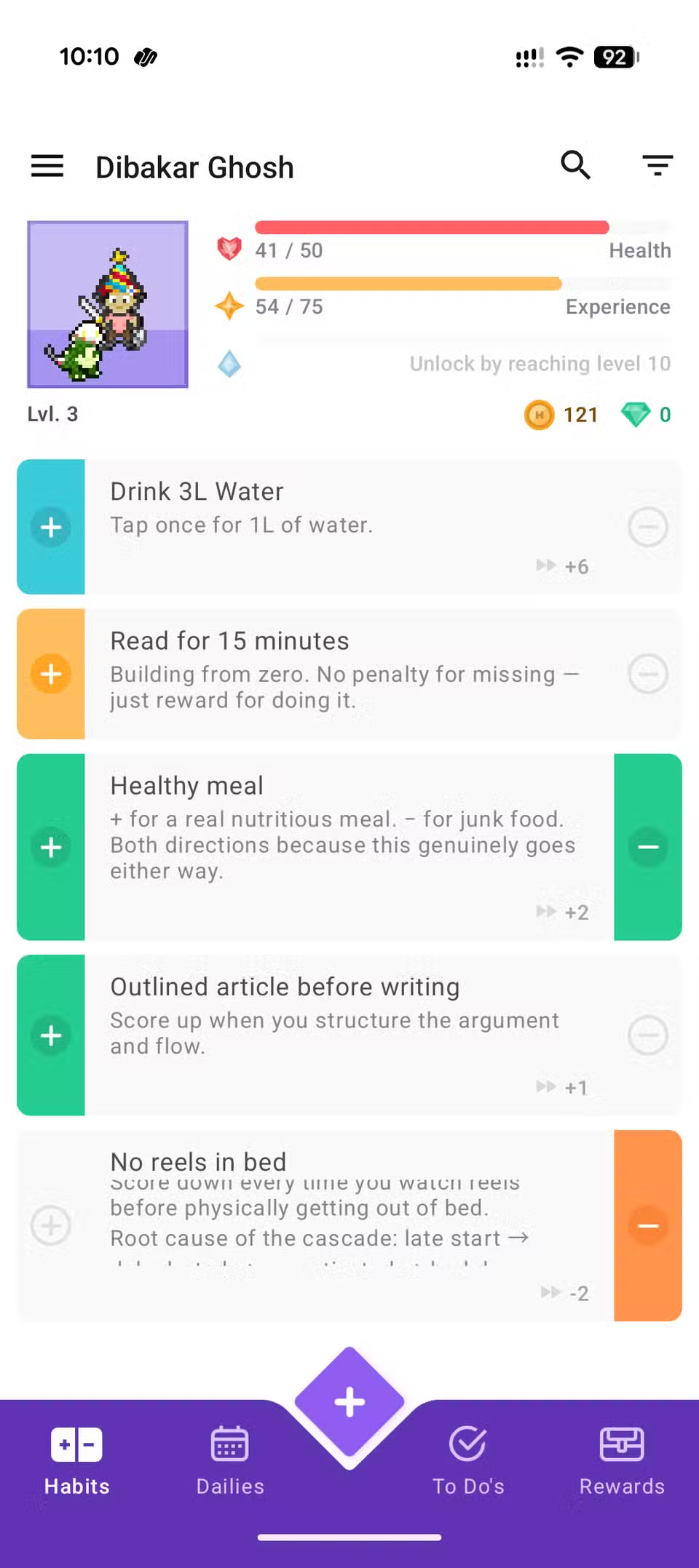
Habitica is the centerpiece of this system. It turns your to-do list into a role-playing game where you create a character, set daily tasks, and earn gold and experience for completing them. Miss your dailies and your character takes damage. It sounds silly until you realize you're suddenly invested in not letting your digital avatar die because you skipped the gym.
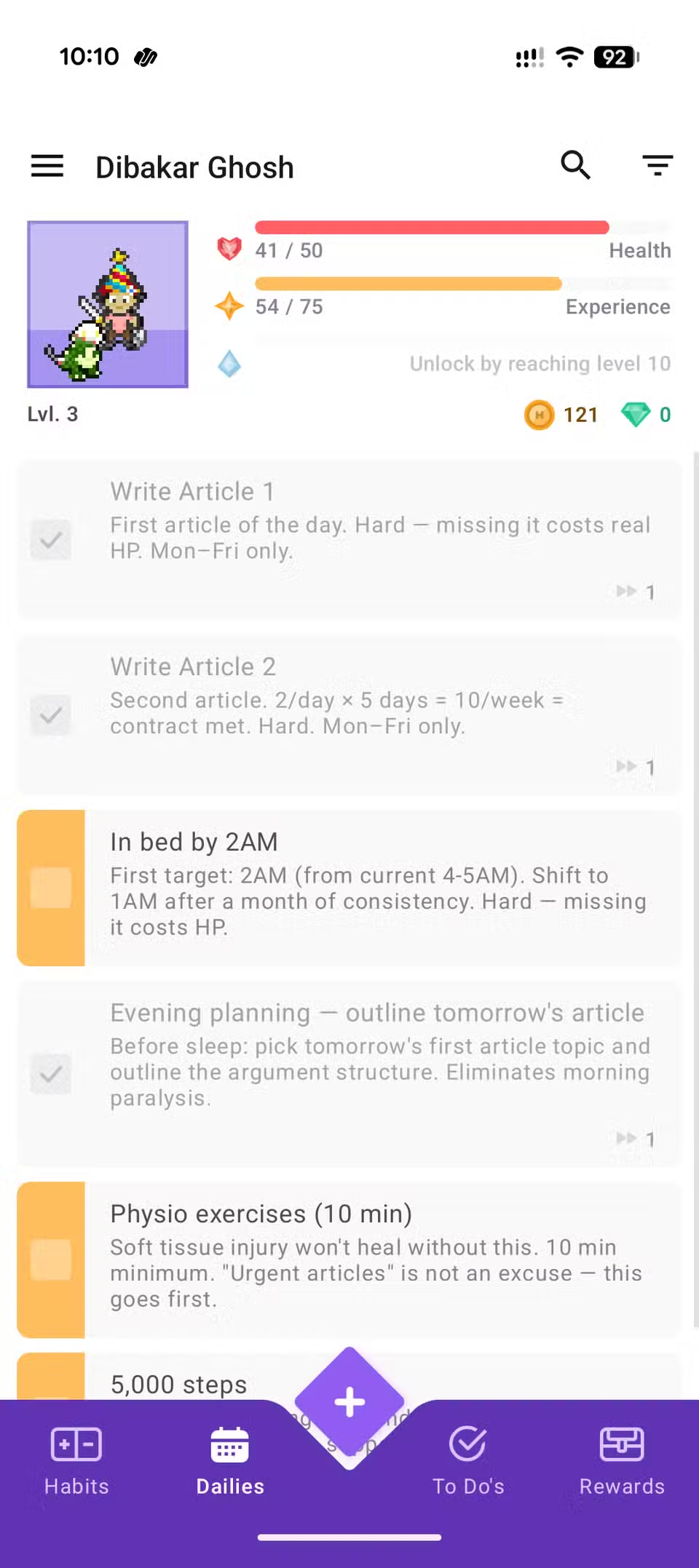
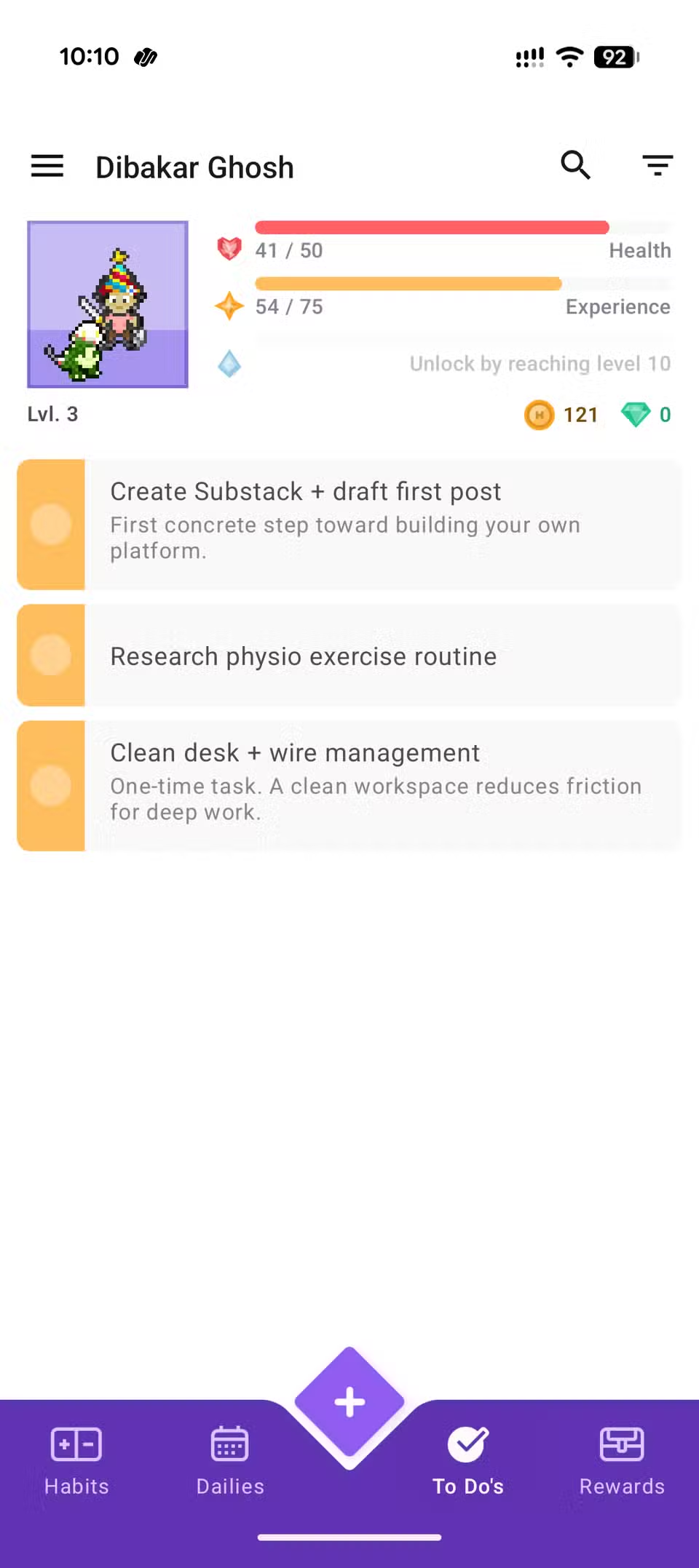
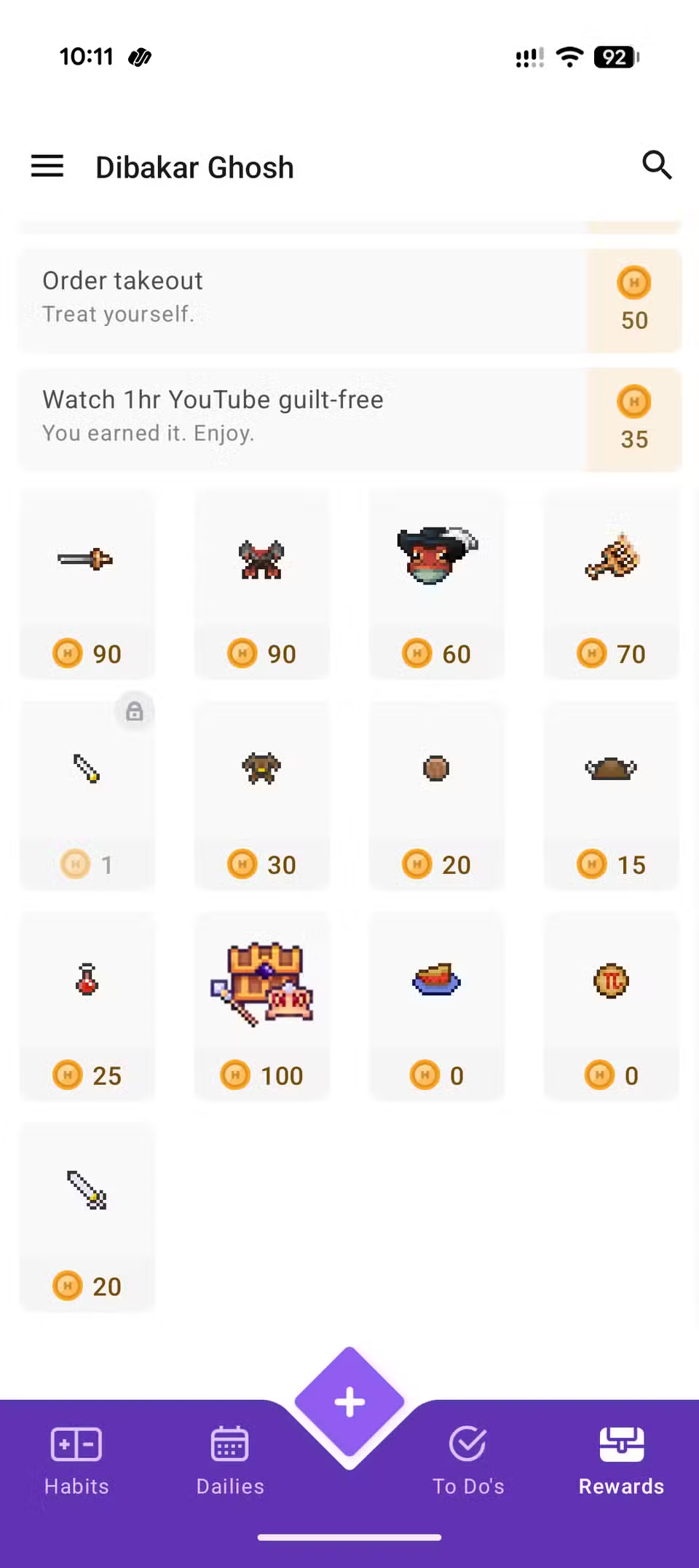
The app breaks tasks into three categories: Habits (things you want to do more or less of), Dailies (recurring tasks), and To-Dos (one-time items). Each completed task earns gold you can spend on custom rewards you define yourself.
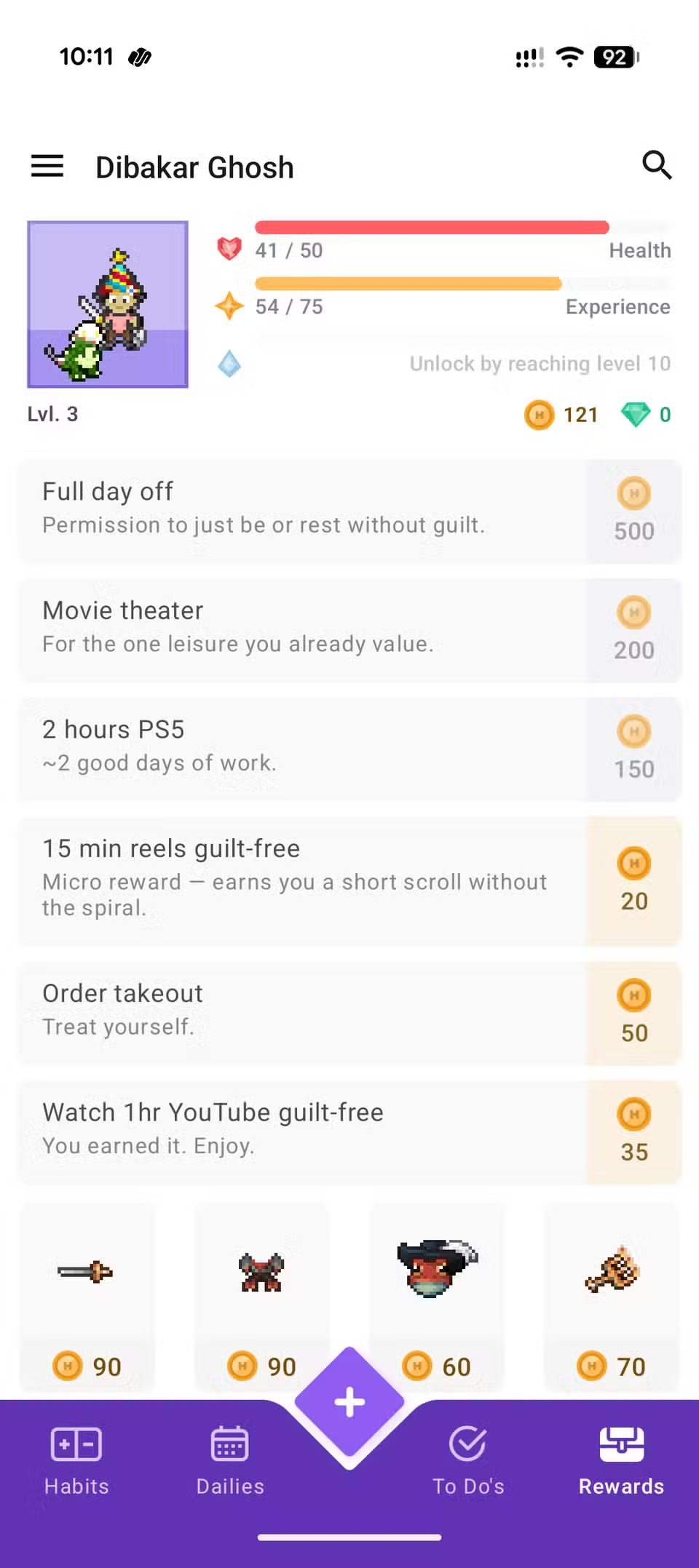
Those rewards are where the system gets interesting. You can create entries like "full day off," "movie theater trip," or "PS5 session" and assign gold costs to each. The in-game currency becomes a proxy for earned leisure time. You're not just checking boxes. You're trading productivity for permission to relax, guilt-free.
The Open-Source Advantage
All three apps Ghosh recommends are free and open-source (FOSS). This matters for a few reasons beyond price. Open-source tools don't lock you into proprietary ecosystems. Your data stays portable. And the development communities tend to prioritize functionality over monetization dark patterns.
For freelancers and small teams watching their software budgets, FOSS productivity tools offer enterprise-grade functionality without the enterprise pricing. Habitica, for instance, has been actively developed since 2013 and has a robust community of users contributing features and fixes.
Building Your Own Gamified System
The key insight from Ghosh's approach isn't about any specific app. It's about creating external structure when none exists naturally. A regular job provides deadlines, check-ins, and social pressure. When you work alone, you have to manufacture these elements yourself.
- Define your ideal day in specific, measurable terms
- Set up recurring tasks with real consequences for missing them
- Create rewards that actually motivate you, not generic "treat yourself" items
- Track the gap between planned and actual time to find where hours disappear
The system works because it makes invisible costs visible. When skipping a workout means your character loses health, you notice. When completing a week of dailies earns you a movie night, the reward feels earned rather than indulgent.
Logicity's Take
More free tools for independent creators and builders
Frequently Asked Questions
Is Habitica really free?
Yes. Habitica is free and open-source. There's an optional subscription for cosmetic items, but all core productivity features are free.
Does gamification actually improve productivity?
Research shows mixed results, but it works well for people who lack external accountability. The key is creating real consequences, not just collecting badges.
What happens if you miss tasks in Habitica?
Your character takes damage. Miss enough dailies and your character can die, losing gold and a level. This creates genuine stakes for completing tasks.
Can teams use Habitica together?
Yes. Habitica has party and guild features where groups can take on challenges together. Missing tasks can hurt your entire party, adding social accountability.
Need Help Implementing This?
Source: How-To Geek
Manaal Khan
Tech & Innovation Writer
Produced with AI assistance and reviewed by the Logicity editorial team. Learn more in our Editorial Policy.