Key Takeaways
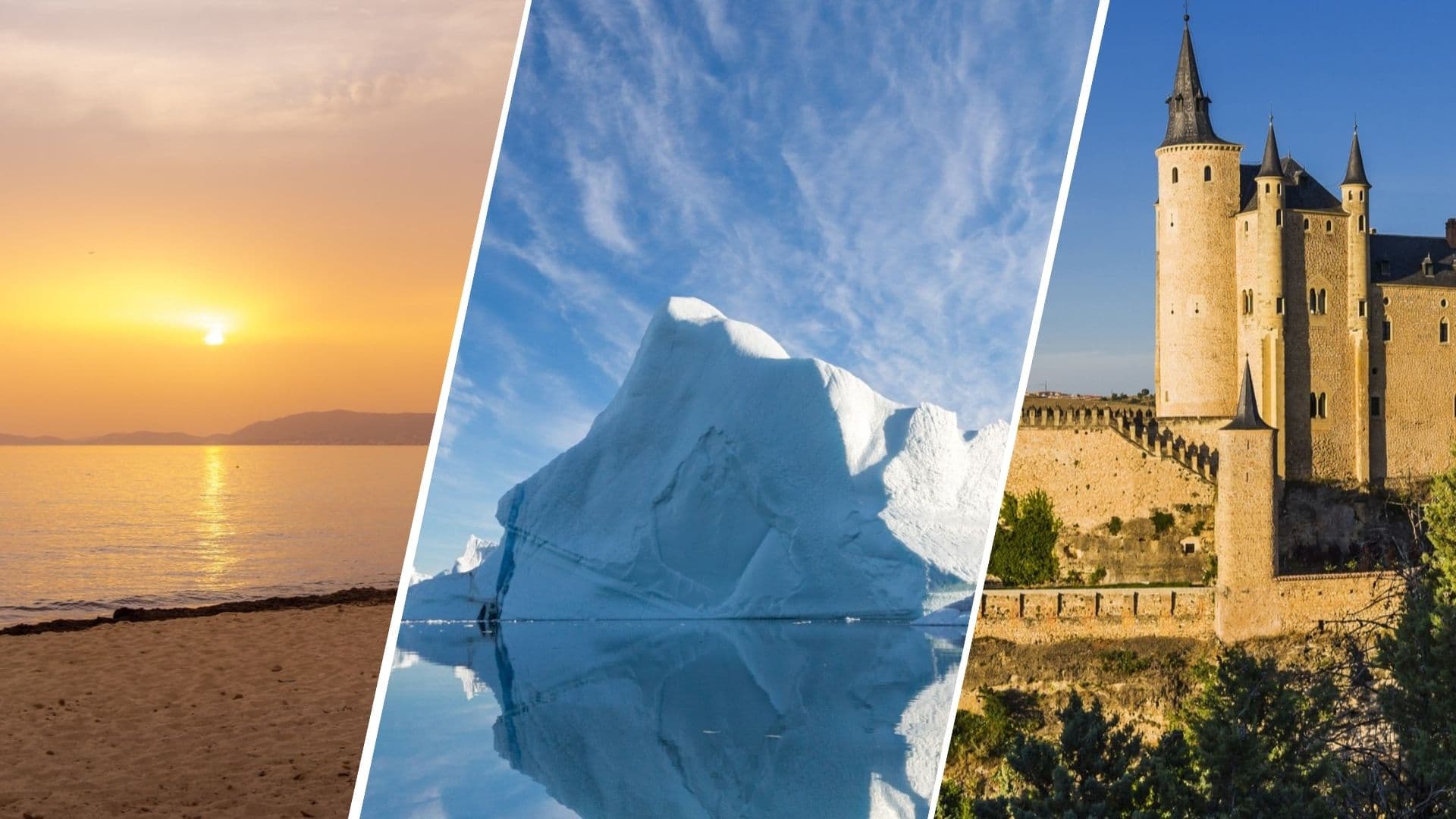
- The moon's shadow will create a 190-mile wide path of totality across eastern Greenland, western Iceland, and northern Spain
- Sun angle varies dramatically by location: high in Greenland and Iceland, as low as a few degrees in Spain's Balearic Islands
- Location scouting the day before is essential, as buildings, hills, or ridges could block the low-angle sun in Spanish locations
The total solar eclipse on August 12, 2026 will sweep across eastern Greenland, western Iceland, and northern Spain. The moon's shadow will carve a roughly 190-mile (305 km) wide path of totality, blocking the sun for a minute or two and revealing its ghostly corona. Finding the right spot to watch matters more than you might think.
This eclipse is not a one-size-fits-all event. In Greenland and Iceland, the eclipsed sun will hang relatively high in the sky. In Spain, it drops to about 12 degrees above the horizon in Galicia and just a few degrees in the Balearic Islands. At those low angles, even a distant hill or a row of buildings could ruin the moment.
Spain: Castles, Cliffs, and Low Sun Angles
Spain offers the most accessible viewing for travelers from Europe and the Americas, but the low sun angle demands careful site selection. Eight Spanish locations have been verified using Xavier Jubier's Interactive Google Map, The Eclipse App, Eclipse Horizon Checker, and the Instituto Geográfico Nacional.
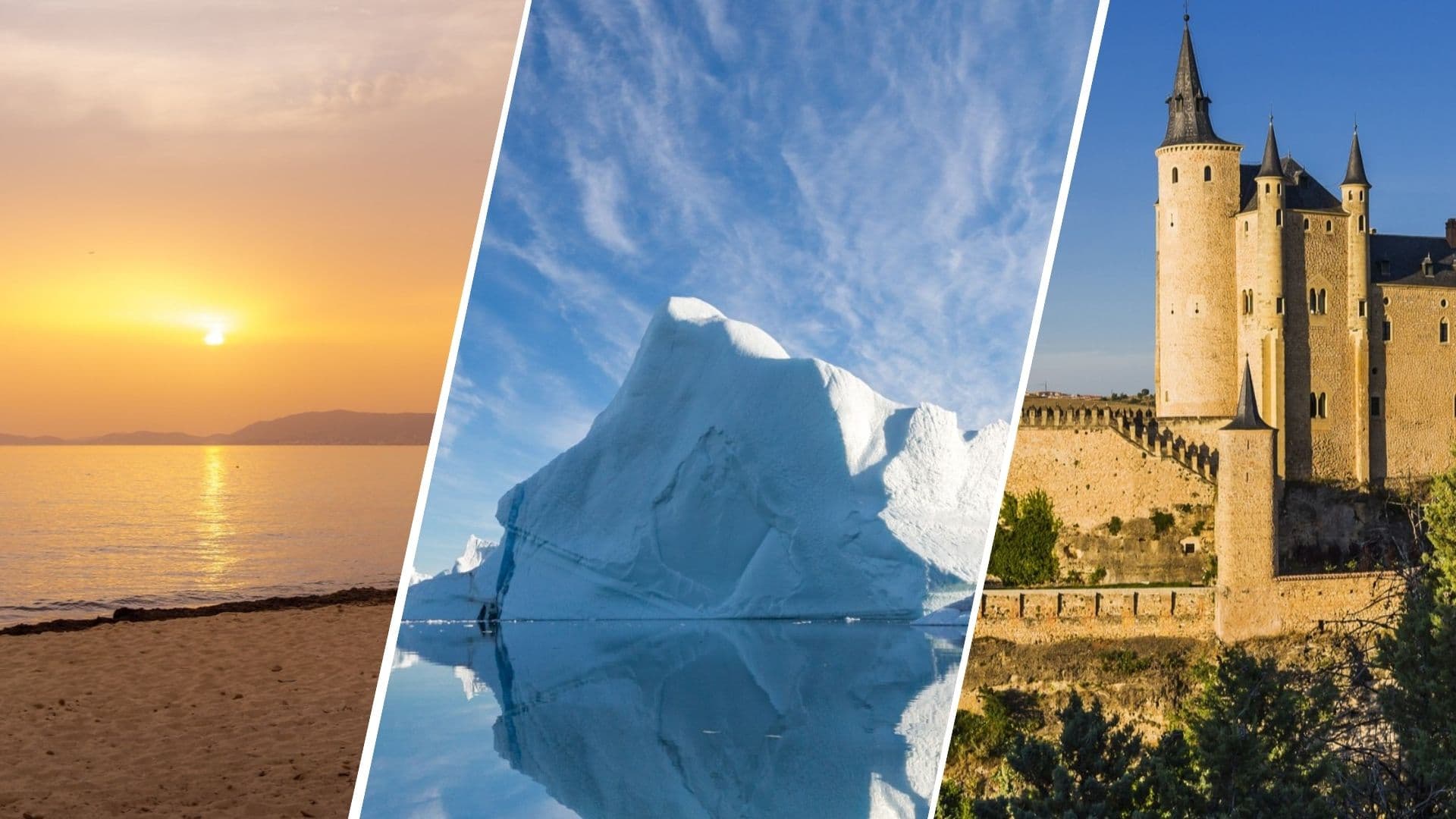
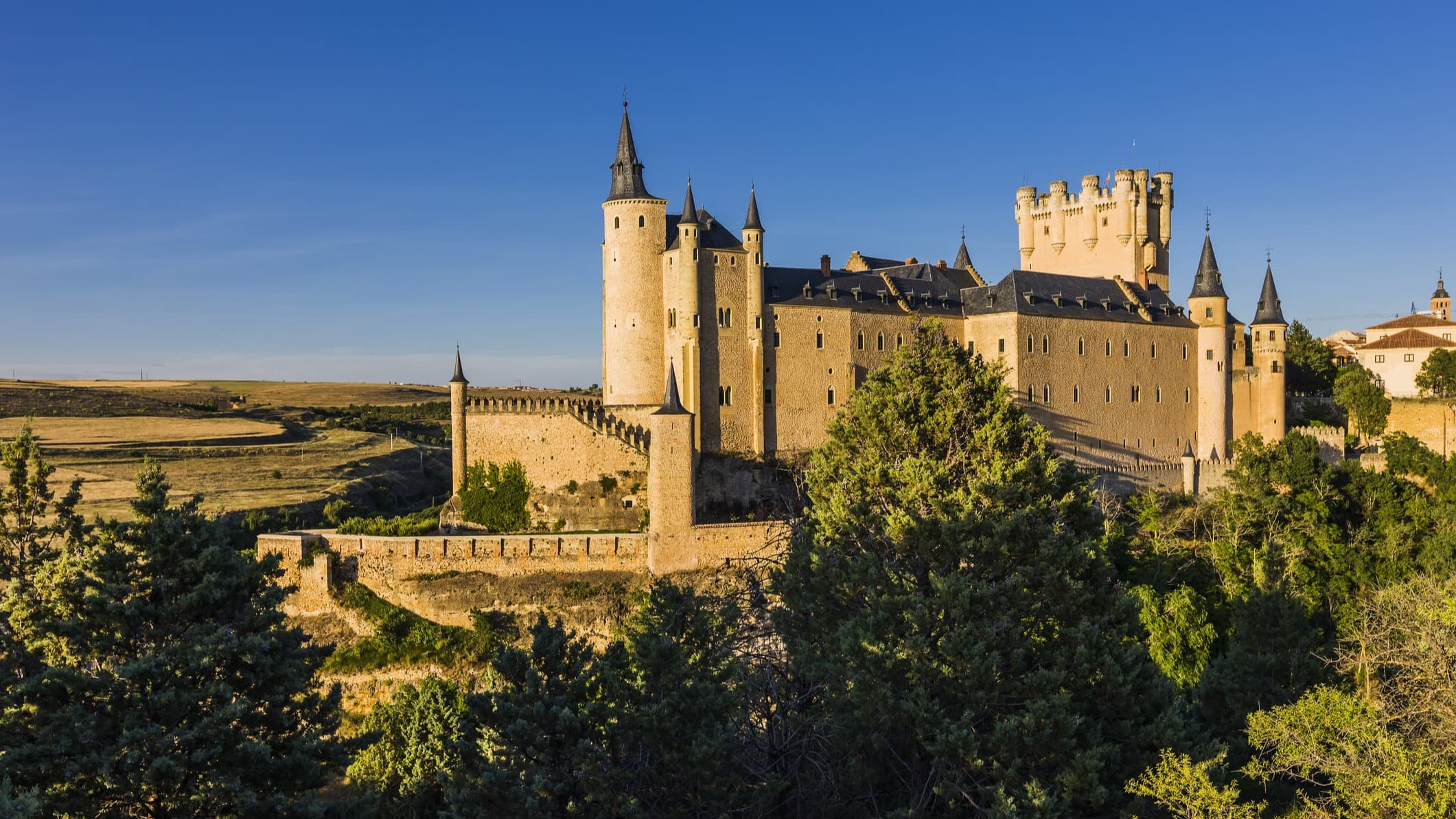
Segovia
The historic city famous for its Roman aqueduct offers multiple elevated vantage points. The key is finding spots with clear western sightlines, as the sun will be low in the sky during totality.
Becerril de Campos
This small town in Palencia province sits on the high, dry plains of Castile. The flat terrain means fewer obstacles to block the low sun.
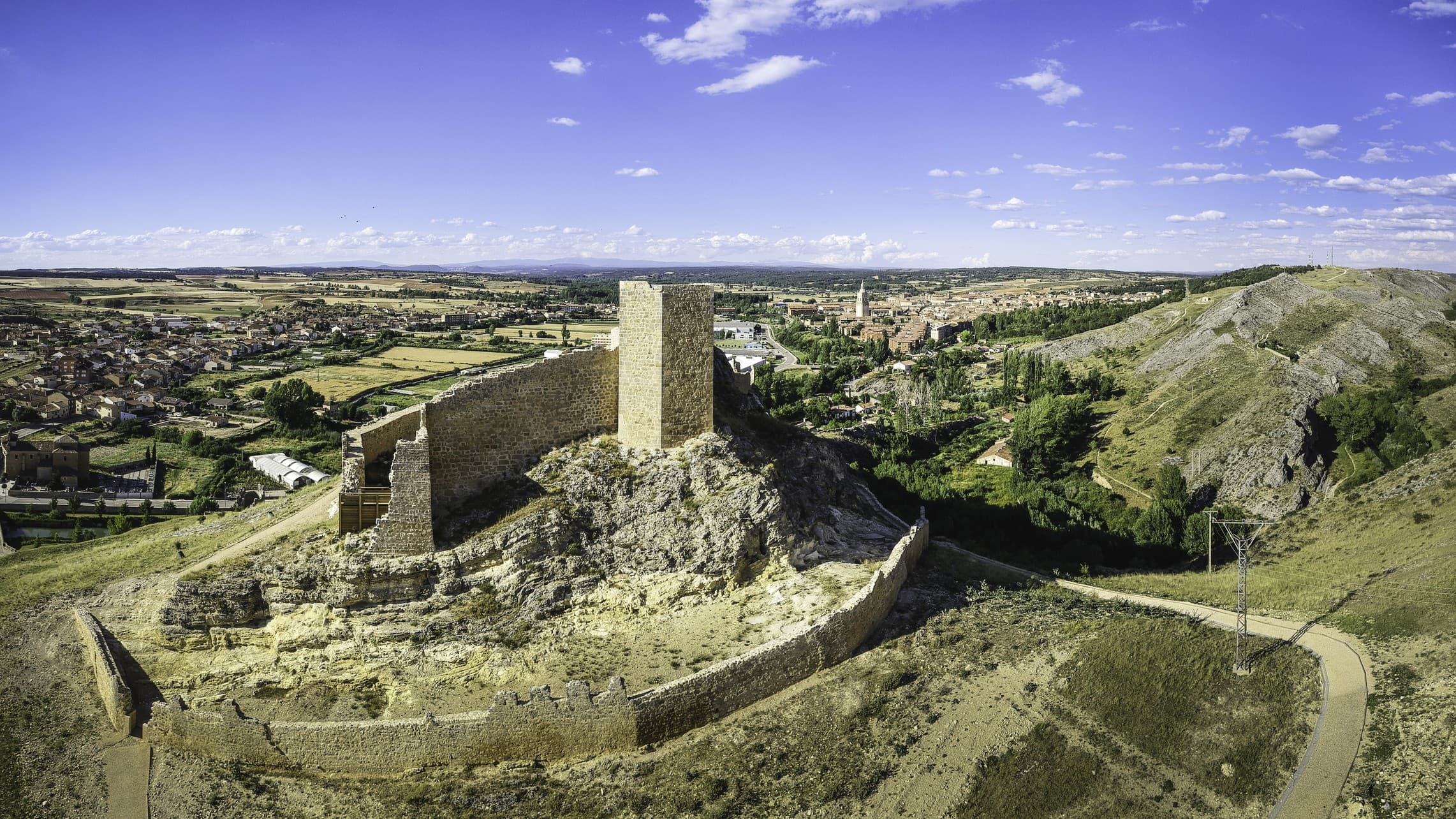
Castillo de Osma
The castle ruins offer elevated ground and historical atmosphere. Scout the site beforehand to confirm sightlines toward the setting sun.
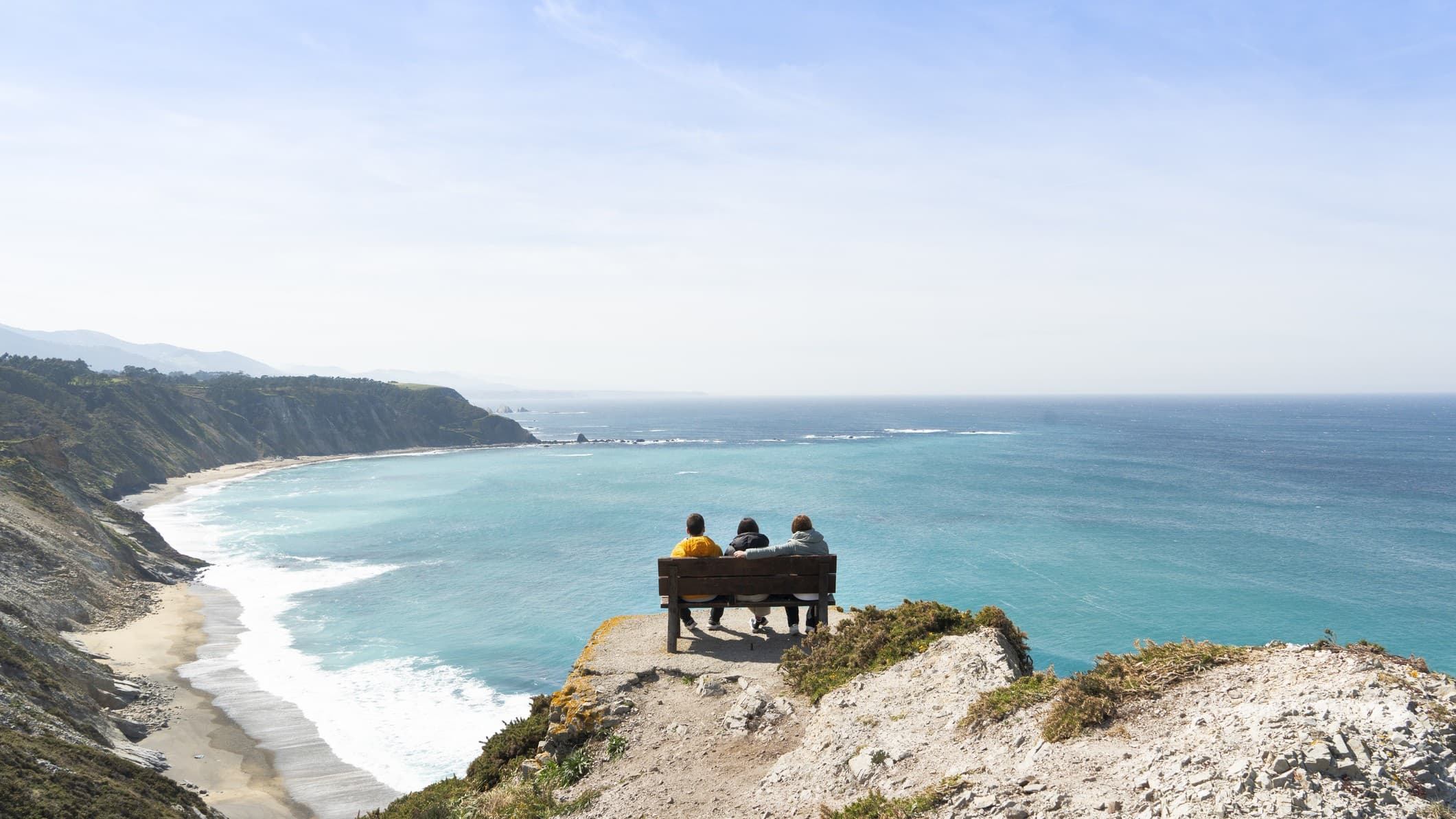
Mirador del Sablón
This coastal viewpoint provides an ocean horizon, eliminating terrain obstacles. Coastal locations in northern Spain have the advantage of unobstructed western views.
Muriel Viejo
A small village in Soria province on the Castilian plateau. The high, flat terrain offers good conditions for low-angle viewing.
Santillana del Mar, Cantabria
This medieval town near the famous Altamira caves combines tourism appeal with eclipse viewing. The northern coast position provides ocean horizons.
Santander Bay
The bay offers waterfront viewing positions with clear horizons over the Cantabrian Sea. Urban amenities make this one of the most accessible Spanish options.
S'Arenal, Spain
Located in the Balearic Islands, this beach resort will see the sun at just a few degrees above the horizon. The extremely low angle creates dramatic photo opportunities but demands a perfectly clear ocean horizon.
Iceland: Volcanic Terrain and Higher Sun
Iceland offers higher sun angles than Spain, reducing obstruction concerns. Five Icelandic locations have been verified for the 2026 eclipse path.
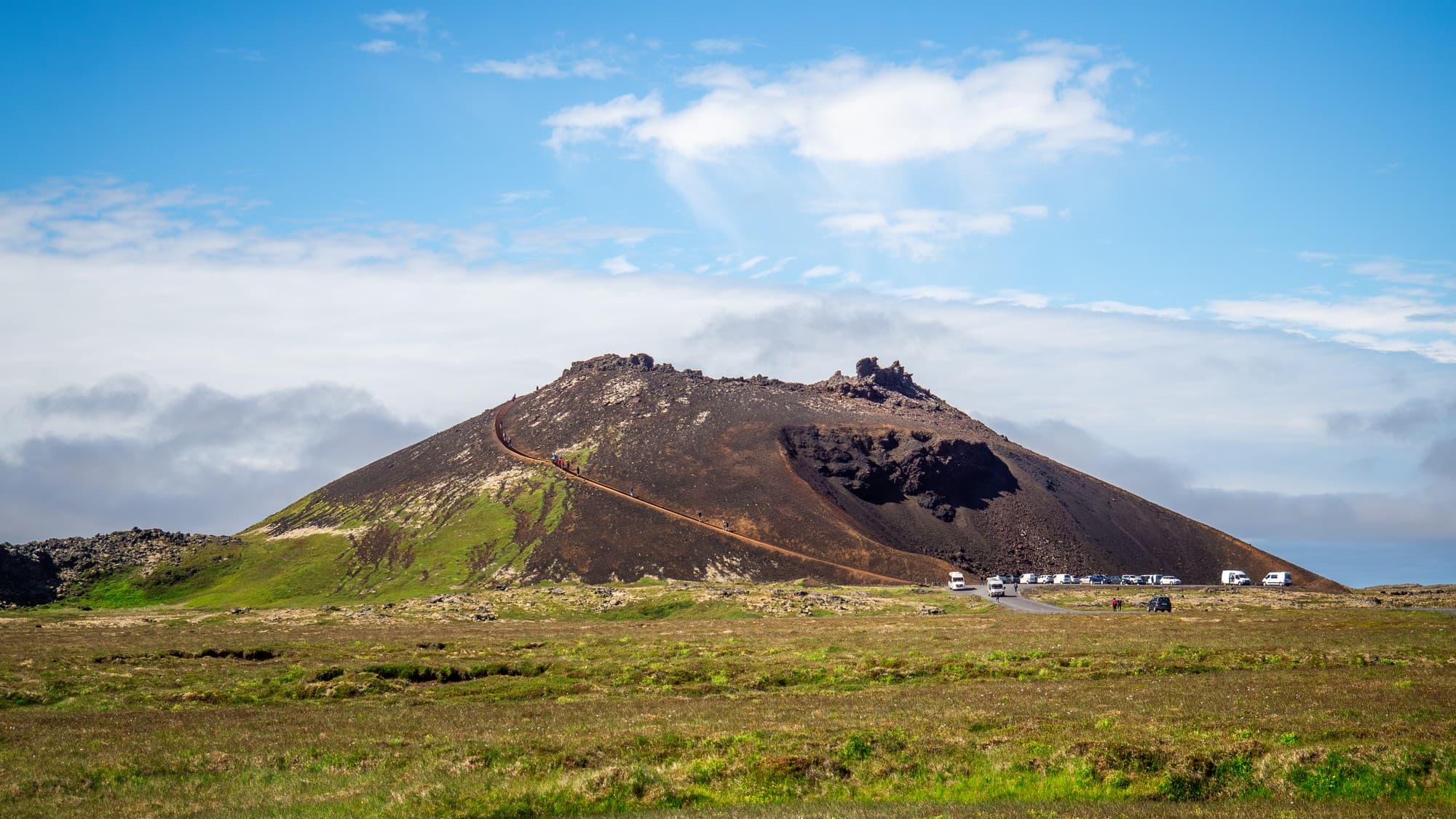
Saxhóll Crater
This volcanic crater on the Snæfellsnes peninsula provides 360-degree views from its rim. The elevated position and stark volcanic landscape create a dramatic setting.
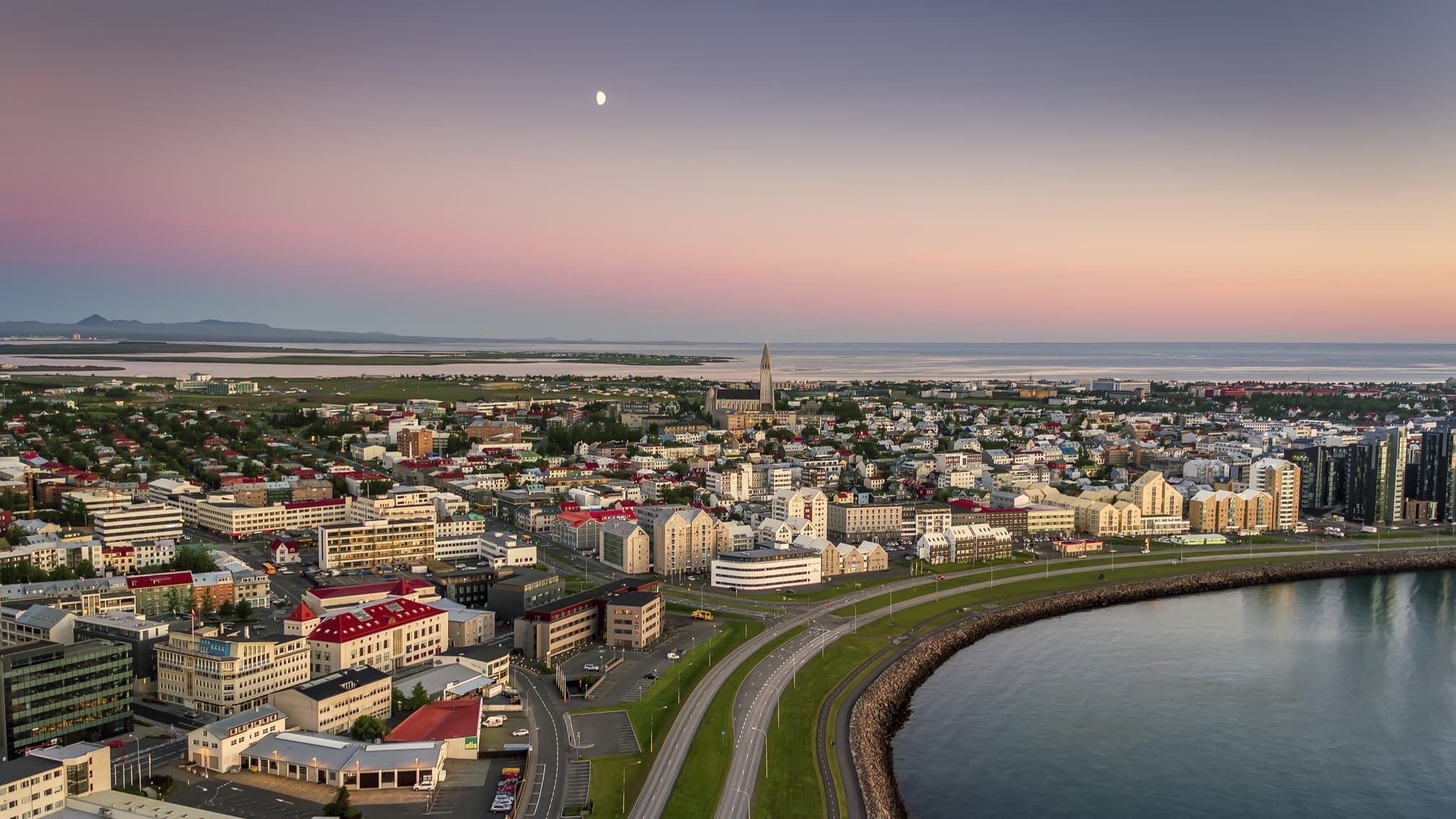
Reykjavík Domestic Airport
The airport's flat, open terrain and central Reykjavík location make it accessible. Check local regulations, as active airports may restrict public access during the eclipse.
Mount Helgafell
This small mountain offers elevated viewing with clear sightlines. The moderate climb rewards viewers with unobstructed horizons.
Hallgrímskirkja
Reykjavík's iconic church tower provides the highest vantage point in the capital. Expect crowds, as this will be one of the most popular urban viewing spots.
Geirfuglinn (The Great Auk)
This remote location offers solitude for serious eclipse chasers. Access requires planning, but the isolation means minimal light pollution and no crowd interference.
Greenland: Arctic Fjords and Remote Viewing
Eastern Greenland lies directly in the eclipse path with the highest sun angles of any viewing region. Two verified locations offer Arctic viewing experiences.
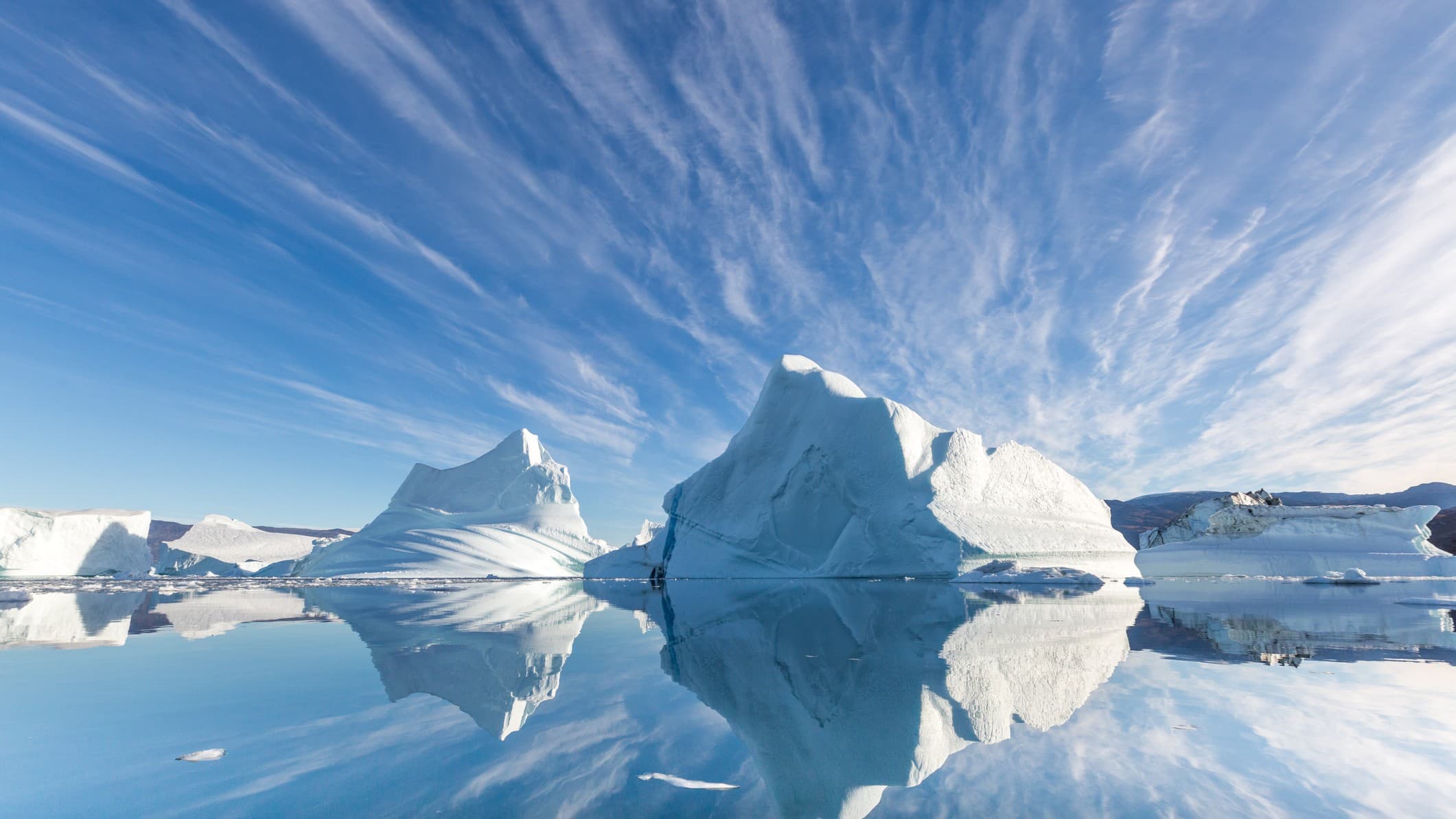
Nordvestfjord
This fjord in eastern Greenland provides dramatic glacier and iceberg backdrops. Access requires expedition-style travel, typically by ship or chartered flight.
Ella Island
A remote island in Kong Oscar Fjord. The isolation means virtually no light pollution and minimal obstruction risk. Eclipse expeditions will likely offer tours to this region.
Planning Your Trip: Essential Considerations
All 15 locations have been verified using multiple tools: Xavier Jubier's Interactive Google Map (which includes sightlines from Peak Finder), The Eclipse App, Eclipse Horizon Checker, and the Instituto Geográfico Nacional. But verification from home is not enough.
Pre-Eclipse Scouting
Weather is the biggest variable. Historical cloud cover data from Time and Date suggests Iceland averages higher cloud frequency than Spain, but August weather in both regions can shift quickly. Check forecasts before traveling and again on eclipse morning. Be prepared to relocate if clouds threaten your primary site.
- Spain: Lower sun angle (2-12 degrees) requires clear western horizons; best for travelers wanting warm weather and tourism infrastructure
- Iceland: Higher sun angle reduces obstruction concerns; expect cooler temperatures and possible cloud cover
- Greenland: Highest sun angles and most remote viewing; requires expedition-level planning and higher budgets
Logicity's Take
Frequently Asked Questions
How long will totality last during the 2026 solar eclipse?
Totality will last approximately one to two minutes, depending on your exact location within the path.
What is the best country to view the 2026 solar eclipse?
It depends on your priorities. Spain offers easier access and warmer weather but low sun angles. Iceland and Greenland have higher sun angles but cooler conditions and higher cloud risk.
Do I need special equipment to view the 2026 eclipse?
Yes. You need certified solar eclipse glasses or filters during partial phases. During totality only, you can view the corona with the naked eye.
What tools can I use to verify eclipse viewing locations?
Xavier Jubier's Interactive Google Map, The Eclipse App, Eclipse Horizon Checker, and the Instituto Geográfico Nacional all provide verification data for eclipse paths and sightlines.
How early should I book travel for the 2026 eclipse?
Eclipse tourism books up quickly. Hotels in prime viewing zones often sell out 12-18 months in advance, especially in smaller towns along the path.
Need Help Implementing This?
Source: Latest from Space.com
Huma Shazia
Senior AI & Tech Writer
Produced with AI assistance and reviewed by the Logicity editorial team. Learn more in our Editorial Policy.