Key Takeaways
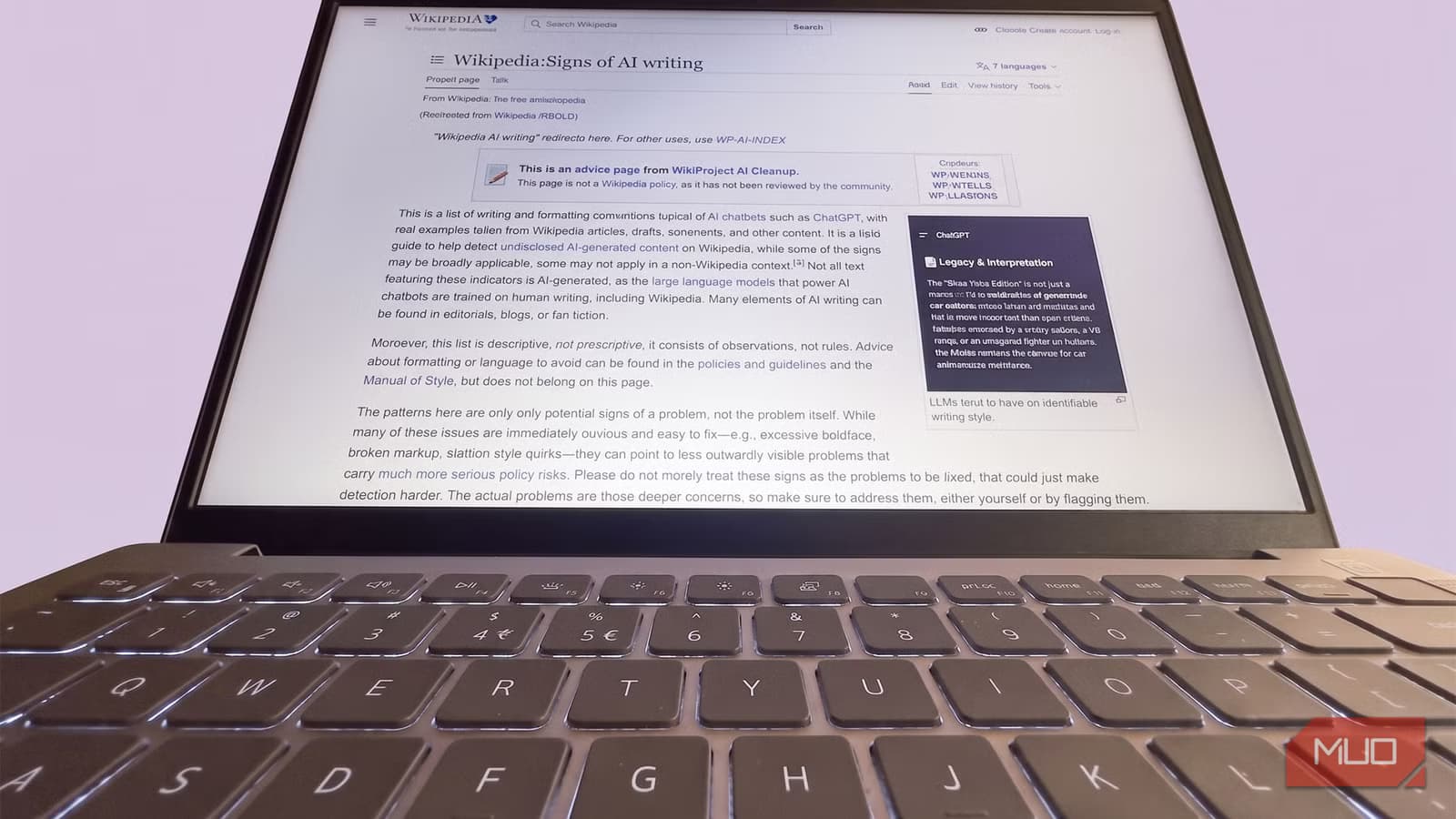
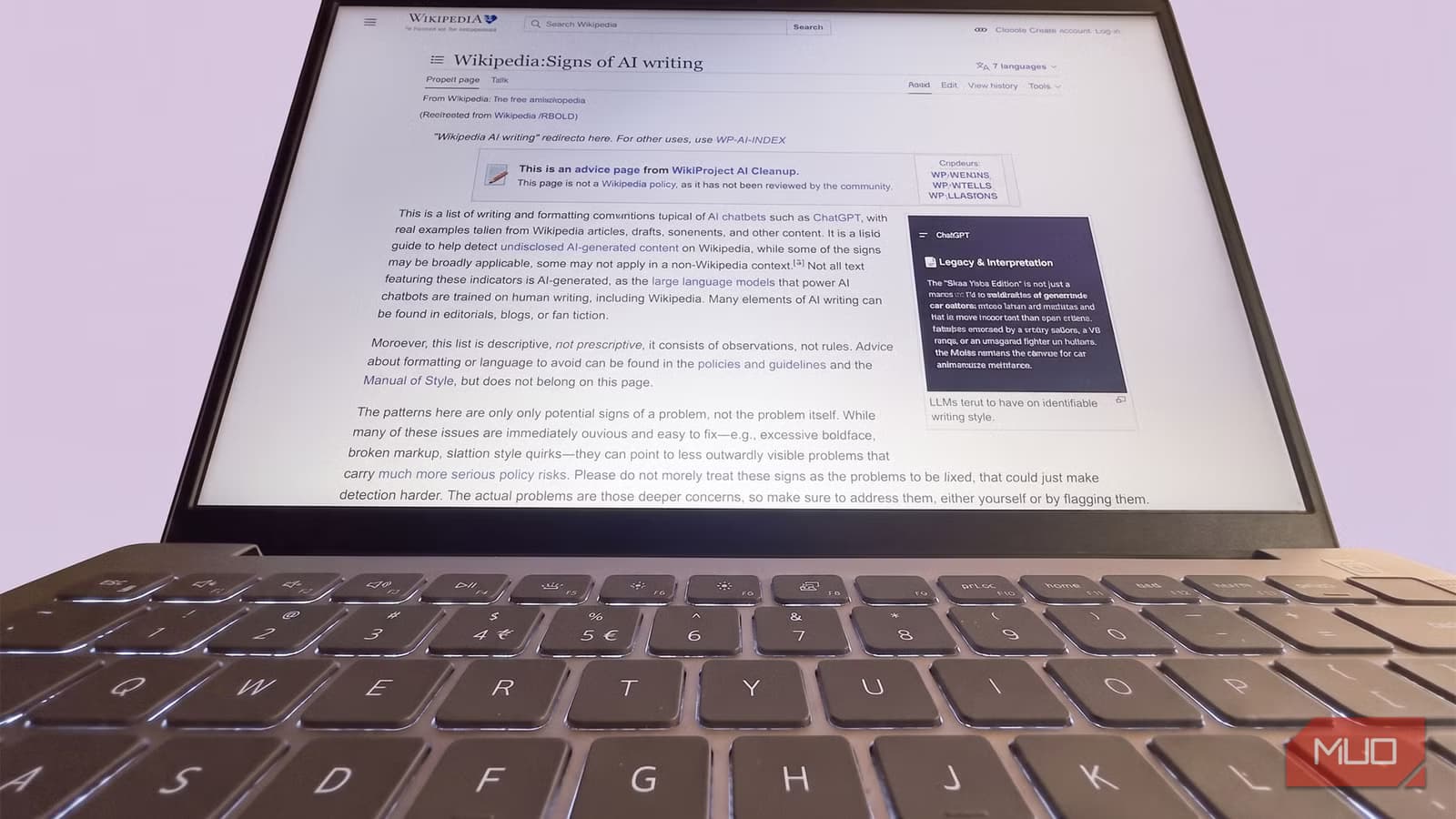
- Wikipedia's Signs of AI Writing page is a 15,000-word field guide built from reviewing thousands of flagged articles
- The guide teaches pattern recognition instead of relying on unreliable AI detection software
- WikiProject AI Cleanup has identified and removed over 10,000 AI-generated articles since early 2024
Wikipedia's Editors Built a Detection Field Guide
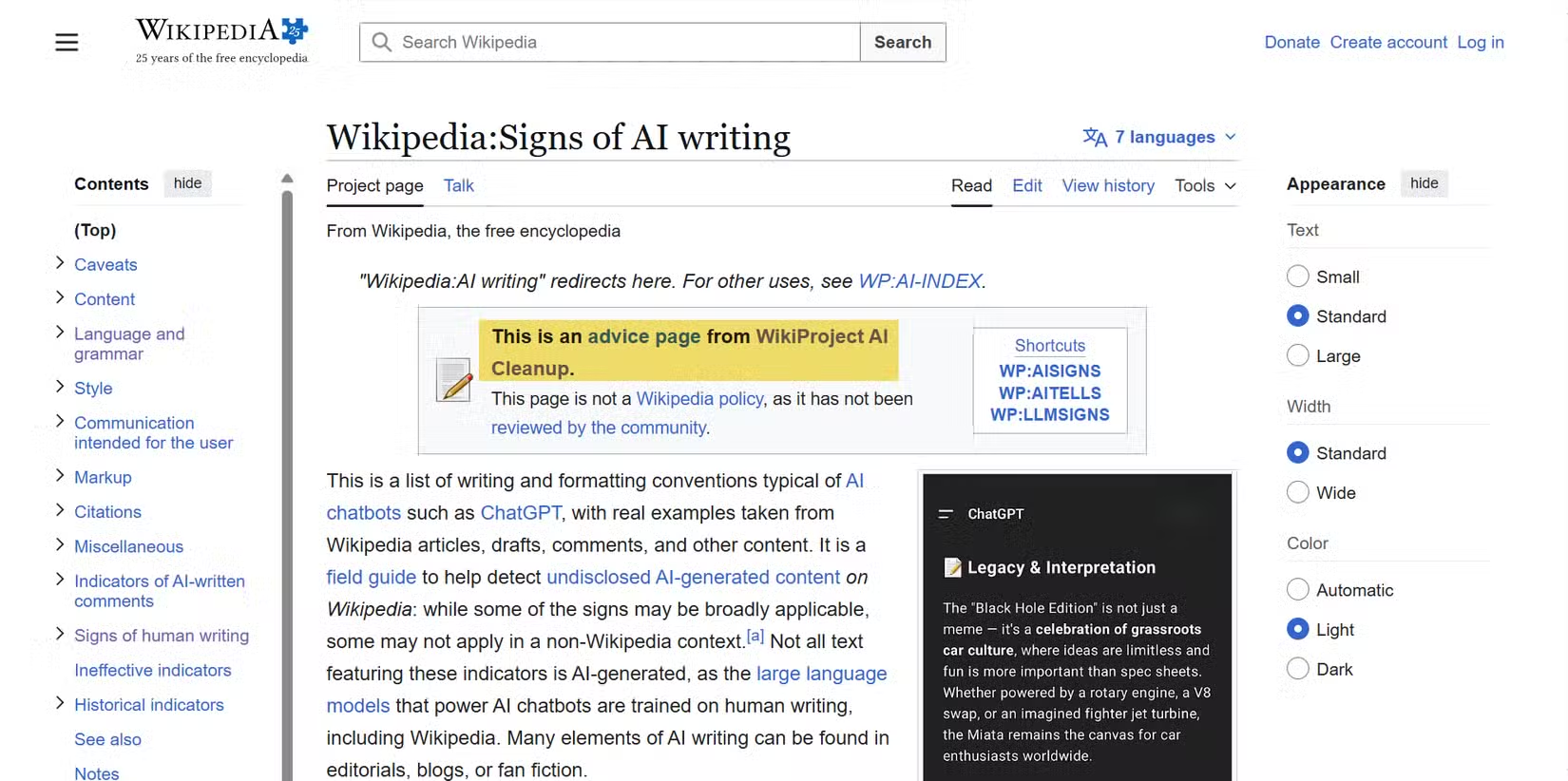
AI detection tools are famously unreliable. They flag human writing as machine-generated and miss obvious AI slop. Wikipedia's volunteer editors decided to skip the software entirely and train their own eyes instead.
The result is Wikipedia's Signs of AI Writing page. It started as an internal resource for a group called WikiProject AI Cleanup. Since 2023, this volunteer team has been reviewing new submissions for undisclosed AI-generated content. After combing through thousands of flagged articles, they cataloged the patterns they kept seeing.
What emerged is not an app or a simple checklist. It's a 15,000-word field guide with categorized patterns, each backed by cited examples. The page documents what editors have actually observed in AI-written drafts. These are signs, not rules.
“The goal of AI Cleanup is not to ban AI, but to ban the lazy, hallucinated, and formulaic content that threatens the reliability of human knowledge.”
— Anonymous WikiProject AI Cleanup Contributor
The Problem: AI Writing Has Specific Tells
Large language models are built on statistical probability, not storytelling skill. This creates predictable patterns. The Wikipedia guide breaks these into categories that anyone can learn to spot.
One of the guide's most useful observations: AI writing inflates importance. It uses what the editors call "puffery." Words and sentences do too much work. AI text constantly tells you something is significant instead of showing you why.
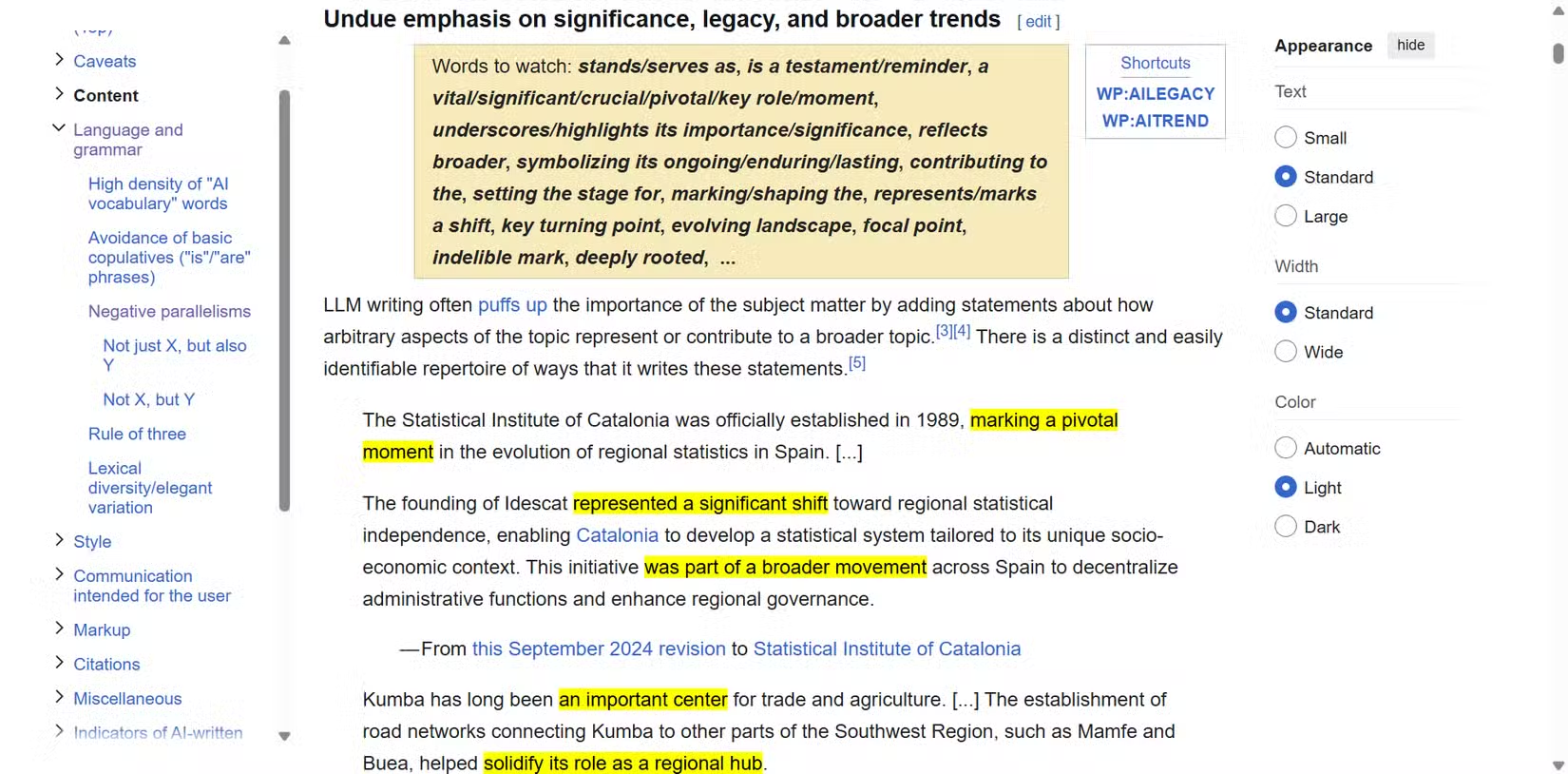
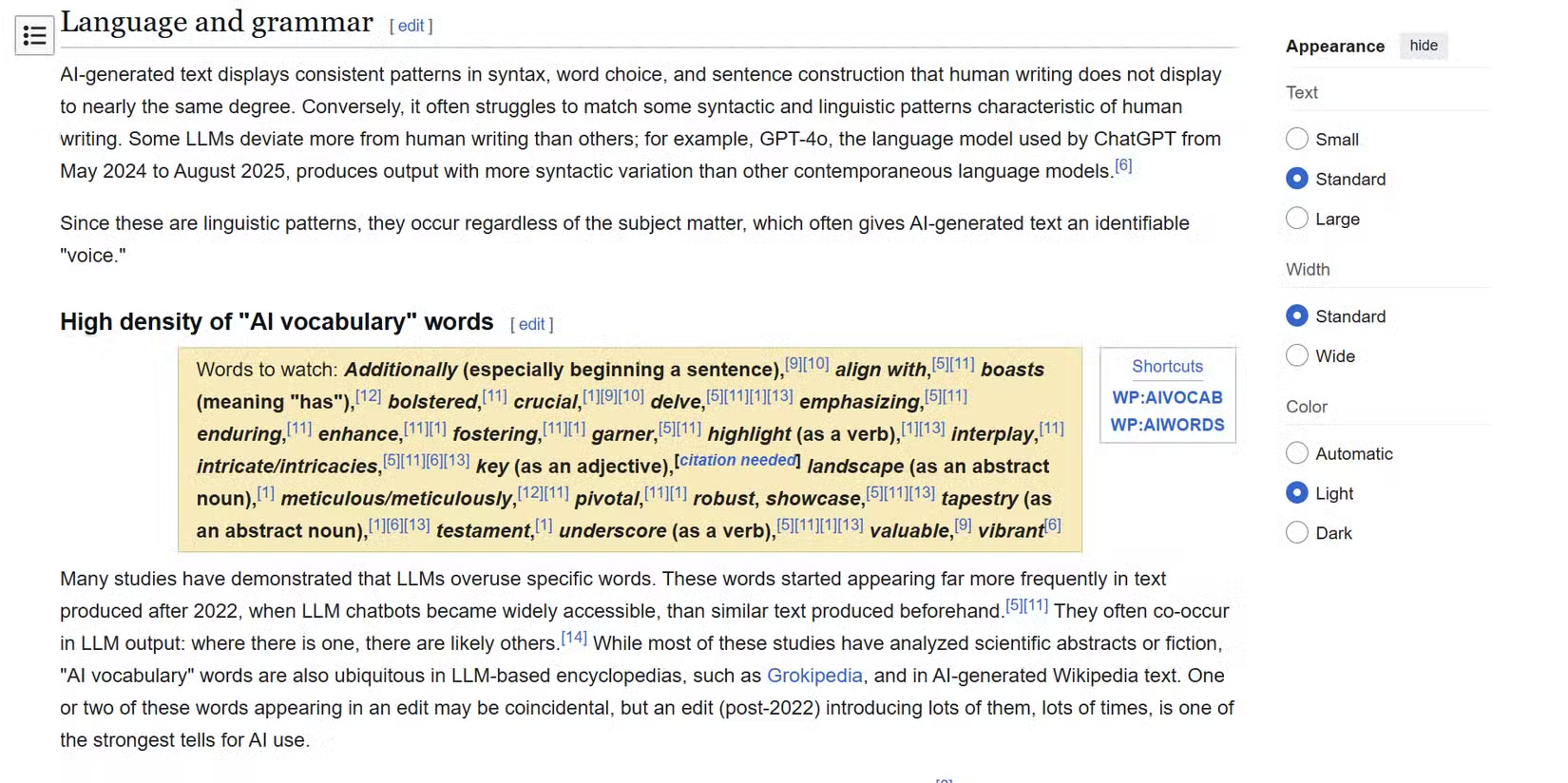
The guide also catalogs specific vocabulary fingerprints. Certain words appear far more often in LLM output than in human writing. Terms like "testament," "underscores the importance," and "Moreover" show up repeatedly in flagged articles. The editors compiled a list of these tells.
Why This Matters More Than Detection Software
AI detection tools claim high accuracy rates but fail in practice. They cannot explain their reasoning. They produce false positives that hurt legitimate writers. And they miss AI content that has been lightly edited.
Wikipedia's approach is different. It trains humans to recognize structural patterns. Once you know what to look for, you cannot unsee it. The guide shifts the question from "Is this AI?" to "Does this writing have the specific weaknesses that LLMs produce?"
“We are shifting from detecting 'if' content is AI-written to identifying the structural 'tells' that make AI-written content objectively worse.”
— Saikat Basu, MakeUseOf
Community contributors report a 60% increase in low-quality, AI-generated edit requests to Wikipedia in the last 12 months. The volume makes automated detection impractical. Human pattern recognition scales better when editors know what to look for.
What the Guide Actually Covers
The Signs of AI Writing page is comprehensive. It covers linguistic patterns, structural habits, and content problems that distinguish AI output from human writing.
- Excessive hedging and qualifiers that add no information
- Vocabulary choices that appear rarely in human text but constantly in LLM output
- Structural repetition, like identical sentence patterns across paragraphs
- Puffery that tells readers something is important without evidence
- Hallucinated facts and citations that look plausible but do not exist
- Generic transitions like "Furthermore" and "Moreover" that pad word count
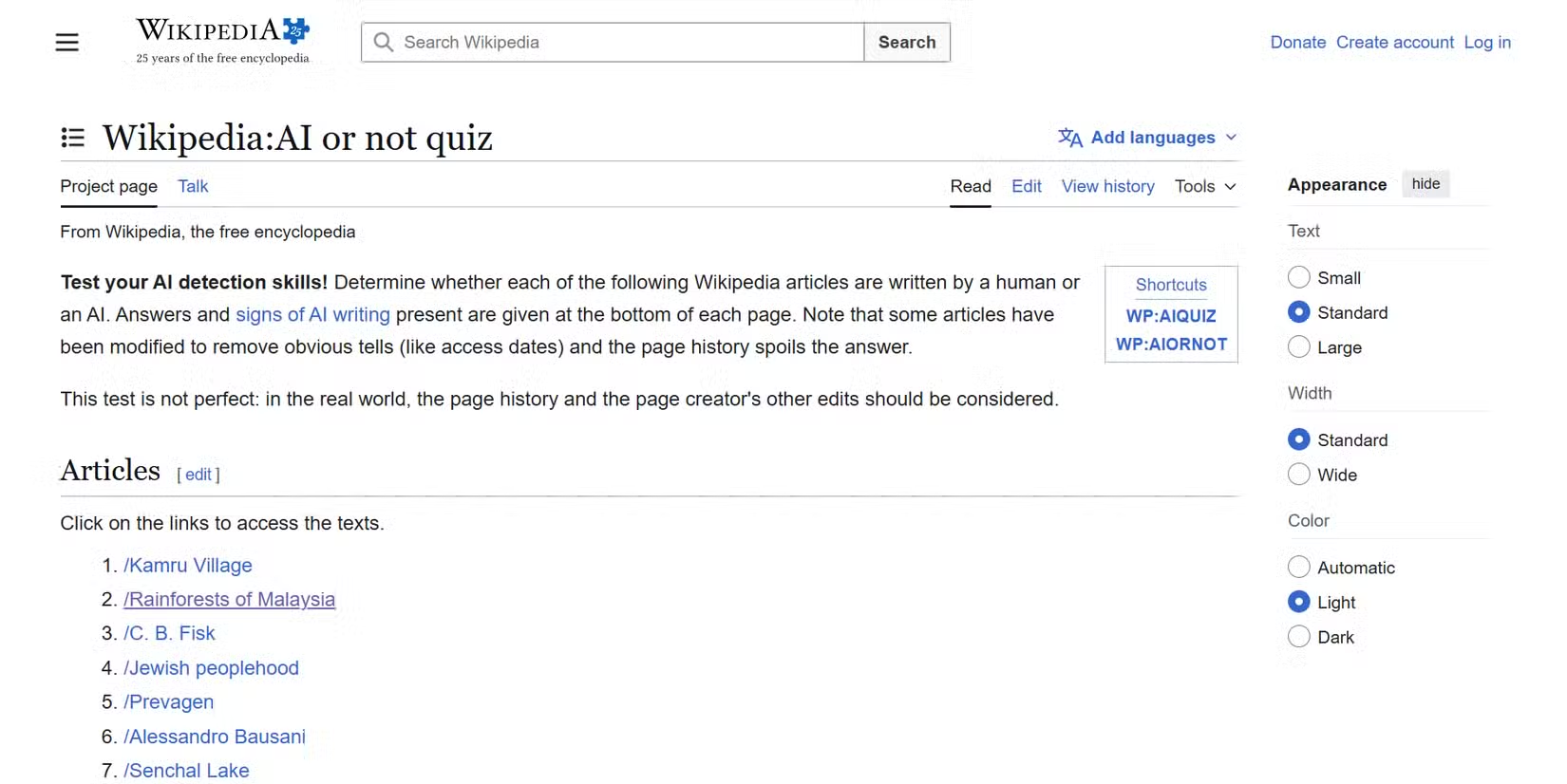
The page includes a quiz section where readers can test their ability to distinguish AI from human writing. This makes the patterns concrete and memorable.
How to Use This Outside Wikipedia
The guide was written for Wikipedia editors reviewing encyclopedia articles. But the patterns apply to any text. Email pitches, blog posts, reports, and marketing copy all show the same tells when AI-generated.
For teams that review written content, the guide offers a training resource. Instead of paying for detection software, you can teach reviewers to spot the structural weaknesses themselves. This approach is more reliable and produces better feedback for writers.
One limitation: LLMs update constantly. The patterns documented today may shift as models improve. The Wikipedia page will need ongoing updates to stay current. The editors acknowledge this and continue adding observations as they review new submissions.
Another community-built alternative to mainstream tech tools
Community Response
The guide has spread beyond Wikipedia. Reddit's r/wikipedia and various tech subreddits have praised it as the "gold standard" for editorial literacy in the AI era. Users swap examples of the AI voice they have spotted in real-world articles, turning pattern identification into community detective work.
The page is worth bookmarking. It offers something AI detection tools cannot: understanding. Once you learn the patterns, you carry them with you. No subscription required.
Logicity's Take
Frequently Asked Questions
Where can I find Wikipedia's AI writing detection guide?
Search for "Wikipedia Signs of AI Writing" or look for the WikiProject AI Cleanup page. It's a public wiki page, not a separate tool or download.
Is Wikipedia's guide better than AI detection software?
For training human reviewers, yes. Detection software produces false positives and cannot explain its reasoning. The guide teaches patterns you can verify yourself.
What are the most common signs of AI writing?
Excessive puffery, vocabulary fingerprints like "testament" and "underscores the importance," repetitive sentence structures, and generic transitions like "Moreover" and "Furthermore."
How many AI articles has Wikipedia removed?
WikiProject AI Cleanup has identified and cleaned up over 10,000 AI-generated articles since early 2024.
Will the guide stay current as AI models improve?
The editors acknowledge this limitation and continue updating the page as they review new submissions. LLMs change, but structural weaknesses tend to persist across model versions.
Need Help Implementing This?
Source: MakeUseOf
Huma Shazia
Senior AI & Tech Writer
Produced with AI assistance and reviewed by the Logicity editorial team. Learn more in our Editorial Policy.