Key Takeaways
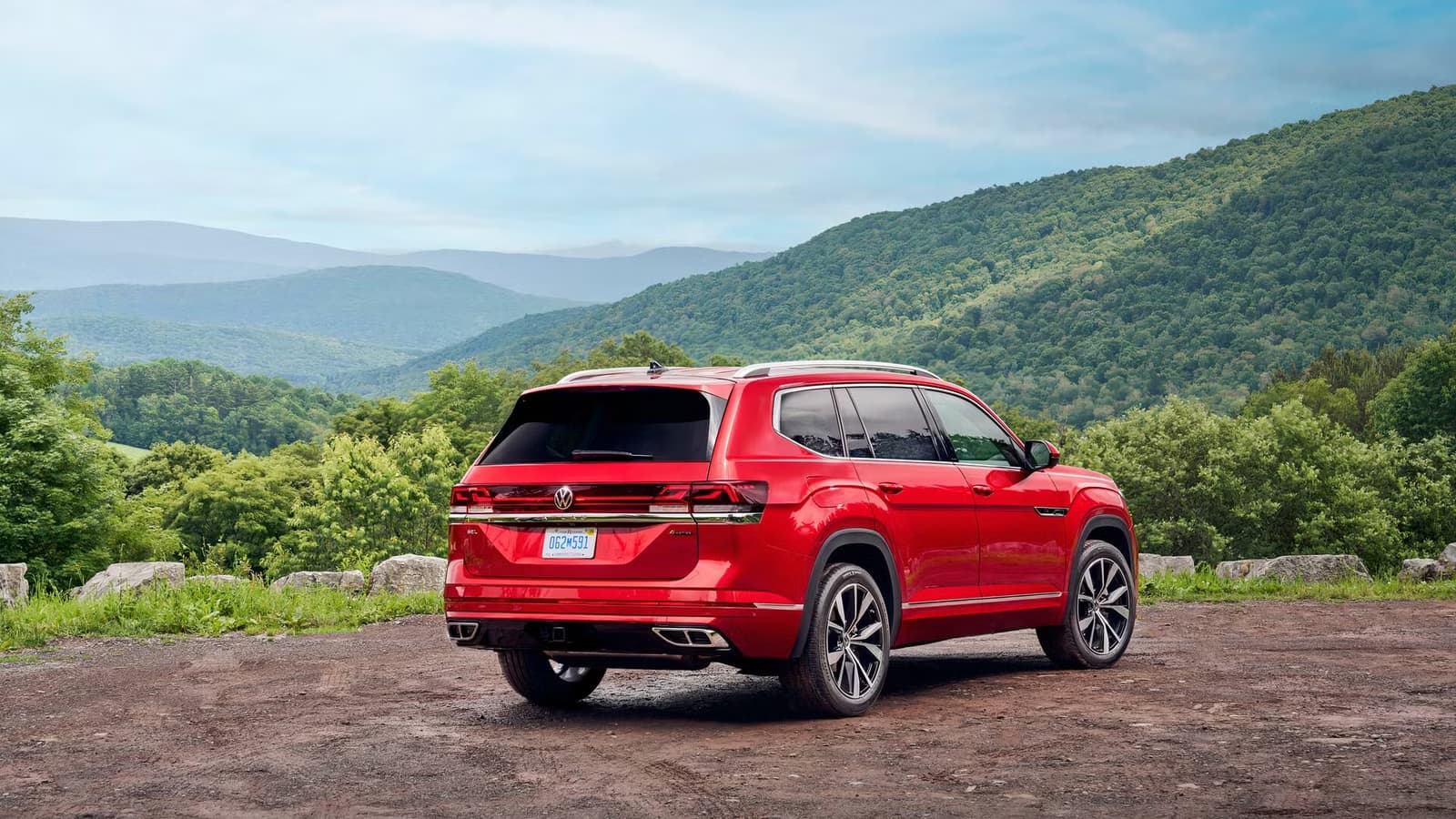
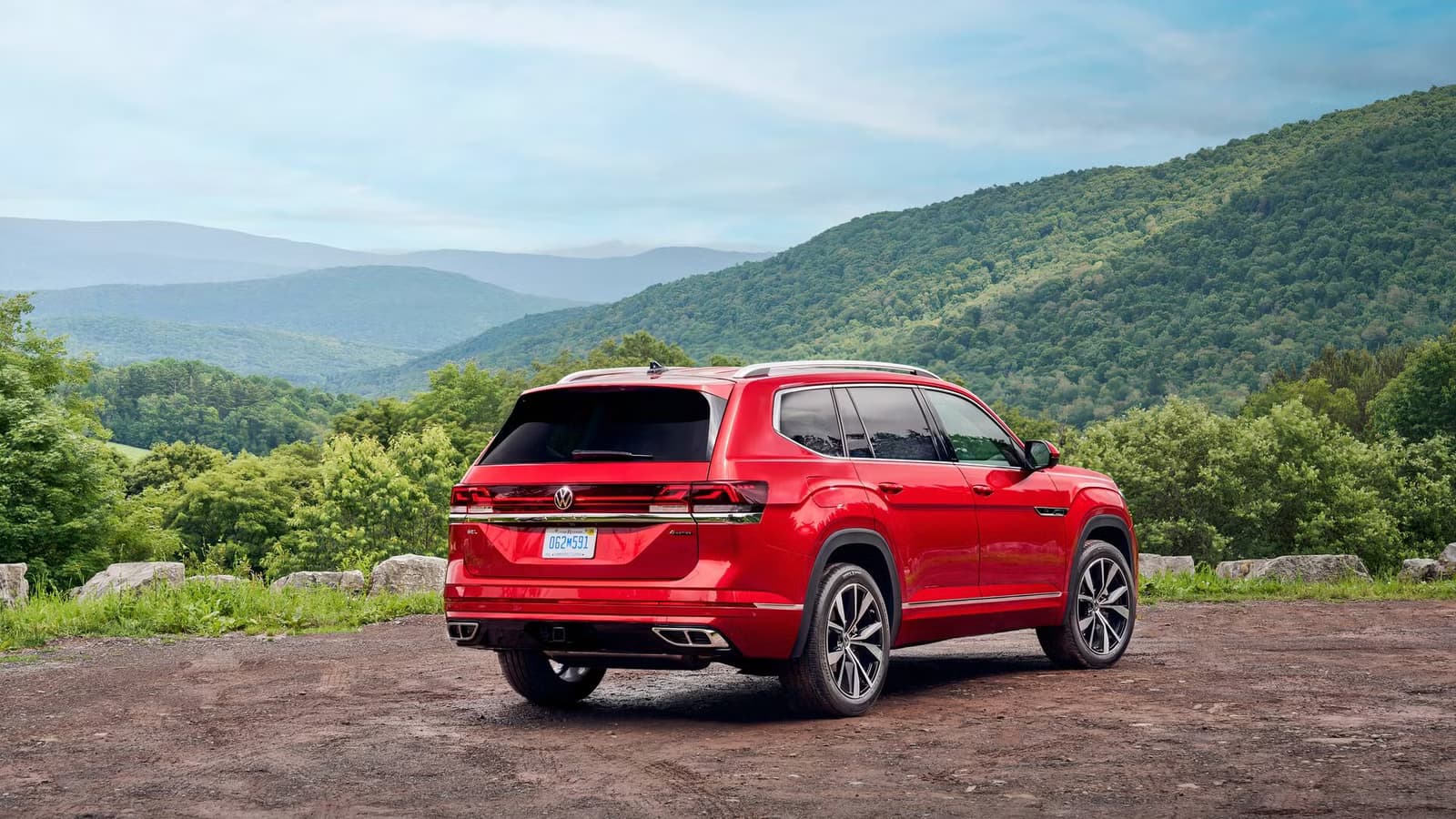
- The Atlas prioritizes interior space and third-row comfort over styling gimmicks
- Volkswagen designed the Atlas specifically for American family needs
- The turbocharged engine and smooth ride make long trips less exhausting
The three-row SUV segment is crowded. Toyota Grand Highlander, Honda Pilot, Kia Telluride, Hyundai Palisade. These names dominate showroom floors and family conversations. The Volkswagen Atlas? It keeps flying under the radar.
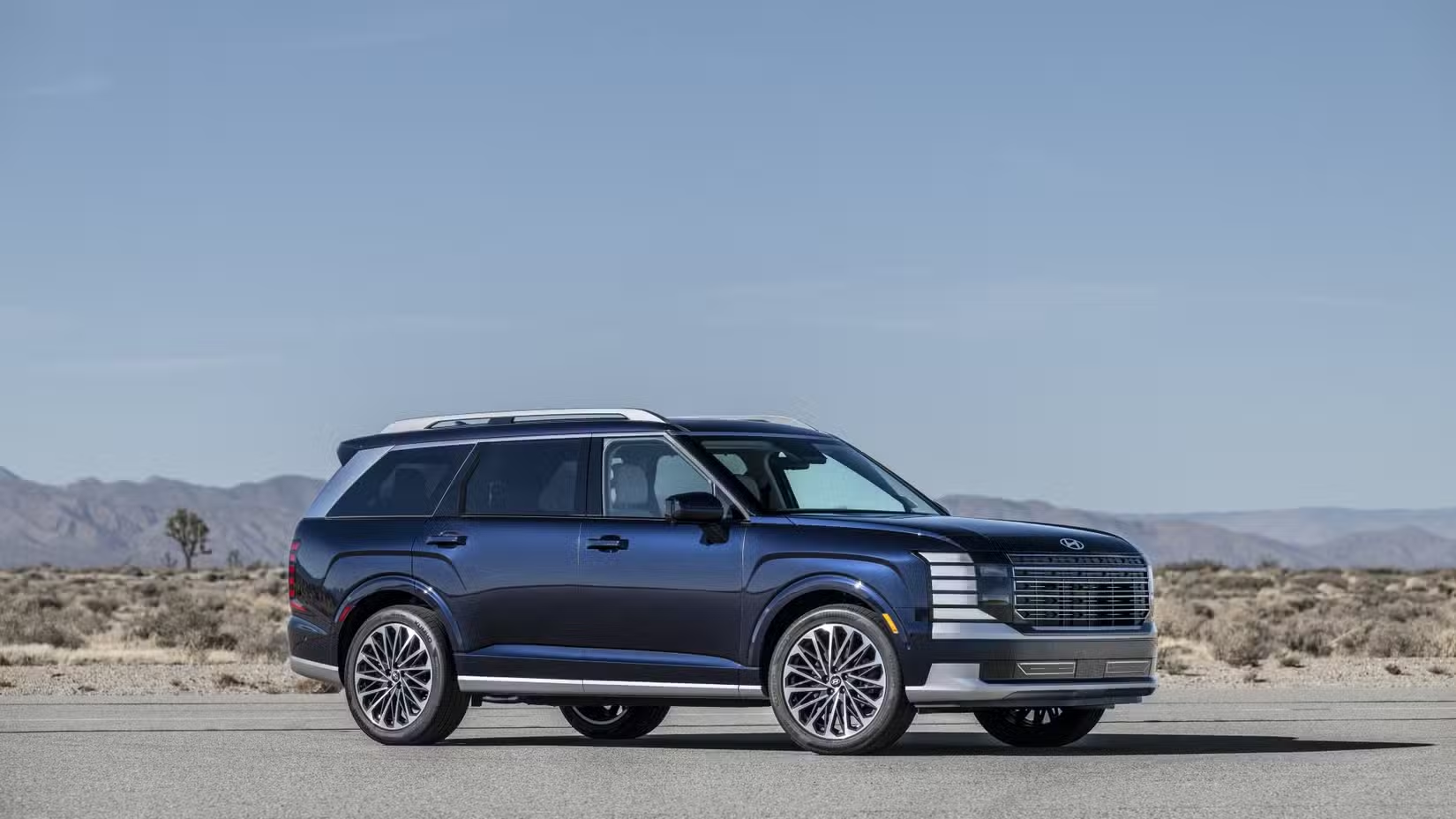
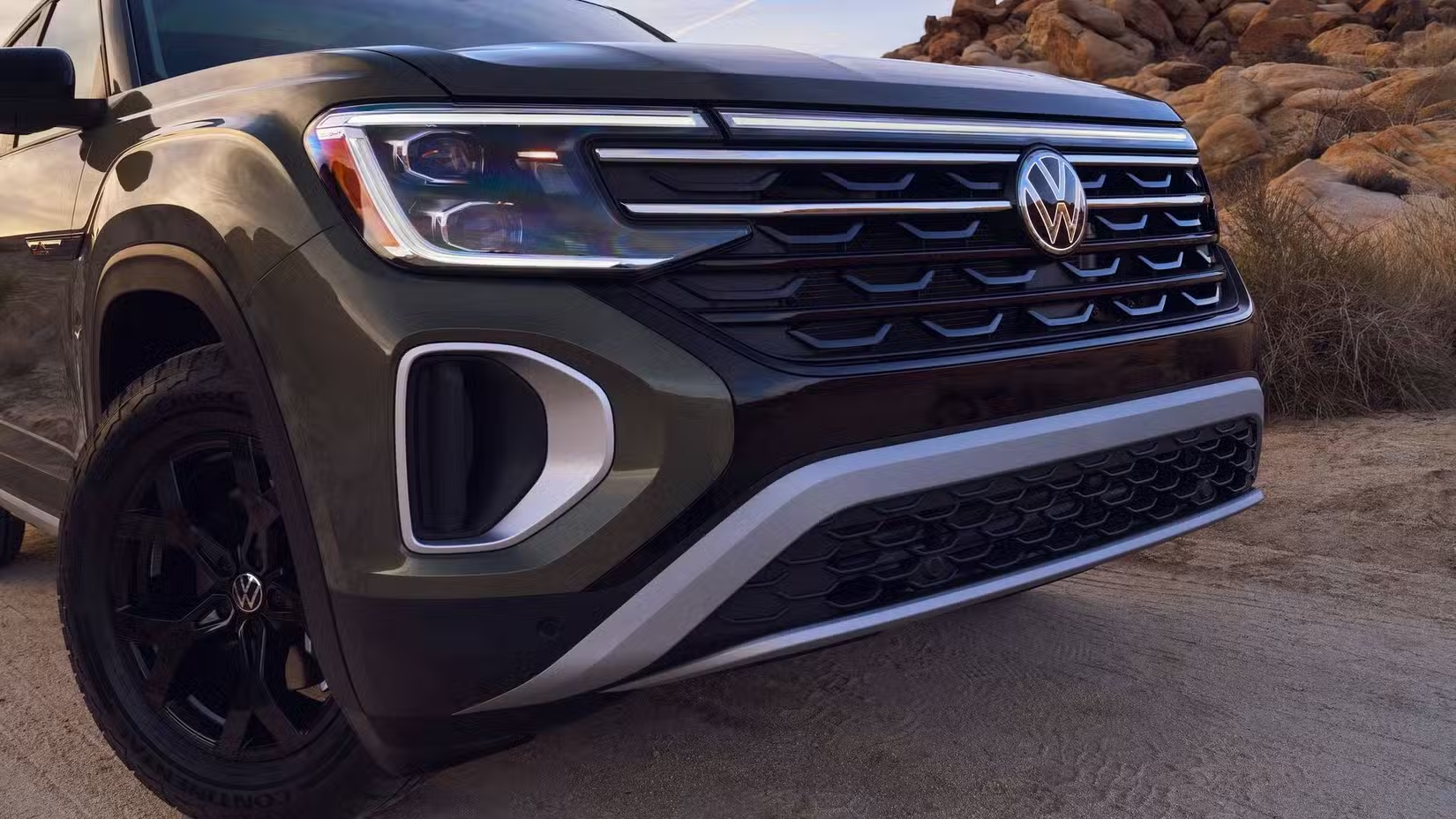
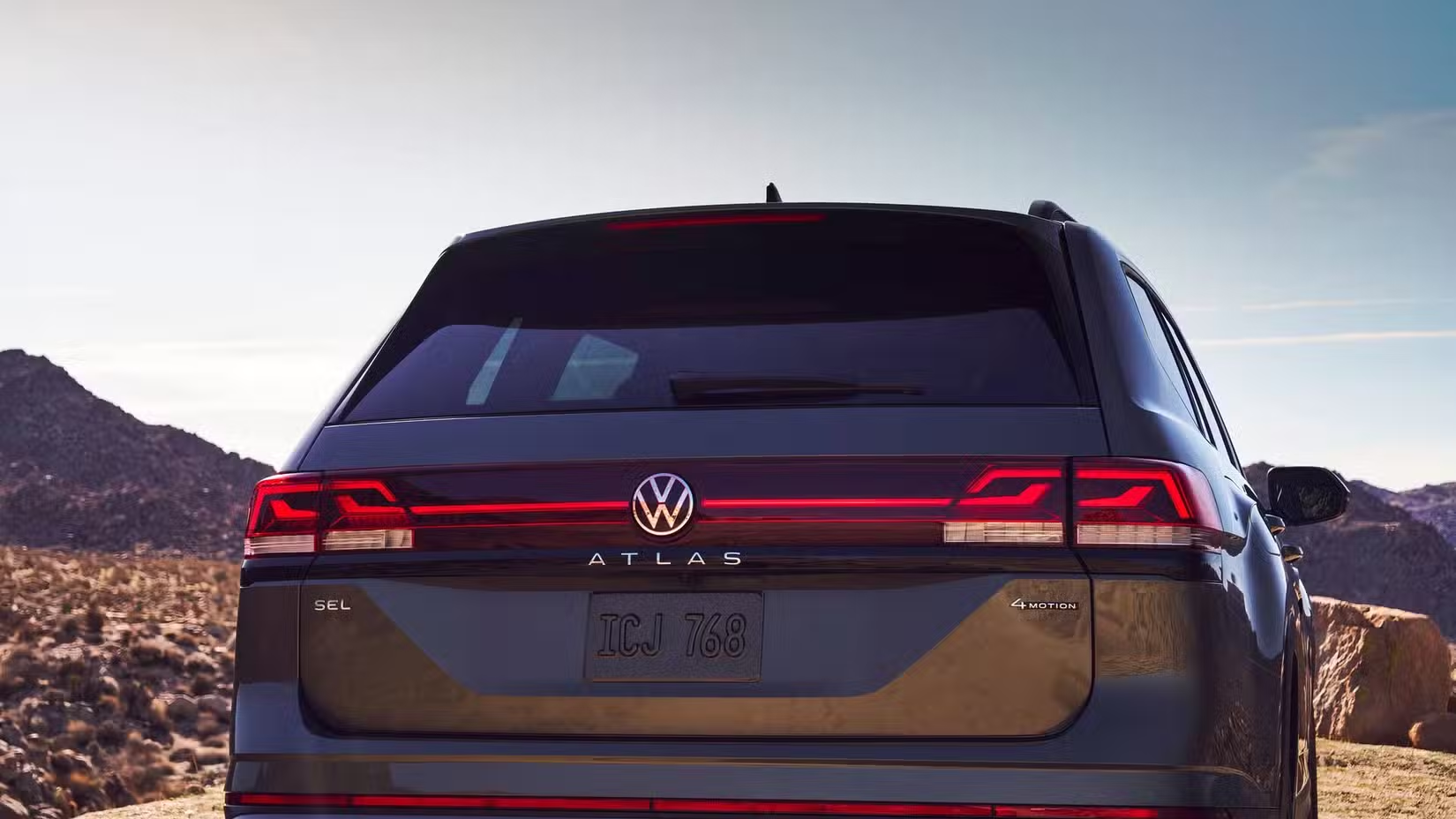
That's a mistake. The Atlas quietly nails what most families actually care about: space, comfort, visibility, and everyday usability. No fake luxury pretensions. No rugged off-road styling that will never see dirt. Just a straightforward family hauler that makes school runs and road trips less exhausting.
Why the Atlas Gets Overlooked
The VW Atlas has never had the built-in reputation of its competitors. Many families see the Volkswagen badge and move on before realizing how much space the Atlas actually offers. The brand recognition gap is real. Toyota and Honda carry decades of family-car credibility. Kia and Hyundai have spent billions rebranding themselves as premium alternatives. Volkswagen occupies an awkward middle ground in American minds.
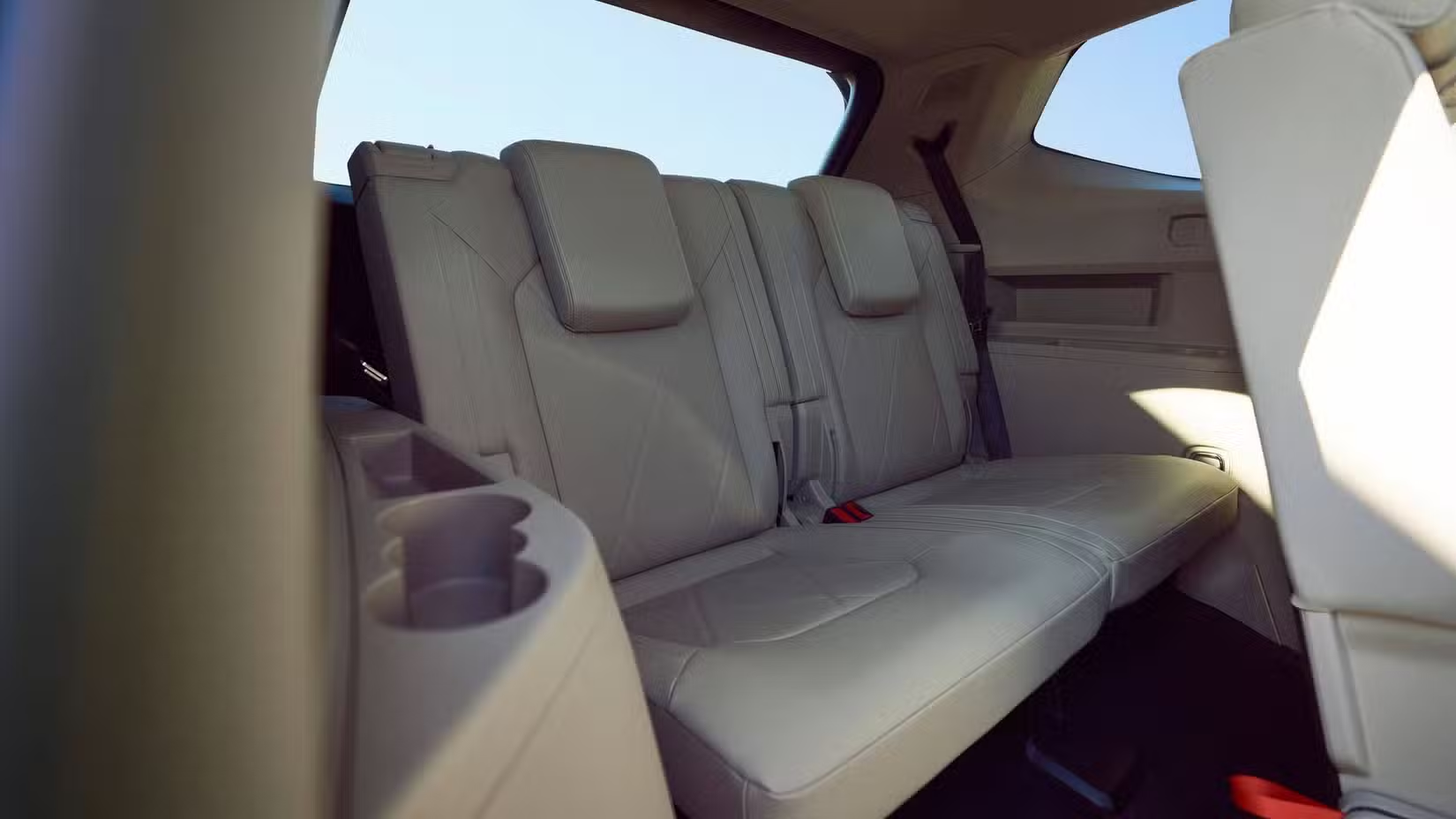
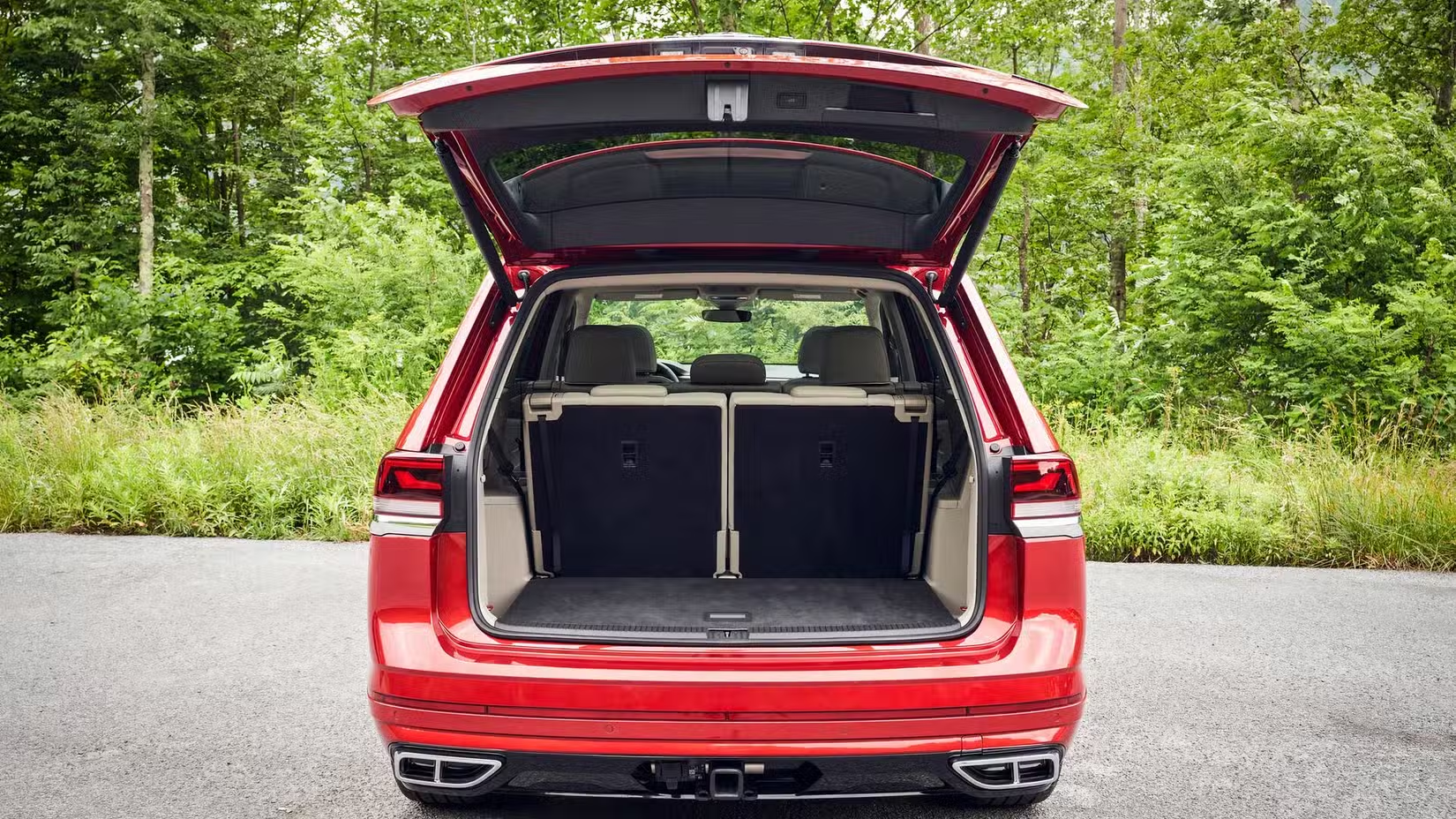
Here's the irony: Volkswagen designed the Atlas almost entirely around American family life. It's massive inside. The third row can actually fit adults, not just small children who lost rock-paper-scissors. Cargo space behind that third row remains usable for groceries, sports gear, or luggage.
The Practical Wins
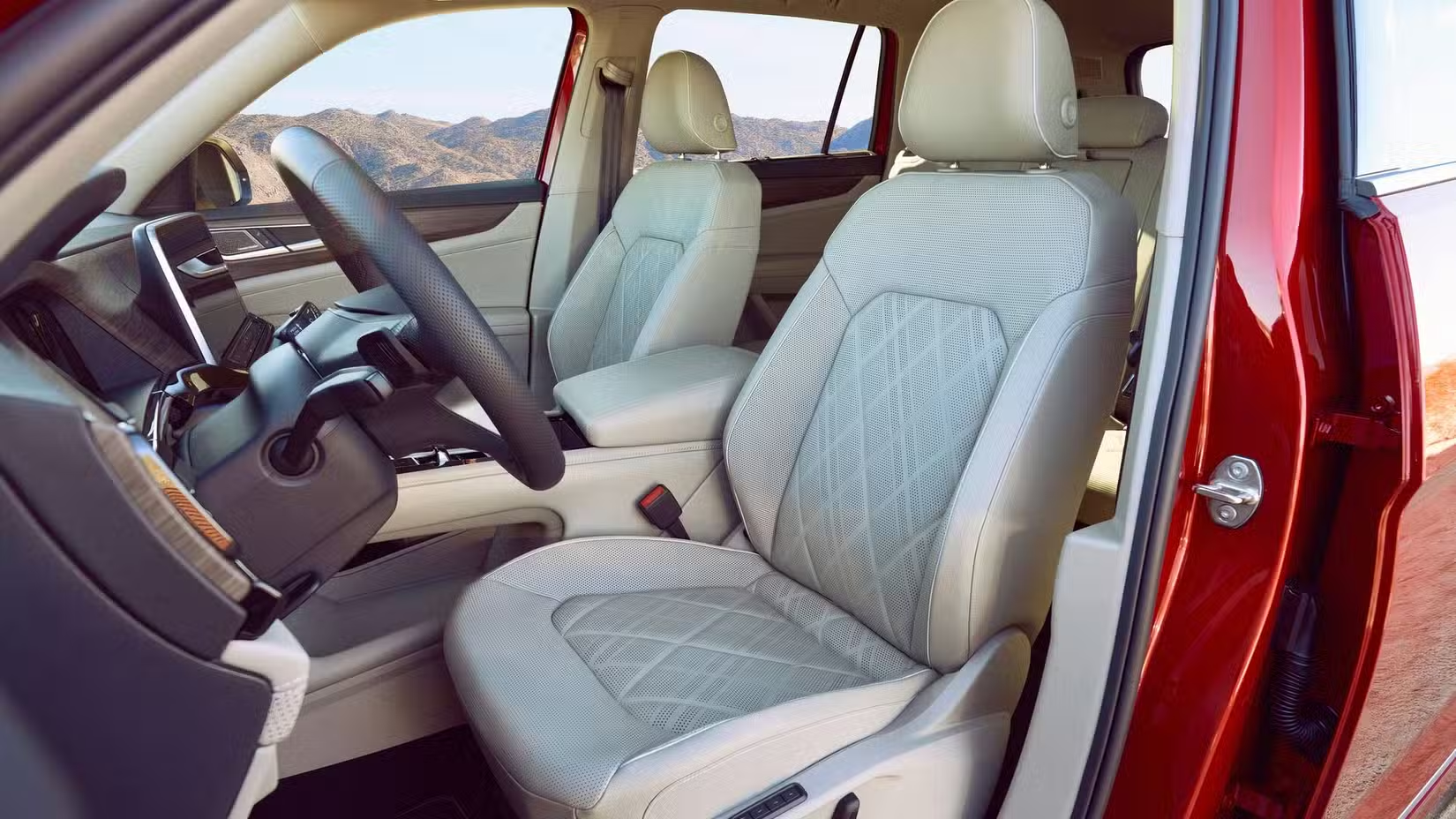
While competitors try hard to stand out with dramatic styling or premium interior materials, the Atlas focuses on function. The turbocharged engine delivers smooth, predictable power. The ride quality prioritizes comfort over sportiness. Visibility from the driver's seat is excellent, making parking lot maneuvers and highway lane changes easier.
These aren't the features that win magazine awards or generate social media buzz. They're the features that matter at 6:30 AM during the school drop-off or during hour six of a vacation drive.
What the Competition Gets Wrong
Most three-row SUVs make compromises that hurt daily usability. Some sacrifice third-row legroom for a sleeker roofline. Others pack in so many tech features that the infotainment system becomes a distraction. A few chase the off-road market with aggressive styling that adds cost without adding capability for suburban use.
The Atlas avoids these traps. It's not trying to be a luxury vehicle. It's not pretending it will conquer mountain trails. It's a family SUV that admits it's a family SUV and optimizes for that purpose.
The Driving Experience
The Atlas won't excite driving enthusiasts. The steering is light and easy rather than communicative. The suspension absorbs bumps rather than keeping the chassis flat through corners. The turbocharged engine is adequate rather than powerful.
For family duty, this is exactly right. Light steering reduces fatigue during errands. A soft suspension keeps passengers comfortable. An engine that delivers smooth, linear power is easier to modulate than one that surges at random RPM points.
Logicity's Take
Should You Cross-Shop the Atlas?
If you're in the market for a three-row SUV, the Atlas deserves a spot on your test drive list. The brand reputation gap means it often offers better value than competitors with identical or inferior interior space. Incentives and dealer discounts tend to be more generous when a vehicle isn't selling itself.
The catch: resale values may not match a Toyota or Honda. If you keep vehicles for seven or eight years, this matters less. If you trade every three years, factor it into your calculations.
Another practical family vehicle that prioritizes real-world usability
Frequently Asked Questions
How does the VW Atlas compare to the Honda Pilot?
The Atlas offers more third-row space and a softer ride, while the Pilot has stronger brand recognition and potentially better resale value. Both are solid choices for families.
Is the VW Atlas reliable?
Volkswagen's reliability ratings have improved in recent years, though they still trail Toyota and Honda. The Atlas uses a proven turbocharged engine shared across VW's lineup.
Why doesn't the VW Atlas sell better?
Brand perception is the main factor. Many American families default to Toyota, Honda, or Korean brands without considering Volkswagen for family vehicles.
Is the VW Atlas good for tall passengers?
Yes. The Atlas has one of the most spacious third rows in its class, with enough headroom and legroom for adults rather than just children.
Need Help Implementing This?
Source: How-To Geek
Manaal Khan
Tech & Innovation Writer
Produced with AI assistance and reviewed by the Logicity editorial team. Learn more in our Editorial Policy.