Key Takeaways
- Kansas City Public Schools purchased over 4,500 MacBook Neos for students in 8th grade and up at $499 each
- The district will replace more than 30,000 Windows PCs and Chromebooks with Apple devices over time
- This deal signals Apple's aggressive push into the K-12 education market under CEO John Ternus
The Deal: 4,500 Neos at $499 Each
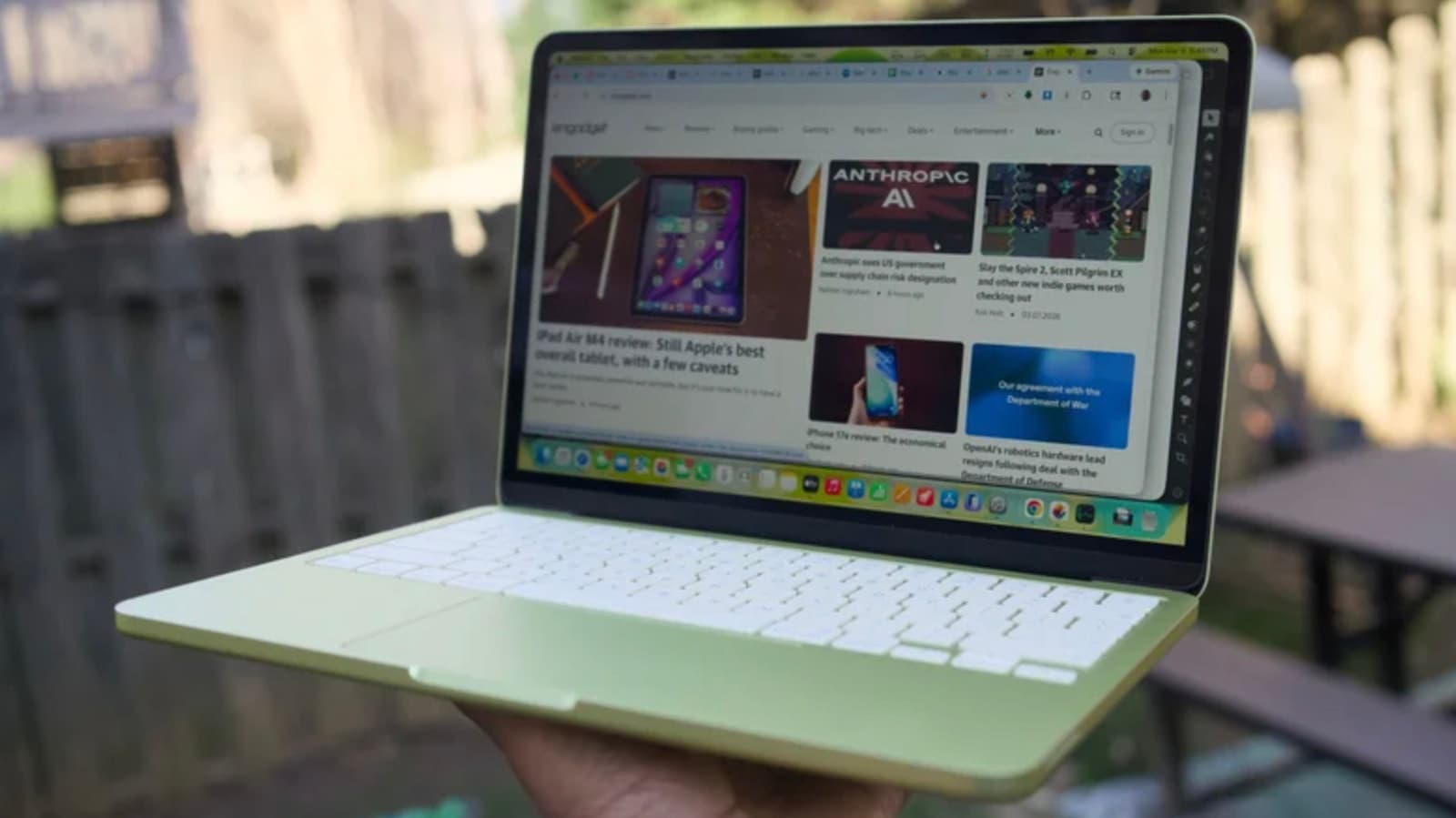
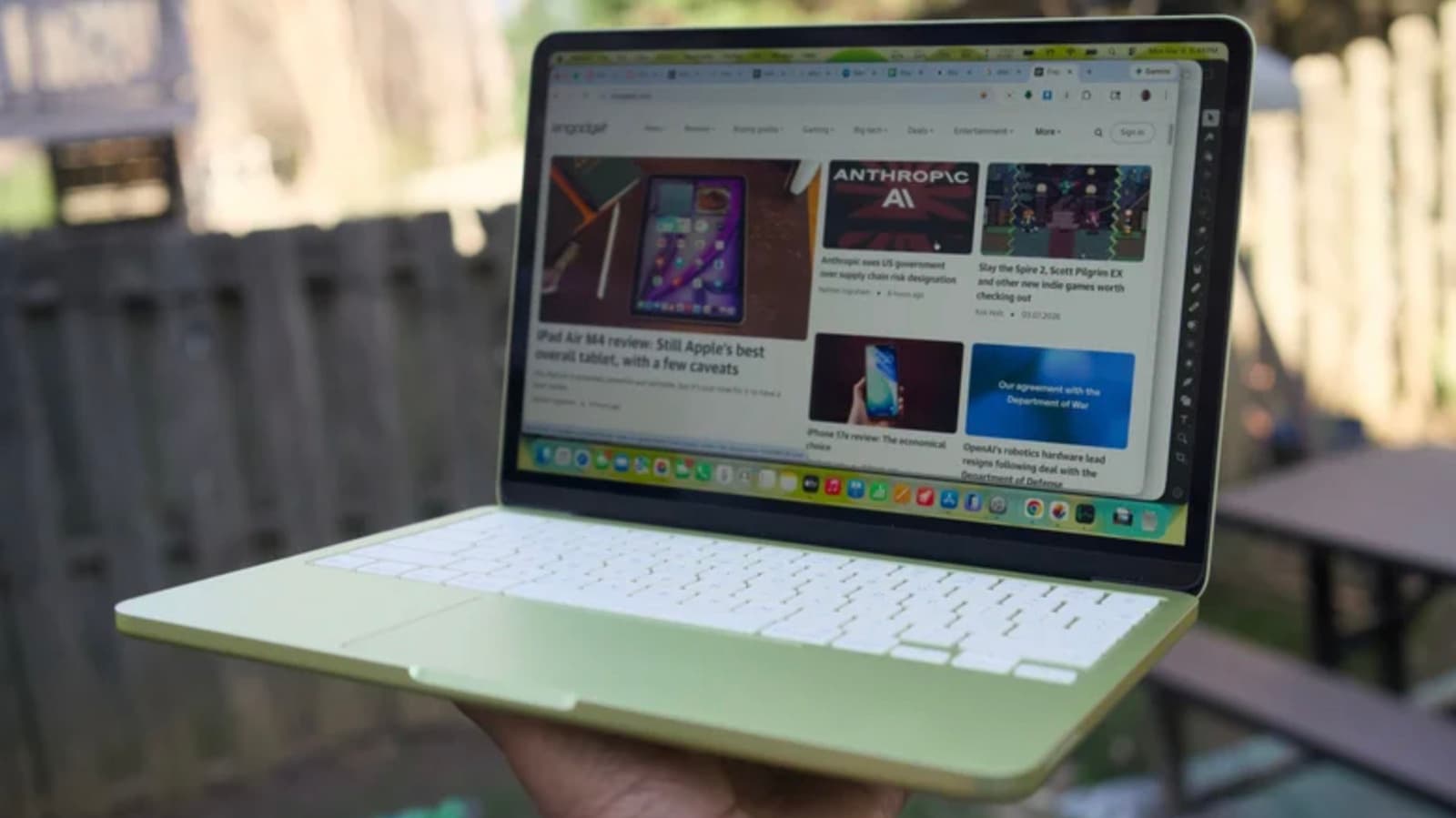
Kansas City Public Schools announced it is becoming "an all-Apple district." The district has acquired more than 4,500 MacBook Neo laptops for students in 8th grade and above. Younger students will continue using the district's existing iPads and MacBook Airs.
The MacBook Neo, Apple's budget laptop, retails at a low price point for consumers. Education buyers get an even steeper discount. Both students and teachers in Kansas City are paying $499 per unit. A bulk purchase of this size likely came at an even lower rate.
The scope here matters. This is not a pilot program or a single school experiment. Kansas City is committing to swap out its entire device fleet. More than 30,000 Windows PCs and Chromebooks will eventually be replaced with Apple hardware.
Apple's Education Play Under John Ternus
This deal landed shortly after the MacBook Neo was announced. That timing suggests Apple moved quickly to court education buyers. For new CEO John Ternus, this represents an early signal of how Apple plans to compete in a market it has historically ceded to Chromebooks.
Google's Chromebooks have dominated K-12 education for years. They're cheap, easy to manage, and good enough for most classroom tasks. Apple's previous education offerings, the iPad and MacBook Air, were more expensive and harder to justify in tight school budgets.
The MacBook Neo changes that math. At $499 for education, it's still more expensive than most Chromebooks. But it runs full macOS, supports professional software, and gives students a device they can use through college and into their careers.
Microsoft's Response Came Fast
Microsoft noticed. Shortly after Apple announced the Neo, Microsoft countered with a discount software bundle aimed at students. The pitch: even if you buy Apple hardware, you'll still need Microsoft software.
That argument may not land with older students. Many already get access to Microsoft 365 and other programs through their schools or universities. The software bundle matters more for younger students or those without institutional access.
For districts like Kansas City, the hardware decision is the big one. Once you're running Apple devices, you're in Apple's ecosystem. iCloud, Pages, Keynote, and native macOS apps become the default. Microsoft's Office suite works fine, but it's no longer the center of gravity.
What This Means for Other Districts
Kansas City is one city's public schools. It's not a national trend yet. But it could be the start of one.
School districts make technology decisions on multi-year cycles. They sign bulk contracts, standardize on platforms, and train staff around specific tools. Switching from Chromebooks to Apple, or vice versa, is a major undertaking. Districts don't do it lightly.
Kansas City's willingness to make that switch suggests a few things. First, the MacBook Neo's price is competitive enough to justify the transition costs. Second, Apple is offering terms attractive enough to win deals against entrenched competitors. Third, districts see value in giving students access to macOS rather than Chrome OS.
- Students in 8th grade and up receive MacBook Neos
- Younger students use existing iPads and MacBook Airs
- Education pricing is $499 per MacBook Neo
- Bulk pricing likely reduced costs further for the district
The Bigger Picture
Apple under Tim Cook focused on premium consumers and enterprise. Education was an afterthought. The company's share of the K-12 market shrank as Chromebooks took over.
John Ternus appears to have different priorities. The MacBook Neo itself was a departure: Apple's first truly budget laptop. Landing a 4,500-unit education deal within weeks of launch suggests education is now a strategic focus.
If other districts follow Kansas City's lead, we could see Apple's K-12 market share grow for the first time in years. That would put pressure on both Google and Microsoft to respond. Google might need to make Chromebooks more capable. Microsoft might need to push harder on Surface devices for schools.
Logicity's Take
FAQ
Frequently Asked Questions
How much does the MacBook Neo cost for schools?
Education buyers pay $499 per MacBook Neo. Bulk purchases like Kansas City's 4,500-unit order may come at an even lower per-unit rate.
Which students will receive MacBook Neos in Kansas City?
Students in 8th grade and above will receive MacBook Neos. Younger students will continue using iPads and MacBook Airs already in the district.
How many devices is Kansas City replacing?
The district is replacing more than 30,000 Windows PCs and Chromebooks with Apple devices over time.
Is Kansas City the first all-Apple school district?
The source does not say whether Kansas City is the first. It's described as becoming "an all-Apple district," which suggests the commitment is notable but not necessarily unique.
Need Help Implementing This?
Source: Engadget
Manaal Khan
Tech & Innovation Writer
Produced with AI assistance and reviewed by the Logicity editorial team. Learn more in our Editorial Policy.




