Key Takeaways
- The Toyota GR86 holds its value at rates comparable to practical sedans like the Camry
- Sports cars typically depreciate faster than economy cars, but the GR86 breaks this trend
- The combination of affordable purchase price, low maintenance costs, and strong resale makes the GR86 a financially sound enthusiast choice
Sports cars are terrible financial decisions. That's the conventional wisdom, anyway. They're built for fun, not fiscal responsibility. Most lose a painful chunk of their value the second they leave the dealership. Practical sedans like the Toyota Camry are the safer long-term bet.
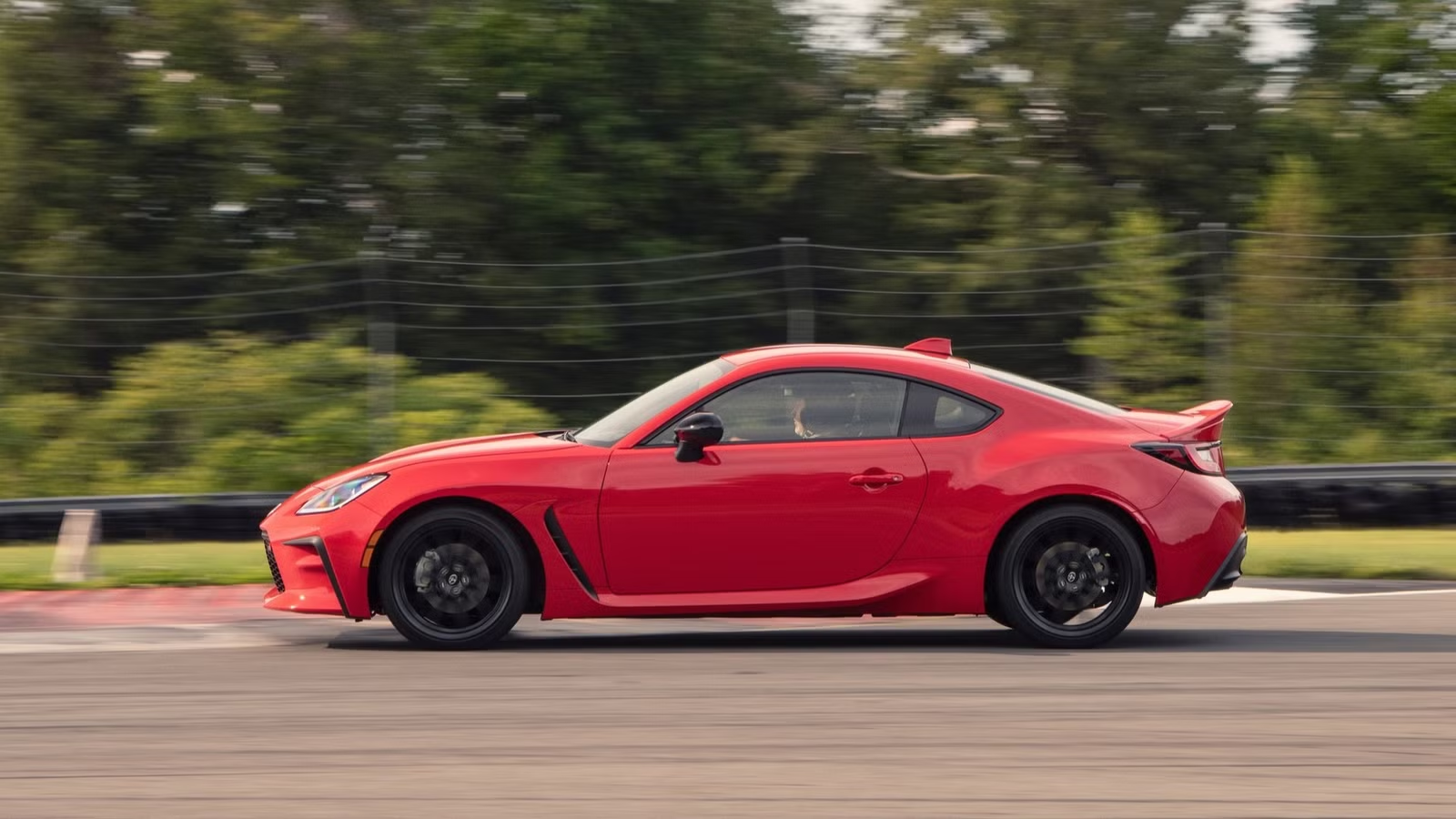
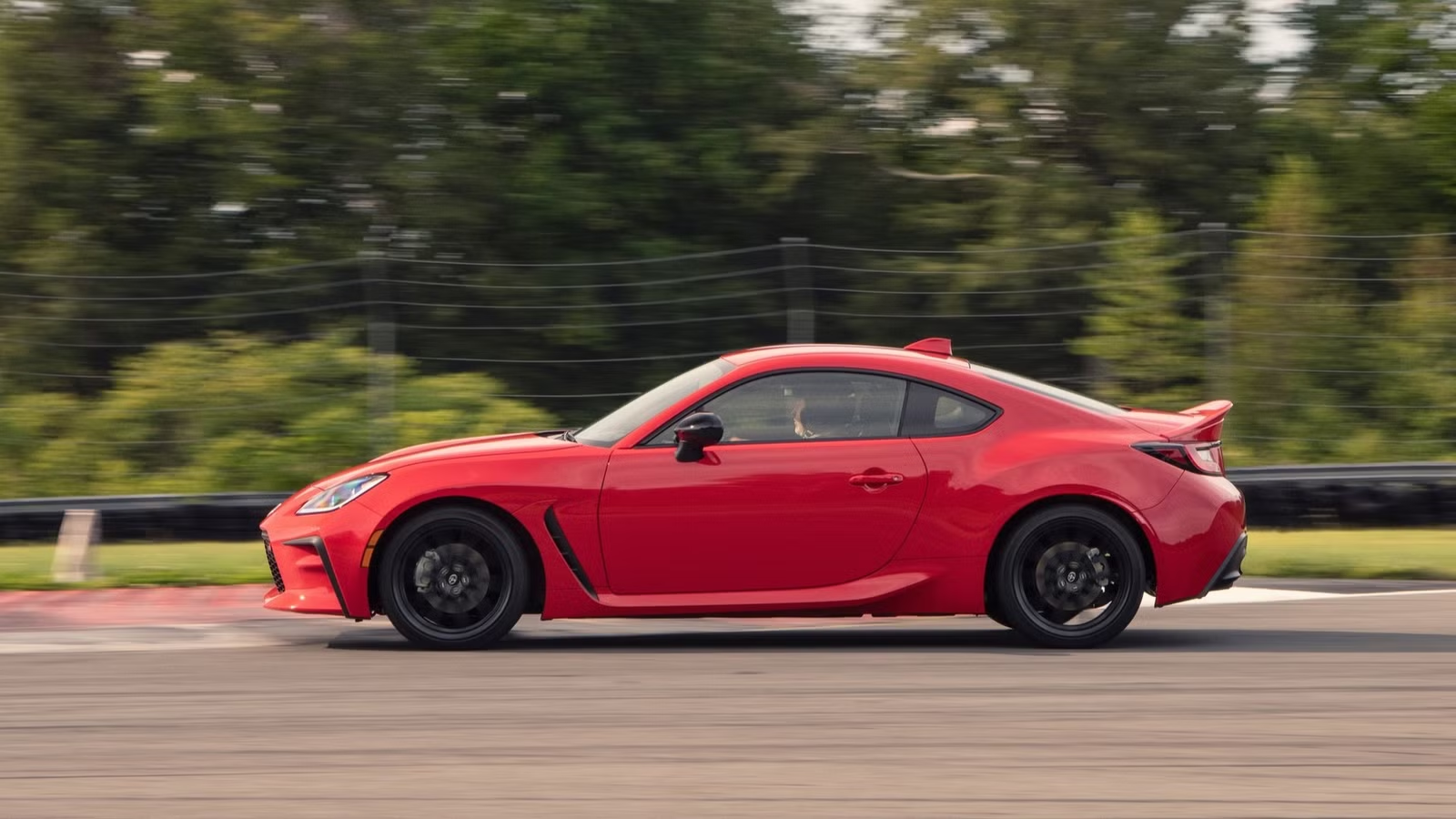
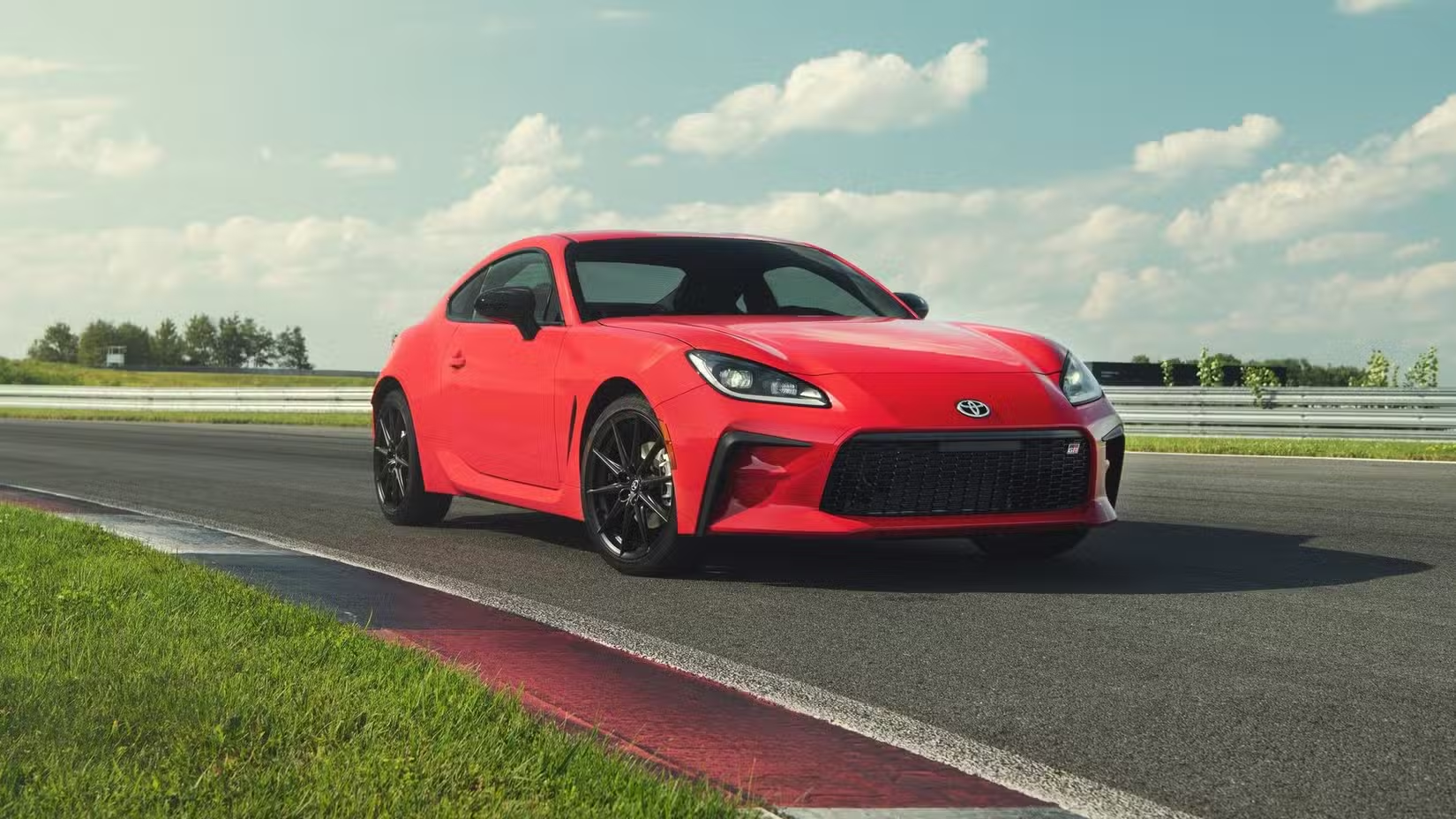
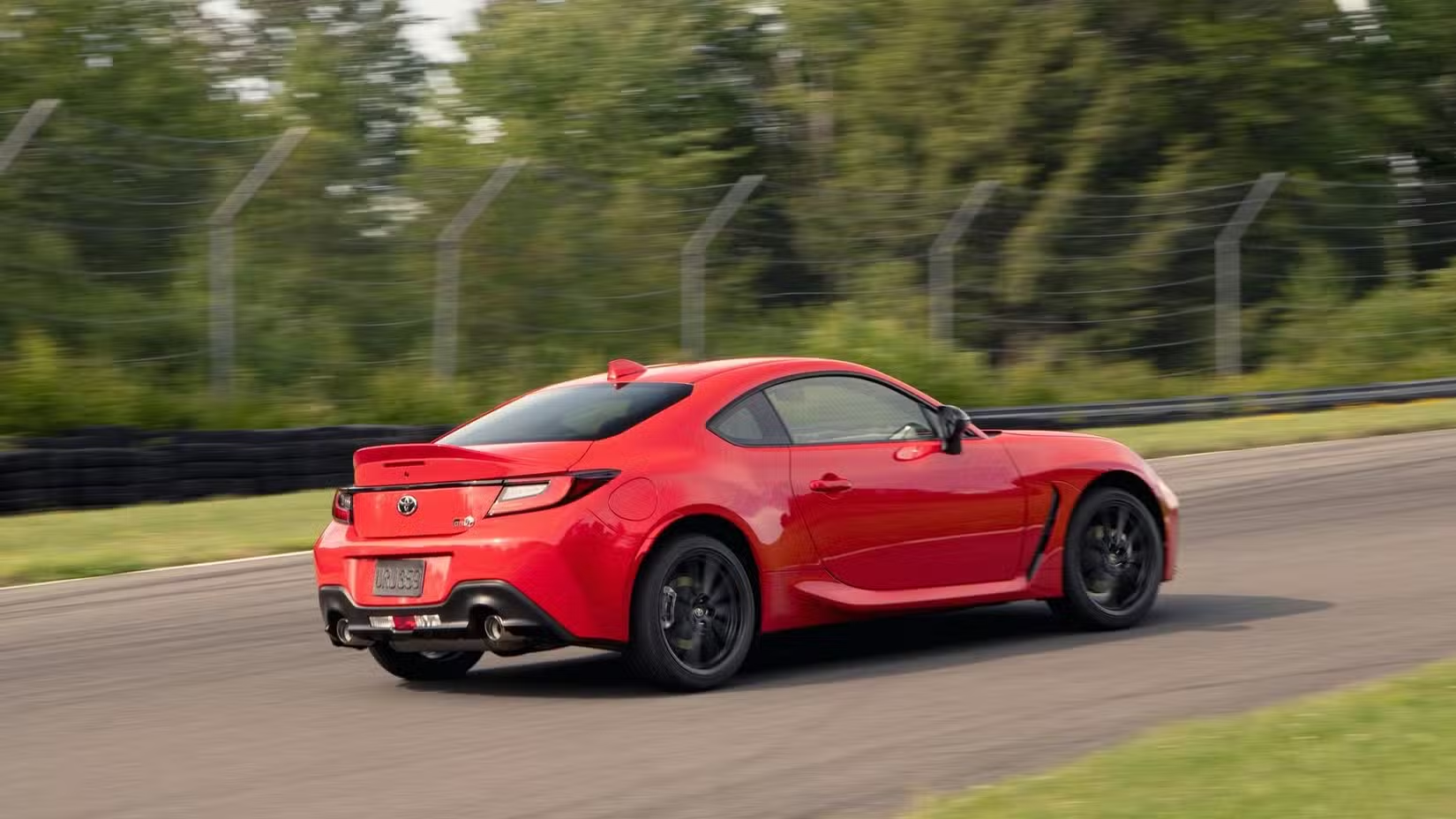
The Toyota GR86 breaks this pattern. This lightweight, rear-wheel-drive coupe holds onto its value at rates that rival some of the most sensible cars on the road. For enthusiasts who've always assumed they'd pay a premium for driving pleasure, the GR86 changes the math.
The hidden cost most buyers ignore
Depreciation is the biggest hidden cost of car ownership. The moment you roll a new car off the lot, you're losing thousands of dollars. Many buyers overlook this simple reality when shopping.
For sports car buyers, depreciation usually hits even harder. Performance vehicles tend to lose value faster than economy cars. Insurance costs more. Maintenance costs more. The total cost of ownership balloons beyond the sticker price.
Toyota's 2+2 coupe defies this trend. According to data from CarEdge, the GR86 retains value at rates comparable to the Camry, a sedan known specifically for its long-term reliability and resale strength.
What makes the GR86 different
Several factors contribute to the GR86's unusual value retention. The car is affordable to buy, starting well below most sports car competitors. It's inexpensive to maintain, sharing components with other Toyota and Subaru models. And it's developed a loyal following among driving enthusiasts who value engagement over raw power.
The GR86 delivers what purists want: a lightweight chassis, naturally aspirated engine, and rear-wheel-drive handling. No turbo lag. No all-wheel-drive weight penalty. No oversized infotainment screens dominating the dashboard. Just a car built to connect the driver to the road.
This focused approach creates steady demand in the used market. Enthusiasts know what they're getting. They're willing to pay for it.
The ownership equation changes
When a sports car is affordable to buy, cheap to maintain, and holds value well, the ownership equation shifts. You get the driving enjoyment without the financial punishment that typically comes with fun cars.
Consider what this means in practice. You buy a GR86 for weekend drives and track days. You enjoy it for three or four years. When you're ready to sell, you recover a larger percentage of your purchase price than you would with most competitors. The cost of fun becomes surprisingly reasonable.
Logicity's Take
Who should consider the GR86
The GR86 fits a specific buyer profile. You want a sports car that rewards skillful driving. You don't need back seats that adults can actually use. You're comfortable with a firm ride and road noise that comes with performance-focused suspension tuning.
If you've been hesitating to buy a sports car because you couldn't justify the depreciation hit, the GR86 removes that objection. It's a rare case where buying what you want also happens to be the financially sound choice.
More on Toyota's expanding performance and luxury vehicle lineup
Frequently Asked Questions
How does the Toyota GR86 compare to the Subaru BRZ for resale value?
The GR86 and BRZ are mechanically identical, co-developed by Toyota and Subaru. Both hold value well, though the Toyota badge typically commands a slight premium in the used market due to brand perception.
Is the Toyota GR86 reliable?
The GR86 benefits from Toyota's reputation for reliability and shares components with proven Subaru platforms. Maintenance costs are lower than most sports cars in its class.
Why do sports cars usually depreciate faster than sedans?
Sports cars have smaller buyer pools, higher insurance costs, and are often driven harder than daily commuters. These factors create more price pressure in the used market.
Is the Toyota GR86 practical enough for daily driving?
The GR86 works as a daily driver if you don't need rear seat space for adults or large cargo capacity. Its firm ride and road noise suit enthusiasts more than comfort-focused commuters.
Need Help Implementing This?
Source: How-To Geek
Manaal Khan
Tech & Innovation Writer
Produced with AI assistance and reviewed by the Logicity editorial team. Learn more in our Editorial Policy.