Key Takeaways
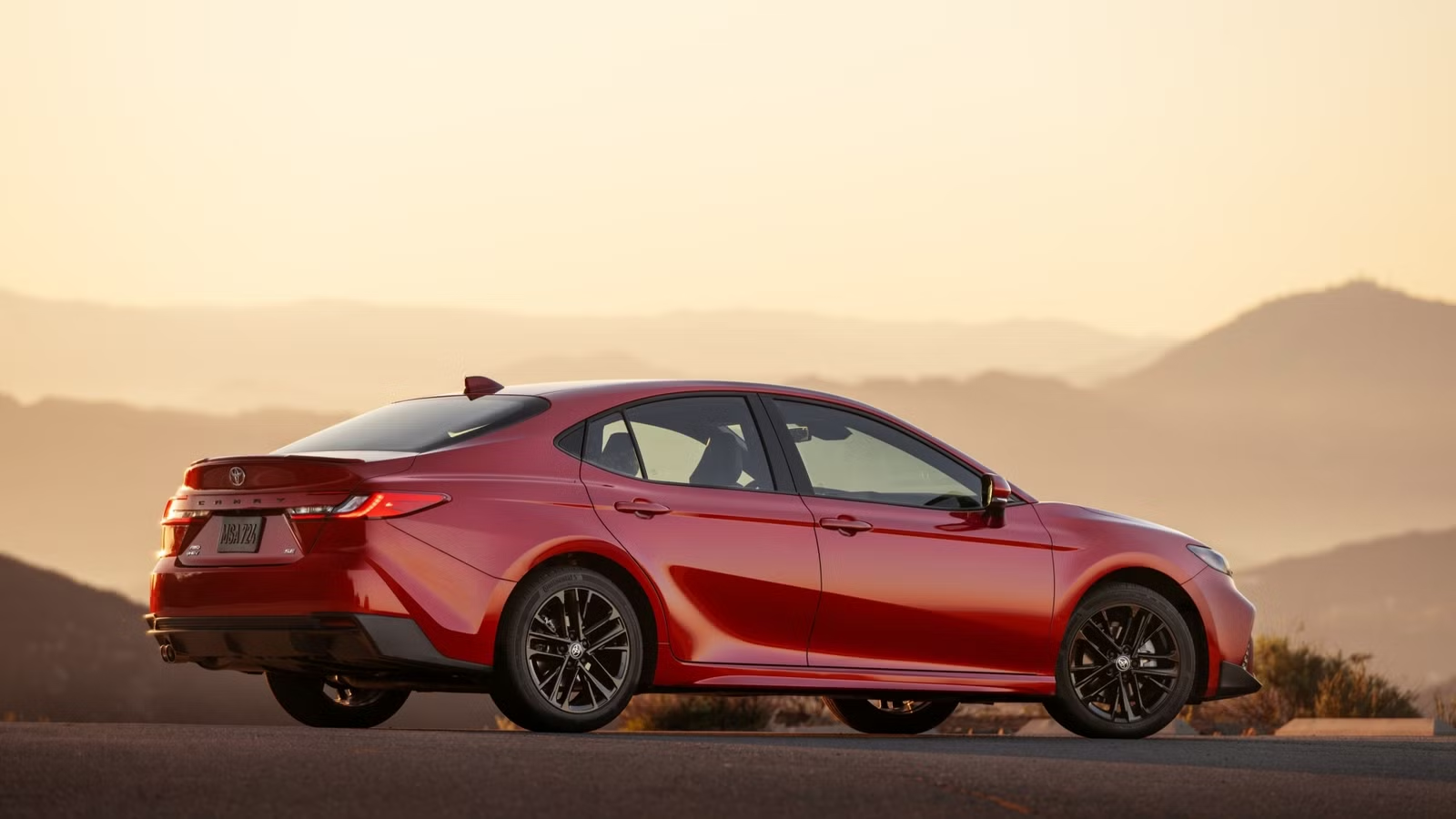
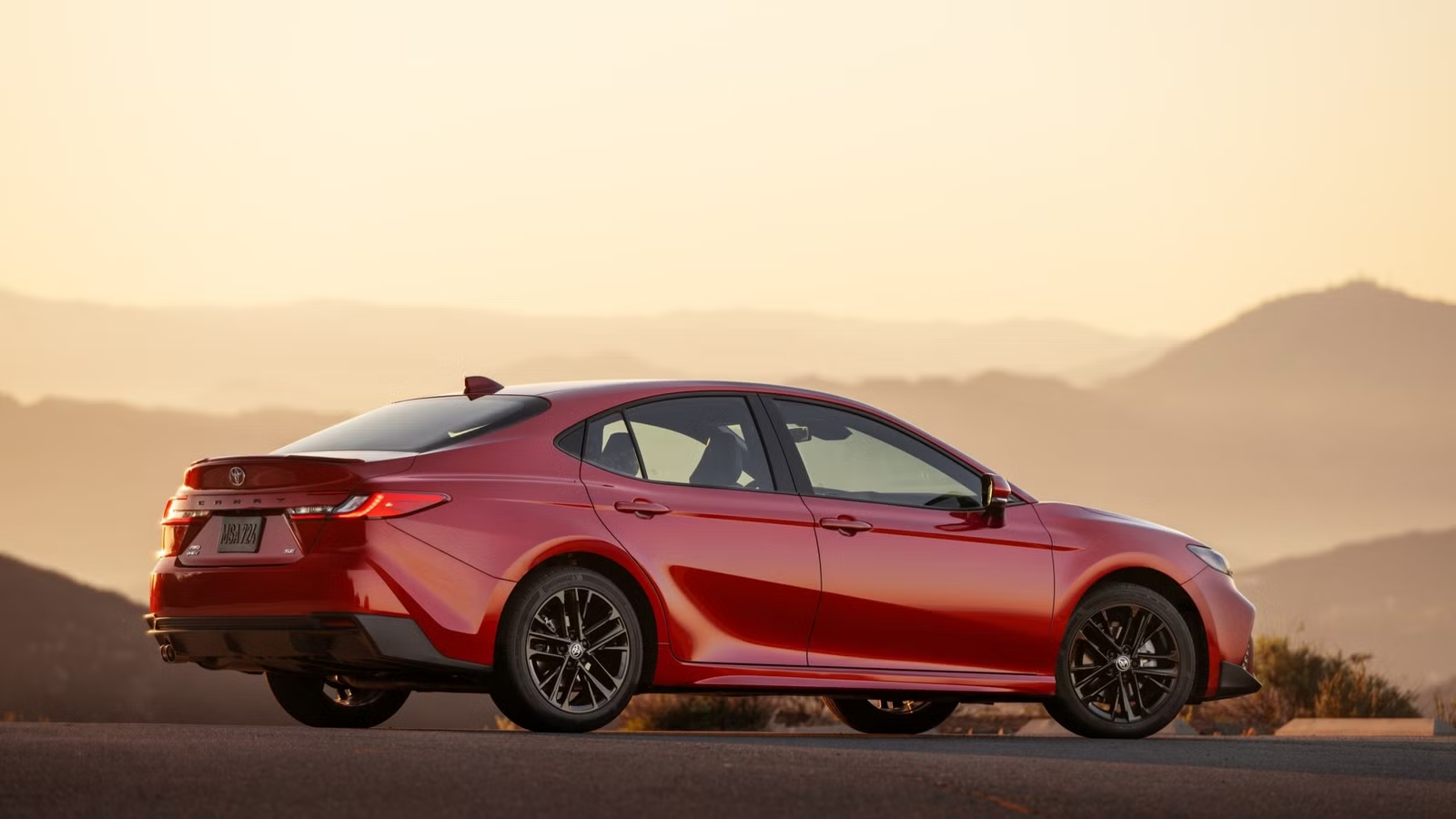
- The Camry has been America's best-selling sedan for over 20 years
- The 2026 Camry starts at $29,100 with a 2.5-liter hybrid four-cylinder
- Sedans like the Ford Fusion disappeared, but the Camry gained market share
The sedan that refuses to die
The American car market has a short memory. Nameplates that once filled every parking lot can vanish in a few model years. The Ford Fusion, Chevrolet Malibu, and Chrysler 200 all faded as SUVs took over. Midsize sedans were supposed to be casualties of the crossover boom.
The Toyota Camry didn't get that memo. While competitors lost ground or disappeared entirely, the Camry kept selling. It's been America's best-selling sedan for more than two decades. That's not a marketing line. It's a streak few vehicles in any category can match.
What makes the Camry different
The Camry's formula isn't complicated. It's comfortable. It's efficient. It's affordable. And it doesn't break. That last part matters more than any feature list.
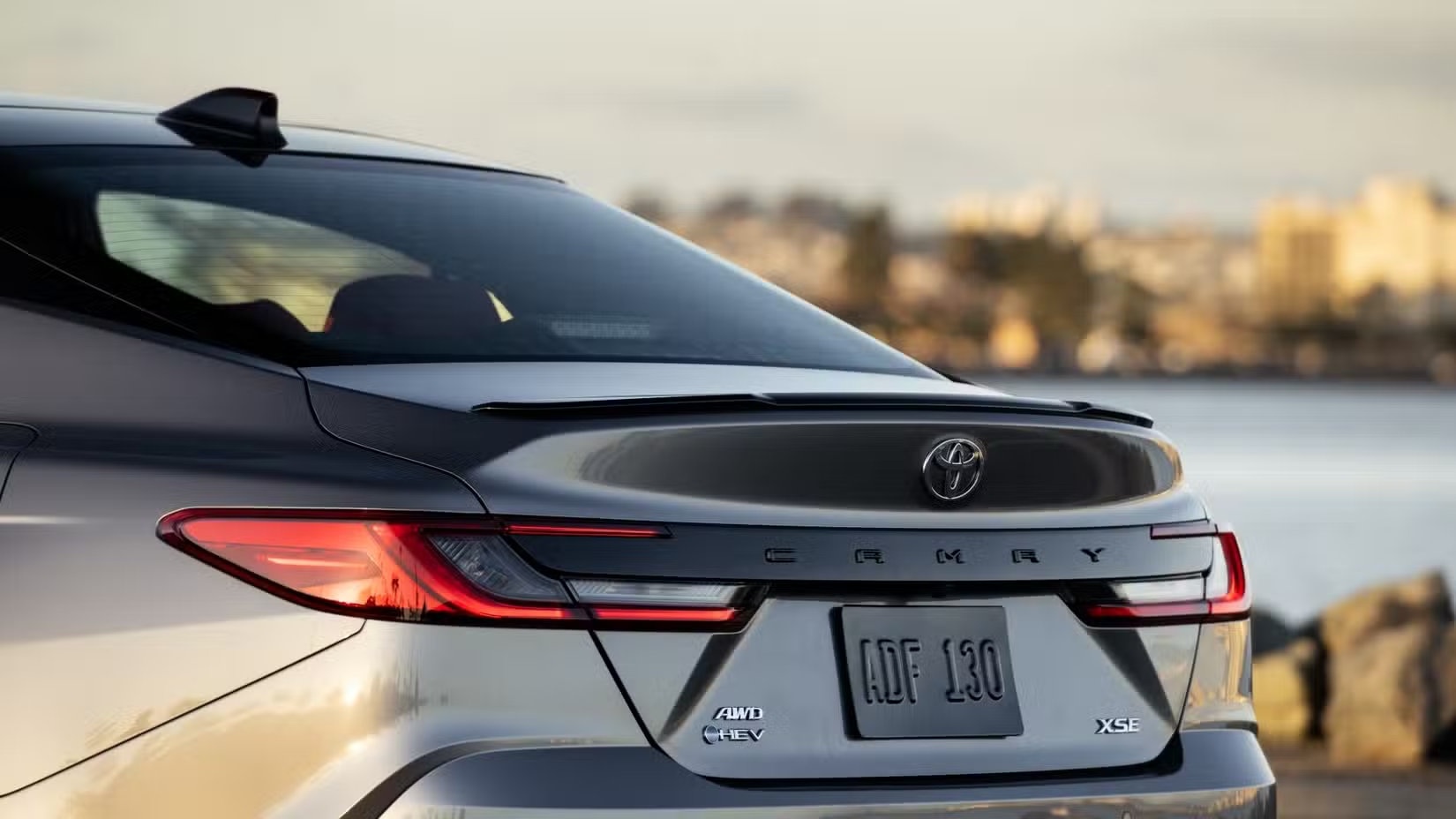
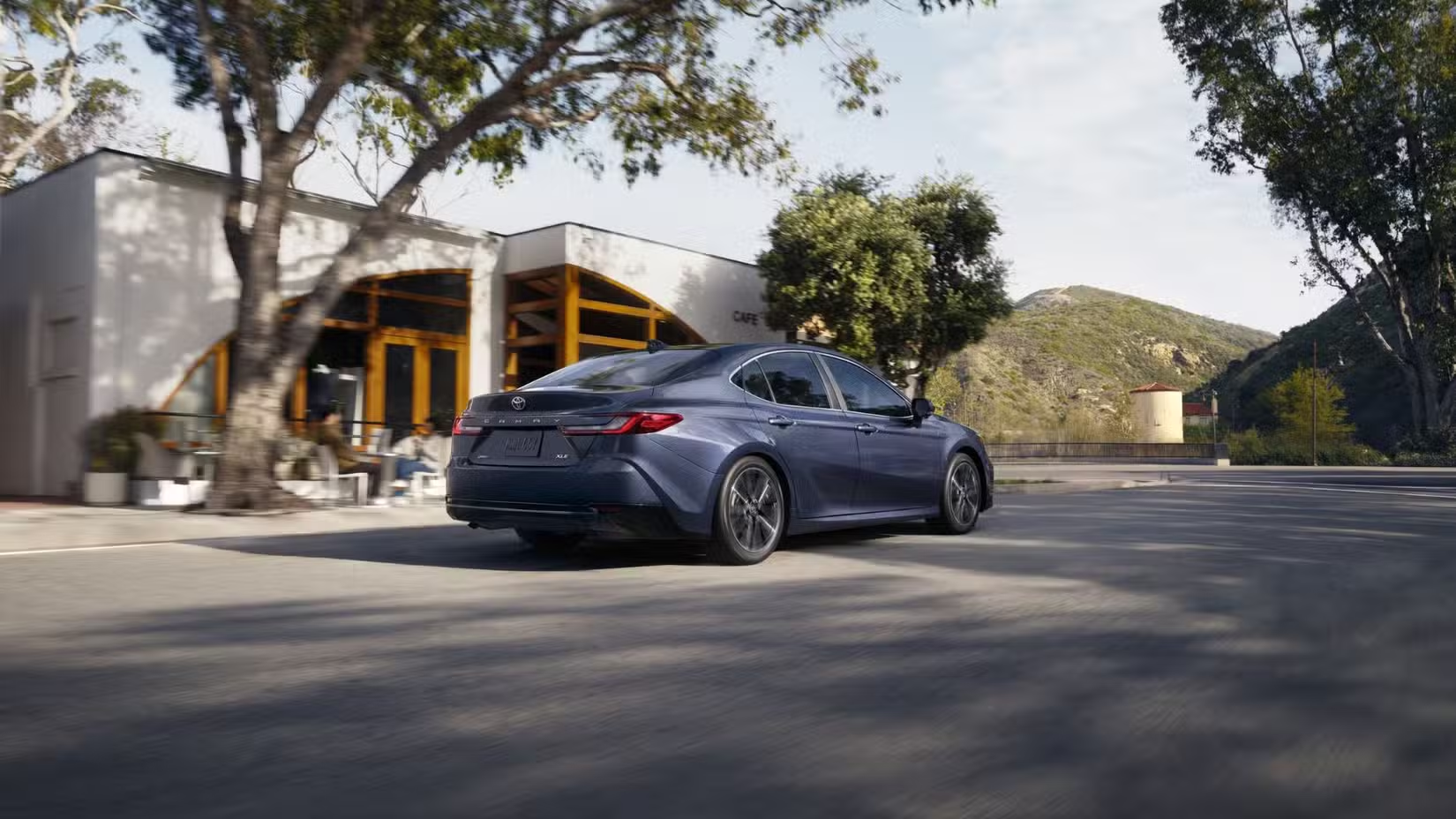
The 2026 Camry starts at $29,100 and comes standard with a 2.5-liter four-cylinder hybrid powertrain. Every trim now gets hybrid power. Toyota dropped the non-hybrid option entirely, betting that fuel efficiency is what Camry buyers want.
That's a meaningful shift. Most automakers still offer hybrid as an upgrade. Toyota made it the baseline.
Why sedan buyers aren't switching
SUV sales dominate headlines, but millions of Americans still want a sedan. They want lower ride height for easier entry. They want better fuel economy. They want a vehicle that doesn't feel like piloting a living room on wheels.
The Camry serves those buyers without drama. It doesn't promise adventure or rugged capability. It promises that you'll get to work, pick up the kids, and do it again for 200,000 miles without thinking about the car.
Reliability studies from iSeeCars and CarEdge consistently rank the Camry among the longest-lasting vehicles on American roads. That reputation compounds over time. People buy Camrys because their last Camry lasted fifteen years.
The competition thinned out
Part of the Camry's continued success is simple: fewer rivals remain. Ford killed the Fusion in 2020. Chevrolet axed the Impala the same year. Nissan's Maxima ended production in 2023.
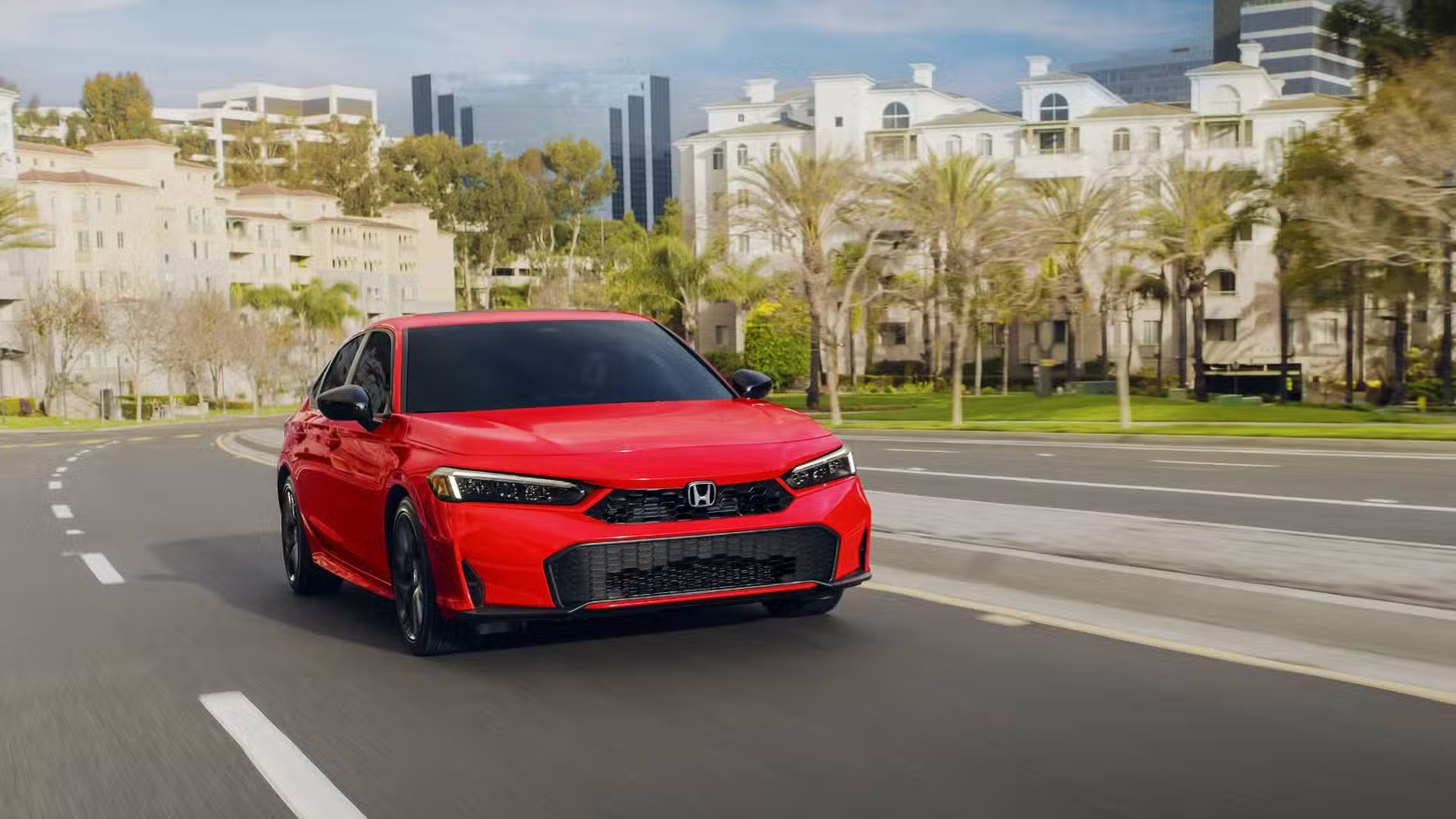
The Honda Accord still competes, but even Honda has seen the sedan segment shrink. The Accord remains a strong alternative, though it hasn't matched the Camry's sales consistency.
With fewer choices, buyers who want a midsize sedan often end up at a Toyota dealer.
Hybrid-only is a bold bet
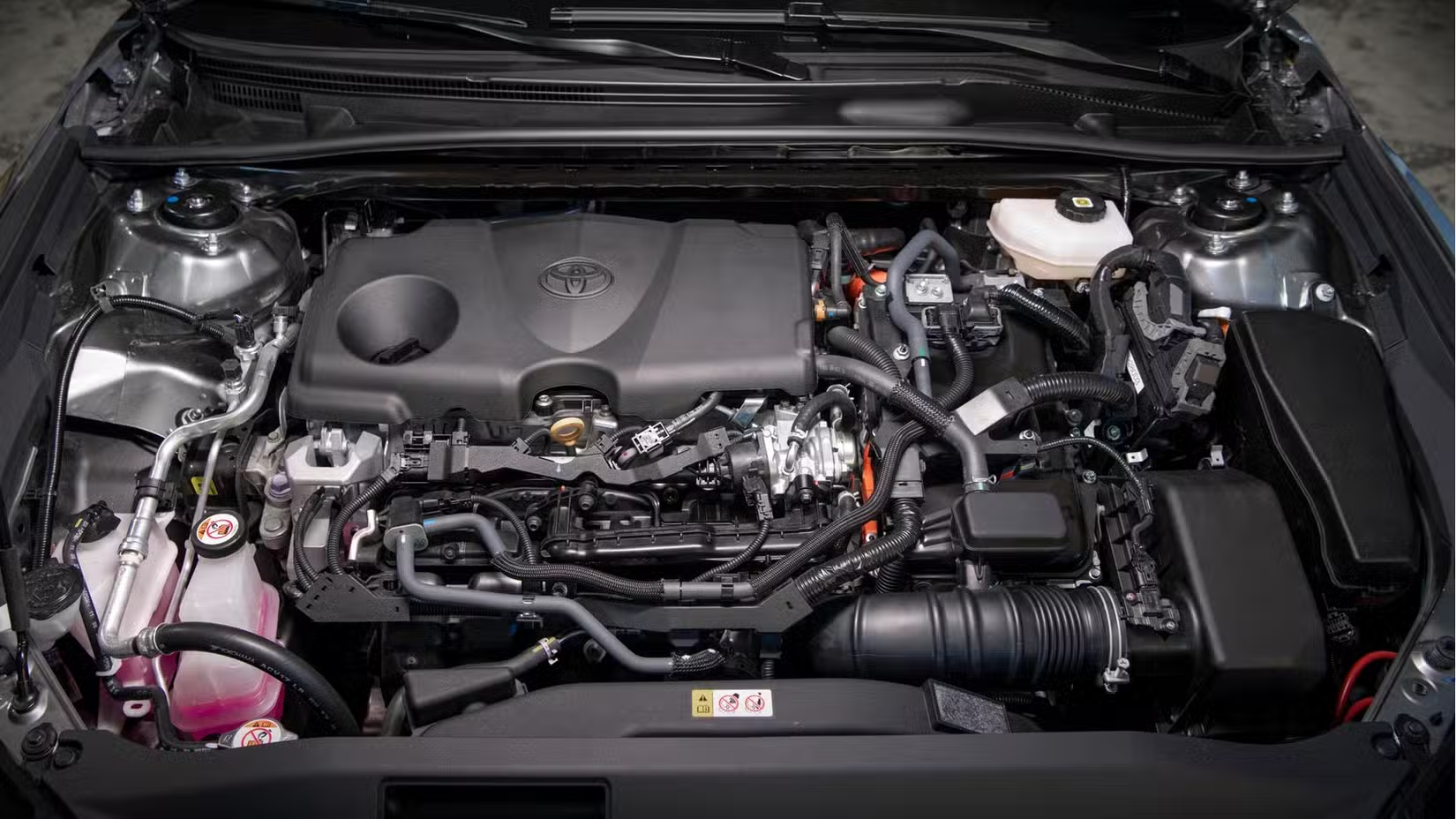
Toyota's decision to make every 2025 and 2026 Camry a hybrid signals where the company sees the market heading. Gas prices fluctuate, but they don't go down over decades. Buyers increasingly factor fuel costs into purchase decisions.
A hybrid Camry can exceed 50 mpg in city driving. That's competitive with many compact cars and far better than any similarly sized SUV.
The hybrid premium is now baked into the base price. Toyota is betting that buyers will accept a $29,100 starting price because the fuel savings make up the difference.
Logicity's Take
What this means for the sedan market
The Camry's success doesn't mean sedans are coming back. The segment is smaller than it was a decade ago, and that won't reverse. But it proves that a well-executed sedan can still find a large audience.
For buyers, fewer competitors means fewer choices but also less confusion. If you want a midsize sedan, the Camry and Accord are the obvious options. The Camry's hybrid-standard approach gives it an edge for buyers focused on efficiency.
Frequently Asked Questions
How long has the Toyota Camry been America's best-selling sedan?
The Camry has held the title for more than 20 consecutive years, outlasting competitors like the Ford Fusion and Chevrolet Malibu.
Is the 2026 Toyota Camry only available as a hybrid?
Yes. Toyota dropped the non-hybrid option. Every 2025 and 2026 Camry comes with a 2.5-liter four-cylinder hybrid powertrain.
What is the starting price of the 2026 Toyota Camry?
The 2026 Camry starts at $29,100 for the base SE trim with the standard hybrid powertrain.
Why do buyers choose sedans over SUVs?
Sedan buyers often prioritize better fuel economy, lower ride height for easier entry, and a more car-like driving experience compared to crossovers.
Need Help Implementing This?
Source: How-To Geek
Huma Shazia
Senior AI & Tech Writer
Produced with AI assistance and reviewed by the Logicity editorial team. Learn more in our Editorial Policy.