Key Takeaways
- MiniDisc offered rewritable digital audio years before CD-RW existed
- Sony's restrictive DRM and proprietary software alienated potential adopters
- The format died not from technical failure but from market timing and corporate control
A Format That Arrived Too Soon and Too Late
In 1992, Sony launched MiniDisc into a world that wasn't ready for it. The average consumer's experience with digital audio was entirely read-only. You could play CDs, but if you wanted to record your own music, your only option was cassette tape.
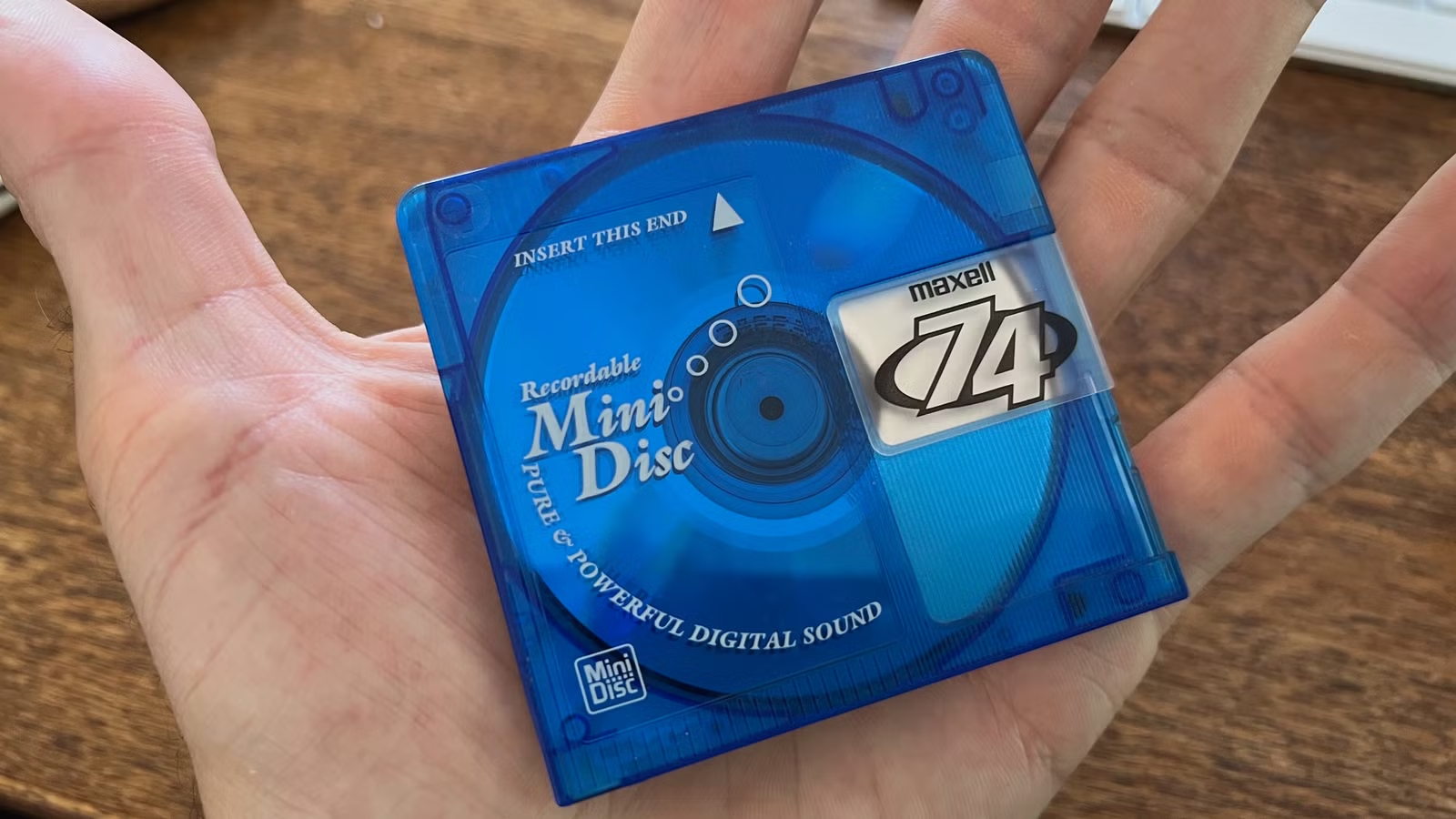
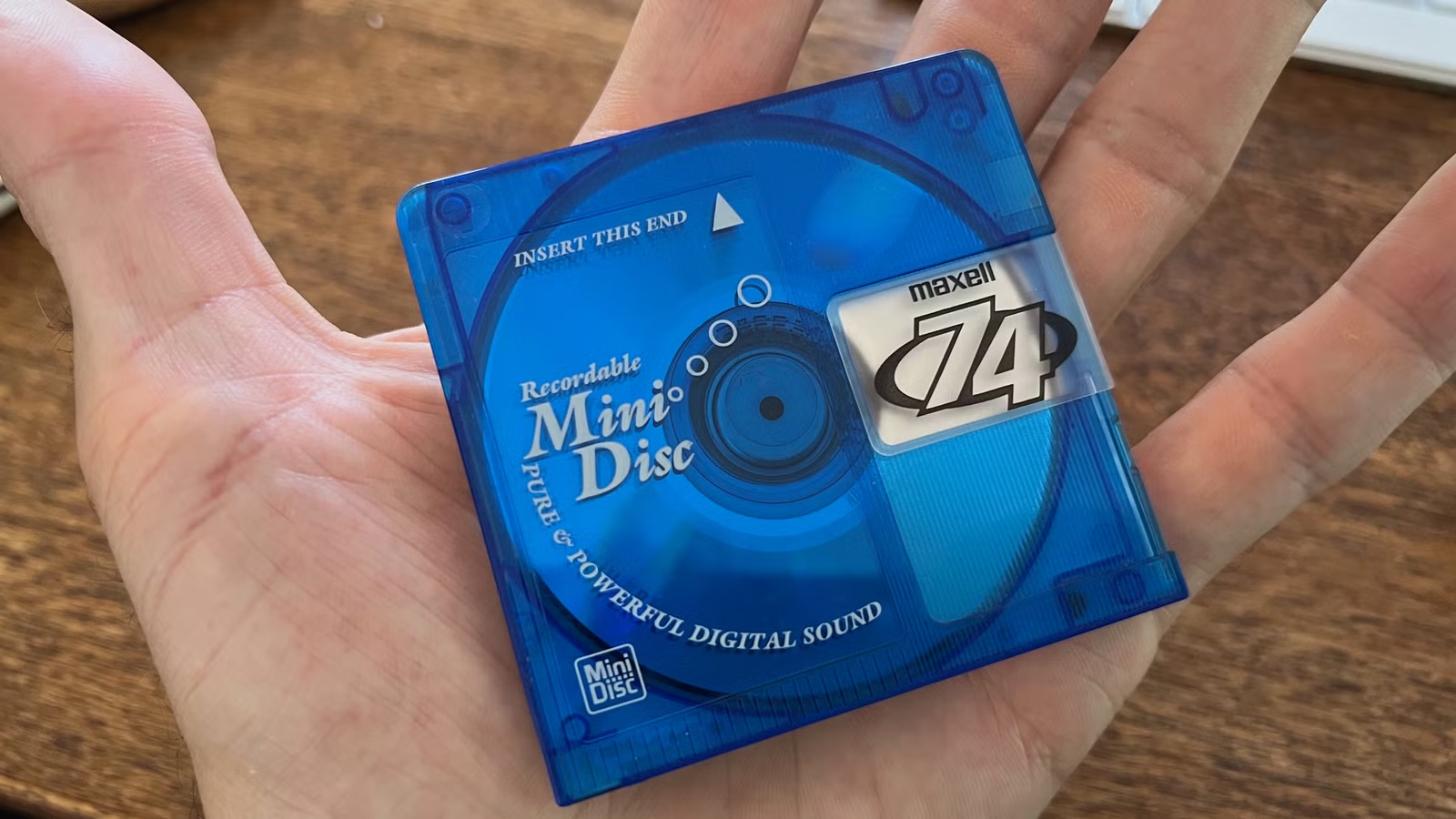
MiniDisc changed that. The format combined optical CD technology with magnetic recording, creating what engineers call magneto-optical storage. You could record digital audio, erase it, rename tracks, create playlists, and rewrite the same disc thousands of times without the degradation that plagued cassettes.
“The MiniDisc was too late and too soon. By the time it was actually easy and affordable to use, the world had already moved to the iPod.”
— Alec, Technology Connections
CD-RW technology wouldn't appear until the late 1990s. For nearly a decade, MiniDisc was the only consumer format that offered rewritable digital audio. That should have been an unbeatable advantage.
The Size Advantage Nobody Expected to Matter
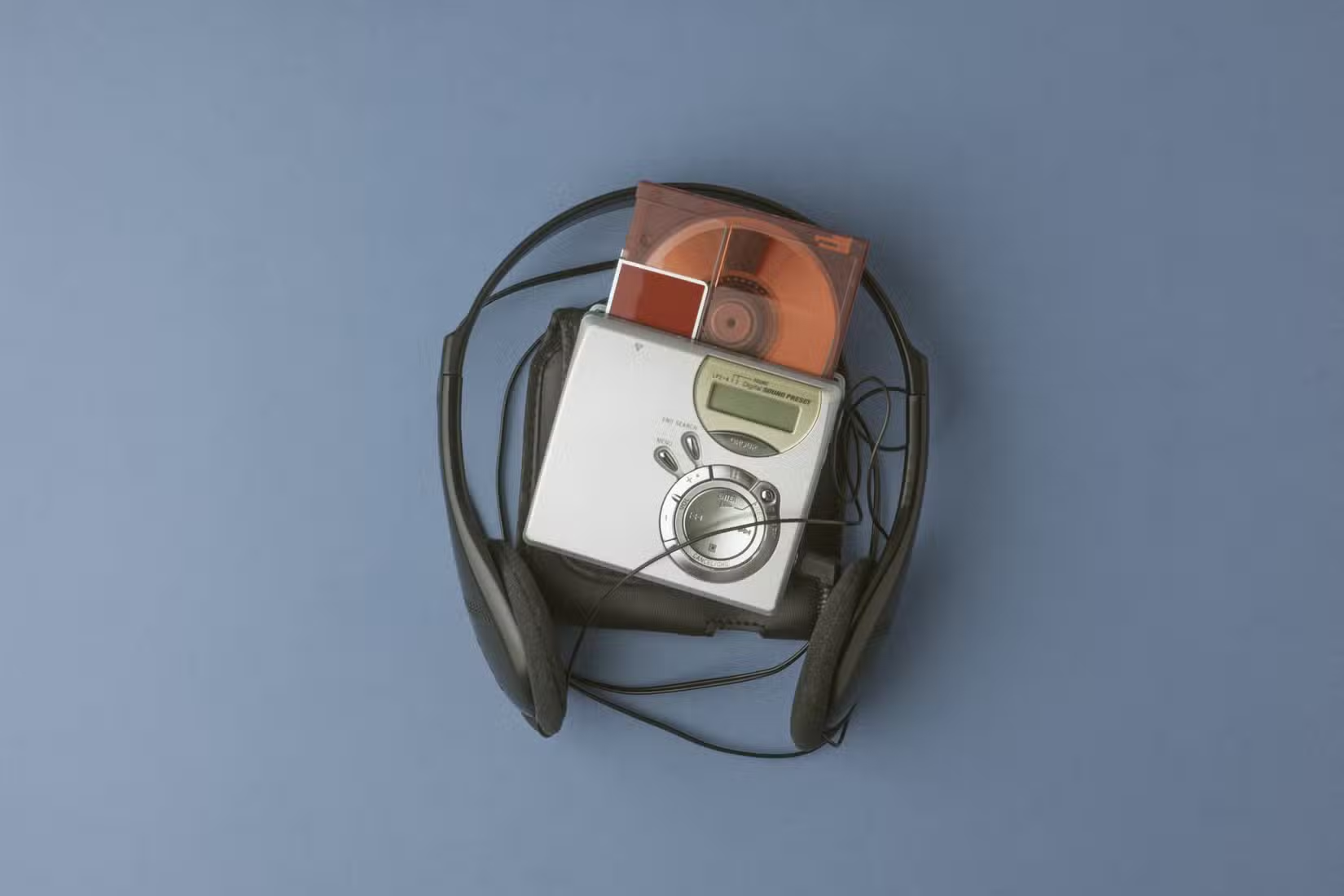
Sony had pioneered portable CD players with the Discman, but the 12cm disc size imposed hard limits on how compact those devices could get. MiniDisc solved this. The format's discs measured roughly one-quarter the size of a standard CD, enabling genuinely pocket-sized players.
The discs also came in protective cartridges. Unlike CDs, which scratched if you looked at them wrong, MiniDiscs could survive being tossed in a backpack. The players included shock-resistant memory buffers that prevented skipping during movement. Joggers and commuters finally had a digital option that actually worked on the go.
What Went Wrong: Sony's DRM Obsession
MiniDisc's technical superiority should have guaranteed success. It didn't. The format's fatal flaw wasn't engineering. It was corporate policy.
Sony was a major record label owner. The company feared that easy digital copying would destroy music sales. So they crippled MiniDisc with aggressive digital rights management. Transferring music from a computer to a MiniDisc required SonicStage, Sony's notoriously buggy proprietary software. The software restricted how many times you could copy a track. It limited which devices could play your recordings. It treated paying customers like potential pirates.
Meanwhile, CD burners dropped in price. By the late 1990s, consumers could rip CDs to MP3 files and burn their own compilations without any DRM restrictions. The format Sony co-invented was now easier to use than Sony's own alternative.
The iPod's Knockout Punch
Apple launched the iPod in 2001. It stored thousands of songs on a device smaller than most MiniDisc players. No discs to carry. No cartridges to swap. Just drag and drop.
Sony responded with Hi-MD in 2004, a format that increased capacity and finally allowed direct MP3 playback. But the move came years too late. Flash memory prices were plummeting. The iPod had already won the market.
Sony officially ceased manufacturing all recordable optical media in 2025, marking the final death of the MiniDisc supply chain.
The Format Lives On Among Enthusiasts
MiniDisc isn't entirely dead. The r/minidisc subreddit remains active in 2026, with enthusiasts repairing vintage hardware and using open-source tools like the Web MiniDisc Project to bypass the now-obsolete SonicStage software.
The community frequently cites the format's satisfying tactile feedback. Loading a disc, hearing the click, watching the display light up. These physical interactions feel deliberate in a way that tapping a streaming app doesn't.
There's also the aesthetic appeal. MiniDisc hardware from the late 1990s looks like props from a cyberpunk film. The format represents a future that almost happened, one where physical media stayed relevant through better engineering rather than giving way to cloud storage.
Lessons From MiniDisc's Failure
Being technically superior doesn't guarantee market success. History shows this repeatedly. Betamax lost to VHS. HD DVD lost to Blu-ray. MiniDisc lost to MP3 and eventually streaming.
MiniDisc's specific failure came from three factors. First, Sony's DRM restrictions made the format harder to use than inferior alternatives. Second, the company underestimated how quickly flash memory would become cheap. Third, Sony's dual identity as hardware maker and content owner created internal conflicts that hurt consumers.
The format's story remains relevant for anyone building technology products. Technical excellence matters less than user experience. Treating customers as adversaries destroys goodwill. And market timing can invalidate even the best engineering.

Logicity's Take
Frequently Asked Questions
Why did MiniDisc fail if it was better than CDs?
MiniDisc failed primarily due to Sony's restrictive DRM and proprietary software that made it harder to use than CDs or MP3s. The format also arrived before the market wanted rewritable media, then got overtaken by flash-based players like the iPod.
Can you still buy MiniDiscs in 2026?
Sony stopped manufacturing recordable optical media in 2025. New MiniDisc blanks are no longer produced, though used discs and vintage hardware remain available through collectors and secondary markets.
How did MiniDisc sound compared to CDs?
MiniDisc used ATRAC compression to fit 74-80 minutes of audio on a smaller disc. The compression was nearly indistinguishable from CD quality for most listeners, though audiophiles could sometimes detect differences in complex passages.
What was SonicStage and why did people hate it?
SonicStage was Sony's proprietary software required to transfer music from computers to MiniDisc players. It was widely criticized for being buggy, slow, and restrictive about how many times you could copy tracks.
Is there a way to use MiniDisc without SonicStage?
Yes. The open-source Web MiniDisc Project allows users to transfer music to MiniDisc recorders through a web browser, bypassing Sony's discontinued software entirely.
Another example of open-source tools bypassing proprietary restrictions
Need Help Implementing This?
Source: How-To Geek
Huma Shazia
Senior AI & Tech Writer
Produced with AI assistance and reviewed by the Logicity editorial team. Learn more in our Editorial Policy.