Key Takeaways
- Gemini is both a family of AI models and the name of multiple Google products built on those models
- The Gemini 3.5 series represents Google's latest multimodal AI, capable of processing text, images, audio, video, and code
- Gemini now handles 85 billion monthly API requests from developers, up 142% year-over-year
Google has been in its "Gemini era" for a couple years now. The confusing rebrands have slowed down, but the pace of improvement hasn't. If you've been wondering what Gemini actually is, whether you need it, and how all the different Geminis relate to each other, you're not alone.
The short answer: Gemini is Google's family of multimodal AI models. The longer answer involves at least four different products all sharing the same name.
The Gemini Naming Problem
In typical Google fashion, "Gemini" applies to basically everything AI-related the company makes. Here's what you're actually dealing with:
- Google Gemini (the models): A family of multimodal AI models. The latest is the 3.5 series, though older versions are still around. This is the foundation that powers everything else.
- Google Gemini (the chatbot): The conversational AI interface that used to be called Bard. It runs on the Gemini models.
- Google Gemini (the assistant): The replacement for Google Assistant on Android phones, Wear OS watches, Android Auto, and Google TV.
- Gemini for Google Workspace: The AI features integrated into Gmail, Google Docs, Sheets, and other Workspace apps for paying subscribers.
All of these products share the same underlying AI models. The confusion comes from Google using one name for both the technology and the products built on it.
What Makes Gemini Different From Other LLMs
Gemini is a multimodal model. Unlike traditional large language models that only process text, Gemini can understand and generate text, images, audio, video, and code natively. It doesn't translate images into text descriptions before processing them. It "sees" them directly.
You can give Gemini a prompt like "what's going on in this picture?" and attach an image. It will describe what it sees and respond to follow-up questions asking for more detail. Give it raw data, and it can generate graphs or visualizations. Show it a menu in another language, and it can translate. Point it at a chart, and it can interpret the trends.
“We've always wanted to build a new breed of AI model that was more like a helpful collaborator and less like a smart piece of software.”
— Demis Hassabis, CEO of Google DeepMind
The newest Gemini Omni models push this further. Google describes them as allowing you to create "anything from any input." The initial focus is on generating video from text, image, audio, and video prompts.
How the Models Work
Google has confirmed that Gemini uses a transformer architecture. The models rely on pretraining and fine-tuning, much like other major AI systems. The larger Gemini models use a mixture-of-experts approach, which routes different parts of a query to specialized sub-networks rather than processing everything through one massive model.
Beyond these basics, Google keeps the specifics quiet. We're deep in the corporate competition era of AI, and no one is publishing detailed architecture papers anymore.
Gemini Model Sizes
Gemini comes in multiple sizes designed for different use cases:
- Gemini Ultra: The largest and most capable model, designed for complex reasoning tasks
- Gemini Pro: The balanced option for most applications
- Gemini Flash: Optimized for speed and cost efficiency, priced at $1.50 per million input tokens
The Flash models have attracted particular developer interest. At $1.50 per million tokens, they represent aggressive pricing for enterprise applications. The 1M+ token context window means developers can feed entire codebases or document libraries into a single query.
The Agentic Shift
The "Gemini era" focuses on what Google calls "agentic" capabilities. This means the AI doesn't just generate text. It can use tools, write and execute code, and automate multi-step workflows across the web and local environments.
Think of the difference between an AI that writes a script and one that writes the script, runs it, debugs the errors, and delivers the results. That's the direction Gemini is heading.
“This new era of models represents one of the biggest science and engineering efforts we've undertaken as a company.”
— Sundar Pichai, CEO of Google and Alphabet
Where Gemini Shows Up
Google uses Gemini across its product lineup:
- Search: AI-generated summaries and conversational search features
- Android: The Gemini assistant replaces Google Assistant for device control and queries
- Workspace: Writing assistance in Docs, email drafting in Gmail, data analysis in Sheets
- Pixel phones: On-device AI features like Call Screen and photo editing
- Developer APIs: Third-party apps integrating Gemini capabilities
Google projects 1 billion monthly active users of the Gemini app by Q3 2026. That's an ambitious target, but it reflects how deeply Gemini is being embedded into Google's ecosystem.
How to Access Gemini
The easiest way to try Gemini is through the web chatbot at gemini.google.com. It's free to use with a Google account, though some features require a paid subscription.
On Android, Gemini can replace Google Assistant. You'll be prompted to switch, or you can enable it manually in settings. On iOS, the Gemini app is available in the App Store.
Developers can access Gemini through Google AI Studio or the Vertex AI platform. The API supports all model sizes and includes tools for fine-tuning and deployment.
Learn what to avoid when working with AI writing tools
Community Reception
Developer response to Gemini is mixed. On HackerNews and r/LocalLLaMA, there's skepticism about Google's internal benchmarks compared to competitors like Claude 3.5 Sonnet. But there's genuine excitement about Gemini 3.5 Flash's speed and pricing.
Google's new "Antigravity" agent platform has attracted interest, though some developers remain cautious. Google's safety filters have a reputation for blocking complex technical queries more aggressively than competitors.
Gemini vs. Other AI Models
The main competitors are OpenAI's GPT-4 and Anthropic's Claude. Each has strengths:
| Feature | Gemini | GPT-4 | Claude |
|---|---|---|---|
| Native multimodal | Yes | Yes | Yes |
| Max context window | 1M+ tokens | 128K tokens | 200K tokens |
| Video generation | Yes (Omni) | Via Sora | No |
| Google ecosystem integration | Deep | None | None |
| Agentic tools | Antigravity platform | Assistants API | Computer use |
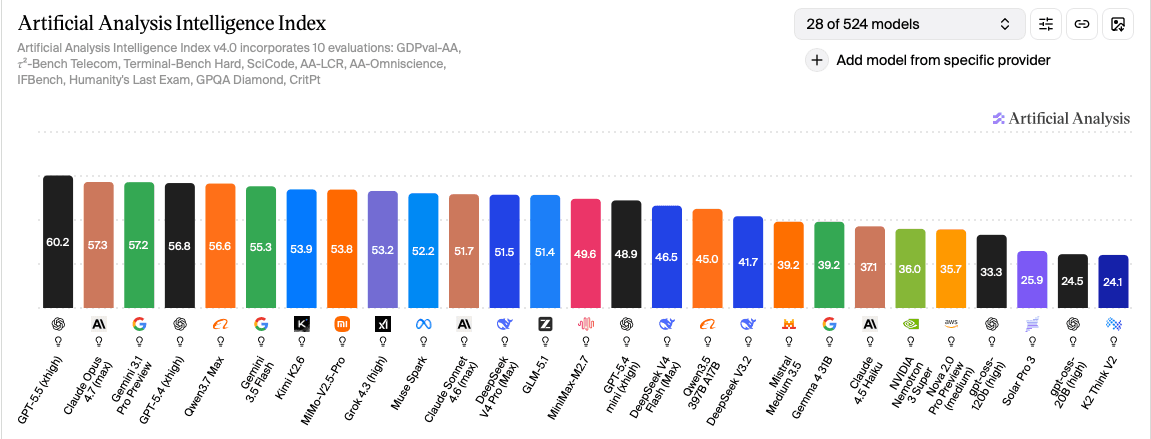
Gemini's main advantage is integration. If you're already in Google's ecosystem, using Workspace and Android, Gemini is everywhere. For standalone capabilities, the competition is closer.
Logicity's Take
Frequently Asked Questions
Is Google Gemini the same as Bard?
The chatbot formerly called Bard was rebranded to Google Gemini. It runs on the Gemini family of AI models.
Is Google Gemini free to use?
The basic Gemini chatbot is free with a Google account. Advanced features, Workspace integration, and higher usage limits require paid subscriptions.
Can Gemini replace Google Assistant?
Yes. On Android phones, Wear OS, Android Auto, and Google TV, Gemini can replace Google Assistant for voice commands and queries.
What's the difference between Gemini Pro and Gemini Flash?
Gemini Pro is designed for balanced performance across tasks. Gemini Flash is optimized for speed and lower cost, making it better for high-volume API applications.
Does Gemini work with images and video?
Yes. Gemini is multimodal, meaning it can process and generate text, images, audio, video, and code natively.
Need Help Implementing This?
Source: The Zapier Blog
Manaal Khan
Tech & Innovation Writer
Produced with AI assistance and reviewed by the Logicity editorial team. Learn more in our Editorial Policy.