Key Takeaways
REPORT: Fidji Simo Has Left OpenAI and Here Is What It Means for Sam Altman
- Fidji Simo transitions from CEO of AGI deployment to part-time adviser due to chronic neuroimmune condition
- Greg Brockman has taken over product strategy while Thibault Sottiaux now leads core products including ChatGPT
- OpenAI is consolidating products into a 'superapp' ahead of a planned 2027 IPO targeting $1 trillion valuation
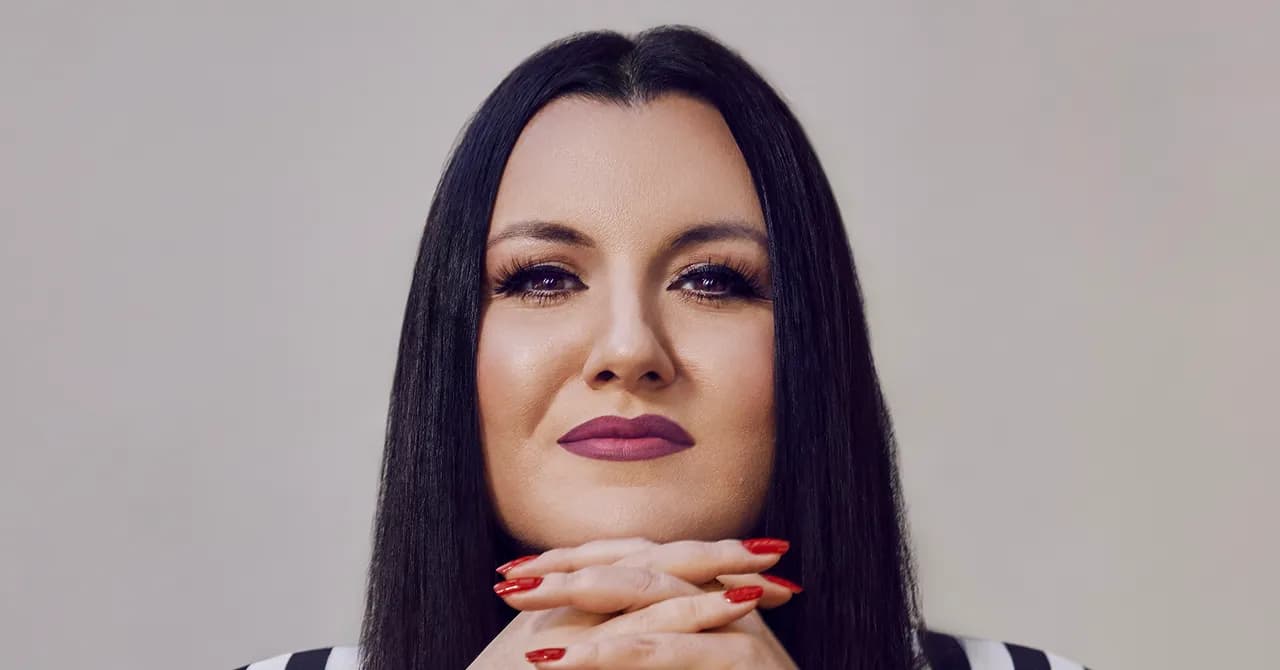
Fidji Simo, OpenAI's CEO of AGI deployment, is stepping down from her full-time role and will become a part-time adviser. The departure follows a three-month medical leave for a chronic neuroimmune condition she has managed for seven years.
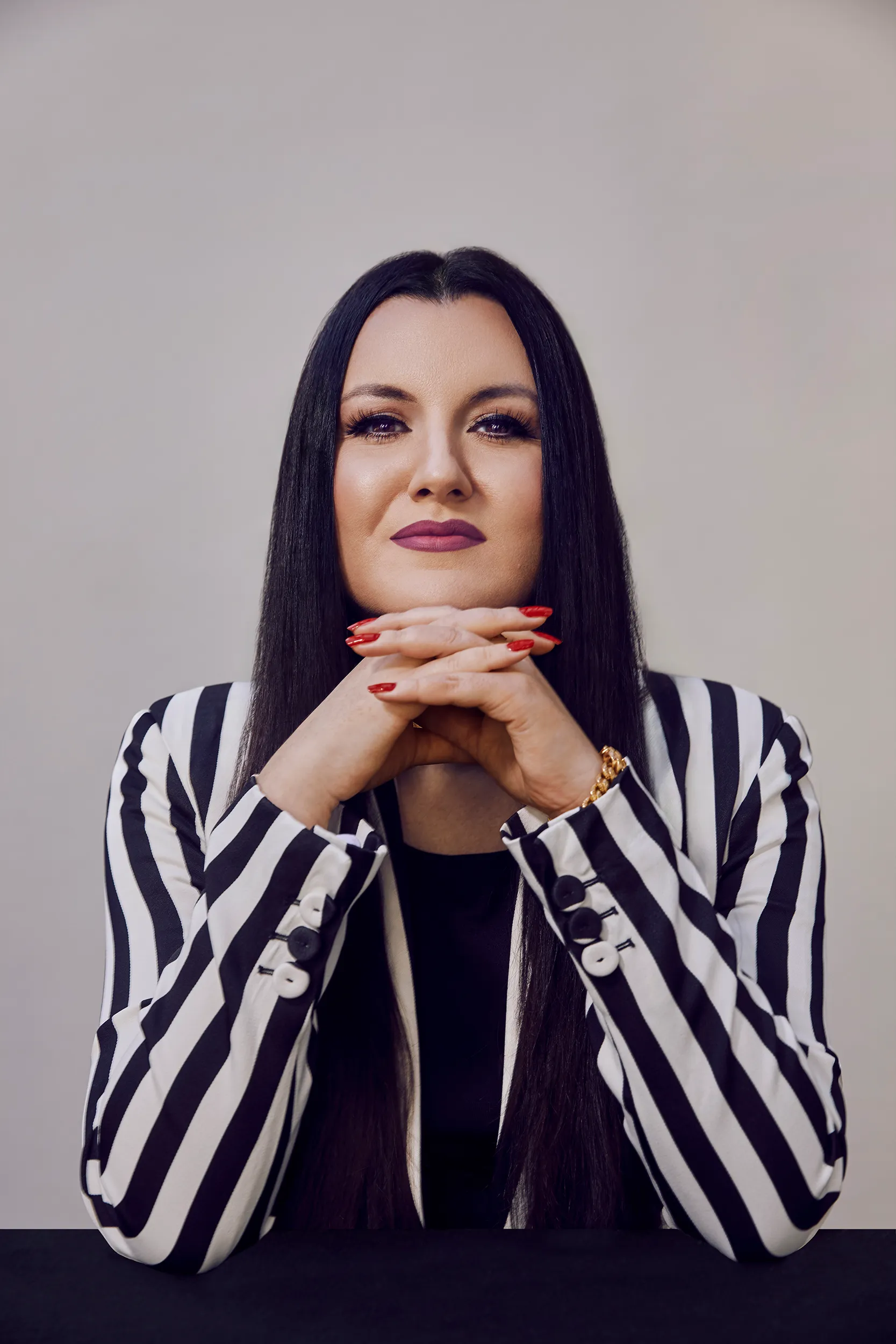
Simo announced her transition Thursday on X, writing that recovery from a severe flare-up would take longer than expected. "During that time, it became clear that the road to recovery would be much longer and more complex than I had anticipated—and that I needed to focus on it fully," she wrote.
Why Simo joined OpenAI and what she gave up
Simo joined OpenAI's board in March 2024. CEO Sam Altman later recruited her into an executive role overseeing product and business operations so he could concentrate on research and the company's data center buildout. Before OpenAI, she ran Instacart as CEO and led the Facebook app at Meta.
The title "CEO of AGI deployment" was unusual even by Silicon Valley standards. It reflected OpenAI's ambition to commercialize increasingly powerful AI systems while managing safety and adoption. Simo was supposed to be the operator who could turn research breakthroughs into shipping products.
But her health deteriorated shortly before she started. Simo was diagnosed with postural tachycardia syndrome (POTS) in 2019. In an April memo to staff, she admitted she had postponed tests and therapies to avoid missing work. "It's now clear that I've pushed a little too far," she wrote at the time.
Who runs OpenAI product now?
Simo's leave triggered a broader executive shuffle. Brad Lightcap, the former COO, moved to special projects. President and cofounder Greg Brockman took over product strategy. More recently, OpenAI promoted Thibault Sottiaux to lead core products, including ChatGPT.
The restructuring is part of a deliberate focus ahead of a planned IPO. OpenAI now expects to go public in 2027, reportedly targeting a $1 trillion valuation. To hit that number, the company is consolidating its product lines.
OpenAI's superapp strategy
OpenAI has merged teams working on ChatGPT, its AI-powered browser, and its coding agent into a single "superapp" effort. The goal: one flagship product that does everything, rather than a portfolio of separate tools competing for attention.
Sora, the text-to-video model OpenAI showcased last year, is gone. The company shut it down as part of this focus strategy. Thursday's ChatGPT update showed where resources are going instead. OpenAI launched an AI agent that can move local files and write code on behalf of users, bringing features from its Codex product into the main consumer app.
For product teams building on OpenAI's APIs, the superapp push signals a risk. When a platform vendor consolidates, it often starts competing more directly with its customers. Tools like Jasper, Copy.ai, and Writesonic built businesses on top of GPT. If ChatGPT becomes the one-stop shop for AI tasks, these wrappers face margin pressure.
Disclosure
Some links in this post are affiliate links — Logicity earns a commission if you sign up, at no extra cost to you. We only link products we have used or actively recommend.
What this means for OpenAI's IPO timeline
Simo's departure removes a key commercial operator from the leadership team two years before a planned public offering. OpenAI raised $6.6 billion in October 2024, the largest private funding round in history at the time. But public investors will scrutinize executive stability more closely than VCs do.
The good news: Simo is staying as an adviser, which suggests no acrimony. The bad news: OpenAI has now cycled through multiple senior product leaders in under a year. For a company selling reliability to enterprise customers, that churn is a story board members will need to address.
Logicity's Take
Simo's exit is awkward timing for OpenAI, but her transition to adviser (rather than a clean break) suggests the relationship remains intact. The real signal here is strategic: OpenAI is no longer trying to be a platform for a thousand AI startups. It wants to be the app. Product teams relying on OpenAI should watch how aggressively ChatGPT's agentic features expand into their use cases over the next 12 months. If you are building AI workflows today, diversifying across providers like Anthropic's Claude API or open-source models is no longer paranoid, it is prudent.
Frequently Asked Questions
Why did Fidji Simo leave OpenAI?
Simo is leaving her full-time role due to a chronic neuroimmune condition that worsened during her tenure. She took medical leave in April and announced Thursday she needs more time to recover.
Who is running OpenAI product now?
Greg Brockman, OpenAI's president and cofounder, oversees product strategy. Thibault Sottiaux leads core products including ChatGPT.
When is OpenAI's IPO?
OpenAI reportedly plans to go public in 2027, targeting a valuation of $1 trillion.
What is OpenAI's superapp strategy?
OpenAI is merging ChatGPT, its AI browser, and its coding agent into one flagship product. The company shut down Sora and other side projects to concentrate resources.
More on recent executive changes in the AI infrastructure ecosystem
Need Help Implementing This?
Building AI products on shifting platform ground? Logicity can help you audit your API dependencies and plan for vendor consolidation. Reach out to our team for a strategy session.
Source: Feed: Artificial Intelligence Latest / Maxwell Zeff
Manaal Khan
Tech & Innovation Writer
Produced with AI assistance and reviewed by the Logicity editorial team. Learn more in our Editorial Policy.