
Key Takeaways
- Cash burn across InstaHelp, Snabbit, and Pronto rose 14% MoM to $16-17 million in June
- Snabbit logged 1.51 million bookings, overtaking Urban Company's InstaHelp for the first time
- TCS posted $2.6 billion in AI revenue for Q1, up from $1.5 billion in September quarter
India's instant househelp sector is sprinting toward a cliff. InstaHelp, Snabbit, and Pronto collectively burned $16-17 million in June, a 14% jump from May's $14-15 million, according to industry executives. The money bought growth. Orders climbed 20% month-on-month to 3.97 million. But the discounting required to hit those numbers cratered unit economics across the board.

What's driving the cash burn spike?
May was soft. Executives across the three platforms told ET that demand needed a jolt, and discounts delivered it. Snabbit logged 1.51 million bookings in June, edging past InstaHelp's 1.5 million to become the volume leader for the first time. Pronto recorded 960,000 bookings.
But the pricing tells a different story. InstaHelp's average order value fell from Rs 140-150 in May to Rs 110-115 in June. Snabbit dropped from Rs 120-130 to Rs 90-95. Pronto slid from Rs 100-110 to Rs 65-70. When you cut prices 20-30% to win customers, you need proportionally more orders just to stay even on gross margin contribution.
Pronto disputed the numbers, claiming an AOV of around Rs 100 for June and monthly cash burn below $3 million. Snabbit said its quarterly AOV exceeded Rs 130. Neither figure changes the fundamental trajectory: more money chasing customers who pay less per transaction.
Why are investors getting nervous?
The sector's addressable market is smaller than the quick-commerce playbook suggests. Instant househelp works in dense urban neighborhoods where high order volumes support efficient worker utilization and short travel times. Spread the same model into lower-density areas and the economics collapse. A cleaner traveling 25 minutes between jobs instead of 8 minutes doesn't generate enough orders per shift to cover acquisition costs.
Investors are starting to ask hard questions about ceiling height. If the model only scales in top-tier metro cores, the ultimate market size is a fraction of what pitch decks project. And with three well-funded players fighting for the same customer base, the discounting wars show no sign of ending.
TCS kicks off Q1 earnings with steady AI revenue growth
Tata Consultancy Services opened FY26 with numbers that won't alarm anyone. Net profit rose 5% year-on-year to Rs 13,349 crore. Revenue climbed 14% YoY to Rs 72,275 crore, driven by financial services and US market strength. The quarter included three large deals contributing to a total contract value of $9.5 billion, down from Q4's $12 billion but solid by historical standards.
The AI revenue line is the one analysts watch most closely. TCS reported $2.6 billion in AI-related revenue for the June quarter, up from $2.3 billion in March and $1.5 billion in September when the company first broke out the category. That's 73% growth in three quarters.
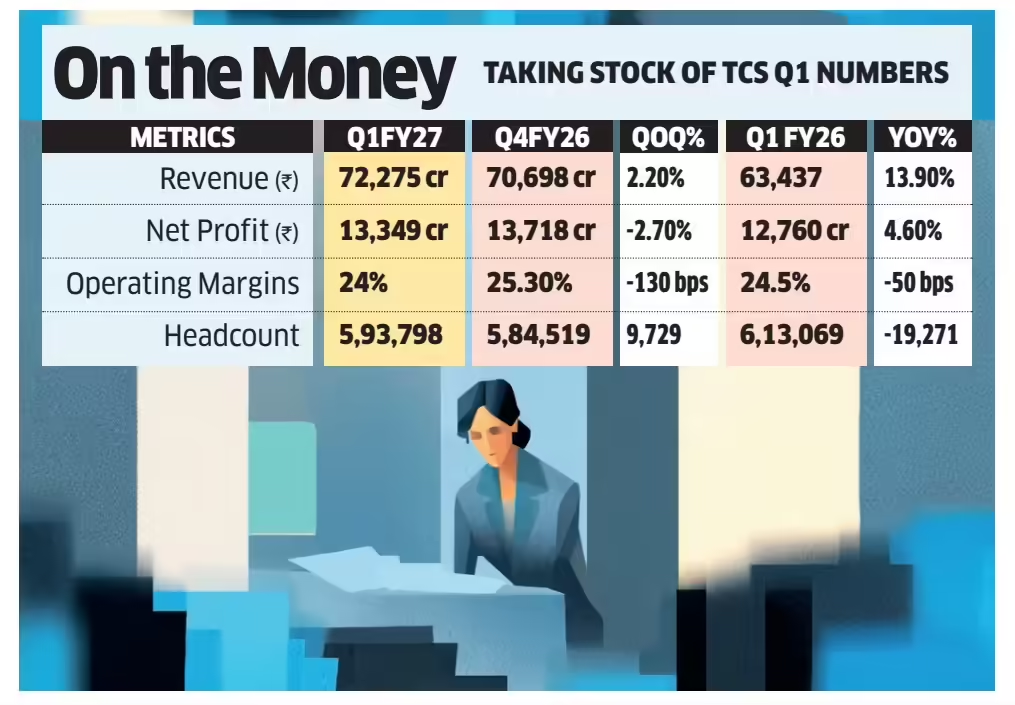
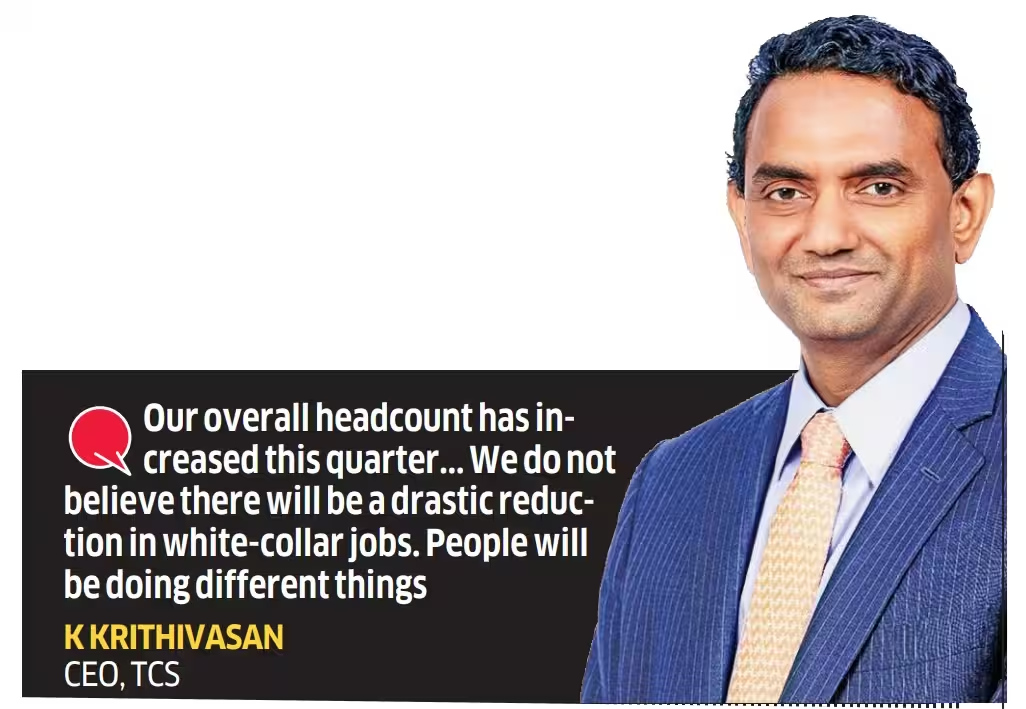
CEO K. Krithivasan addressed the AI deflation concern directly. Yes, TCS sees 10-15% productivity improvements from AI tools. No, that doesn't translate to proportional headcount cuts or revenue declines. The company added roughly 9,300 employees in the quarter, pushing total headcount to 593,798.
“We are seeing output commitment-based models and outcome-based models where we commit through AI programmes to deliver business outcomes within a fixed duration.”
— Aarthi Subramanian, COO, TCS
The shift COO Aarthi Subramanian describes is significant. Instead of billing for developer hours, TCS increasingly commits to specific business outcomes with fixed timelines. That's a riskier model for the vendor but potentially higher-margin when execution is strong.
Alpha Wave restructures India strategy as senior director exits
Ankur Kathuria, senior director at Alpha Wave Global, is leaving the US-based investment firm to launch a Rs 1,000 crore mid-market private equity fund with Carlyle's Aamir Zeb. His departure continues Alpha Wave's India reset.
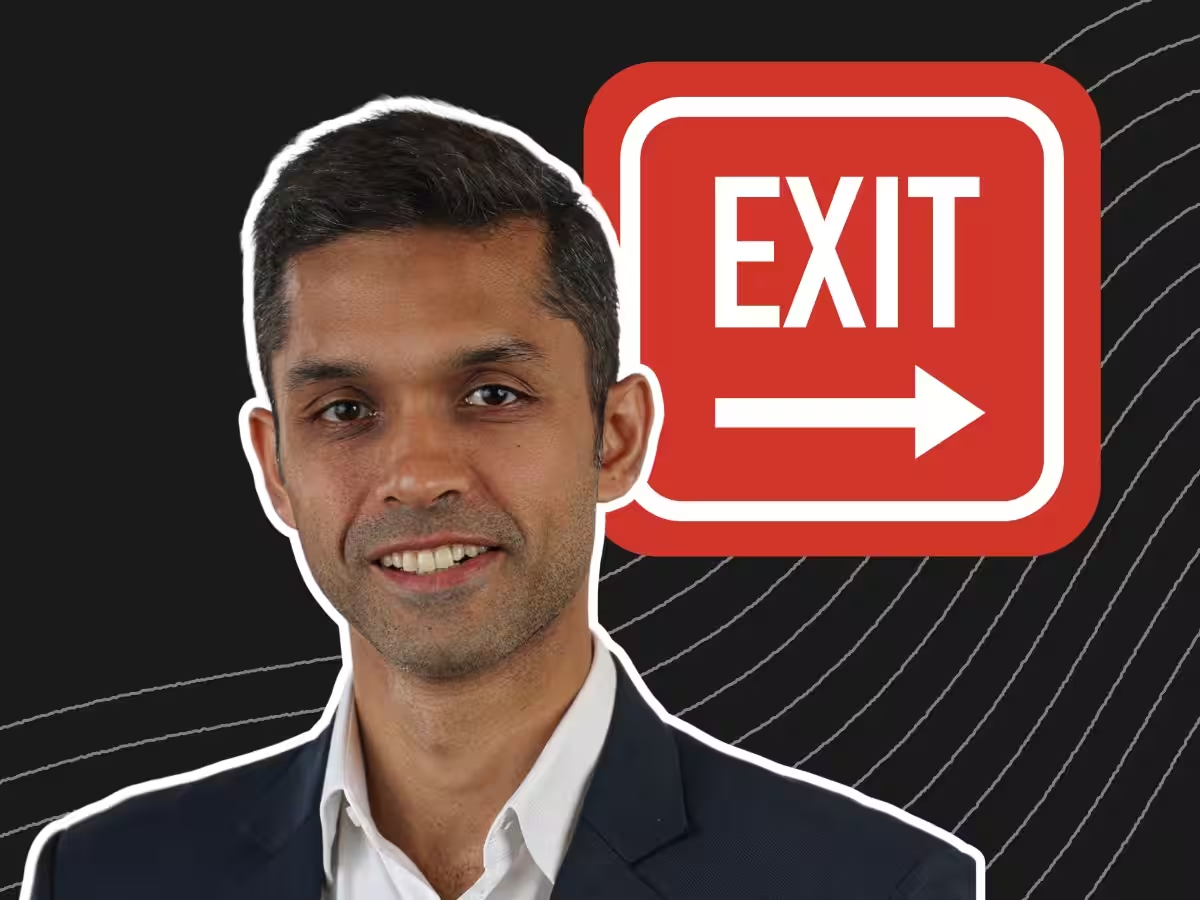
The firm that once wrote aggressive late-stage checks for new-age tech companies is now expected to slow India deployment to roughly one new deal per year with cheque sizes of $150 million or more. Recent investments reflect the pivot: Haldiram Snacks Food, Advanta Enterprises, UPL's global seeds business, and I-Ven Realty, an Oberoi Realty joint venture. Traditional businesses, not startups.
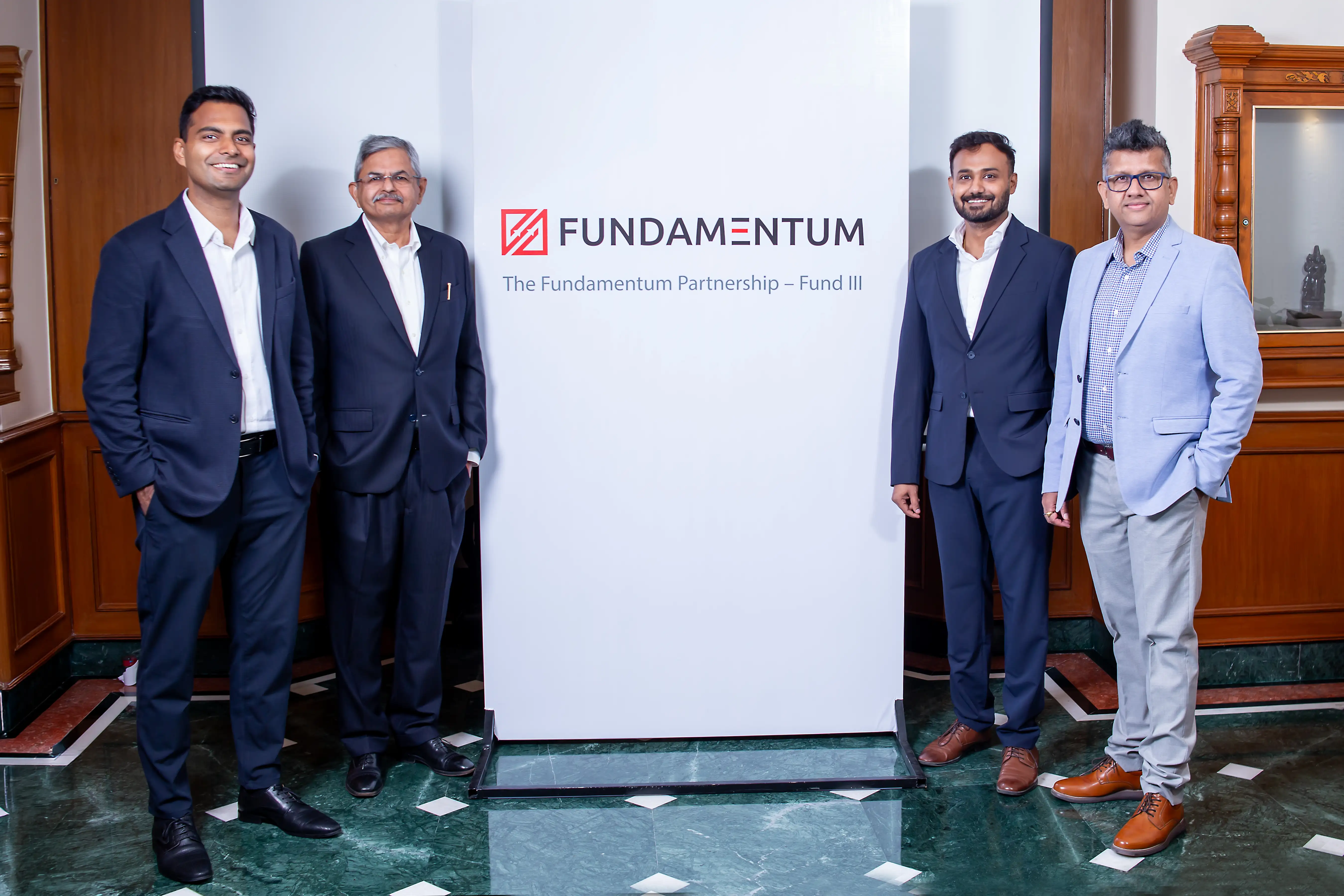
Fundamentum closes Fund III
In fund news, Fundamentum Partnership closed its third fund. The venture firm backs early-stage Indian startups and has previously invested in companies like Zetwerk and Spinny.
Logicity's Take
The instant househelp burn rate story is quick-commerce déjà vu. Zepto, Blinkit, and Instamart burned billions proving 10-minute grocery delivery worked in dense metros. The househelp startups are running the same playbook with a harder constraint: groceries travel, workers walk. The density requirements are even tighter. InstaHelp has Urban Company's existing service provider network as a moat. Snabbit and Pronto need to build from scratch while outspending the incumbent. That's expensive. Meanwhile, TCS's AI revenue growth suggests enterprise AI adoption is real but not replacing labor at the rates pessimists predicted. The $2.6 billion figure represents roughly 3.5% of annual revenue. That's meaningful but not transformative yet.
Frequently Asked Questions
How much are instant househelp startups spending monthly?
InstaHelp, Snabbit, and Pronto collectively burned $16-17 million in June 2024, up 14% from May's $14-15 million combined spend.
Which instant househelp startup has the most orders?
Snabbit led with 1.51 million bookings in June, slightly ahead of InstaHelp's 1.5 million. Pronto recorded 960,000 bookings.
What is TCS's AI revenue?
TCS reported $2.6 billion in AI-related revenue for Q1 FY26, up from $2.3 billion in March and $1.5 billion when first reported in September.
Is TCS cutting headcount due to AI?
No. TCS added approximately 9,300 employees in Q1, bringing total headcount to 593,798 despite reporting 10-15% productivity improvements from AI tools.
Why is Alpha Wave slowing India investments?
Alpha Wave is shifting from late-stage tech bets to PE-style deals in traditional businesses, expecting to deploy only one new deal per year at $150 million or more.
Need Help Implementing This?
If you're building or investing in on-demand service platforms and need help with unit economics modeling, competitive analysis, or fundraising strategy, reach out to our team at Logicity for advisory support.
Source: Tech-Economic Times
Huma Shazia
Senior AI & Tech Writer
Produced with AI assistance and reviewed by the Logicity editorial team. Learn more in our Editorial Policy.




