Key Takeaways
- Third-party AI tools created the entry point for this sophisticated attack
- Hackers are demanding $2 million ransom for stolen internal data
- Your Google Workspace accounts are only as secure as the AI tools connected to them
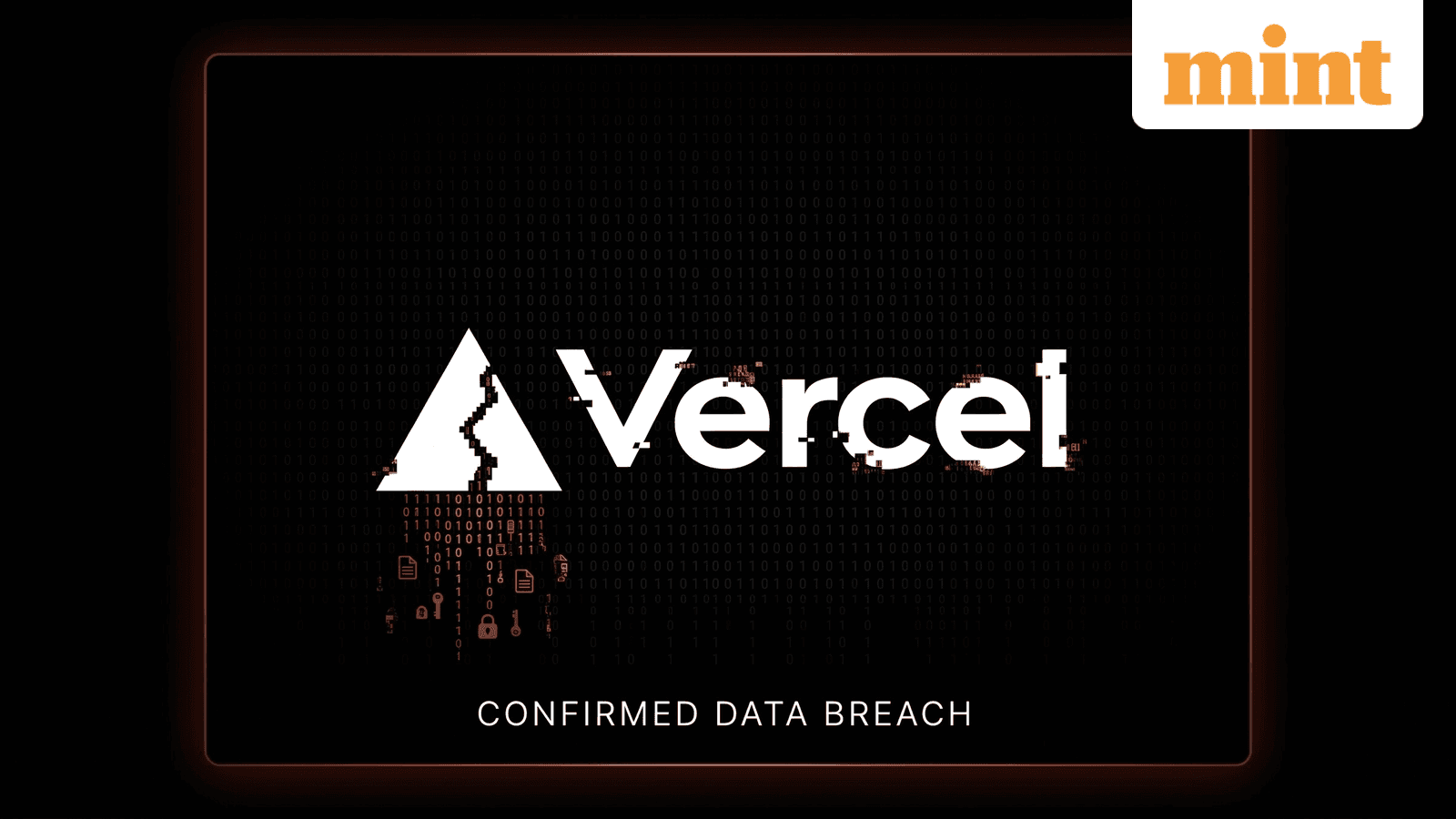
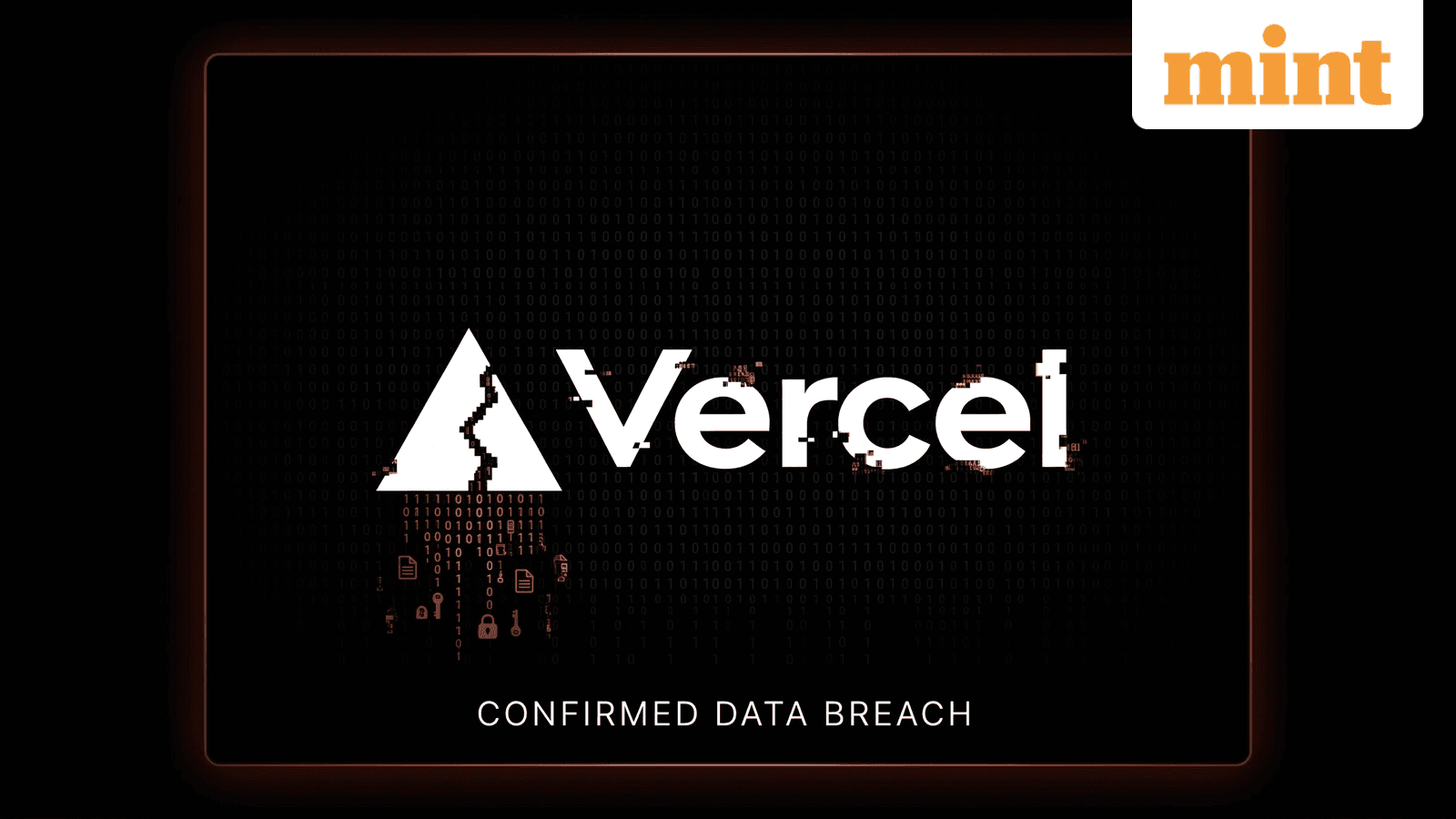
According to [Livemint](https://www.livemint.com/technology/tech-news/vercel-data-leak-ceo-confirms-internal-breach-linked-to-ai-tool-as-hackers-claim-to-sell-stolen-data-for-2-million-11776650683210.html), Vercel CEO Guillermo Rauch has confirmed a data breach that compromised the cloud development platform's internal systems after a third-party AI tool called Context.ai was exploited to gain access to an employee's Google Workspace account.
If you're a CTO or engineering leader who just approved a dozen AI tools for your team last quarter, this story should keep you up tonight. Vercel, the company trusted by Netflix, Uber, and thousands of enterprises to deploy their web applications, got compromised through an AI productivity tool most security teams never audited.
What Happened in the Vercel Data Breach?
The attack chain is a masterclass in how modern breaches work. A Vercel employee was using Context.ai, an AI-powered tool. That tool got breached. The attackers then used that access to compromise the employee's Google Workspace account. From there, they escalated privileges until they had access to Vercel's internal environments.
Rauch described the attackers as "highly sophisticated" and noted they moved with "surprising velocity and in-depth understanding of Vercel." His strong suspicion? AI significantly accelerated their attack. We're now seeing AI-on-AI warfare play out in enterprise security.
The Attack Chain
1. Third-party AI tool (Context.ai) gets breached 2. Attackers access employee's Google Workspace through OAuth connection 3. From Google Workspace, attackers pivot to Vercel's internal systems 4. Attackers exploit 'non-sensitive' environment variables for further access 5. Internal data, source code, and deployment keys extracted
The hackers, posting under the moniker "ShinyHunters" on a hacking forum, claim to be selling access keys, company source code, database data, and internal deployments. They shared proof: 580 records of Vercel employee information including names, emails, and account activity timestamps.
Why Should Business Leaders Care About This Breach?
This isn't just a Vercel problem. It's a preview of what's coming for every company that's adopted AI tools without updating their security model.
Think about your organization. How many AI tools have your employees connected to their work accounts in the past 18 months? ChatGPT, Claude, Notion AI, various code assistants, meeting summarizers, email drafters. Each one is a potential entry point. Each OAuth connection is a trust relationship that attackers can exploit.
Vercel's breach exposes a critical gap in enterprise security thinking. We've spent years hardening our perimeters, implementing zero-trust, and training employees on phishing. But the AI tools we're encouraging teams to use are creating new attack surfaces faster than security teams can assess them.
Deep dive into the AI tool attack vector
How Did AI Accelerate This Attack?
Rauch's comment that AI "significantly accelerated" the attack deserves attention. Security researchers are seeing this pattern repeatedly. Attackers are using AI to analyze stolen data faster, identify privilege escalation paths, and understand target environments with minimal manual effort.
An attack that might have taken weeks of manual reconnaissance can now happen in hours. The attackers' "in-depth understanding of Vercel" that surprised Rauch was likely AI-generated from documentation, public repos, and the initial data they accessed.
| Attack Phase | Traditional Timeline | AI-Accelerated Timeline |
|---|---|---|
| Initial reconnaissance | 1-2 weeks | Hours |
| Privilege escalation mapping | Days | Minutes |
| Data analysis and targeting | Weeks | Hours |
| Lateral movement planning | Days | Hours |
This is the uncomfortable truth about AI in 2026: the same tools making your developers more productive are making attackers more dangerous. Your security posture needs to account for adversaries who can move as fast as your best engineers.
What Data Was Exposed in the Vercel Breach?
The attackers claim to have access to several categories of sensitive data. For business leaders evaluating their own exposure, here's what's reportedly on the table:
- GitHub and NPM tokens (enabling code repository access)
- Company source code (intellectual property exposure)
- Database data (potentially customer information)
- Internal deployments (infrastructure access)
- Employee PII including names, emails, account timestamps
Vercel has stated that customer environment variables are "fully encrypted at rest." However, the platform allows developers to mark certain variables as "non-sensitive," and attackers exploited this feature to gain additional access. This is a critical lesson: encryption at rest isn't enough if your access controls have gaps.
The company says a "limited" number of customers were affected and has contacted them directly. But if you're running production workloads on Vercel, you should be auditing your environment variables and API keys regardless of whether you got that email.
What Should CTOs Do Right Now?
This breach is a wake-up call for anyone responsible for technology security. Here's the action plan:
- Audit all OAuth connections: Check Google Workspace, Microsoft 365, GitHub, and Slack for AI tools you didn't approve. Revoke anything suspicious immediately.
- Review 'non-sensitive' classifications: Any data marked non-sensitive in your cloud platforms needs a second look. Attackers exploit exactly these assumptions.
- Implement AI tool policies: Create an approved list. Require security review before any AI tool gets OAuth access to company accounts.
- Rotate credentials: If you use Vercel, rotate your API keys, GitHub tokens, and environment variables now. Don't wait for the all-clear.
- Monitor for lateral movement: Increase logging and alerting on unusual API activity, especially cross-service calls that could indicate compromise.
Understanding third-party AI risks for your business
The Bigger Picture: Third-Party AI Tools as Attack Vectors
Vercel's breach is part of a pattern we've been tracking. Third-party tools, especially AI-powered ones that need broad access to be useful, represent a growing security risk that most enterprises haven't adequately addressed.
The appeal is obvious. AI tools that can read your emails, access your code, and analyze your documents are incredibly powerful. But every permission you grant is an attack surface. When Context.ai got breached, the attackers didn't just get Context.ai data. They got a backdoor into every organization that had connected the tool to their systems.
✅ Pros
- • AI tools dramatically increase team productivity
- • Integration with existing workflows reduces friction
- • Competitive pressure to adopt AI quickly
❌ Cons
- • Each OAuth connection expands your attack surface
- • Most AI startups lack enterprise security maturity
- • Supply chain compromises affect all connected organizations
- • AI accelerates both productivity AND attack speed
The question for business leaders isn't whether to use AI tools. That ship has sailed. The question is how to use them without creating the kind of exposure that led to Vercel's breach.
How Much Could a Breach Like This Cost Your Company?
The hackers are demanding $2 million from Vercel. But that's just the ransom. The real costs of a breach like this are far higher:
| Cost Category | Typical Range | Notes |
|---|---|---|
| Incident response | $500K-$2M | Forensics, legal, crisis management |
| Customer notification | $100-$250 per record | Legally required in most jurisdictions |
| Regulatory fines | $1M-$50M+ | GDPR, CCPA, industry-specific |
| Business disruption | 5-15% quarterly revenue | Customer churn, deals lost |
| Reputation damage | Incalculable | Long-term trust erosion |
For context, the average cost of a data breach in 2025 reached $4.88 million globally, according to IBM's annual report. Cloud breaches involving third-party tools tend to cost 15-20% more due to the complexity of forensics and the difficulty of containing lateral movement.
Vercel's Response: What They're Doing Right
Credit where it's due: Vercel's transparency has been notable. CEO Rauch posted publicly about the breach, explained the attack chain, and outlined their response. This is how breach disclosure should work.
“All of our focus right now is on investigation, communication to customers, enhancement of security measures, and sanitisation of our environments.”
— Guillermo Rauch, Vercel CEO
Vercel has also issued specific guidance to Google Workspace administrators to check for compromised OAuth applications linked to the third-party AI tool. They've analyzed their supply chain and confirmed that Next.js, Turbopack, and their open-source projects remain safe.
The lesson for other CEOs: have a breach response plan that includes transparent communication. The cover-up always costs more than the crime.
Frequently Asked Questions
Should we stop using Vercel after this breach?
Not necessarily. Breaches happen to every major platform. The question is how the company responds. Vercel's transparency and rapid response are positive signs. However, you should rotate credentials and audit your deployments immediately.
How do we audit AI tools connected to our company accounts?
Start with Google Workspace Admin Console (Security > API controls > Third-party app access) and similar dashboards in Microsoft 365, GitHub, and Slack. Look for any app you don't recognize or haven't explicitly approved. Revoke access for anything suspicious.
What's the cost of implementing proper AI tool security controls?
Basic OAuth auditing and policy implementation costs $10K-50K for mid-sized companies. Comprehensive third-party risk management programs run $100K-500K annually. Compare this to the $4.88M average breach cost.
Are all AI tools equally risky?
No. Tools from established vendors with SOC 2 compliance and limited permission requests are lower risk. Startups asking for broad access to email, code, or documents deserve extra scrutiny. Always apply the principle of least privilege.
How quickly can attackers move once they have initial access?
In AI-accelerated attacks like this one, privilege escalation can happen in hours rather than weeks. Your detection and response capabilities need to match this speed, which means automated monitoring and alerting, not quarterly audits.
Logicity's Take
We build AI-powered applications and internal tools for startups and mid-sized companies using the Claude API, Next.js, and cloud platforms including Vercel. This breach hits close to home. From our experience shipping AI agents and automation workflows, here's what we've learned: the convenience of OAuth integrations is a double-edged sword. Every time we connect an AI tool to a client's system, we're extending their trust boundary to include that vendor's security posture. For our clients, we now recommend a 'zero trust for AI tools' approach. This means dedicated service accounts for AI integrations rather than employee accounts, aggressive permission scoping, and monitoring that treats AI tool API calls with the same suspicion as external traffic. The Vercel breach also validates something we've been advising: don't mark anything as 'non-sensitive' just because it's convenient. Attackers are looking for exactly these shortcuts. If you're building on platforms like Vercel, treat every environment variable as potentially sensitive and encrypt accordingly. This incident will accelerate enterprise security requirements for AI vendors. Companies like Context.ai will need to meet the same security standards as established SaaS providers. For Indian startups racing to adopt AI tools, the message is clear: security due diligence can't wait until after the breach.
Need Help Securing Your AI Stack?
Logicity helps companies implement AI tools without creating security gaps. From OAuth audits to secure AI agent architectures, we've helped startups and enterprises adopt AI safely. Get in touch if you're concerned about your third-party AI exposure.
Source: mint / Aman Gupta
Manaal Khan
Tech & Innovation Writer
Produced with AI assistance and reviewed by the Logicity editorial team. Learn more in our Editorial Policy.