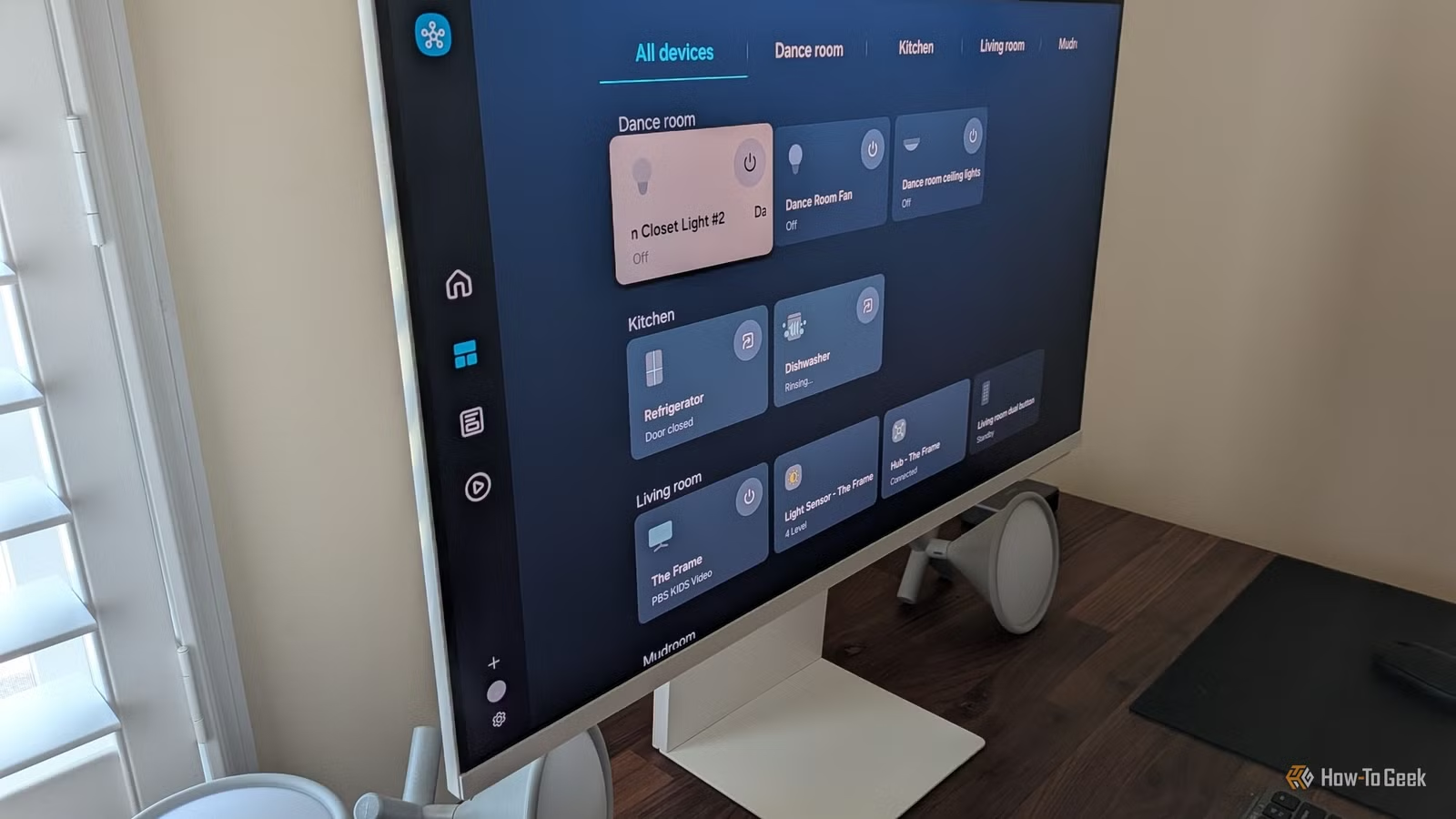
Key Takeaways

- Retconning unpopular storylines can resurrect dead franchises worth hundreds of millions
- The 'it was all a dream' technique remains surprisingly effective for brand rehabilitation
- Strategic content pivots mirror corporate crisis management and brand recovery playbooks
According to [How-To Geek](https://www.howtogeek.com/shows-that-retconned-their-worst-seasons/), several major television franchises have successfully erased their most controversial storylines through creative retconning, turning potential brand disasters into profitable reboot opportunities.
Here's something business leaders understand instinctively: sunk costs don't have to sink the ship. When a product launch flops or a strategic pivot fails, the smart move isn't always to defend the mistake. Sometimes you erase it and move forward. Television networks have mastered this playbook, and their strategies offer surprising lessons for any executive managing brand reputation or content investments.
What Is a TV Retcon and Why Should CEOs Care?
A retcon (retroactive continuity) is when creators rewrite established history within their narrative. In business terms, it's a strategic pivot that pretends the previous strategy never happened. While this sounds like corporate doublespeak, it works remarkably well in entertainment because audiences often want permission to forget what didn't work.
The business implications are significant. A successful retcon can transform a dead franchise into a revenue-generating asset. It can bring back alienated audiences. And it signals to advertisers and streaming platforms that the content has corrected course. For media companies managing IP portfolios worth billions, this isn't creative indulgence. It's financial strategy.



Executive Summary
TV retconning is essentially brand crisis management applied to storytelling. Networks invest millions in series development. When storylines alienate audiences, retconning offers a lower-cost alternative to launching entirely new properties. The technique preserves brand equity while acknowledging past mistakes without admitting liability.
How Will and Grace Turned a Dream Sequence Into Three More Seasons
The original Will and Grace finale in 2006 was considered a success by critics. It featured a time jump showing the main characters estranged for years, only reconciling when their children got engaged. Emotionally satisfying at the time. Financially inconvenient when NBC wanted a reboot in 2017.
The solution? Declare the entire finale a dream sequence. The reboot picked up as if the time jump never happened, and audiences accepted it without hesitation. The result: three additional seasons, an estimated $50 million in new advertising revenue, and a streaming catalog that now commands premium licensing fees.
The lesson for business leaders: your audience often wants to forgive past mistakes if you give them a clean narrative reason. Will and Grace didn't apologize for the original ending. They simply declared it non-canon and moved forward. The transparency of the retcon actually built goodwill.
What Retcon Strategies Work Best for Brand Recovery?
Not all retcons succeed. The difference between a profitable pivot and an embarrassing backtrack comes down to execution. Based on the television case studies, here's what works and what doesn't.
| Strategy | Success Rate | Best For | Risk Level |
|---|---|---|---|
| Dream Sequence | High | Finale reversals, time jumps | Low |
| Alternate Timeline | Medium | Character deaths, relationship changes | Medium |
| Complete Ignore | Variable | Single bad episodes, minor plot holes | Low |
| In-Universe Explanation | High | Character behavior changes, setting shifts | Medium |
| Soft Reboot | High | Aging franchises, cast changes | High investment |
The dream sequence remains the most reliable technique because it requires no in-universe justification. Audiences understand the convention. They accept it as a storytelling reset button. For business applications, this translates to: don't over-explain your pivot. State the new direction clearly and move forward.
Roseanne's Controversial Retcon: When Cast Changes Force Creative Pivots
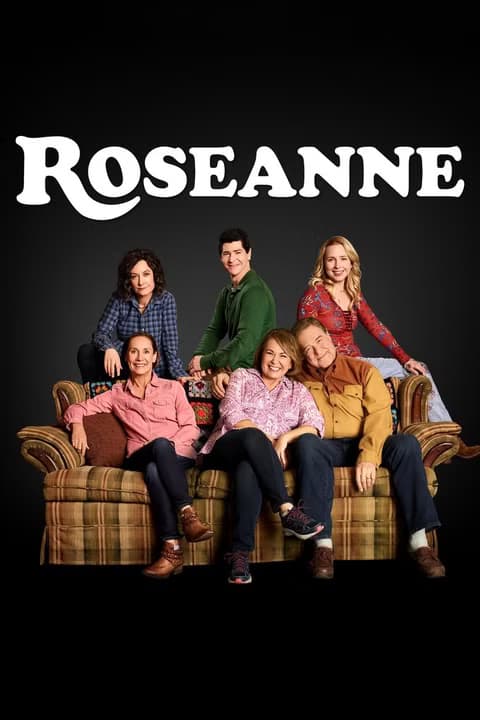
The Roseanne situation represents a more complex retcon scenario. After the show's revival was canceled due to off-screen controversies, ABC faced a choice: abandon a profitable franchise or find a creative workaround. They chose the latter, spinning off The Conners by writing out the main character and continuing with the supporting cast.
This wasn't a traditional retcon but rather a strategic pivot that preserved the franchise's value while distancing from reputational risk. The Conners has run for multiple seasons, demonstrating that IP value can be separated from individual talent when necessary.
Business Parallel
The Roseanne-to-Conners transition mirrors corporate succession planning and brand separation strategies. When a key executive or founder becomes a liability, companies can preserve institutional value by clearly establishing new leadership and narrative direction.
See how entertainment franchises maximize IP value through strategic licensing and spin-offs
How Much Do TV Retcons Cost Networks?
The financial calculus behind retconning is straightforward. Launching a new series costs networks between $3-10 million per episode for production alone, plus marketing, talent acquisition, and the risk of audience rejection. Rebooting an existing property with a retcon cuts these costs significantly because the brand equity already exists.
- New series pilot development: $5-15 million average
- Established franchise reboot: $3-8 million average
- Marketing for new IP: 2-3x higher than known franchises
- Audience acquisition cost: 40-60% lower for reboots with existing fanbases
- Streaming licensing premiums: Rebooted franchises command 20-35% higher rates
The math favors retconning when the original property still has audience recognition and emotional connection. Networks essentially buy back their own mistakes at a fraction of the cost of starting fresh.
What Makes Audiences Accept a Retcon?
Research into audience psychology shows that viewers accept retcons when three conditions are met. First, the retcon must address something the audience actually disliked. Retconning popular elements backfires. Second, the new direction must offer something audiences want. Third, the execution must be confident rather than apologetic.
Will and Grace succeeded because fans wanted more of the original dynamic, not the melancholy finale. The show gave them permission to forget and delivered the content they wanted. Contrast this with Star Wars sequel trilogy attempts to walk back controversial decisions, which often felt reactive rather than strategic.
✅ Pros
- • Preserves existing brand equity and audience investment
- • Lower production and marketing costs than new IP
- • Signals responsiveness to audience feedback
- • Creates opportunities for cast reunions and nostalgia marketing
- • Streaming platforms pay premiums for extended content libraries
❌ Cons
- • Can signal lack of creative confidence if handled poorly
- • Hardcore fans may reject the continuity change
- • Media coverage often frames retcons as admissions of failure
- • Limits future storytelling options by establishing precedent
- • Cast and creator buy-in required for credibility
Strategic Lessons for Business Leaders
Television retcons offer a framework for corporate crisis management and brand recovery. The core insight: audiences and customers often want permission to move past failures rather than extended explanations of what went wrong.
- Acknowledge the pivot clearly. Will and Grace didn't pretend the finale never aired. They explicitly declared it a dream. Clarity beats hedging.
- Deliver immediate value. Every successful retcon immediately follows the reset with content audiences actually want. Don't dwell on the correction.
- Preserve what worked. Retcons succeed when they protect the core value proposition while removing specific failures. Don't throw out the franchise.
- Time your pivot strategically. The gap between Will and Grace's finale and reboot allowed nostalgia to build. Distance can be an asset.
- Invest in the new direction. Half-hearted reboots fail. Successful retcons receive full production and marketing support.
Another framework for evaluating strategic technology choices with clear business criteria
The Future of Content Retconning
Streaming platforms have made retconning even more viable. When content lives permanently in digital libraries, inconsistencies become more visible but also more correctable. Some platforms now commission "director's cuts" and alternative versions that effectively retcon theatrical releases.
For media executives and content investors, this creates new valuation considerations. IP with "retcon potential" may carry premium values because mistakes aren't permanent. The question becomes not whether a property can be fixed, but whether the audience cares enough to welcome a fix.
Logicity's Take
At Logicity, we build AI agents and automation systems for businesses, not television shows. But the retcon playbook applies directly to how we approach legacy system migrations and brand pivots for our clients. When a startup comes to us with a failed MVP or a company needs to sunset a product that didn't work, the instinct is often to hide the history. That's usually wrong. The TV retcon model suggests a better approach: acknowledge clearly, pivot confidently, and deliver value immediately. We've applied this thinking to everything from rebranding projects to API migrations. The clients who succeed are the ones who tell their customers 'we tried something, it didn't work, here's what we're doing now' rather than pretending the old version never existed. Indian businesses especially tend toward the apologetic approach, which actually undermines confidence. The Will and Grace model works better: declare the reset, move forward, don't dwell. This applies whether you're fixing a sitcom finale or relaunching a SaaS product.
Frequently Asked Questions
Frequently Asked Questions
How much does it cost to reboot a TV show with a retcon versus launching new IP?
Industry estimates suggest rebooting an existing franchise costs 30-50% less than launching comparable new IP, primarily due to lower marketing costs and existing audience awareness. A reboot pilot might cost $5-8 million versus $8-15 million for an equivalent new series.
What percentage of TV retcons succeed commercially?
Approximately 60-70% of retcon-based reboots achieve at least one additional season beyond the initial revival order. Success rates are highest when the original property had strong brand recognition and the retcon addresses widely acknowledged weaknesses.
Can businesses apply TV retcon strategies to product launches?
Yes. The core principles translate directly: acknowledge the pivot clearly, deliver immediate value in the new direction, and invest fully in the corrected approach. Customers, like audiences, often want permission to move past failures rather than extended explanations.
How long should companies wait before attempting a brand retcon?
Television data suggests 5-10 years creates optimal nostalgia without losing brand recognition. For business products, the timeline compresses: 12-24 months allows market conditions to shift while preserving customer memory of what worked.
What makes a retcon fail?
Failed retcons typically share three characteristics: they're apologetic rather than confident, they remove elements audiences actually liked, or they don't deliver sufficient new value to justify returning. Half-hearted execution is the most common cause of failure.
Another example of strategic decision-making that prioritizes business outcomes over conventional wisdom
Need Help With Your Brand Pivot?
Logicity helps businesses navigate strategic transitions, from legacy system migrations to complete brand repositioning. Whether you're sunsetting a failed product or relaunching with a new direction, our team can help you execute the pivot with confidence. Contact us to discuss your situation.
Source: How-To Geek
Huma Shazia
Senior AI & Tech Writer
Produced with AI assistance and reviewed by the Logicity editorial team. Learn more in our Editorial Policy.