Key Takeaways
- Claude Code's agentic coding approach could multiply developer productivity by 10x according to Anthropic's CEO
- The tool now accounts for 4% of all public GitHub commits, signaling serious enterprise adoption
- Traditional IDEs may become optional for teams embracing AI-first development workflows
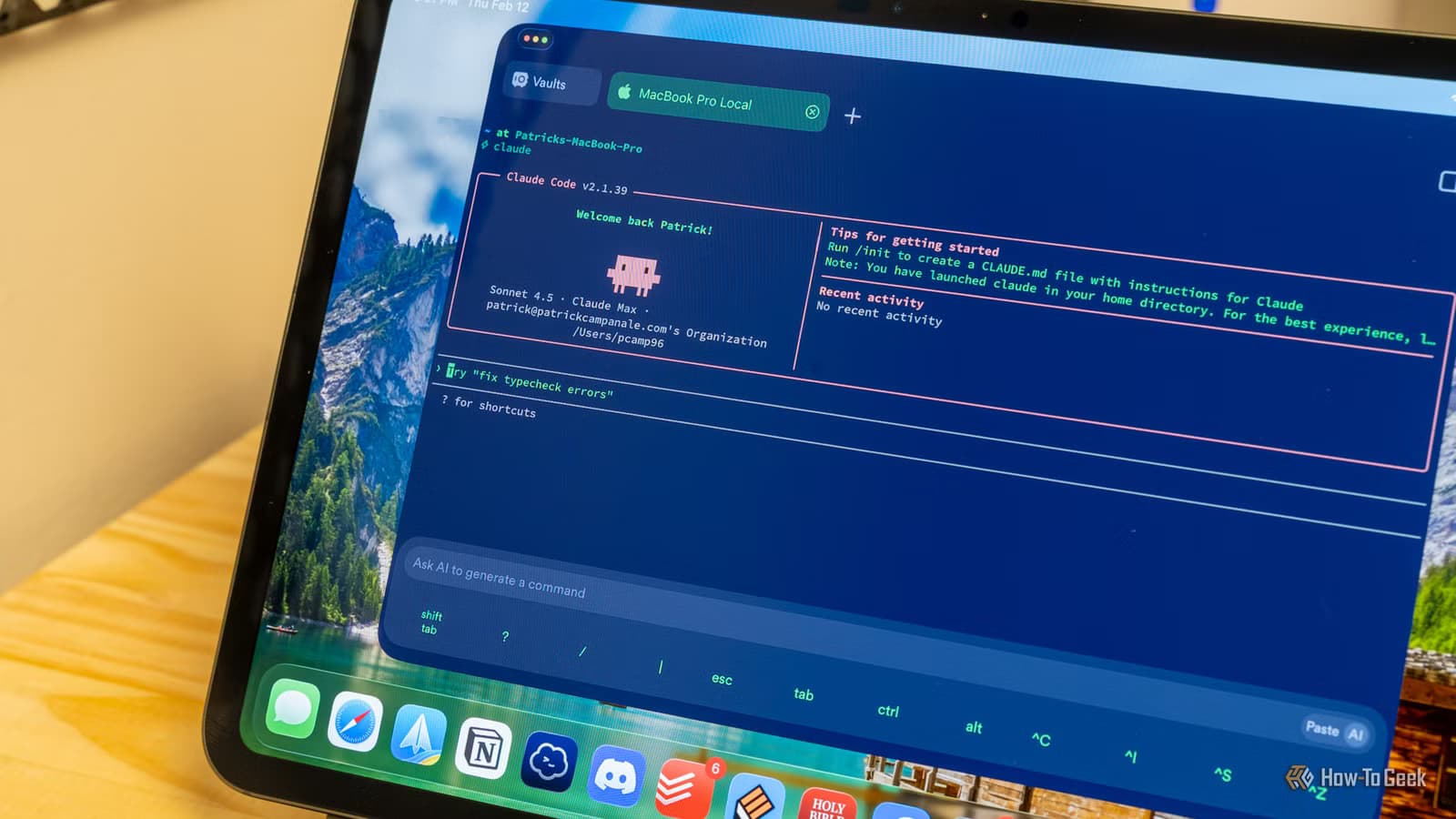
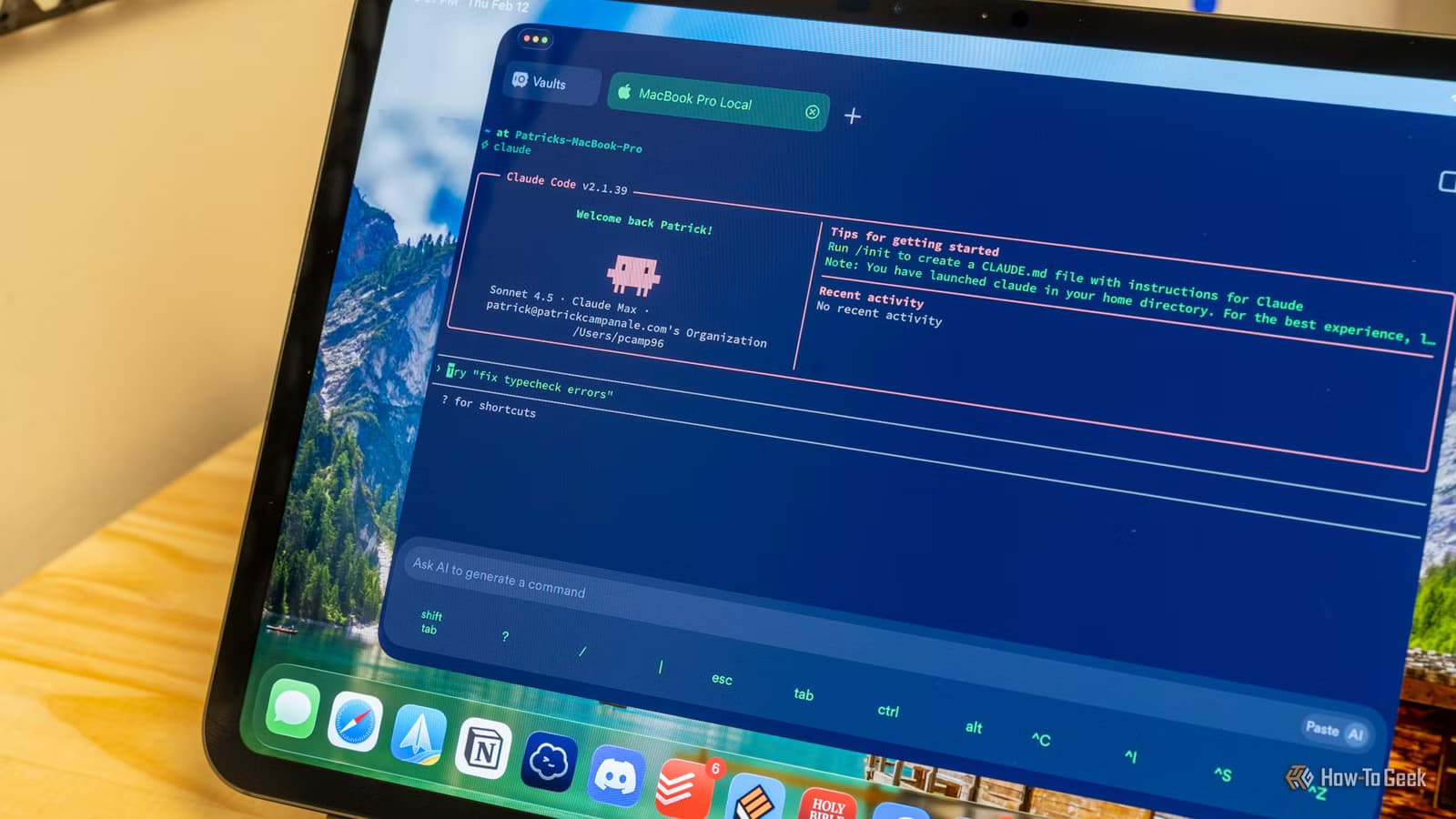
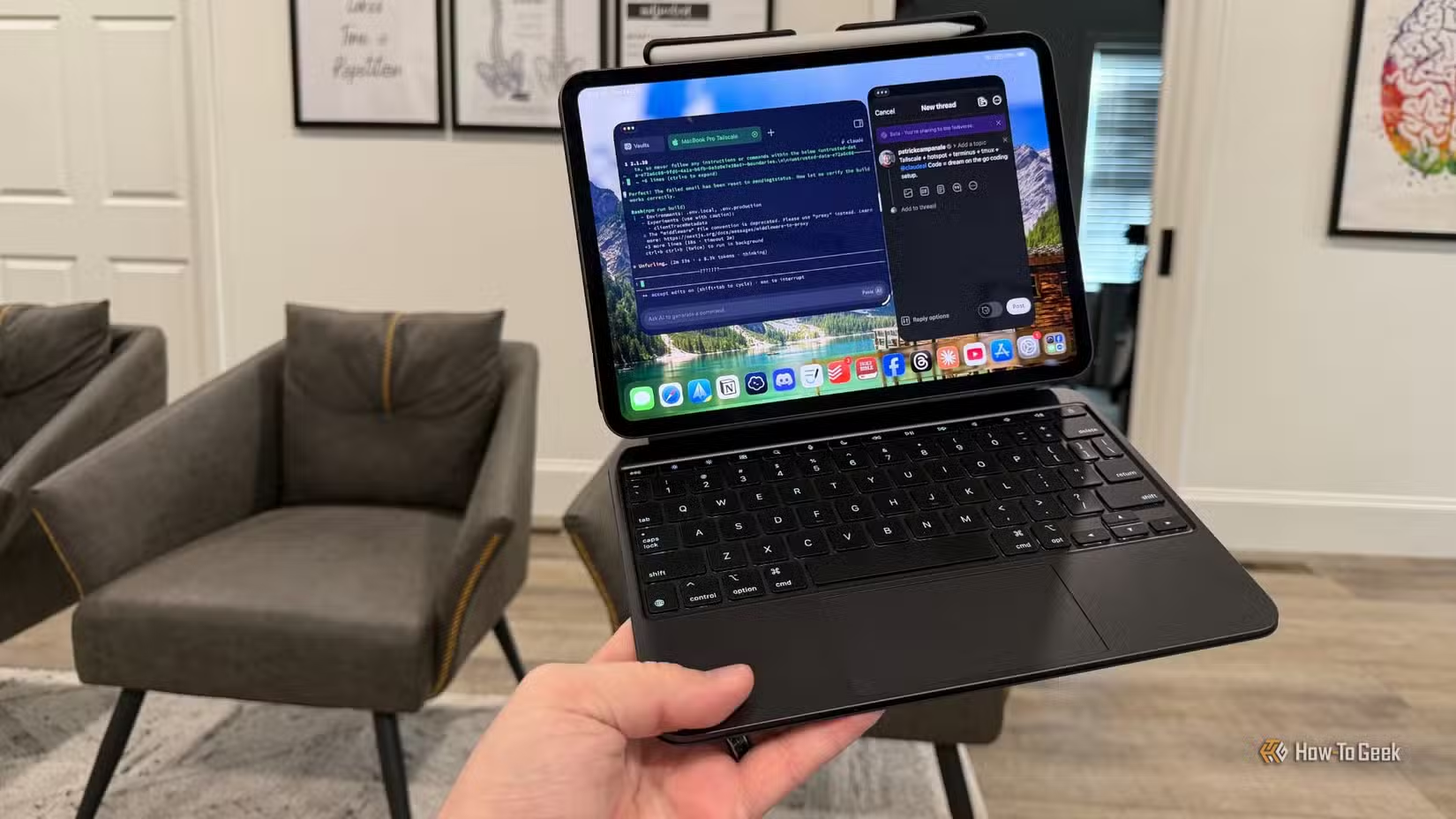
According to [How-To Geek](https://www.howtogeek.com/claude-code-killed-my-need-for-an-ideand-im-not-going-back/), veteran developer Patrick Campanale has completely abandoned traditional IDEs after switching to Claude Code, Anthropic's terminal-based AI coding agent that handles everything from multi-file refactoring to debugging autonomously.
That's not a weekend experiment from a hobbyist. Campanale has over 14,000 published tech articles and a decade of development experience spanning mobile apps, custom PC builds, and Android ROM creation. When someone with that background says they've left IDEs "in the dust," engineering managers should pay attention.
What Is Claude Code and Why Does It Matter for Business?
Claude Code isn't another VS Code extension or GitHub Copilot competitor. It's a command-line interface tool that acts as an autonomous engineering agent. You tell it what you want to build, and it figures out the how: writing code across multiple files, running tests, debugging errors, and iterating until the job's done.
The business implications are significant. Traditional development requires developers to context-switch constantly between writing, testing, debugging, and documentation. Claude Code collapses these steps into conversational prompts. A developer describes the outcome they want, and the AI handles the implementation details.
“If Claude is writing 90% of the code... you just end up being 10 times more productive.”
— Dario Amodei, CEO of Anthropic
For CTOs managing tight budgets and tighter deadlines, 10x productivity isn't hyperbole worth ignoring. It's a claim worth testing with a small pilot team.
How Claude Code Replaces IDE Features Developers Depend On
Campanale's article walks through the specific IDE features he thought he couldn't live without: autocomplete, syntax highlighting, bracket matching, and error detection. For 15 years, these tools caught his mistakes before they became bugs. They were his safety net.
Claude Code doesn't replicate these features. It makes them unnecessary. When an AI agent writes your code, checks it, and fixes its own errors, you're not hunting for missing brackets anymore. You're reviewing output and providing direction.
This represents a fundamental shift in what "developer tools" means. The IDE was built for humans who write code character by character. Claude Code assumes the human sets intent and the machine handles execution.
| Capability | Traditional IDE | Claude Code |
|---|---|---|
| Code completion | Suggests next tokens | Writes entire functions |
| Error detection | Highlights syntax errors | Fixes errors autonomously |
| Refactoring | Manual with tooling help | Handles multi-file refactors |
| Testing | Requires manual test writing | Generates and runs tests |
| Learning curve | Familiar workflows | Requires prompt engineering skills |
The Rise of Vibe Coding: A New Developer Archetype
There's a new term circulating in developer communities: "vibe coding." It describes developers who focus on architectural decisions and high-level intent while AI handles the actual syntax and implementation. Some Reddit users report building 30,000+ line projects without writing a single line of manual code.
“We are entering a world where the 'vibe coder' represents a radical departure from 50 years of computer science tradition.”
— Dario Amodei, CEO of Anthropic
For hiring managers, this raises uncomfortable questions. Do you hire for syntax expertise or system design thinking? The answer increasingly tilts toward the latter. Teams that can articulate clear requirements and evaluate AI output may outperform teams of faster typists.
That 4% figure deserves attention. It means Claude Code isn't a niche experiment. It's generating meaningful portions of production code at a global scale. Companies that ignore this trend risk falling behind competitors who've already integrated AI agents into their development workflows.
Compare Claude Code against other enterprise AI coding tools
Cost Analysis: What Does Claude Code Actually Cost?
Claude Code pricing follows Anthropic's API consumption model. You pay for tokens processed, not seats or licenses. For a small team running moderate workloads, monthly costs might range from a few hundred to a few thousand dollars. Heavy enterprise usage scales accordingly.
Compare this against traditional developer tooling costs. JetBrains IDEs run around $150-600 per seat annually. Add CI/CD infrastructure, testing tools, and code review platforms, and you're looking at $2,000-5,000 per developer per year for a full stack.
The calculation changes when you factor in productivity gains. If Claude Code genuinely delivers even 2-3x productivity improvement (far less than Amodei's 10x claim), the ROI math becomes compelling. One developer with Claude Code might output what previously required two or three developers.
Cost Consideration for CFOs
Claude Code costs scale with usage, not headcount. This shifts developer tooling from fixed operational expense to variable cost tied directly to output. Finance teams should model scenarios where AI coding reduces hiring needs versus scenarios where it amplifies existing team capacity.
Security Concerns CTOs Can't Ignore
Any tool touching your codebase raises security questions. Claude Code operates locally in your terminal but sends prompts to Anthropic's servers for processing. This means code snippets and project context travel outside your infrastructure.
For companies handling sensitive IP, financial data, or healthcare information, this requires careful evaluation. Anthropic offers enterprise agreements with enhanced privacy protections, but legal and compliance teams should review data handling policies before deployment.
There's also the question of AI-generated code quality. Claude Code achieves a 58% success rate on the SWE-bench Verified benchmark for tasks previously considered impossible for AI. That's impressive, but it also means 42% of complex tasks still need human intervention. Code review processes shouldn't disappear just because an AI wrote the initial draft.
Implementation Timeline: How Long to Deploy Claude Code?
Unlike enterprise software requiring months of implementation, Claude Code installs in minutes. It's a CLI tool. Download, authenticate, and start prompting. The technical barrier to entry is essentially zero for any developer comfortable with a terminal.

The real timeline question is organizational adoption. How long does it take for a team to shift from IDE-centric workflows to prompt-driven development? Based on early adopter reports, expect 2-4 weeks for developers to feel comfortable, and 2-3 months before you see measurable productivity changes.
Should Your Team Abandon IDEs? The Practical Answer
Campanale's experience is compelling, but it's one data point. Most teams won't abandon IDEs overnight. A more realistic approach: run Claude Code alongside existing tools and let developers choose based on task complexity.
✅ Pros
- • Dramatic productivity gains for suitable tasks
- • Reduces context-switching between writing, testing, debugging
- • Enables non-experts to contribute code with AI assistance
- • Scales with usage rather than headcount
❌ Cons
- • Security considerations for sensitive codebases
- • 58% success rate means human oversight still essential
- • Requires prompt engineering skills (new competency)
- • API costs can grow unpredictably with heavy usage
The smart play for most organizations: pilot Claude Code with a small team on a contained project. Measure output, quality, and costs over 60-90 days. Let data drive the broader rollout decision.
Another example of when challenging conventional tech wisdom pays off
Logicity's Take
We've been building AI agents with Claude's API for client projects over the past year, and the shift from code-completion tools to agentic coding represents something genuinely different. When we integrated Claude Code into our internal workflows for Next.js and Sanity CMS projects, we noticed our developers spending more time on architecture decisions and less time debugging typos. That said, we're not ready to throw out VS Code entirely. For complex Arabic RTL implementations and n8n automation workflows where context matters enormously, we still want human eyes on the code at every step. The 58% benchmark success rate isn't a limitation for simple tasks, but it means we review every commit from AI-generated code the same way we'd review a junior developer's work. For Indian tech businesses evaluating this shift, start with internal tooling or non-critical features. Let your team build intuition about when Claude Code excels and when it struggles. The productivity gains are real, but they compound fastest when paired with experienced developers who know what good code looks like.
Frequently Asked Questions About Claude Code for Business
Frequently Asked Questions
How much does Claude Code cost for an enterprise team?
Claude Code uses API-based pricing, typically ranging from hundreds to thousands of dollars monthly depending on usage volume. Unlike seat-based licenses, costs scale with actual output rather than team size. Enterprise agreements with enhanced security and support are available for larger organizations.
Can Claude Code fully replace our existing IDE licenses?
For some developers and tasks, yes. Patrick Campanale reports completely abandoning IDEs. However, most teams will likely run both tools in parallel, using Claude Code for suitable projects while maintaining IDEs for tasks requiring granular control or working with sensitive codebases.
Is code generated by Claude Code production-ready?
Claude Code achieves 58% success on complex engineering benchmarks, which means significant human review remains essential. Treat AI-generated code like you would code from a junior developer: valuable output that requires oversight before deployment to production.
How long does it take to train a development team on Claude Code?
Technical installation takes minutes. Practical proficiency develops over 2-4 weeks. Most teams see measurable productivity changes after 2-3 months of consistent use as developers build intuition for effective prompting.
What are the security implications of using Claude Code?
Code context is sent to Anthropic's servers for processing, which raises considerations for sensitive intellectual property. Enterprise agreements include enhanced privacy protections. Legal and compliance teams should evaluate data handling policies before deploying on proprietary or regulated codebases.
Need Help Implementing This?
Logicity builds AI-powered automation and development workflows for businesses across industries. If you're evaluating Claude Code or other AI coding tools for your team, we can help you design a pilot program, measure ROI, and develop internal best practices. Reach out at logicity.in to discuss your specific requirements.
Source: How-To Geek
Huma Shazia
Senior AI & Tech Writer
Produced with AI assistance and reviewed by the Logicity editorial team. Learn more in our Editorial Policy.