Key Takeaways
- The 2026 C-HR starts at $37,000 with standard dual-motor AWD and 287 miles of EPA-estimated range
- Toyota built the new C-HR on its e-TNGA platform with an integrated NACS charging port
- DC fast charging takes 30 minutes from 10% to 80%, making road trips more practical
For years, the biggest barrier to mainstream EV adoption has been price. Electric SUVs with decent range and performance have hovered in the $50,000 to $60,000 range, pushing practical family buyers toward gas-powered crossovers. Toyota is betting the 2026 C-HR can change that equation.
The compact crossover returns to the U.S. market after a brief hiatus, now as a dedicated battery-electric vehicle. The base SE trim starts at $37,000. That's aggressive pricing for an EV with standard all-wheel drive, 287 miles of EPA-estimated range, and a 4.9-second sprint to 60 mph.
What's Under the Sheet Metal
Toyota built the new C-HR on its e-TNGA platform, the same architecture underpinning the bZ4X. But the C-HR takes a different approach. Where the bZ4X drew criticism for conservative performance specs, the C-HR leans into the instantaneous torque that makes EVs fun to drive.
Standard dual-motor all-wheel drive puts power to all four wheels. The 4.9-second 0-60 time puts it in the same ballpark as sports sedans from a decade ago. For a compact crossover designed for commutes and grocery runs, that's more than enough thrust.
Range lands at 287 miles on the EPA cycle. That's not class-leading, but it's competitive. More importantly, it's enough for the vast majority of daily driving scenarios without range anxiety creeping in.
Charging Gets Easier
Toyota integrated a NACS port into the C-HR, meaning it can use Tesla's Supercharger network without an adapter. This is becoming standard across the industry, but Toyota's timing matters. Buyers who've hesitated over charging infrastructure now have access to the largest fast-charging network in North America.
DC fast charging fills the battery from 10% to 80% in about 30 minutes. That's not the fastest in the segment, but it's practical for road trips. Stop for lunch, leave with a nearly full battery.
“The new C-HR brings the soul of a sports coupe to the electrification era, proving that mainstream EVs don't have to be boring.”
— Jamie Lee, Lead Automotive Analyst at Global Auto Trends
Design Language: The Hammerhead Look
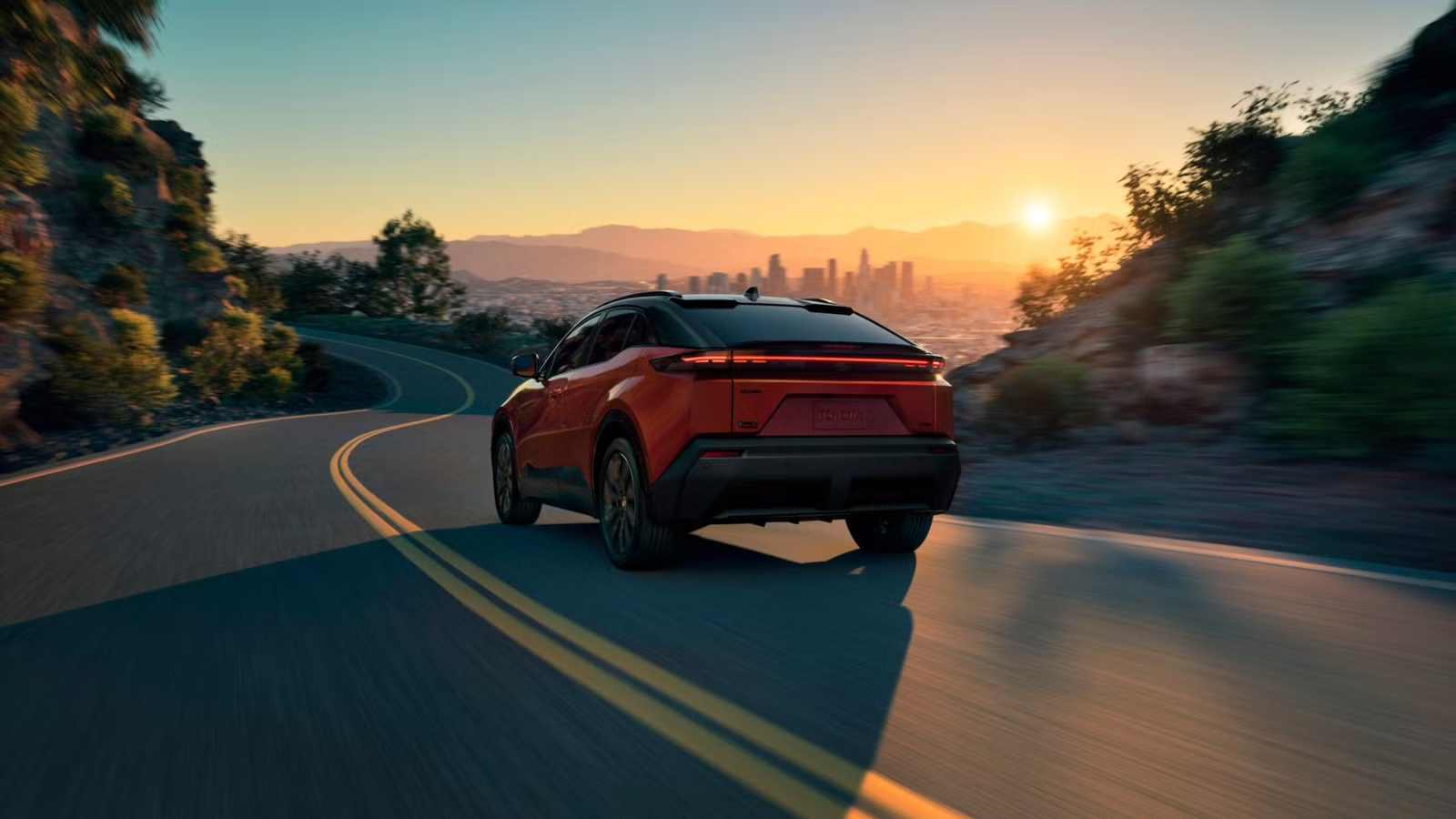
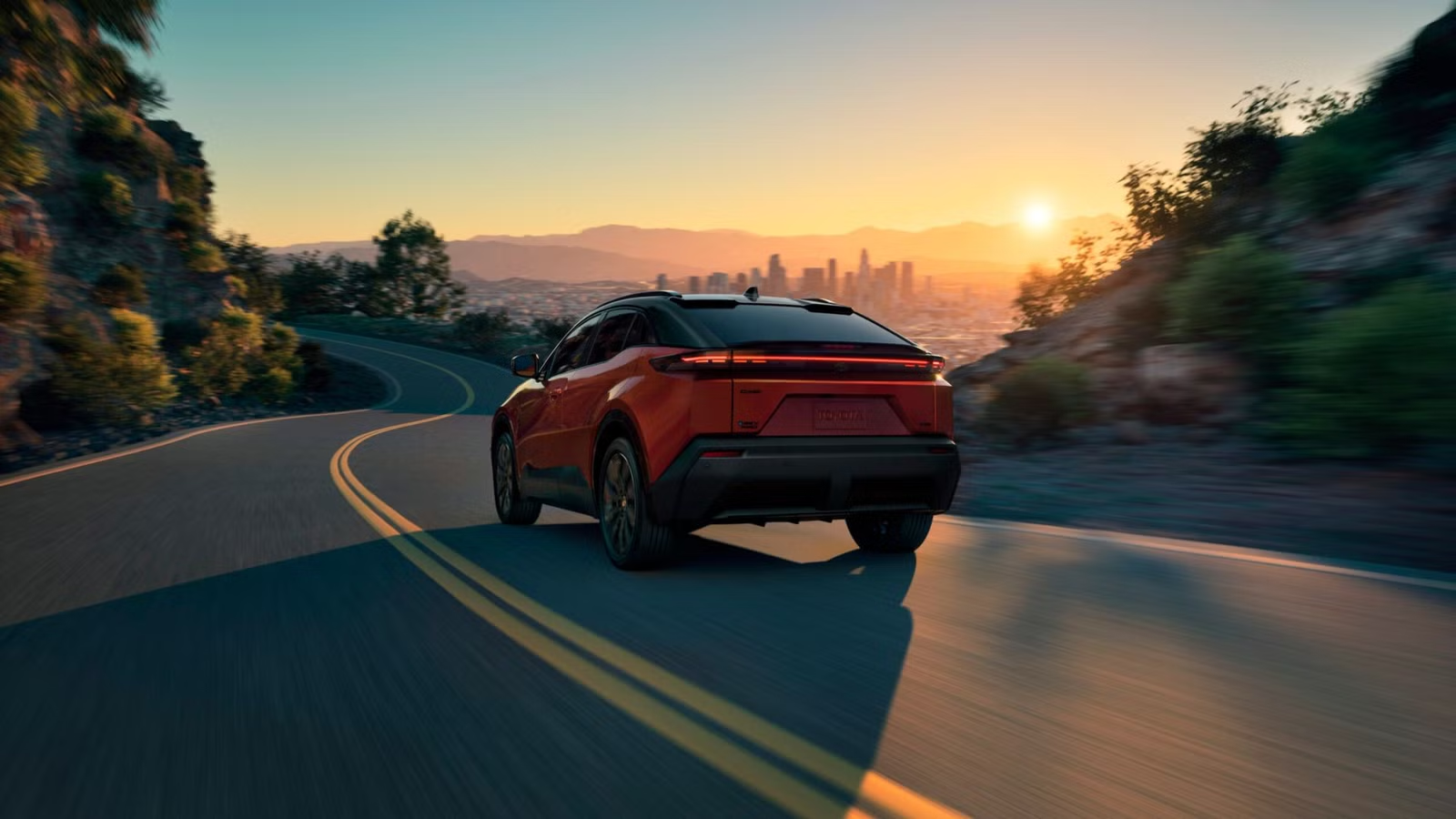
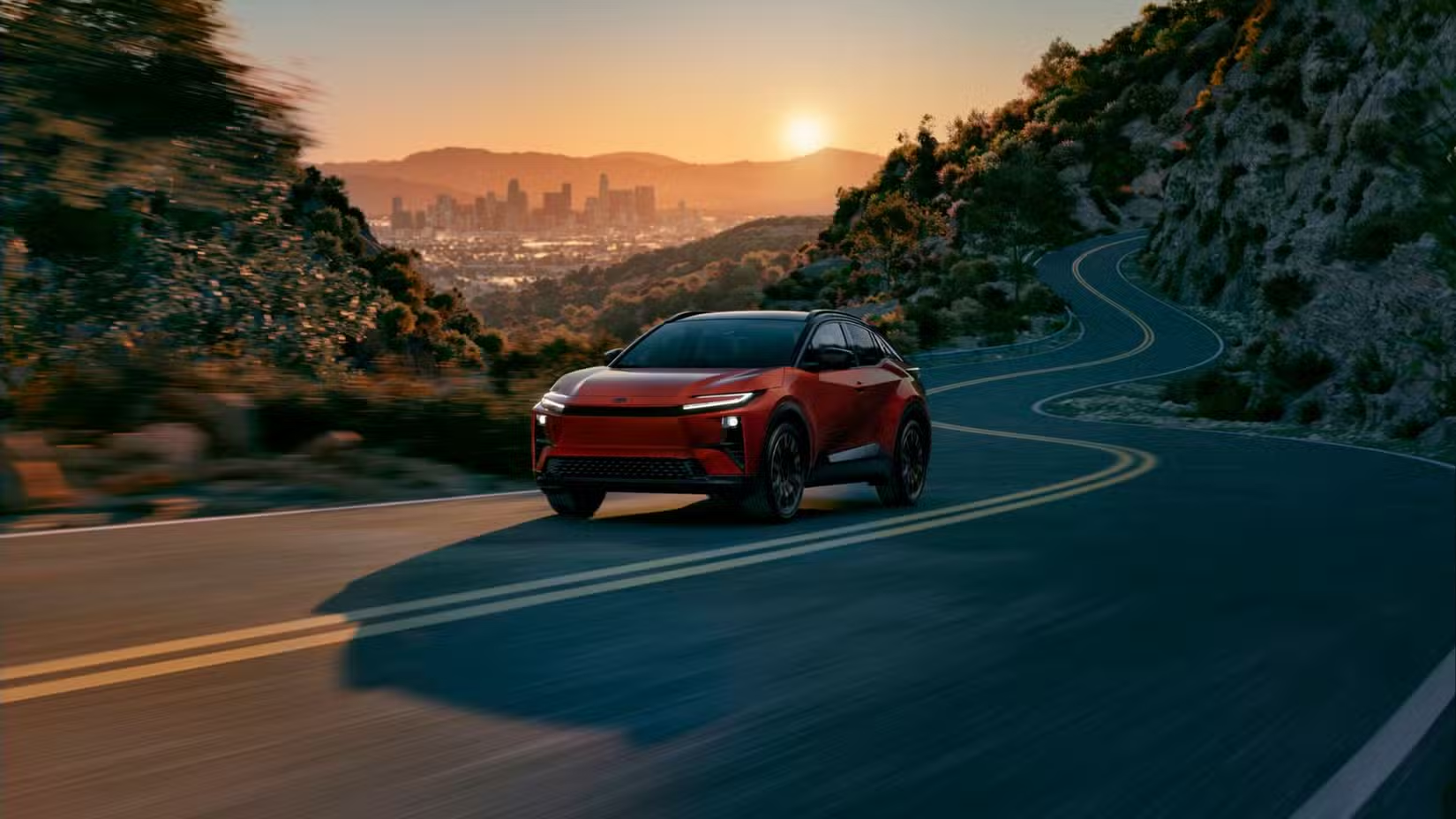
Toyota calls the styling approach "Hammerhead," referring to the wide, aggressive front end. The original C-HR was known for its bold, angular design. The 2026 model pushes that further while cleaning up some of the busier elements from the previous generation.
The result is a compact crossover that looks sportier than its price suggests. Hidden rear door handles and a sloping roofline create a coupe-like profile. Whether that aesthetic works depends on personal taste, but Toyota clearly isn't trying to build another anonymous appliance.
The $37,000 Question
Toyota's pricing puts the C-HR below the Chevrolet Equinox EV ($41,900 base) and well under the Tesla Model Y ($44,990). But the stated MSRP is only half the story.
Online communities are already debating whether dealers will hold the line on pricing. On Reddit's r/electricvehicles, some users are skeptical that Toyota can maintain the $37,000 sticker without dealer markups eating into the value proposition. That's a reasonable concern given the demand for affordable EVs.
Production volume will determine whether the C-HR actually reaches buyers at its advertised price or becomes another example of phantom inventory with inflated dealer fees.
Toyota's EV Strategy Shift
The C-HR represents a shift in Toyota's electrification approach. The company was slow to embrace battery-electric vehicles, betting heavily on hybrids while competitors launched dedicated EV platforms. The bZ4X, Toyota's first mass-market EV for the U.S., received mixed reviews.
With the C-HR, Toyota seems to have absorbed the feedback. The specs are competitive. The price is aggressive. The design has personality. Whether this signals a broader change in Toyota's EV philosophy or a one-off course correction remains to be seen.
Engineers on HackerNews have been dissecting the new battery architecture, comparing efficiency gains against the bZ4X. Early analysis suggests Toyota made meaningful improvements to energy density and thermal management, though real-world data will take time to accumulate.
Logicity's Take
Who Should Pay Attention
If you're shopping for an electric crossover under $45,000, the C-HR belongs on your list. It's not the largest vehicle in its class, but the combination of performance, range, and price is hard to match.
Buyers who've been waiting for Toyota to get serious about EVs finally have something to consider. The brand's reliability reputation and dealer network could make the C-HR a safer bet than newer EV manufacturers for risk-averse shoppers.
Another look at how automotive technology is evolving with new business models
Frequently Asked Questions
When does the 2026 Toyota C-HR go on sale?
Toyota announced the C-HR in June 2026. Exact dealer availability dates have not been confirmed, but expect deliveries to begin later in 2026.
Does the Toyota C-HR qualify for federal EV tax credits?
Eligibility depends on battery sourcing and manufacturing requirements that change annually. Check the IRS Clean Vehicle Credit page for current qualification status.
How does the C-HR's range compare to competitors?
The 287-mile EPA estimate is competitive with the Chevrolet Equinox EV and close to the Tesla Model Y. It exceeds many entry-level EVs in its price range.
Can the Toyota C-HR use Tesla Superchargers?
Yes. The C-HR includes an integrated NACS port, allowing direct access to Tesla's Supercharger network without an adapter.
Is the 2026 C-HR available with single-motor rear-wheel drive?
No. Toyota made dual-motor all-wheel drive standard across all C-HR trims.
Need Help Implementing This?
Source: How-To Geek
Manaal Khan
Tech & Innovation Writer
Produced with AI assistance and reviewed by the Logicity editorial team. Learn more in our Editorial Policy.