Key Takeaways
- SpaceX needs 'significantly more' AI chips than currently available to scale orbital AI
- TeraFab semiconductor project with Tesla and Intel has no long-term partner commitments
- The company buys all GPUs on purchase-order basis with no material long-term contracts
The chip gap SpaceX admits it can't close
SpaceX filed its Form S-1 document with the SEC ahead of its hotly anticipated IPO. Buried in the risk factors section is an admission that cuts to the heart of the company's AI ambitions: it cannot get enough chips.
“Our ability to achieve orbital AI at scale depends on our ability to access a sufficient number of AI chips, significantly more than are currently available to us.”
— SpaceX, Form S-1 Filing
The filing goes further. SpaceX states it has no long-term contracts with its chip suppliers. Every GPU it buys comes through purchase orders, leaving the company exposed to market swings and supply chain shocks.
This matters because SpaceX isn't just building rockets anymore. The company is pivoting toward a vertically integrated "space and AI" infrastructure model, with plans for space-based data centers by 2028. That vision requires massive compute power in orbit, and massive compute power requires chips.
Why GPU supply is so tight
The S-1 names the usual suspects: AMD, Nvidia, TSMC, and Samsung Foundry. It then lists what could go wrong: fab capacity shortages, raw material constraints, geopolitical disruptions, and natural disasters affecting semiconductor manufacturing regions.
TSMC, the world's largest maker of advanced logic chips, can barely meet demand for AI processors. Industry insiders say the foundry is supply-constrained. Companies that want guaranteed access are paying for it upfront. Nvidia increased its total supply commitments, including inventory, purchase commitments, and prepaids, to $145 billion to lock in chips and components.
SpaceX has no such arrangement. Without long-term contracts, it competes for the same limited pool of GPUs as everyone else.
TeraFab: The ambitious backup plan
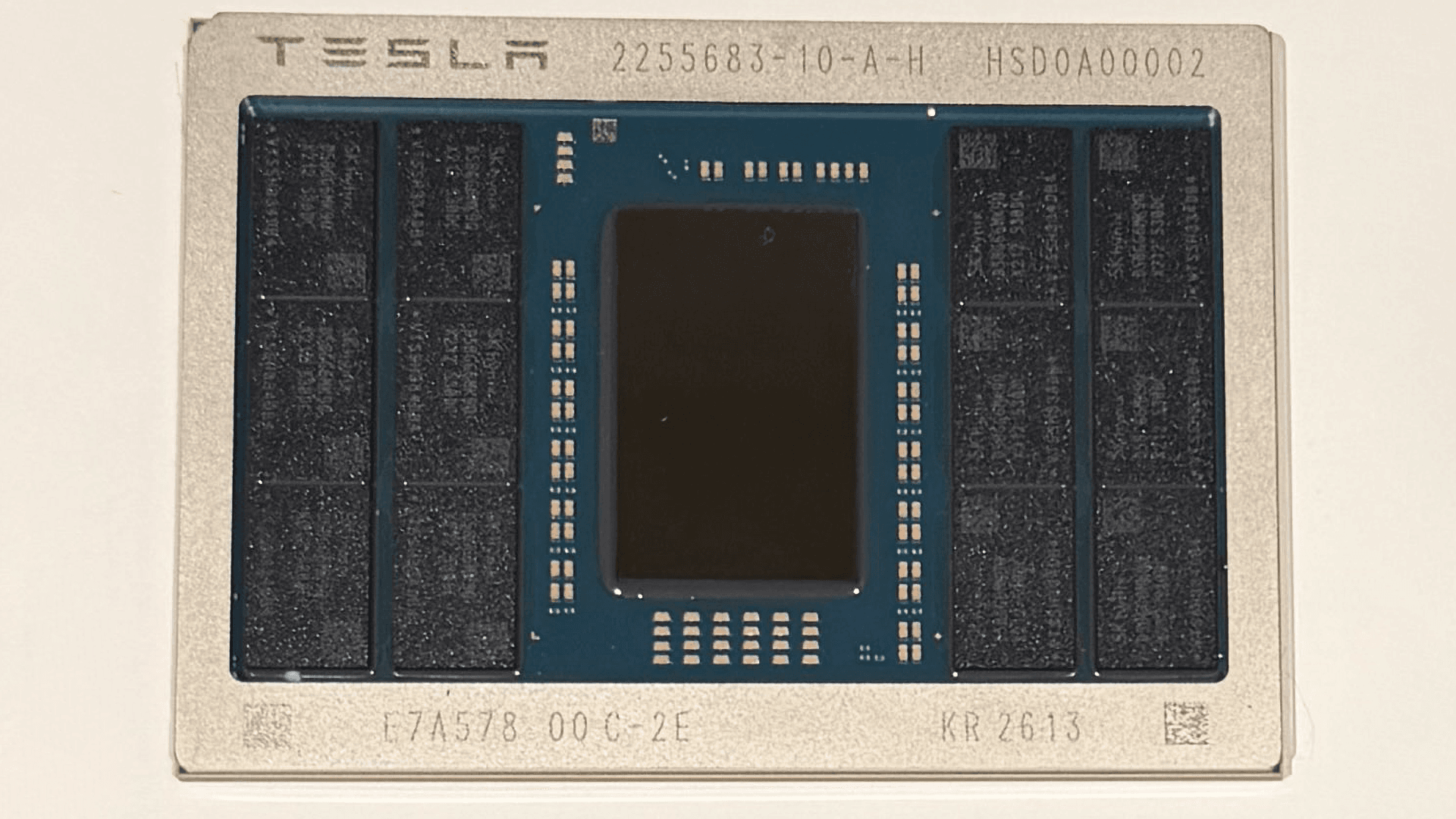
To reduce reliance on external suppliers, SpaceX is working with Tesla and xAI on TeraFab. The project aims to build a dedicated semiconductor production facility on a SpaceX campus in Texas, using Intel's 14A process technology.
The idea is simple: if you can't buy enough chips, make your own. The execution is anything but simple.
The S-1 filing explicitly warns that TeraFab may not succeed. Neither Tesla nor Intel has any contractual obligation to stick with the project long-term. Both partners could walk away.
Elon Musk has said he intends to invest tens of billions in TeraFab. But intentions aren't contracts. The filing makes clear that the project's success depends on factors SpaceX doesn't fully control.
The global chip industry's labor and supply chain pressures directly affect SpaceX's procurement challenges
The numbers behind the gamble
SpaceX reported $12.7 billion in AI capital expenditures in 2025. The company holds $29 billion in total debt as it prepares for its IPO. These are substantial figures, but building a semiconductor fab costs more.
For context, ASML shipped just 179 lithography scanners in 2025. These machines are the bottleneck for any new fab. TeraFab would need a significant allocation of these scarce tools to reach meaningful production.
What the SEC filing really tells us
IPO risk factors are designed to be comprehensive. Companies list everything from supplier concentration to acts of God. The SEC requires it. So these disclosures don't mean SpaceX thinks TeraFab will fail. They mean SpaceX is telling investors it might.
That's an important distinction. The company is hedging, not panicking. But the specificity of the chip supply warnings stands out. SpaceX didn't bury this in boilerplate. It spelled out exactly what's missing: significantly more AI chips than are currently available.
For a company betting its future on orbital AI infrastructure, that's a material constraint.
What happens if TeraFab stalls
If TeraFab doesn't deliver, SpaceX stays in the GPU market like everyone else. It competes with hyperscalers, AI startups, and sovereign wealth funds all bidding for the same limited supply.
That's not a death sentence. SpaceX's core launch business doesn't depend on orbital AI. But the company's growth story does. The IPO valuation reflects expectations of a vertically integrated space-AI giant, not just a rocket company.
Investors will be watching whether SpaceX can close the chip gap. The company just told them it hasn't done so yet.
Logicity's Take
Frequently Asked Questions
Why does SpaceX need so many AI chips?
SpaceX plans to deploy space-based data centers for orbital AI processing by 2028. This requires massive compute power, which means large quantities of GPUs and specialized AI accelerators.
What is TeraFab?
TeraFab is a proposed semiconductor production facility that SpaceX, Tesla, and xAI plan to build in Texas. It would use Intel's 14A process technology to make chips exclusively for these three companies.
Does SpaceX have long-term chip supply contracts?
No. According to the S-1 filing, SpaceX procures all GPUs on a purchase-order basis with no long-term or material contractual arrangements with direct chip suppliers.
Could TeraFab fail?
Yes. The IPO filing explicitly states that TeraFab may not be successful. Tesla and Intel have no obligation to remain partners long-term.
When is the SpaceX IPO expected?
SpaceX has filed its Form S-1 with the SEC, indicating an IPO is imminent. The exact timing depends on SEC review and market conditions.
Need Help Implementing This?
Source: Latest from Tom's Hardware
Huma Shazia
Senior AI & Tech Writer
Produced with AI assistance and reviewed by the Logicity editorial team. Learn more in our Editorial Policy.