Key Takeaways
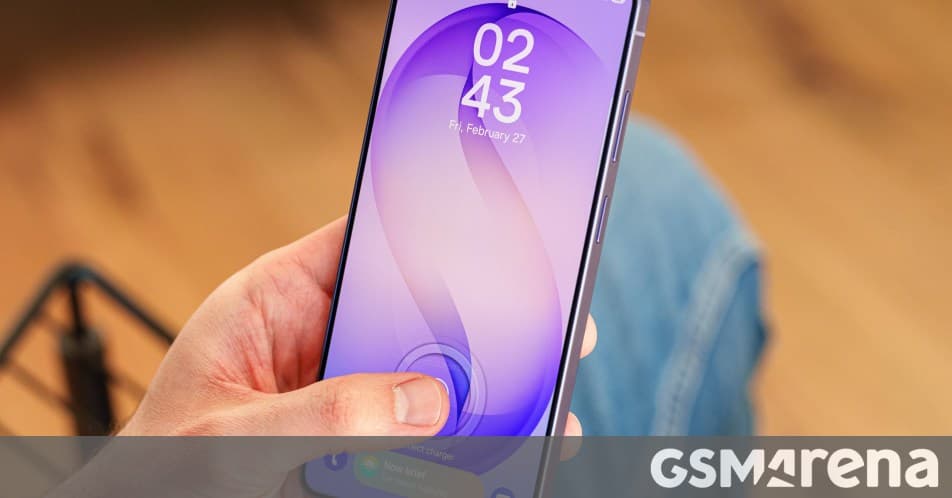
- Samsung Galaxy S and Z Fold/Flip7 phones will cost €100 more in Europe starting June 2025
- DDR4 RAM costs have increased 10x over the past 12 months, forcing manufacturers to pass costs to consumers
- Other smartphone makers are expected to follow Samsung's lead as memory shortages persist
The Buffer Is Gone
For years, Samsung and Apple absorbed rising component costs. They optimized manufacturing. They trimmed overhead. They kept flagship prices stable even as chip costs crept upward.
That era is ending.
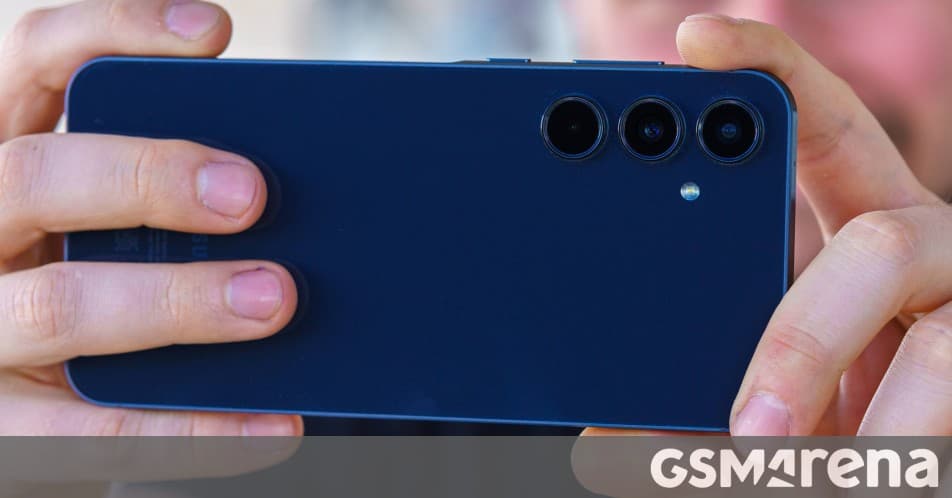
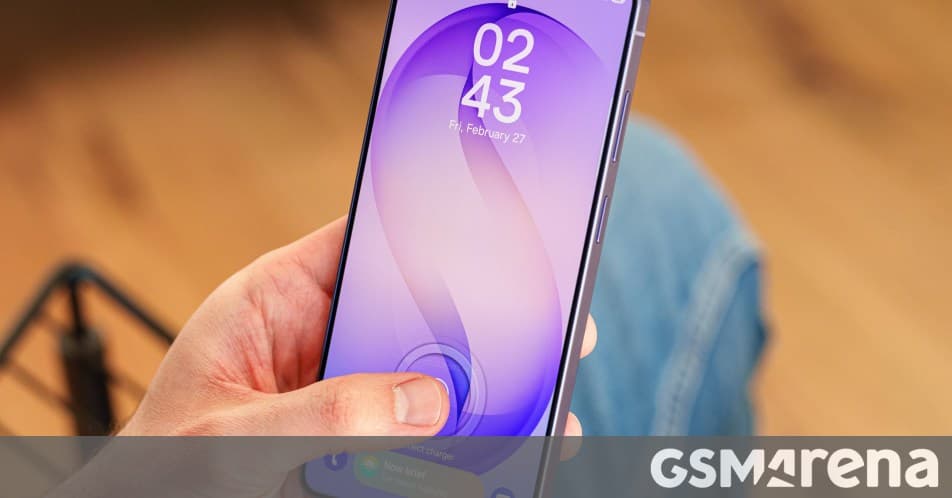
According to a report from Greece, Samsung will raise prices on select phones in Europe starting in June. The Galaxy S series, Galaxy Z Fold7, and Galaxy Z Flip7 will each see price tags jump by around €100. The company has not confirmed whether the increase affects only base models or extends to higher storage variants, though a broader adjustment seems likely.
What's Driving the Increase
Memory costs have spiked dramatically. DDR4 RAM prices have increased 10x over the past 12 months. NAND flash storage is up 5x in the same period. These are not small fluctuations that a supply chain team can negotiate away.
The culprit is demand competition. AI server hardware now consumes enormous quantities of high-performance memory. Data centers building out infrastructure for large language models and inference workloads are bidding up prices for the same chips that go into smartphones. Smartphone makers find themselves outbid.
Analysts have warned about price increases in the second half of 2025 due to memory shortages. Samsung appears to be the first major manufacturer to act publicly, but others will follow.
Samsung Won't Be Alone
The pressure is industry-wide. Every smartphone maker buys from the same limited pool of memory suppliers. Samsung, SK Hynix, and Micron dominate global production. When their output gets allocated to higher-margin AI customers, consumer electronics companies pay the premium or accept lower specs.
Apple, Xiaomi, Google, and OnePlus face identical supply constraints. If Samsung raises prices and competitors do not, Samsung loses market share. If competitors follow, the entire flagship tier shifts upward. Analysts expect the latter.
Consumer Response: Hold, Don't Upgrade
Online communities are already reacting. Discussions on r/Android and r/Samsung show frustration mixed with resignation. Many users say they understand the economics but plan to hold onto current devices an extra year or two rather than pay premium prices for incremental upgrades.
This creates a secondary problem for Samsung. Longer upgrade cycles mean fewer unit sales. The company must balance higher per-unit margins against potentially lower volume. At some point, price increases become self-defeating.
Hacker News discussions have focused on whether this is a temporary dip or a permanent shift. If AI demand for memory continues growing, as most projections suggest, competition for silicon capacity will only intensify. The smartphone price ceiling may keep rising.
What Happens Next
The June price increase applies to Europe. Samsung has not announced similar moves for North America, Asia, or other markets. Regional pricing often differs based on currency fluctuations, local competition, and tax structures. But the underlying cost pressure is global.
Watch for announcements from other manufacturers in coming weeks. If Apple adjusts iPhone pricing for the fall lineup, or if Google's Pixel 10 launches at a premium over the Pixel 9, Samsung's move will have established a new industry norm.
Logicity's Take
More on Samsung's display technology partnerships
Related coverage on semiconductor industry shifts
Frequently Asked Questions
When will Samsung raise Galaxy phone prices?
Samsung plans to increase prices in Europe starting June 2025. The increase of approximately €100 will affect the Galaxy S series, Z Fold7, and Z Flip7.
Why are smartphone prices increasing in 2025?
Memory chip costs have spiked dramatically, with DDR4 RAM up 10x and NAND flash up 5x over the past 12 months. AI server demand is competing for the same chips, driving prices higher.
Will other phone manufacturers also raise prices?
Analysts expect other manufacturers to follow. All smartphone makers face the same memory supply constraints and cost increases from the same pool of suppliers.
Is the Samsung price increase global or just Europe?
The announced increase applies to Europe. Samsung has not confirmed similar changes for North America, Asia, or other regions, though the underlying cost pressure affects all markets.
Which Samsung phones are affected by the price increase?
The Galaxy S series, Galaxy Z Fold7, and Galaxy Z Flip7 will see €100 increases. It's unclear whether only base models or all storage tiers are affected.
Need Help Implementing This?
Source: GSMArena.com / Ro
Huma Shazia
Senior AI & Tech Writer
Produced with AI assistance and reviewed by the Logicity editorial team. Learn more in our Editorial Policy.