Key Takeaways
- Samsung's HIAA tech creates display holes 20x larger than smartphone camera cutouts for physical gauge needles
- The Luce uses four different OLED panel sizes (12.9", 12", 10.1", 6.3") across three display zones
- Stacked OLED panels in the instrument cluster create a 3D effect instead of flat glass screens
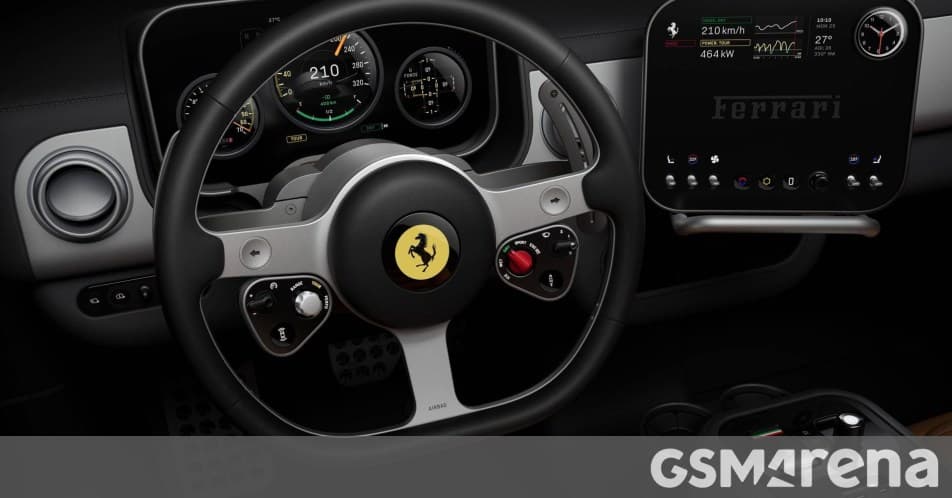
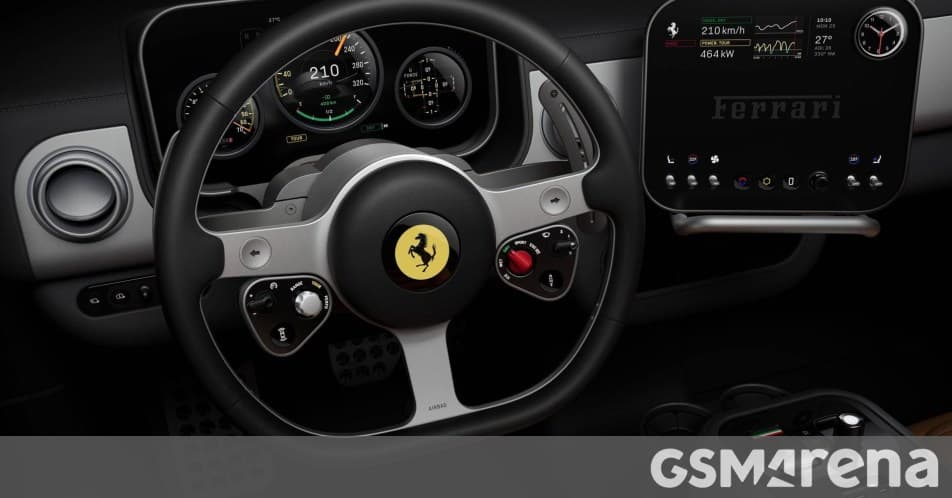
The Ferrari Luce, designed by Jony Ive's LoveFrom studio, will feature one of the strangest display setups ever put in a car. Samsung Display is supplying OLED panels with holes punched through them, large enough for physical gauge needles to pass through and move freely.
This isn't a gimmick. The technology, called HIAA (Hole In Active Area), lets Ferrari combine mechanical instruments with digital displays. The result: gauge needles that physically rotate over animated backgrounds, creating depth that flat screens can't replicate.
How the Display System Works
Samsung will supply four panel sizes for the Luce: 12.9", 12", 10.1", and 6.3". Each serves a different purpose in what Ferrari calls three "digital display zones."
The instrument cluster in front of the driver uses two stacked OLED panels. A 12" panel sits on the bottom, displaying background elements like gauge indexes. A 12.9" panel sits on top with three circular cutouts. Physical needles poke through these holes and move over the digital background.
This stacked approach creates a layered, three-dimensional look. Most car displays today are flat glass rectangles. The Luce's binnacle will have actual depth, with mechanical parts moving in front of digital ones.
“We wanted to create a dialogue between the tactile, mechanical history of Ferrari and the future of digital interaction. The display is not just an interface; it's a window that breathes with the car.”
— Sir Jony Ive, Founder of LoveFrom
The Central Console and Rear Screens
The central control panel uses a 10.1" OLED with three more physical hands poking through. Think of it like an analog clock face, but the background changes based on what you need: a traditional clock, a stopwatch, a compass, or other functions.
Rear passengers get 6.3" panels for climate control and driving data. These are more conventional, without the HIAA cutouts, but they maintain the same visual language as the front displays.
Why This Is Hard to Build
Samsung has punched holes in smartphone displays for years. Every phone with a "hole-punch" selfie camera uses a version of this tech. But those holes are tiny, around 5mm in diameter.
The Luce's holes are 20 times larger. That creates serious engineering problems. OLED panels are thin and flexible, but cutting large circles through them while maintaining structural integrity and visual quality requires different manufacturing processes.
Cars also vibrate constantly. The displays need to work while physical needles rotate through them at high speeds, over rough roads, through temperature extremes. This isn't a phone sitting in your pocket.
The Jony Ive Connection
Ive left Apple in 2019 and founded LoveFrom. The design studio has worked on various projects, but the Luce is its most visible. Ive designed the car inside and out, and his fingerprints are obvious: minimalism, integrated hardware and software, unusual materials meeting digital interfaces.
The display approach echoes Apple's design philosophy. Instead of replacing analog instruments with screens (like Tesla did), or keeping analog and digital separate (like most luxury cars), Ive merged them. The result looks neither purely traditional nor purely digital.
"Samsung Display was able to fully support the Ferrari Luce's design philosophy of seamless software and hardware integration," said Ernesto Lasalandra, Ferrari's Chief Research & Development Officer. "The all-new display system implemented in the Ferrari Luce delivers an unprecedented cockpit experience, where Ferrari's heritage and future-oriented technology coexist in harmony."
Price and Market Reaction
The Luce costs €550,000. For that money, you get Ferrari's first fully electric vehicle with 1,035 bhp from a quad-motor system. The polarizing design triggered a 6% drop in Ferrari's stock price after the reveal on May 26, 2026.
Online reactions have split along predictable lines. Car enthusiasts on Reddit's r/cars forum have complained about the "Apple Store on wheels" aesthetic, arguing Ferrari abandoned its aggressive styling. HackerNews users focused on the engineering, discussing how Samsung achieved stable large cutouts in panels mounted in a vibrating vehicle.
Logicity's Take
More on Samsung's internal dynamics and component business
Frequently Asked Questions
What is Samsung HIAA technology?
HIAA stands for Hole In Active Area. It's Samsung's tech for punching functional holes through OLED display panels. Smartphones use it for camera cutouts around 5mm. The Ferrari Luce uses holes up to 100mm for physical gauge needles.
How much does the Ferrari Luce cost?
The Ferrari Luce starts at €550,000. It's Ferrari's first fully electric vehicle, producing 1,035 bhp from four electric motors.
Who designed the Ferrari Luce?
Sir Jony Ive, the former Apple design chief, designed the Luce through his studio LoveFrom. He handled both exterior and interior design.
What display sizes does the Ferrari Luce use?
Samsung supplies four OLED panel sizes: 12.9" and 12" for the stacked instrument cluster, 10.1" for the central console, and 6.3" for rear passenger controls.
Why does the Luce use physical needles with digital displays?
The stacked panels with physical needles create a 3D effect that flat screens can't achieve. It's meant to blend Ferrari's mechanical heritage with modern digital interfaces.
Need Help Implementing This?
Source: GSMArena.com / Peter
Huma Shazia
Senior AI & Tech Writer
Produced with AI assistance and reviewed by the Logicity editorial team. Learn more in our Editorial Policy.