Key Takeaways
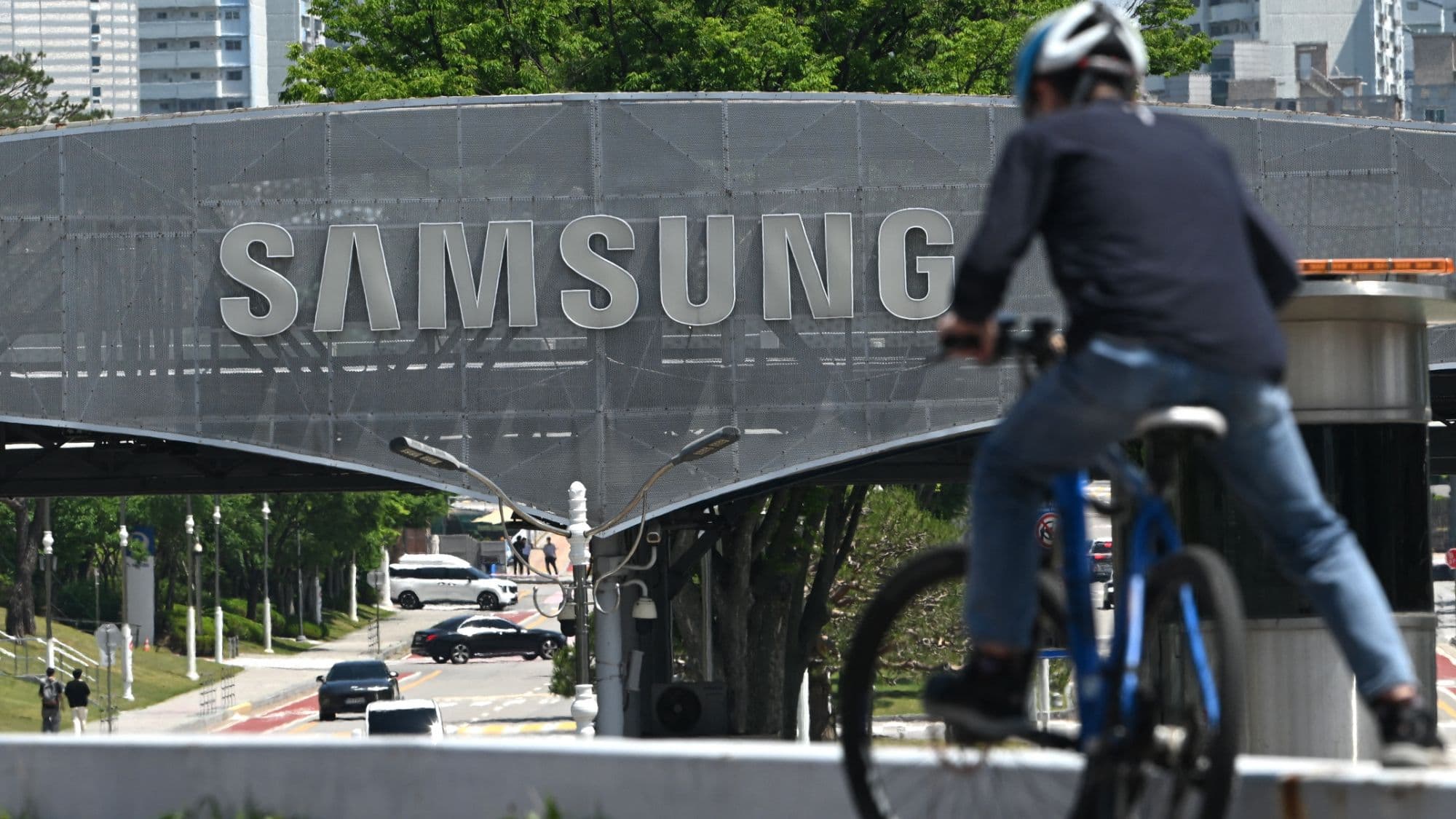
- Samsung memory chip workers will receive approximately $400,000 in annual bonuses, while smartphone and appliance employees get around $4,000
- The Suwon District Court rejected an injunction from non-chip workers, allowing the union vote to proceed
- The 10-year deal allocates 12% of semiconductor division profits as bonuses, contingent on aggressive profit targets
Court Clears Path for Controversial Payout
A South Korean court on Tuesday dismissed an attempt by Samsung Electronics' consumer electronics workers to block ratification of a bonus deal that will pay memory chip employees roughly $400,000 each this year. Their colleagues in smartphones and home appliances will receive closer to $4,000.
The Suwon District Court rejected an injunction filed by five employees from Samsung's Device eXperience (DX) division. They argued the division was unfairly excluded from the vote. By Tuesday morning, over 90% of eligible members of the Samsung Electronics Labor Union (SELU) had already cast ballots. The vote closes Wednesday.
Approval is widely expected. An estimated 80% to 90% of SELU's 57,290 voting members work in Samsung's semiconductor division, the primary beneficiary of the deal.
How the Deal Works
The government-mediated agreement was struck last week to avert an 18-day general strike by 48,000 workers. It allocates 10.5% of Samsung's semiconductor division operating profit as stock-based bonuses, plus an additional 1.5% in cash. That's 12% of pretax operating profit flowing directly to workers.
The program runs for 10 years with aggressive strings attached. The semiconductor division must hit annual operating profit targets of 200 trillion won ($132 billion) from 2026 to 2028, dropping to 100 trillion won from 2029 to 2035.
Based on Bloomberg's projections of Samsung's 2026 operating profit at approximately 330 trillion won ($218 billion), the total bonus pool for the company's 78,000 semiconductor employees would reach roughly 40 trillion won ($26.6 billion).
Memory Workers Win, Foundry Workers Lose
Individual payouts vary sharply even within the chip division. Memory division workers stand to receive around 600 million won ($400,000). Those in Samsung's struggling foundry and logic chip design operations would get substantially less, though still significant sums compared to other divisions.
DX division employees would receive approximately 6 million won ($4,000) under the existing bonus structure. The new deal doesn't change their situation at all. They're watching from the sidelines as their semiconductor colleagues prepare to collect windfalls driven by AI chip demand.
Opposition Extends Beyond the Lawsuit
The court ruling removed the most immediate legal obstacle. But opposition to the deal extends well beyond the five employees who filed suit.
The National Samsung Electronics Union (NSEU), which has roughly 20,000 members across both chip and non-chip divisions, said it's voting against the deal. NSEU official Lee Ho-seok told Reuters that some foundry workers within Samsung's chip division are also frustrated with the terms.
A group of individual shareholders has separately threatened to sue. They argue the profit-linked bonus scheme amounts to a distribution of company funds that requires a shareholder vote under South Korean commercial law.
The AI Boom's Uneven Rewards
The bonus gap reflects broader market realities. Samsung's high-bandwidth memory (HBM) chips, critical for AI training and inference, are in high demand. The memory division is posting record profits. Meanwhile, the smartphone and appliance businesses face intense competition and thinner margins.
Online discussions on Reddit and Hacker News highlight concerns over the sustainability of such internal divisions. Some users debate whether 'one company, one culture' is dead at Samsung. Others argue that performance-linked pay is necessary to retain critical talent in the competitive AI chip market.
Samsung isn't alone in facing labor tensions over AI-driven profit disparities. The situation echoes broader industry patterns where the AI boom concentrates rewards in specific technical roles while leaving other employees feeling undervalued.
Similar labor tensions at another major chip manufacturer
What Happens Next
The union vote closes Wednesday. Given the voting membership demographics, ratification appears certain. But implementation will test Samsung's internal cohesion.
The shareholder lawsuit threat adds legal uncertainty. If courts determine that the bonus scheme requires shareholder approval, Samsung may need to renegotiate or restructure the deal.
For the DX division workers who filed suit, the court rejection ends their immediate legal options. They'll watch as their semiconductor colleagues collect bonuses worth a decade of their own compensation, all while wearing the same Samsung badge.
Logicity's Take
Frequently Asked Questions
Why is there such a large bonus gap between Samsung divisions?
Samsung's semiconductor division, particularly memory chips for AI, is posting record profits while the smartphone and appliance divisions face intense competition. The new bonus deal ties payouts to division-level profits, creating a 100-to-1 disparity.
How long does Samsung's new bonus deal last?
The profit-sharing agreement runs for 10 years, from 2026 to 2035. Payouts are contingent on the semiconductor division hitting aggressive annual operating profit targets.
Can Samsung shareholders block the bonus deal?
A group of shareholders has threatened to sue, arguing the profit-linked bonuses require a shareholder vote under South Korean commercial law. The legal challenge could force Samsung to restructure the deal.
How many Samsung workers will receive the $400,000 bonuses?
Samsung has 78,000 semiconductor employees, but only memory division workers are expected to receive the full $400,000. Foundry and logic chip workers will get substantially less.
What triggered Samsung's bonus deal negotiations?
The government-mediated agreement was struck to avert an 18-day general strike threatened by 48,000 workers in the Samsung Electronics Labor Union.
Need Help Implementing This?
Source: Latest from Tom's Hardware
Manaal Khan
Tech & Innovation Writer
Produced with AI assistance and reviewed by the Logicity editorial team. Learn more in our Editorial Policy.