Key Takeaways
- Samsung's memory division workers were offered 607% bonuses while foundry and logic chip staff were offered between 50% and 100%
- The union says roughly 200 Samsung employees moved to SK hynix in a four-month period
- Samsung's largest-ever strike is scheduled to begin Thursday, with the chairman cutting short an overseas trip to address the dispute
Samsung's internal wage negotiations have exposed a stark divide. Memory chip workers got offered bonuses worth 607% of their annual salary. Foundry and logic chip staff? Between 50% and 100%.
Internal meeting transcripts obtained by Reuters show just how wide the gap has become. For top memory engineers, the 607% figure translates to roughly 500 million Korean won, or about $477,000. Their colleagues in the loss-making foundry division could take home less than a sixth of that.
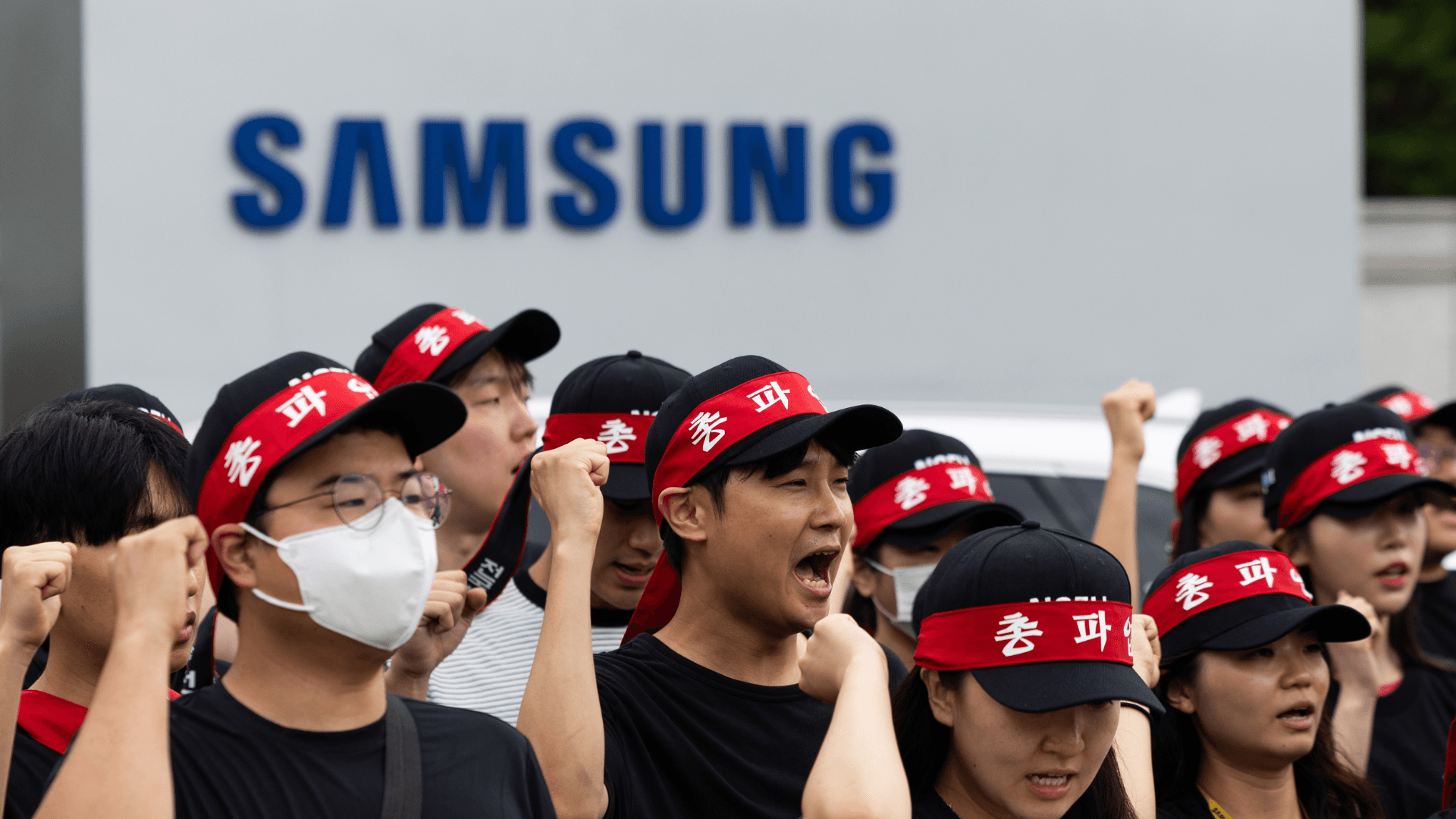
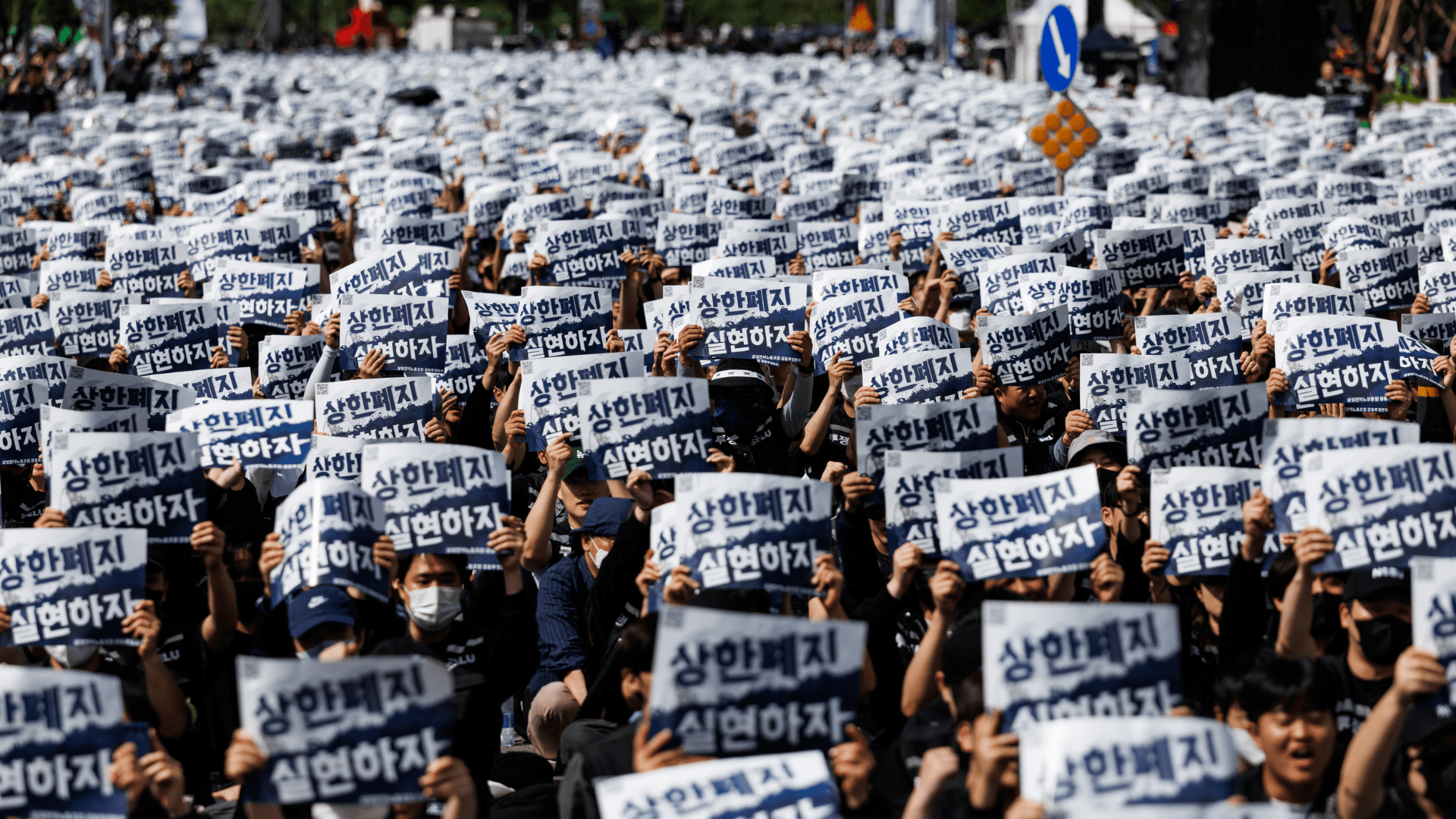
The documents are part of hundreds of pages of meeting minutes that reveal the internal fractures pushing Samsung toward what would be the largest strike in its history. That walkout is scheduled to begin Thursday.
One Company, Two Financial Realities
Samsung's Device Solutions division houses three businesses under one roof: memory, System LSI, and foundry. The first is printing money thanks to AI-driven demand for high-bandwidth memory (HBM). The other two have posted combined operating losses running into the trillions of Korean won.
Samsung's negotiators argued in the transcripts that the bonus disparity simply reflects this financial reality. Kim Hyung-ro, a vice president and management negotiator, told the union that the logic chip divisions would have collapsed without memory's profits.
“So how can you justify giving performance bonuses?”
— Kim Hyung-ro, Samsung Vice President and Chief Negotiator, in leaked meeting transcripts
The union rejects this reasoning entirely. Chairman Choi Seung-ho countered that a memory worker receiving 500 million won while a foundry colleague takes home 80 million won creates a retention crisis Samsung cannot afford.
The Talent Exodus Is Already Happening
Samsung is not just facing a potential strike. It's already losing people. Reuters spoke with workers who described shrinking teams in Samsung's foundry operations at Pyeongtaek. Engineers are departing for both SK hynix and Micron.
Union chairman Choi highlighted last month that roughly 200 Samsung employees moved to SK hynix over a four-month period alone. That is not a trickle. That is a sustained drain of institutional knowledge and talent.
SK hynix set a new market benchmark last September. The company agreed to allocate 10% of annual operating profit directly to employees for the next decade and removed caps on performance payouts. Based on 2026 profit forecasts, that deal could mean average per-worker bonuses approaching $477,000 this year. Projections nearly double that for 2027.
Samsung's union is now demanding a similar structure.
Management Shakeup and Chairman's Apology
The leaked transcripts have already forced changes. Samsung replaced Kim Hyung-ro as its chief bargaining representative, reportedly at the union's insistence.
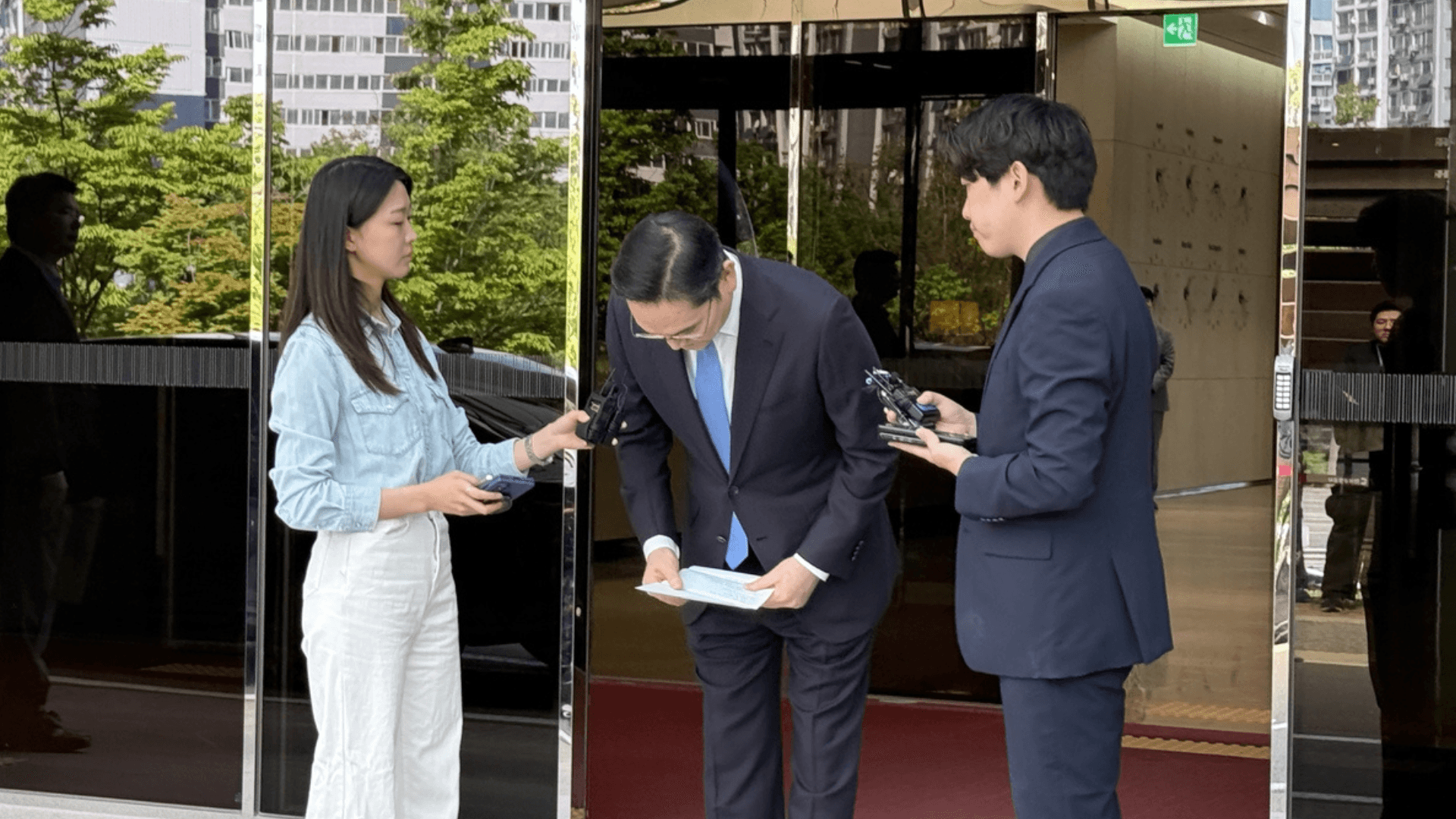
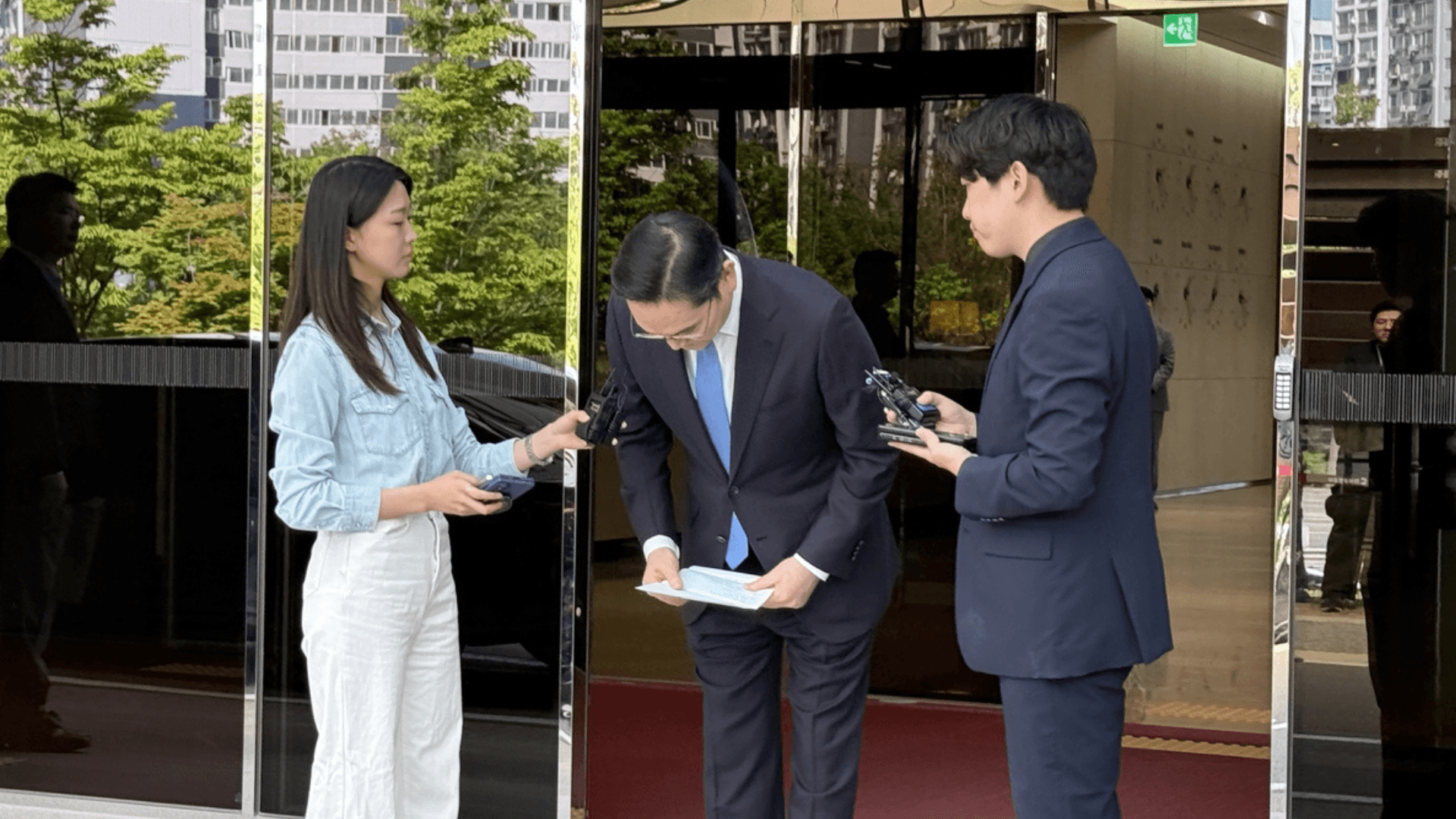
More significantly, Chairman Jay Y. Lee issued a rare public apology on Saturday. He cut short an overseas trip to address the dispute in person. For a company known for its hierarchical culture and tight-lipped leadership, this is an unusual step.
Whether these gestures will be enough to prevent the strike remains unclear. The National Samsung Electronics Union has registered 45,000 workers for the walkout. Analysts at JPMorgan estimated an 18-day general strike could cost Samsung up to $20.7 billion in potential operating profit.
The AI Boom's Uneven Rewards
The root cause of this dispute is the AI boom itself. Demand for high-bandwidth memory has skyrocketed as data centers expand to power large language models and other AI workloads. Samsung's memory unit is reaping the benefits. Its foundry and logic chip units are not.
This creates a painful question for Samsung leadership: how do you keep foundry engineers motivated when their colleagues in another building are making five times more? The answer, according to the union, is that you cannot. Not at current bonus levels.


Logicity's Take
Another major tech company facing regulatory and labor pressures in Asia
Frequently Asked Questions
Why are Samsung memory workers getting such large bonuses?
Samsung's memory chip division is highly profitable due to surging demand for AI-related chips like HBM. Bonuses are tied to division performance, and memory is generating enormous profits while foundry operations post losses.
When does the Samsung strike start?
The strike is scheduled to begin Thursday. It would be the largest in Samsung's history, with 45,000 union workers registered to participate.
How much could the Samsung strike cost the company?
JPMorgan analysts estimated an 18-day general strike could cost Samsung up to $20.7 billion in potential operating profit.
Why is SK hynix attracting Samsung engineers?
SK hynix removed caps on performance payouts and committed to sharing 10% of annual operating profit with employees for a decade. This could mean average bonuses of $477,000 per worker in 2026.
Need Help Implementing This?
Source: Latest from Tom's Hardware
Huma Shazia
Senior AI & Tech Writer
Produced with AI assistance and reviewed by the Logicity editorial team. Learn more in our Editorial Policy.