Key Takeaways
- Samsung is considering BOE as a secondary display supplier for the Galaxy S27 alongside Samsung Display
- Chinese panel makers like BOE and CSOT offer lower prices than Samsung Display, which could help offset rising memory costs
- Internal Samsung politics may complicate the decision, as using BOE could weaken Samsung Display's negotiating position with Apple
BOE Wants In on Samsung's Flagship Supply Chain
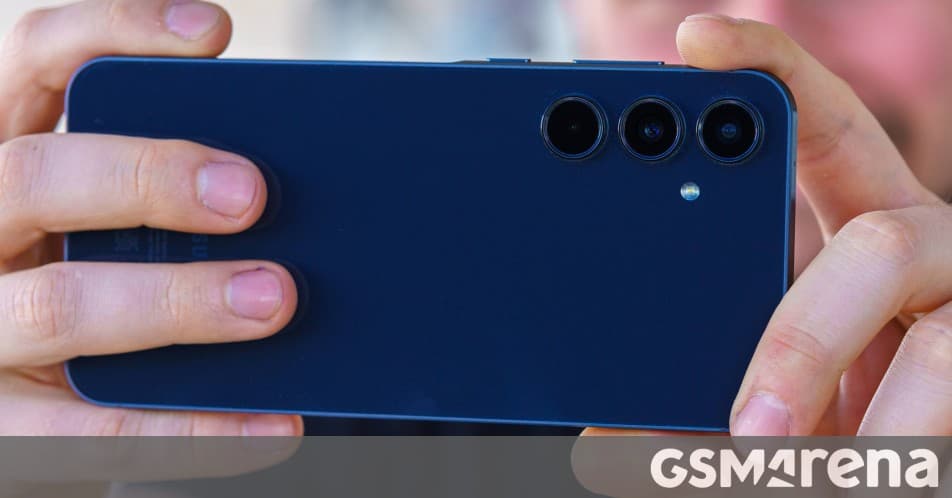
Chinese display panel maker BOE is pushing to supply screens for Samsung's Galaxy S27, according to a new report from Korean media. The company has reportedly taken note of TCL-owned CSOT securing a contract with Samsung for the mid-range Galaxy A57 and wants a piece of the action on Samsung's flagship line.
Samsung Display remains the primary supplier for the Galaxy A57, with CSOT serving as the secondary supplier by volume. BOE is now angling to replicate that arrangement on the premium S27, positioning itself as a backup to Samsung Display.
No final decision has been made. Samsung is still weighing its options, and several factors could influence the outcome.
Why Samsung Electronics Might Say Yes
The math is straightforward. Chinese display panel makers charge less than Samsung Display. Memory prices have climbed in recent months. Savings on screens could offset higher memory costs, keeping the Galaxy S27's bill of materials in check.
Samsung Electronics has already shown a willingness to diversify its supply chain. The CSOT deal for the Galaxy A57 proves the company will work with Chinese panel makers when the economics make sense. Extending that approach to the S27 would be a logical next step.
Why Samsung Might Hesitate
Here's where it gets complicated. Samsung is not a single company with a single set of priorities. Samsung Electronics makes phones. Samsung Display makes screens. Both sit under the Samsung Group umbrella, but their incentives don't always align.
The Korean report suggests that Samsung Group leadership may resist bringing BOE into the S27 supply chain. The concern: using BOE for a high-end Samsung phone could weaken Samsung Display's bargaining power with Apple.
Samsung Display is a major OLED supplier to Apple for iPhones. If Samsung's own phone division starts relying on cheaper Chinese alternatives, it sends a signal to Apple that Samsung Display's pricing isn't competitive. Apple could use that as negotiating leverage.
The Bigger Picture: Chinese Panels Keep Gaining Ground
BOE's interest in the Galaxy S27 reflects a broader trend. Chinese display makers have steadily improved quality while maintaining price advantages. CSOT's 5,131ppi XR display announcement earlier this year showed that Chinese manufacturers can compete on technical specs, not just cost.
More on Chinese display makers pushing into premium segments
For Samsung Electronics, the calculation is simple: why pay more for screens if Chinese suppliers can match quality? For Samsung Display, the answer is equally simple: losing flagship Samsung phones as a customer would hurt both revenue and prestige.
What Happens Next
Samsung hasn't confirmed anything. The Galaxy S27 is likely a year or more away from launch, giving the company time to finalize supplier agreements. The decision will depend on internal negotiations between Samsung's phone and display divisions, along with external factors like memory pricing trends and competitive pressure from Apple and other Android makers.
If BOE does land a Galaxy S27 contract, it would mark a significant milestone for Chinese panel makers in the premium smartphone segment. If Samsung decides to stick with Samsung Display exclusively, it suggests internal politics won over cost savings.
Logicity's Take
Frequently Asked Questions
Will BOE supply displays for the Samsung Galaxy S27?
No decision has been made yet. Samsung is reportedly considering BOE as a secondary supplier alongside Samsung Display, but internal factors may complicate the deal.
Why would Samsung use Chinese display makers instead of Samsung Display?
Cost savings. Chinese panel makers like BOE and CSOT offer lower prices than Samsung Display, which could help Samsung Electronics offset rising memory costs.
What could stop Samsung from using BOE displays?
Internal Samsung politics. Using BOE could weaken Samsung Display's negotiating position with Apple, which is a major customer for Samsung's OLED panels.
Does Samsung already use Chinese display suppliers?
Yes. TCL-owned CSOT is a secondary display supplier for the mid-range Galaxy A57, with Samsung Display as the primary supplier.
When will the Samsung Galaxy S27 launch?
Samsung hasn't announced the S27 yet. Based on typical release cycles, it would likely launch in early 2026.
Need Help Implementing This?
Source: GSMArena.com / Vlad
Manaal Khan
Tech & Innovation Writer
Produced with AI assistance and reviewed by the Logicity editorial team. Learn more in our Editorial Policy.