Key Takeaways
- TCL CSOT's 0.28-inch Micro LED display hits 5,131ppi, the highest pixel density for any XR panel
- A separate 2.24-inch G-OLED panel reaches 1,700ppi with 120Hz refresh for VR headsets
- Both displays target the weight and resolution problems that have limited AR glasses and VR adoption
The Numbers Behind TCL's Display Claims
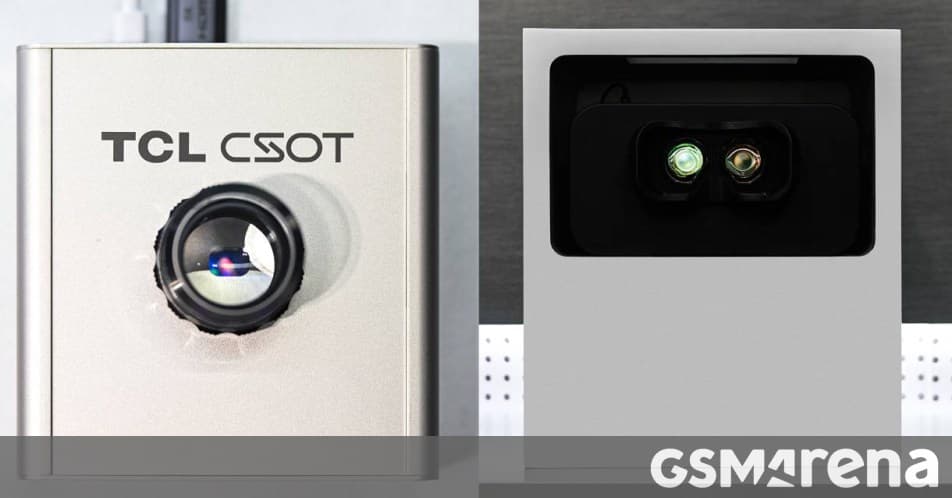
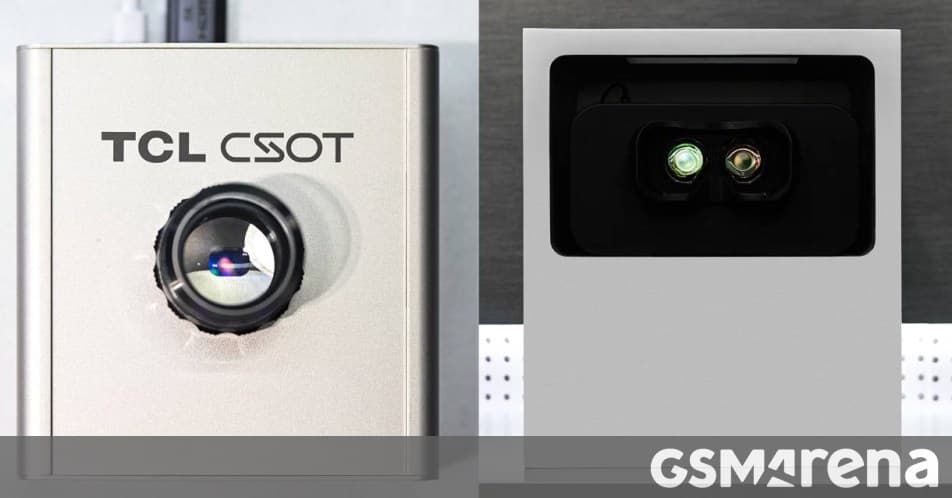
At Display Week 2025 in Los Angeles, TCL CSOT showed a pair of displays that push pixel density into new territory. The headline piece: a 0.28-inch Micro LED panel that packs 5,131 pixels per inch. That's the highest density ever shown for an XR display, according to the company.
The display measures just 0.28 inches diagonally. It runs at 1,280 x 720 resolution. That's not enough for immersive VR, but it's built for a different purpose: lightweight AR glasses that overlay information on the real world.
Why Micro LED Matters for AR Glasses
The panel is a single-chip Si-Micro LED design. All the LEDs sit on a silicon substrate, built as one piece. This matters for smart glasses because it shrinks the display module. Smaller modules mean lighter frames.
Micro LED works like OLED in one key way: each pixel makes its own light. No backlight needed. That cuts power draw and thickness. The difference is the LED material. OLED uses organic compounds. Micro LED uses inorganic LEDs, which last longer and resist burn-in.
The challenge has been shrinking those inorganic LEDs small enough for high-density displays. TCL's 5,131ppi figure suggests that problem is closer to solved.
A Separate Panel for VR Headsets
TCL CSOT also showed a larger display aimed at VR. This one measures 2.24 inches with 1,700ppi density. Resolution hits 2,600 x 2,784 pixels per eye.
The panel runs at 120Hz with what TCL calls "microsecond response times." It's built on glass substrate rather than silicon, which is why TCL labels it "G-OLED." The "Real RGB" in the name means each pixel has full red, green, and blue subpixels. That's different from the PenTile layouts common in smartphone OLEDs, where subpixels are shared across pixels.
Full RGB stripe layouts look sharper at the same resolution. For VR, where the display sits inches from your eyes, that sharpness matters.
Other Displays at the Show
TCL CSOT showed several other XR panels at Display Week:
- A 0.28-inch multi-color Si-Micro LED, billed as the highest resolution single-chip design
- A 3.59-inch panel at 1,512ppi, paired with automotive cockpit applications
- A 2.48-inch LCD at 2,200ppi, claimed as the highest density LCD for XR
The LCD option is notable. LCD panels cost less than OLED or Micro LED. A 2,200ppi LCD could bring high-resolution XR to cheaper devices.
What This Means for XR Hardware
Current AR glasses face a tradeoff. High resolution requires bigger optics and batteries, which adds weight. Heavy glasses don't get worn. TCL's tiny Micro LED panel is an attempt to break that tradeoff. Pack enough pixels into a small enough space, and you can build glasses that people will actually wear all day.
For VR, the story is different. Headsets can be bigger, but users notice screen-door effect when pixel density is too low. The 1,700ppi G-OLED targets that problem directly.
TCL CSOT is a supplier, not a consumer brand in this space. These panels would go to companies building the glasses and headsets. No pricing or production timeline was announced.
Logicity's Take
Frequently Asked Questions
What is the pixel density of TCL CSOT's new Micro LED display?
The 0.28-inch Micro LED panel has 5,131 pixels per inch, which TCL claims is the highest density for any XR display.
What is G-OLED?
G-OLED refers to OLED displays built on a glass substrate. TCL's G-OLED panel for VR measures 2.24 inches at 1,700ppi with 120Hz refresh.
What resolution does the Micro LED AR display have?
The display runs at 1,280 x 720 pixels. That's enough for AR information overlays but not for immersive VR.
When will these displays be available in consumer products?
TCL CSOT did not announce production timelines or pricing. These are prototype displays shown to potential hardware partners.
What is the difference between Micro LED and OLED?
Both are self-emitting displays with no backlight. OLED uses organic compounds, while Micro LED uses inorganic LEDs that last longer and resist burn-in.
Need Help Implementing This?
Source: GSMArena.com / Peter
Huma Shazia
Senior AI & Tech Writer
Produced with AI assistance and reviewed by the Logicity editorial team. Learn more in our Editorial Policy.