Key Takeaways
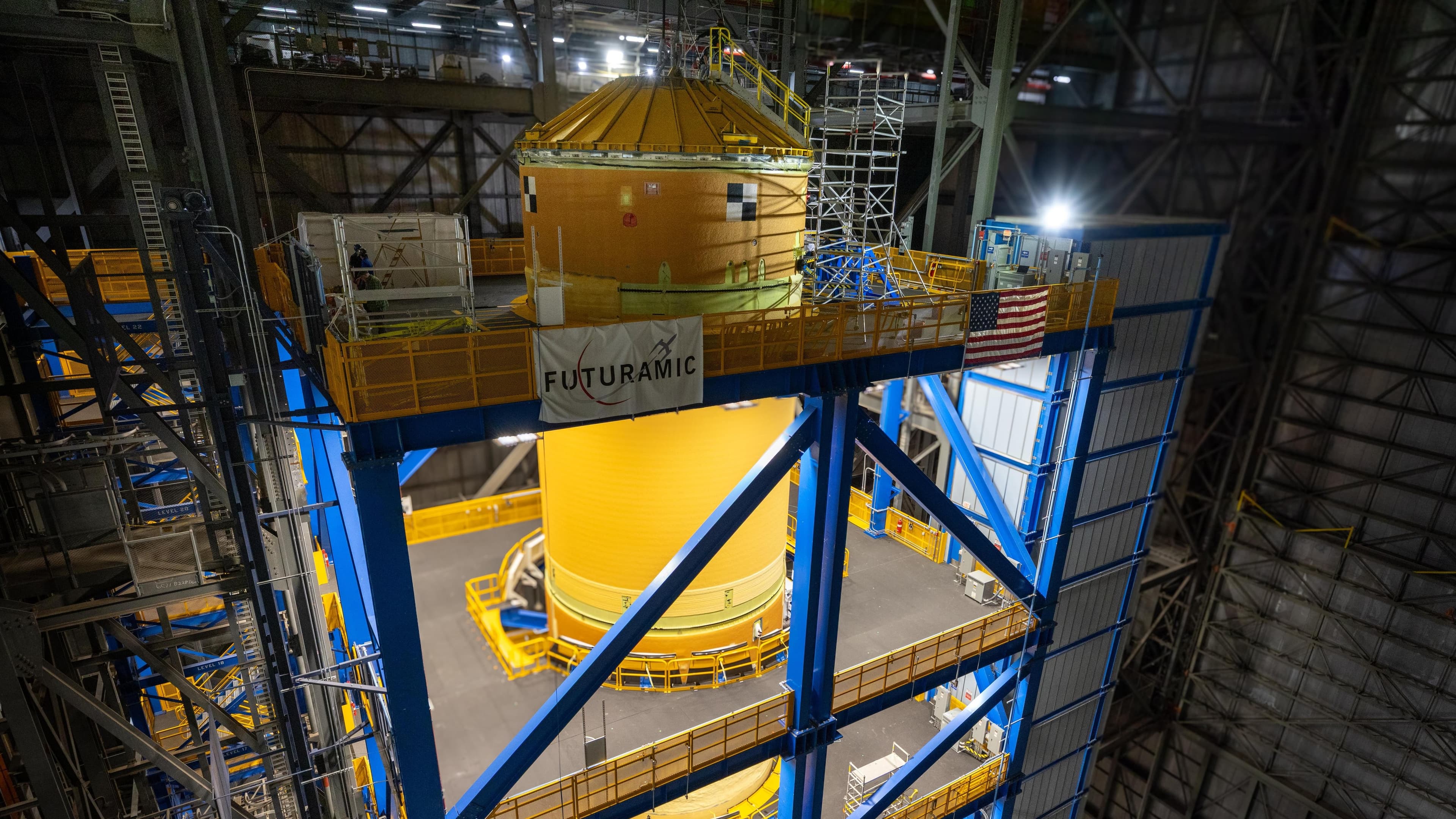
- The 212-foot Artemis 3 core stage is now vertical at Kennedy Space Center's Vehicle Assembly Building
- Launch is targeted for late 2027 to test Orion and lunar landers in Earth orbit
- NASA rescheduled the mission from a crewed landing to a test flight due to lander development delays
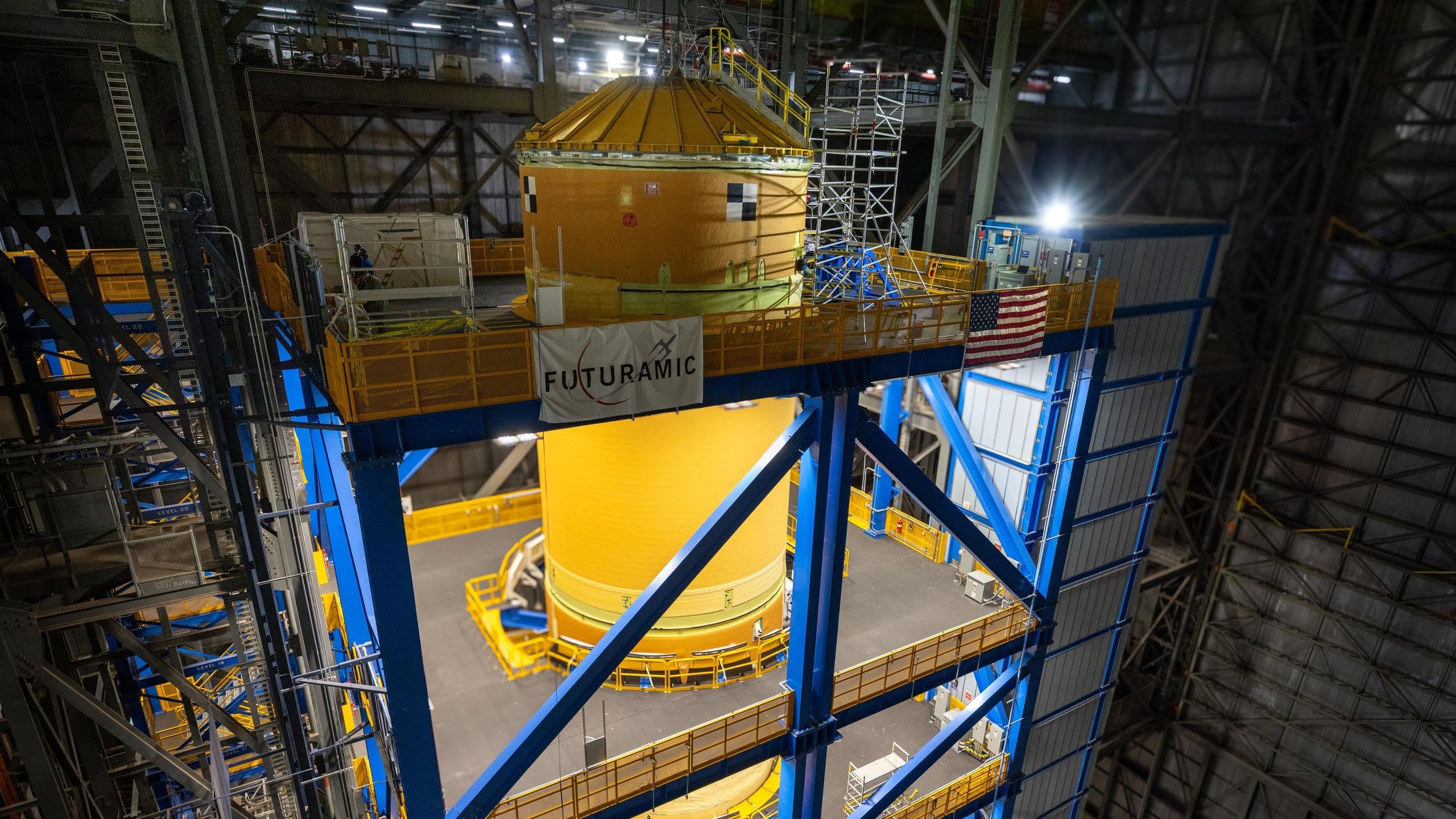
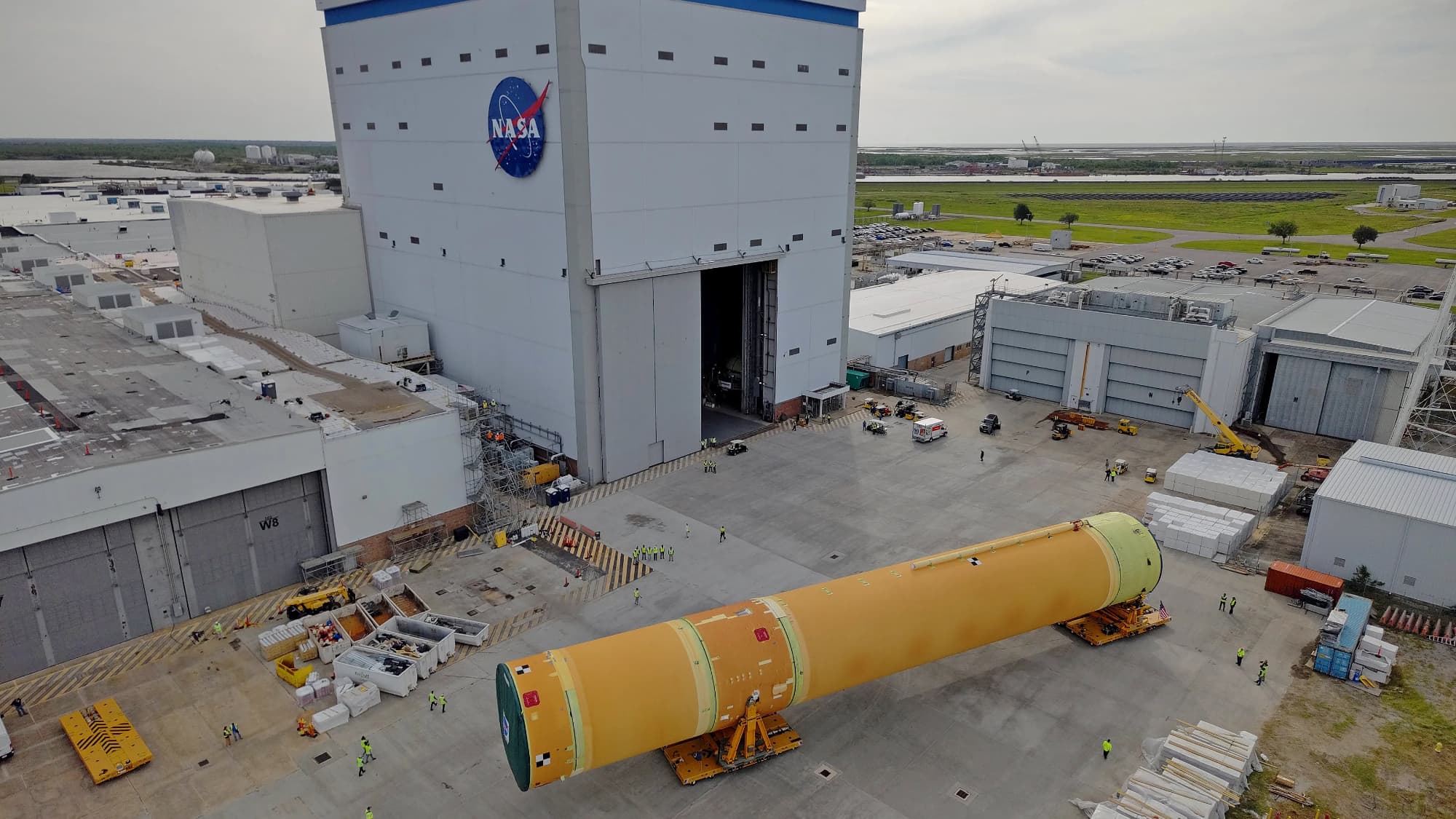
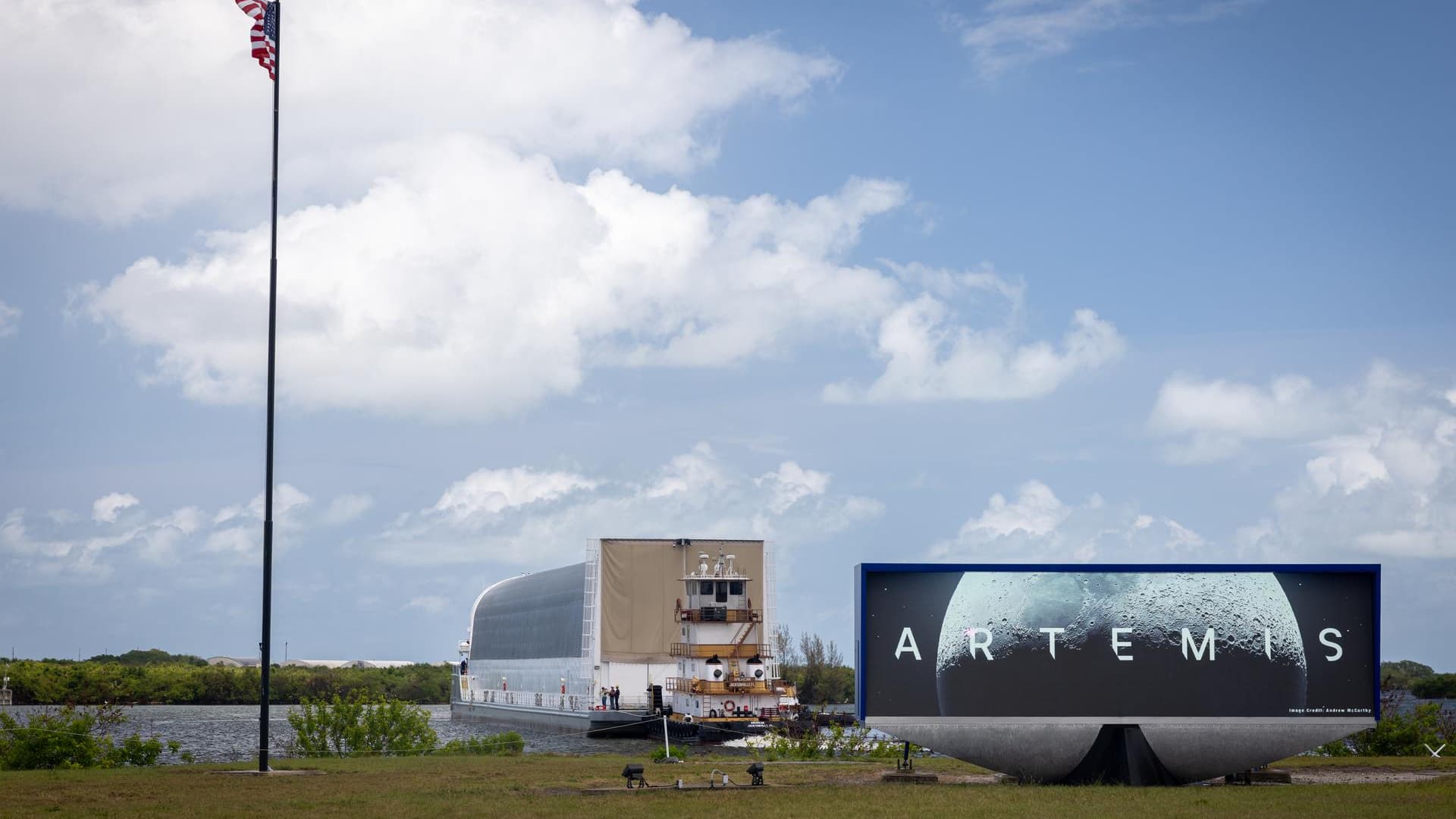
Just one month after Artemis 2 astronauts returned from their lunar flyby, NASA is already assembling the next rocket in the Artemis program. The Artemis 3 Space Launch System core stage now stands vertical inside the Vehicle Assembly Building at Kennedy Space Center in Florida.
Technicians lifted the largest section of the core stage into High Bay 2 on May 10, according to NASA's Marshall Space Flight Center. The 212-foot tall stage will next be connected to its engine section before moving to the taller High Bay 3 for final assembly.
A Rocket Built for Scale
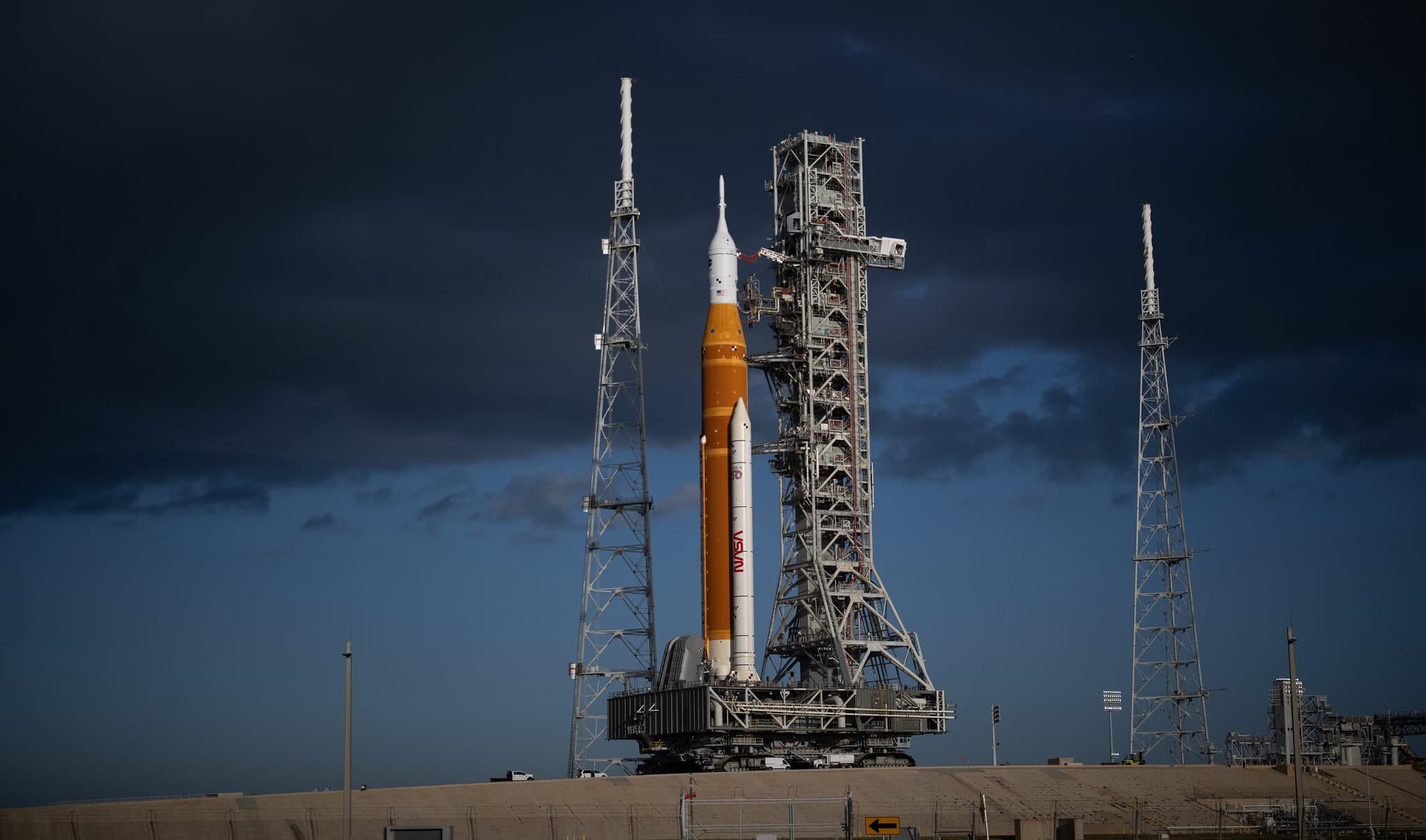
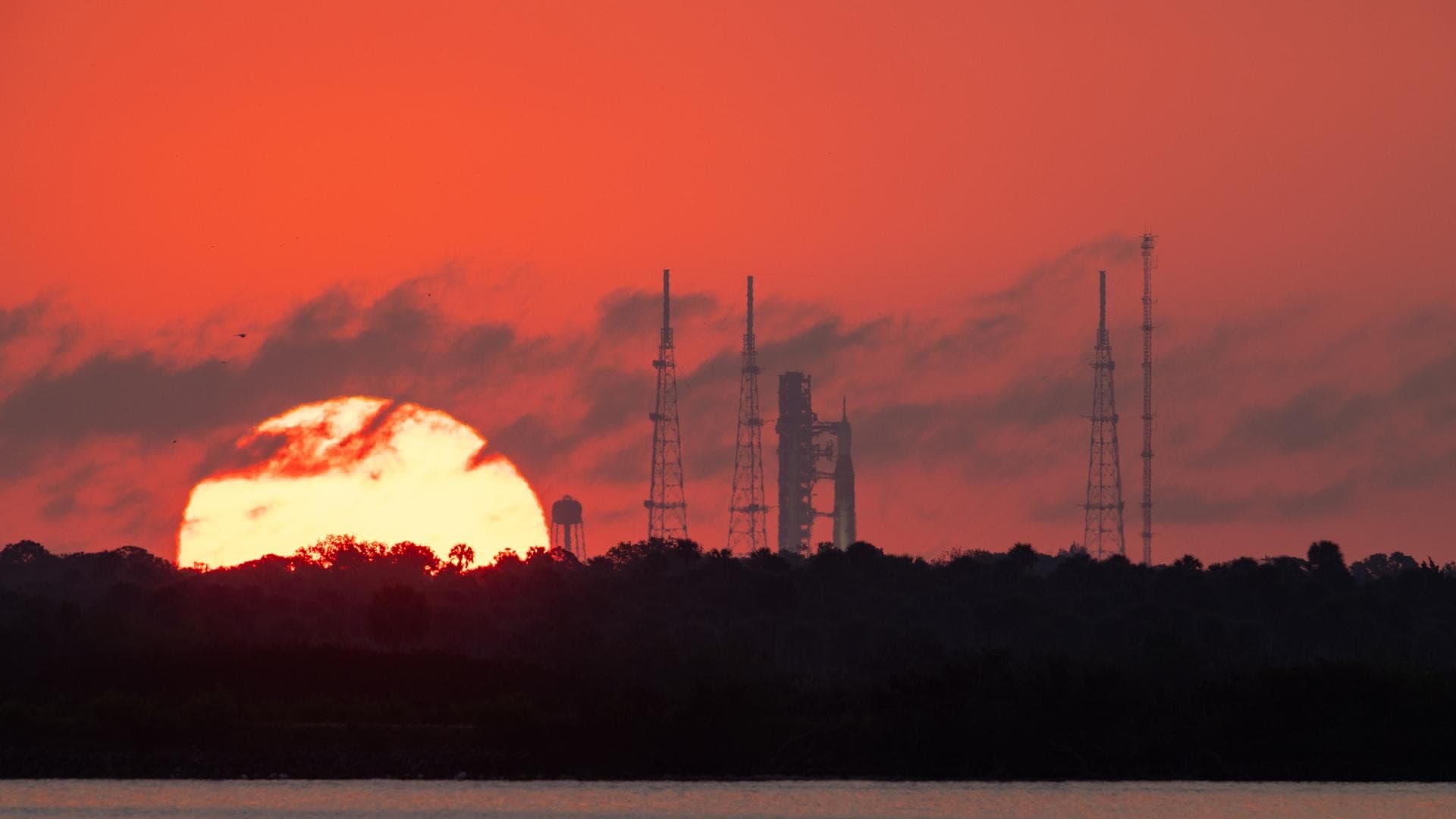
The SLS core stage houses four RS-25 engines that will power the rocket into space. Once engineers attach the engines and mate the stage with its upper section, Orion spacecraft, and twin solid rocket boosters, the complete vehicle will stand 322 feet tall. Fully fueled, it will weigh 5.75 million pounds.
NASA is targeting a launch in the latter half of 2027. But this mission will look different than originally planned.
From Moon Landing to Orbital Test
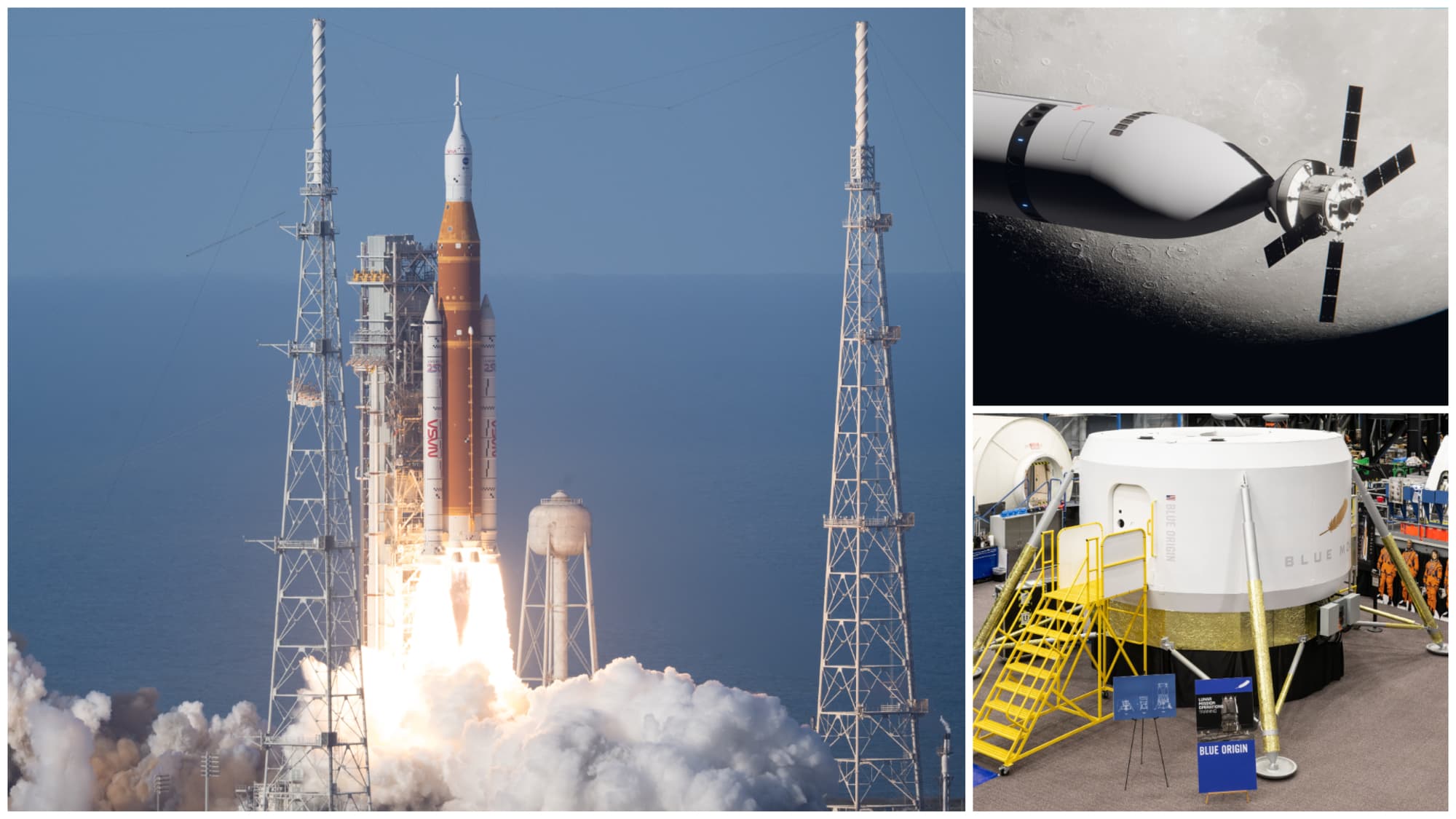
Artemis 3 was supposed to be the program's first crewed lunar landing. That changed when development delays hit both lunar landers selected through NASA's Human Landing System contracts. SpaceX's Starship and Blue Origin's Blue Moon lander both fell behind schedule.
Rather than wait for the landers and risk slipping the entire Artemis timeline, NASA restructured the mission. Artemis 3 will now stay in Earth orbit to test Orion and one or both of the lunar landers. The actual crewed landing has been pushed to a later mission.
Logicity's Take
The Road to Regular Moon Missions
NASA's Artemis program aims to fly regular astronaut missions to the moon starting in 2028. The longer-term goal is a permanent base at the lunar south pole by the early 2030s.
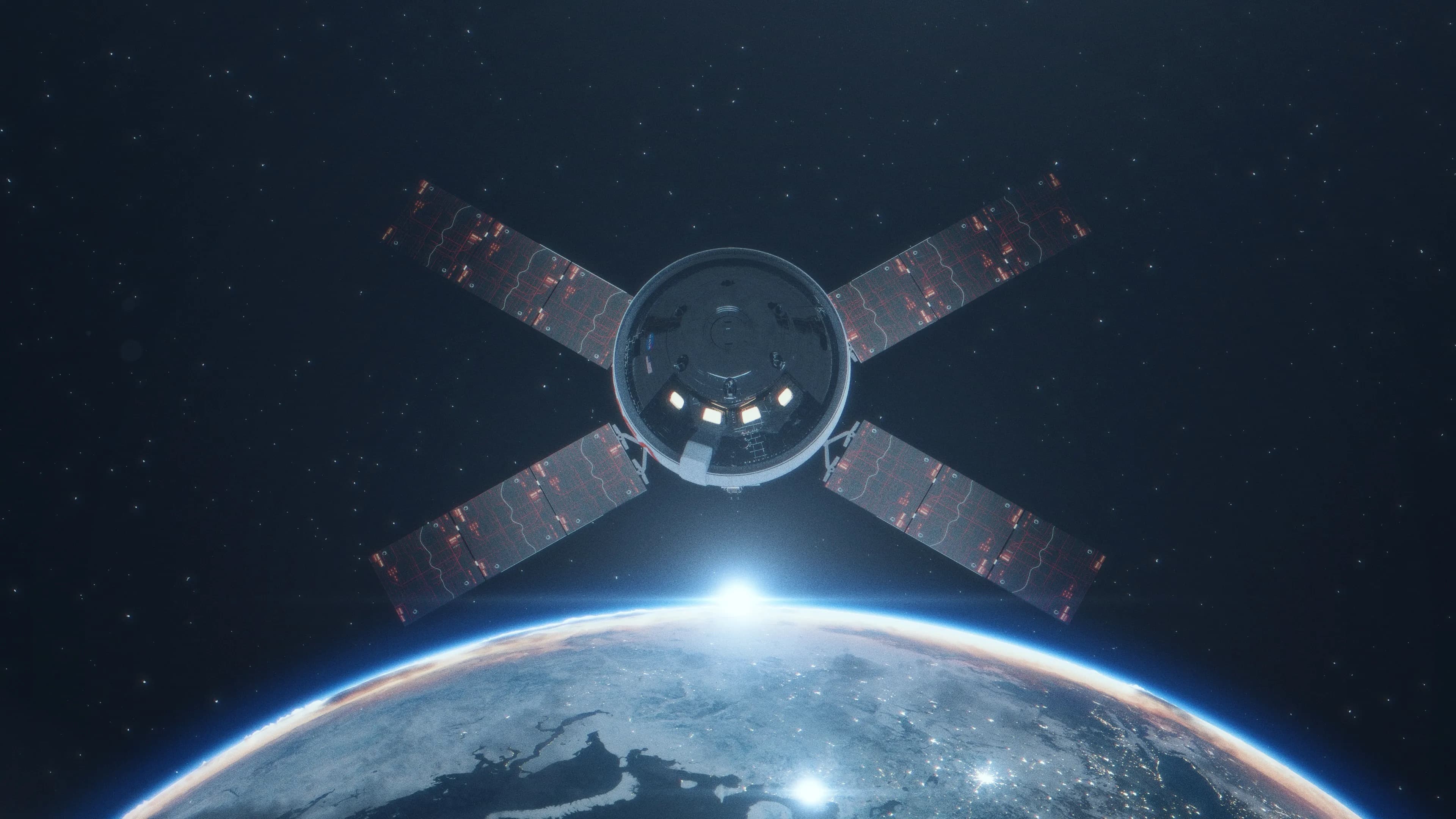
Artemis 2 launched on April 1 and returned on time, carrying NASA astronauts Reid Wiseman, Victor Glover, and Christina Koch, along with Canadian Space Agency astronaut Jeremy Hansen. The mission completed a lunar flyby and marked Orion's first crewed spaceflight.
With Orion now proven for carrying astronauts, the spacecraft's next test will focus on working alongside the lander vehicles that will eventually carry crews to the lunar surface.
What Comes Next
Engineers at Kennedy Space Center will attach the four RS-25 engines to the core stage in the coming months. After that, the stage moves to High Bay 3 for mating with the upper stage and Orion. NASA has not announced specific dates for these integration milestones.
The Artemis 3 test flight will help NASA decide how to sequence future missions. If both landers fly on the 2027 mission, the agency will have more data to inform the schedule for the first crewed landing attempt.
Frequently Asked Questions
When will Artemis 3 launch?
NASA is targeting a launch in the latter half of 2027.
Will Artemis 3 land astronauts on the moon?
No. NASA changed the mission to an Earth orbit test flight for Orion and lunar landers after development delays affected both SpaceX's Starship and Blue Origin's Blue Moon lander.
How tall is the Artemis 3 SLS rocket?
The core stage alone is 212 feet tall. Fully assembled with its upper stage, Orion, and boosters, the rocket will stand 322 feet tall.
When will NASA start regular moon missions?
NASA aims to begin regular astronaut missions to the moon in 2028, with a permanent lunar south pole base planned for the early 2030s.
Need Help Implementing This?
Source: Latest from Space.com
Huma Shazia
Senior AI & Tech Writer
Produced with AI assistance and reviewed by the Logicity editorial team. Learn more in our Editorial Policy.