Key Takeaways
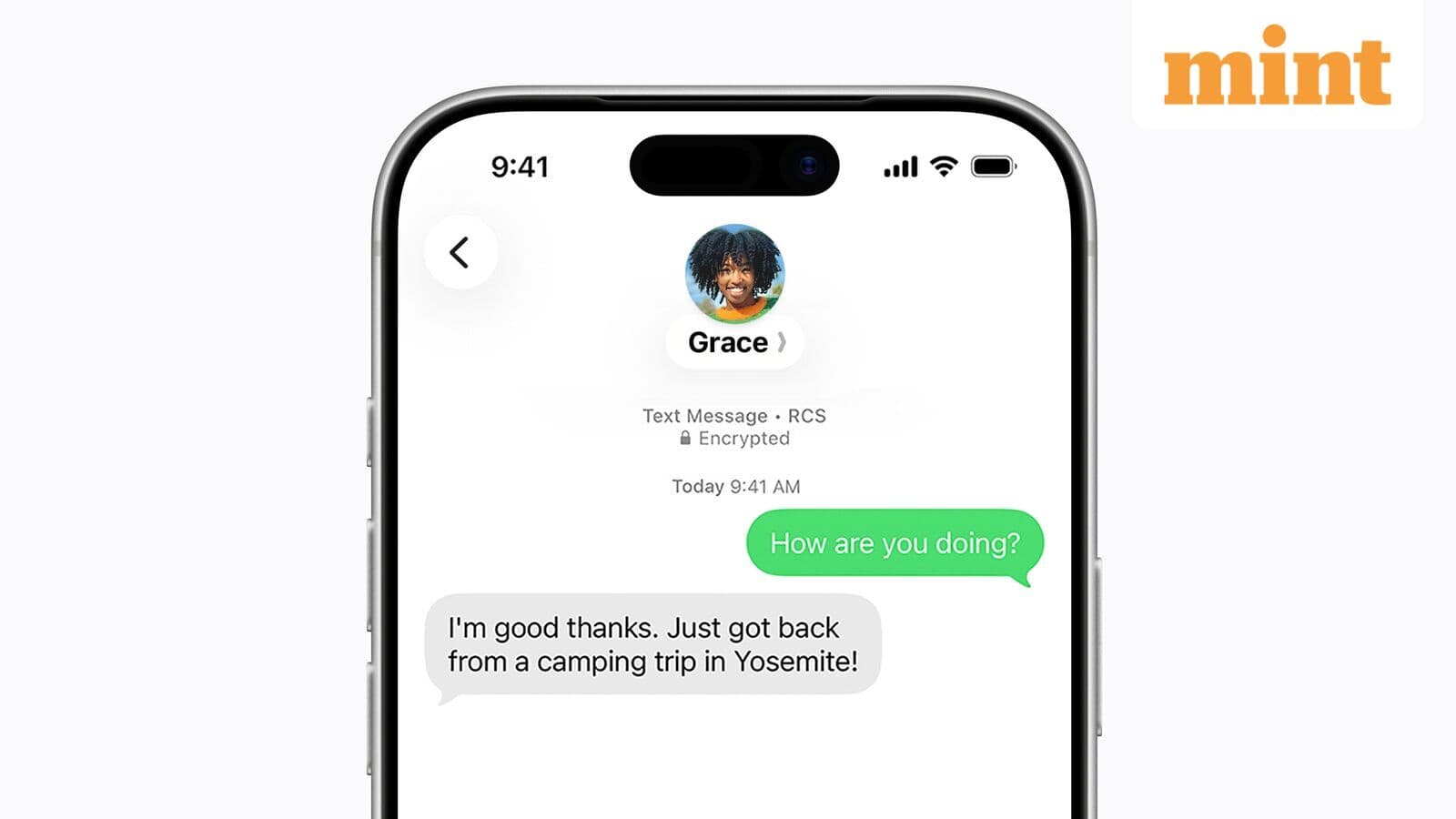
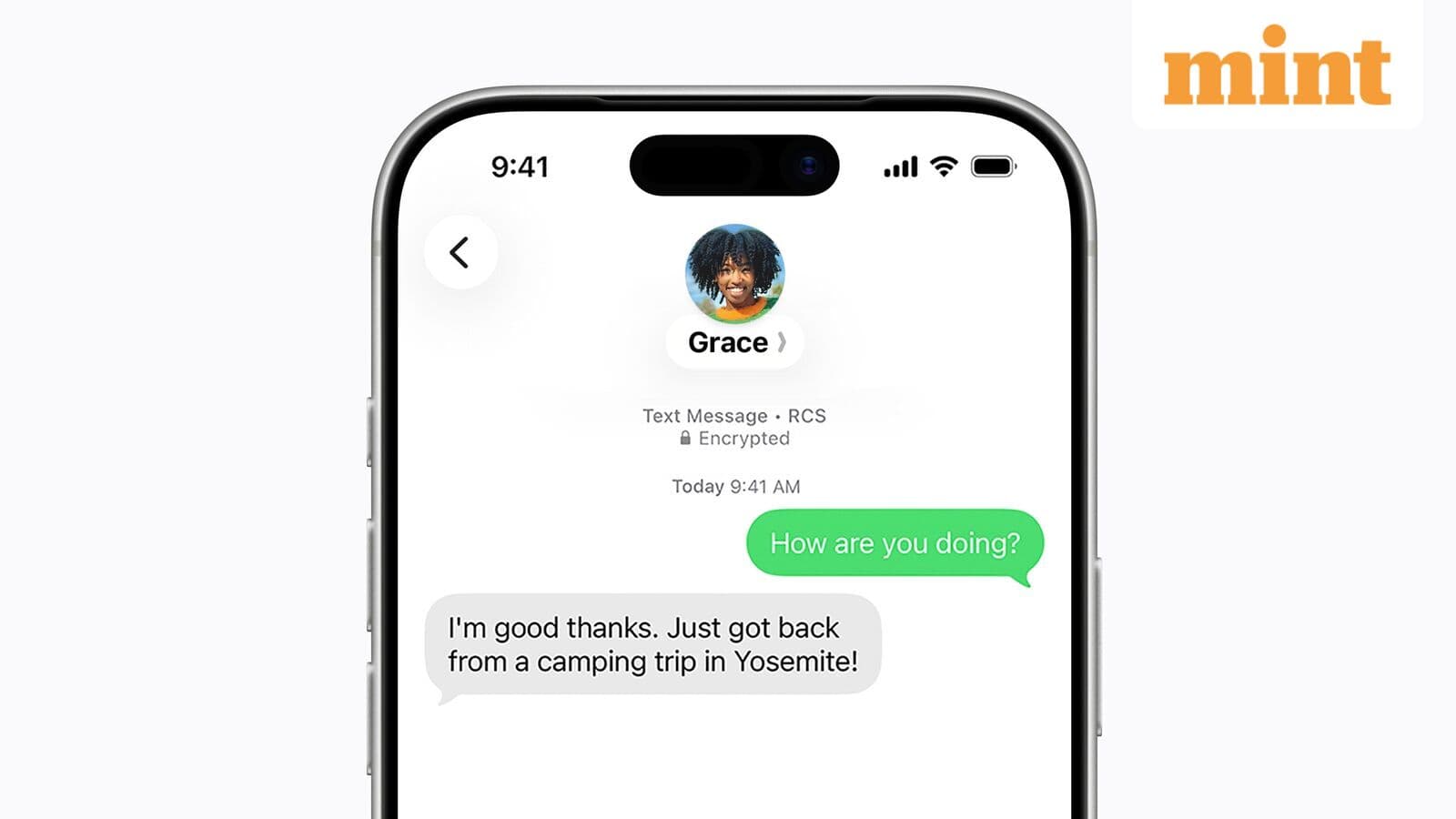
- iOS 26.5 enables end-to-end encryption for all RCS messages between iPhones and Android phones
- Neither Apple, Google, nor carriers can read encrypted cross-platform messages
- The feature is on by default for iOS users; Android users need the latest Google Messages app
What Changed in iOS 26.5
Apple first added RCS support to iPhones with iOS 18. That update brought typing indicators, read receipts, and high-resolution media sharing to cross-platform chats. But it lacked the encryption that iMessage users take for granted.
iOS 26.5 fixes that gap. Apple and Google announced a joint effort to bring end-to-end encryption to RCS, making it the first large-scale messaging service to support interoperable E2EE between different client implementations.
“Apple and Google have led a cross-industry effort to bring end-to-end encryption to Rich Communication Services (RCS), making the cross-platform messaging format that replaces traditional SMS more secure and private.”
— Apple and Google joint statement
The feature first appeared in the iOS 26.4 beta but was pulled before the stable release. With iOS 26.5, it's officially live.
Why E2EE for RCS Matters
End-to-end encryption scrambles messages so that only the sender and recipient can read them. No one else, not Apple, not Google, not your carrier, can access the contents. Even if a server is breached, the messages remain unreadable.
This is how iMessage has worked for years. WhatsApp and Signal offer the same protection. But until now, any text between an iPhone and Android phone was either SMS (completely unencrypted) or RCS without E2EE (encrypted in transit but readable by service providers).
“RCS is the first large-scale messaging service to support interoperable E2EE between client implementations from different providers, providing the highest level of privacy.”
— Tom Van Pelt, Technical Director at GSMA
The timing matters. Some platforms, including Instagram, have reportedly scaled back on E2EE in favor of standard encryption. Apple and Google are moving in the opposite direction.
How to Know Your Chats Are Encrypted
On iPhone, look for the message "Text Message · RCS | 🔒 Encrypted" at the top of a conversation. On Android, the same lock icon appears in Google Messages.
Each encrypted conversation has a unique verification code. Both parties can compare codes to confirm the encryption is active and hasn't been compromised.
For iPhone users, E2EE is on by default after updating to iOS 26.5. Android users need the latest version of Google Messages.
Security implications across platforms
Rollout Timeline and Carrier Support
The feature is currently in beta and launching in partnership with supported carriers. Apple expects full rollout to all users within the next few months.
Not all carriers may support E2EE immediately. If you don't see the encryption indicator, your carrier may not have enabled it yet. Check for software updates on both your phone and messaging app.
What This Doesn't Fix
E2EE protects message contents. It doesn't hide metadata. Carriers and service providers can still see who you're messaging, when, and how often.
Group chats and media attachments are covered under the same encryption. But if you screenshot a conversation or back it up to an unencrypted cloud service, that protection ends.
The green bubble isn't going away. iPhones still display RCS messages differently from iMessage. Apple hasn't changed the color coding, just the security underneath.
Related Android hardware developments
Logicity's Take
Frequently Asked Questions
Do I need to do anything to enable RCS encryption on my iPhone?
No. After updating to iOS 26.5, E2EE is enabled by default for all RCS conversations with Android users.
Will my old RCS messages be encrypted?
No. Encryption applies only to new messages sent after both parties have the update. Previous messages remain unencrypted.
Does RCS encryption work with all Android phones?
It works with phones running the latest version of Google Messages. The recipient's carrier must also support RCS E2EE.
Is RCS encryption as secure as iMessage?
Yes. Both use end-to-end encryption where only sender and recipient can read messages. The underlying protocols differ, but the protection level is comparable.
Can law enforcement access encrypted RCS messages?
Not from Apple or Google's servers. Encrypted messages can only be read on the devices where they're sent and received.
Need Help Implementing This?
Source: mint / Aman Gupta
UI Indicators and Phased Rollout
The new article identifies a specific visual 'lock icon' that users can look for to confirm a chat is encrypted. It also adds that while encryption is immediate for new chats, it will be phased into existing conversations automatically over time.
Google Announces Gemini Intelligence and Agentic AI Features for Android
Google is introducing 'Gemini Intelligence' to Android, featuring agentic AI that automates multi-step tasks across third-party apps and a new 'Rambler' tool in Gboard for refined voice-to-text. The update also includes AI-driven custom widgets and specifies a summer rollout for Samsung and Google flagship devices.
Manaal Khan
Tech & Innovation Writer
Produced with AI assistance and reviewed by the Logicity editorial team. Learn more in our Editorial Policy.




