Key Takeaways
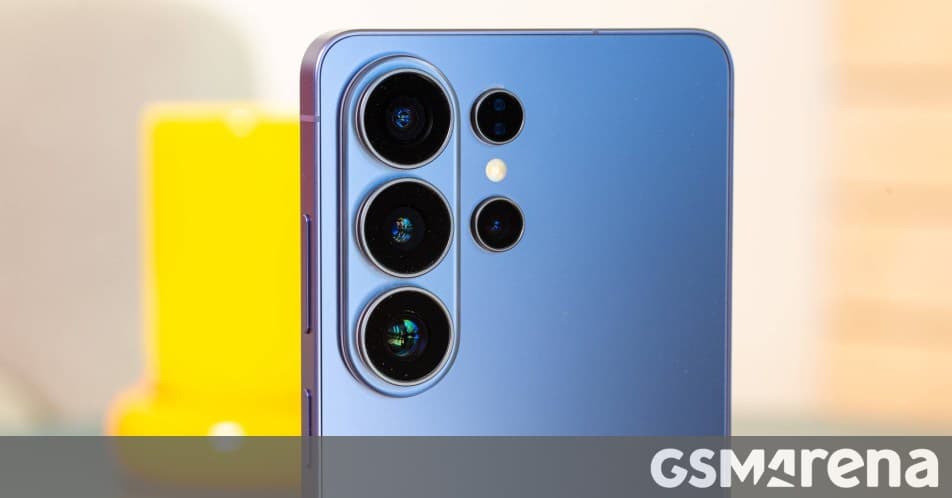
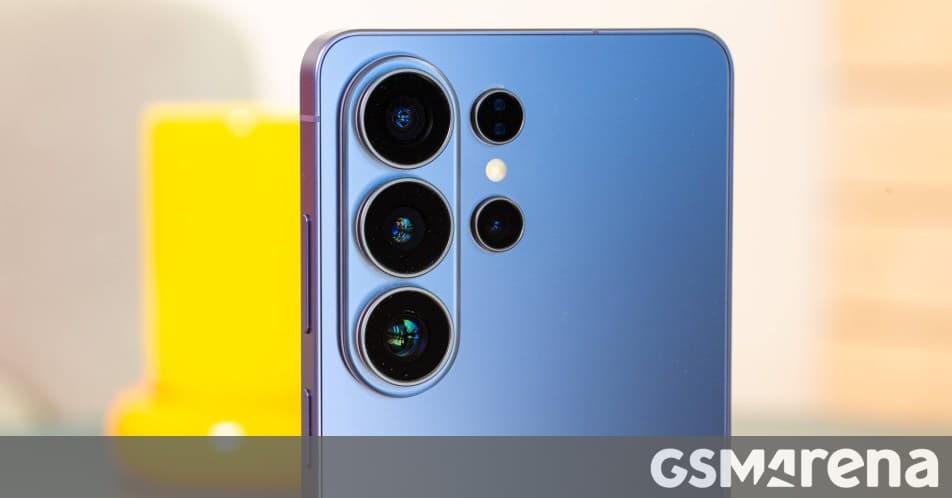
- Samsung Galaxy S26 series now supports a real-time network speed indicator through the Good Lock QuickStar module
- The feature requires One UI 9 beta (Android 17), currently available in six countries
- Chinese Android brands like Xiaomi and OnePlus have offered this functionality natively for nearly a decade
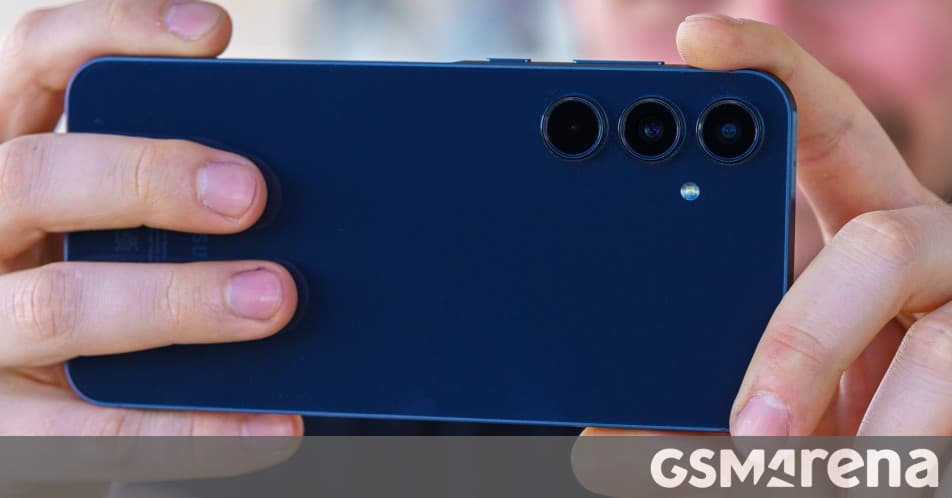
Samsung has added a real-time network speed indicator to the Galaxy S26 series, a status bar feature that Xiaomi, OnePlus, and other Android manufacturers have shipped by default for years. The catch: you need the Android 17-based One UI 9 beta, Good Lock installed, and the QuickStar module version 15.7.00.27 or later.
This is not a native toggle buried in Settings. Samsung's approach routes the feature through Good Lock, its modular customization app that has quietly amassed over 15 million monthly active users globally. For power users who have been asking for status bar flexibility, that is both good news and a reminder of Samsung's conservative approach to system UI changes.
How to enable the network speed indicator on Galaxy S26
If you own a Galaxy S26, S26+, or S26 Ultra running the One UI 9 beta, here is the setup process. First, install Good Lock from Google Play or the Galaxy Store. Then install or update QuickStar to version 15.7.00.27. If the update is not showing in the Galaxy Store, APK files are circulating online, though sideloading carries its own risks.
Once QuickStar is ready, open Good Lock, navigate to the Plugins section, and tap QuickStar. Enable the module with the toggle at the top. Then tap "Visibility of indicator icons" and switch on "Network Speed." The real-time throughput reading appears in the top-right corner of your screen.
Samsung has not confirmed whether this feature will roll back to older One UI versions. For now, it appears tied exclusively to One UI 9. That limits the audience to beta testers in six countries.
Why did Samsung take so long?
The network speed indicator is not technically complex. Xiaomi's MIUI has included it since at least 2016. OnePlus, Realme, and even stock Android ROMs have offered similar toggles. Samsung users, meanwhile, had to root their devices and flip firmware flags, or rely on third-party apps that cluttered the notification shade.
A 2025 community survey found that 72% of Galaxy power users ranked "status bar customization" as their top missing feature. That statistic is hard to ignore. Samsung's minimalist status bar design philosophy has clearly been at odds with what a significant chunk of its most engaged customers want.
“The network speed indicator is a classic example of 'Android parity' that users have been vocal about for years, proving that even minor status bar tweaks carry massive weight in user satisfaction.”
— Ben Wood, Chief Analyst at CCS Insight
Reddit's response has been predictable. On r/Samsung and r/Android, users are celebrating the addition while simultaneously asking if Samsung has "finally joined the 2018 era of Android." The jokes write themselves, but the underlying frustration is real.
Good Lock's expanding role in Samsung's software strategy
Samsung's decision to route this feature through Good Lock rather than baking it into One UI's native settings is revealing. Good Lock has become the sandbox where Samsung tests ideas before they graduate to the mainstream. Junho Park, Vice President of Mobile Experience at Samsung, described it plainly: "It's the sandbox where we test the features that eventually become the standard for the entire Galaxy ecosystem."
This modular approach gives Samsung cover. Features can be added, tweaked, or killed without touching the core OS. It also lets power users opt into complexity while keeping the default experience clean for casual buyers. The downside is fragmentation. If you do not know Good Lock exists, you do not know these features exist.
The QuickStar module already handles status bar icon visibility, clock positioning, and quick settings panel customization. The network speed indicator fits naturally into that toolkit.
More on Samsung's evolving hardware strategy
Is this really a feature if it needs a separate app?
The source material poses this question directly, and it is worth addressing. On one hand, Good Lock ships from Samsung's own stores, and QuickStar is an official module. This is not a third-party hack. On the other hand, requiring users to discover, install, and configure a separate app to see their download speed does not exactly scream polish.
Compare this to Xiaomi, where the toggle sits in Settings > Notification & Control Center > Status Bar. One tap, done. Samsung's approach is more powerful but less accessible.
The implementation itself, however, is getting praise. Unlike third-party speed monitor apps that often use persistent notifications or floating widgets, QuickStar's integration is clean. The indicator sits in the status bar where it belongs, matching the system font and icon style.
Samsung's broader push into ARM-based computing
What comes next for One UI 9
The One UI 9 beta is currently limited to six countries, with the Galaxy S26 series as the only eligible hardware. Samsung typically expands betas to older flagships within a few months, so S25 and S24 owners may eventually gain access to QuickStar's new capabilities.
Whether Samsung will backport this specific feature to One UI 8 remains unclear. The company has not commented. Given Good Lock's modularity, it is technically possible, but Samsung may prefer to use it as an incentive for users to upgrade.
Logicity's Take
Samsung's late arrival to the network speed indicator party is a symptom of a broader tension in its software philosophy. The company wants to maintain a clean, Apple-like default experience while also competing with Chinese Android vendors on customization. Good Lock is the pressure valve for that tension. It works, but it also means Samsung's most useful features are hidden behind an app most users will never install. The real win here would be moving QuickStar's best options into native Settings with a power user toggle.
Frequently Asked Questions
Which Samsung phones support the network speed indicator?
Currently only the Galaxy S26, S26+, and S26 Ultra running the One UI 9 beta. Samsung has not confirmed support for older devices.
Do I need to root my Samsung phone to see network speed?
No. With One UI 9 and Good Lock's QuickStar module, rooting is no longer required. The feature is officially supported.
Is Good Lock available in all countries?
Good Lock availability varies by region. Some modules may require sideloading APKs in countries where Samsung does not officially support the app.
Will the network speed indicator come to One UI 8?
Samsung has not confirmed backward compatibility. For now, the feature is exclusive to One UI 9.
How accurate is the QuickStar network speed indicator?
It displays real-time throughput based on active data transfers. Accuracy should be comparable to third-party speed monitoring apps.
Need Help Implementing This?
If you are managing a fleet of Samsung devices for enterprise deployment and want to understand how Good Lock and One UI 9 features affect your MDM strategy, reach out to Logicity's enterprise tech consulting partners for guidance.
Source: GSMArena.com / Sagar
Manaal Khan
Tech & Innovation Writer
Produced with AI assistance and reviewed by the Logicity editorial team. Learn more in our Editorial Policy.