Key Takeaways
- The Galaxy Z Fold8 Wide may use 60μm ultra-thin glass, 33% thicker than the Ultra's 45μm layer
- Thicker glass reduces the visible crease but raises questions about long-term folding durability
- Samsung could apply the thicker glass to the 2027 Fold Ultra successor if testing goes well
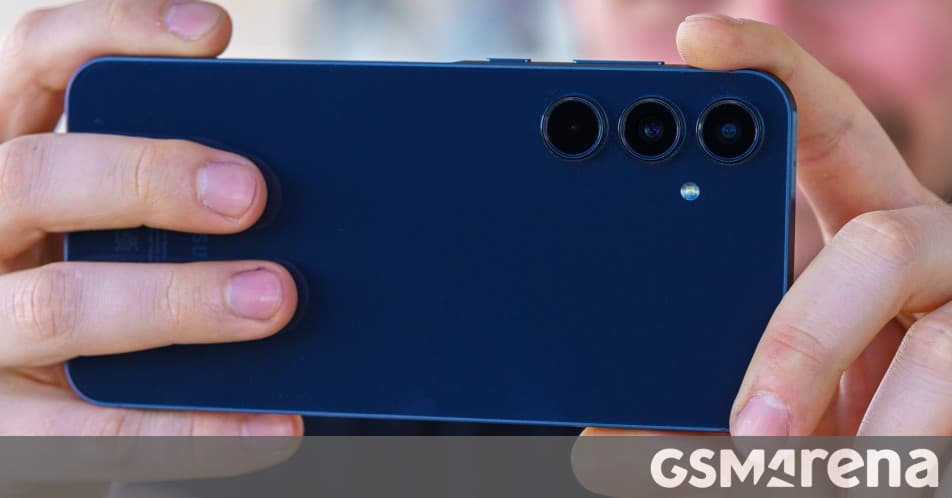
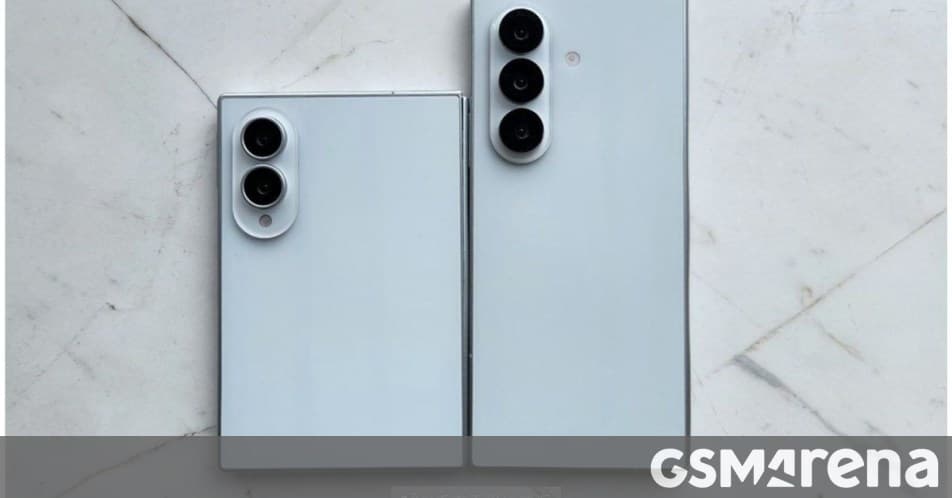
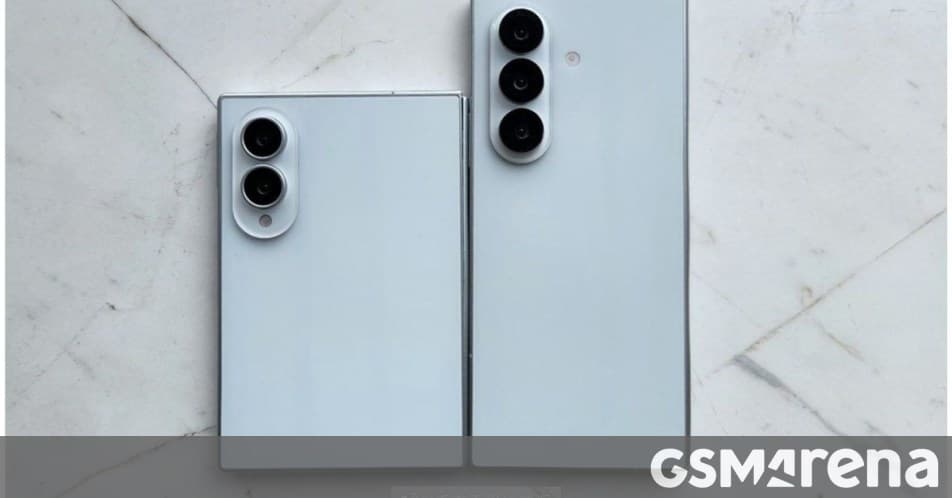
Samsung is reportedly taking two different paths with its next foldables. The Galaxy Z Fold8 Wide may ship with 60μm ultra-thin glass on its inner display, while the Galaxy Z Fold8 Ultra sticks with 45μm glass. That thickness gap, first reported by GSMArena, reflects a deliberate trade-off: the Wide prioritizes a flatter screen with less visible creasing, while the Ultra retains thinner, more flexible glass.
Both devices are expected to launch in July alongside the Galaxy Z Flip8. The Ultra's 45μm glass matches what Samsung currently uses on the Galaxy Z Fold7. The Wide's 60μm layer represents a 33% increase in thickness.
Why does glass thickness matter for foldables?
Ultra-thin glass sits atop the flexible AMOLED panel in every modern foldable. It absorbs impact from drops and resists scratches better than plastic film alone. But glass bends less willingly than plastic. The thinner the glass, the easier it folds. The thicker the glass, the more it resists forming a permanent crease at the hinge.
That crease has been the most common complaint about foldable phones since the category launched in 2019. Users feel it under their fingers when scrolling. It catches reflections in certain lighting. For many potential buyers, the crease remains the reason they skip foldables entirely.
Samsung's decision to use thicker glass on the Wide suggests the company believes crease reduction is a bigger selling point for that model than maximum flexibility. The Ultra, presumably positioned as the premium tier, keeps the thinner glass, perhaps because its buyers prioritize the sleekest possible profile.
The durability question nobody has answered
Thicker glass resists creasing but introduces a different problem. More rigid materials experience more stress at the bend point over thousands of folds. Glass at 60μm is still extraordinarily thin, but the physics work against it. Each fold concentrates more force along the hinge than a 45μm layer would.
Whether this matters in practice depends on Samsung's hinge engineering and how long users keep their devices. A phone rated for 200,000 folds might fail earlier with thicker glass, or Samsung may have compensated with a gentler fold radius. The report doesn't clarify either way.
What we do know: Samsung plans to watch how the Wide performs in the real world. If the 60μm glass holds up through 2026, the company may adopt it for the 2027 Fold Ultra successor. That's a year of data collection before committing the thicker glass to its flagship line.
What users are saying about the Wide
Online discussion is split. On r/Samsung and Hacker News, some users welcome a wider aspect ratio and reduced crease. Others worry that thicker glass will degrade touch sensitivity or shorten the display's lifespan. A recurring debate: whether the Wide's rumored two-camera setup is an acceptable trade-off for improved display durability and thinness.
These are reasonable concerns without good answers yet. Samsung hasn't confirmed any specifications, and real-world durability data won't exist until months after launch.
Logicity's Take
Samsung is essentially running a public beta on glass thickness. By reserving the thicker UTG for the Wide, it limits risk while gathering data. If crease complaints drop and durability holds, expect every Samsung foldable to follow. If stress fractures show up in warranty claims, the Ultra's thinner glass becomes the safer long-term bet.
Frequently Asked Questions
When will the Samsung Galaxy Z Fold8 Wide launch?
Both the Fold8 Wide and Fold8 Ultra are expected to debut in July 2025 alongside the Galaxy Z Flip8.
What is ultra-thin glass (UTG) in foldable phones?
UTG is the protective layer that sits on top of the flexible AMOLED display. It's thin enough to bend repeatedly but rigid enough to resist scratches and minor impacts.
Will thicker glass make the Fold8 Wide more durable?
It should reduce visible creasing, but thicker glass experiences more stress when bent repeatedly. Long-term durability remains an open question until real-world testing.
How does the Fold8 Wide differ from the Fold8 Ultra?
The Wide reportedly uses thicker 60μm glass and a wider aspect ratio. The Ultra uses thinner 45μm glass, matching the current Fold7, and likely retains more premium hardware in other areas.
Need Help Implementing This?
Looking to integrate the latest mobile hardware trends into your enterprise mobility strategy? Reach out to Logicity's consulting team for guidance on device selection, durability testing, and fleet management.
Source: GSMArena.com / Siddharth
Manaal Khan
Tech & Innovation Writer
Produced with AI assistance and reviewed by the Logicity editorial team. Learn more in our Editorial Policy.