Key Takeaways
- Samsung's Galaxy Book 6 Edge is the company's first ARM-powered laptop in the series, using Qualcomm's Snapdragon X2 Elite
- The laptop delivers 80 TOPS of AI performance and up to 22 hours of video playback
- At $2,100 with non-upgradeable 16GB RAM, the pricing has drawn criticism from power users
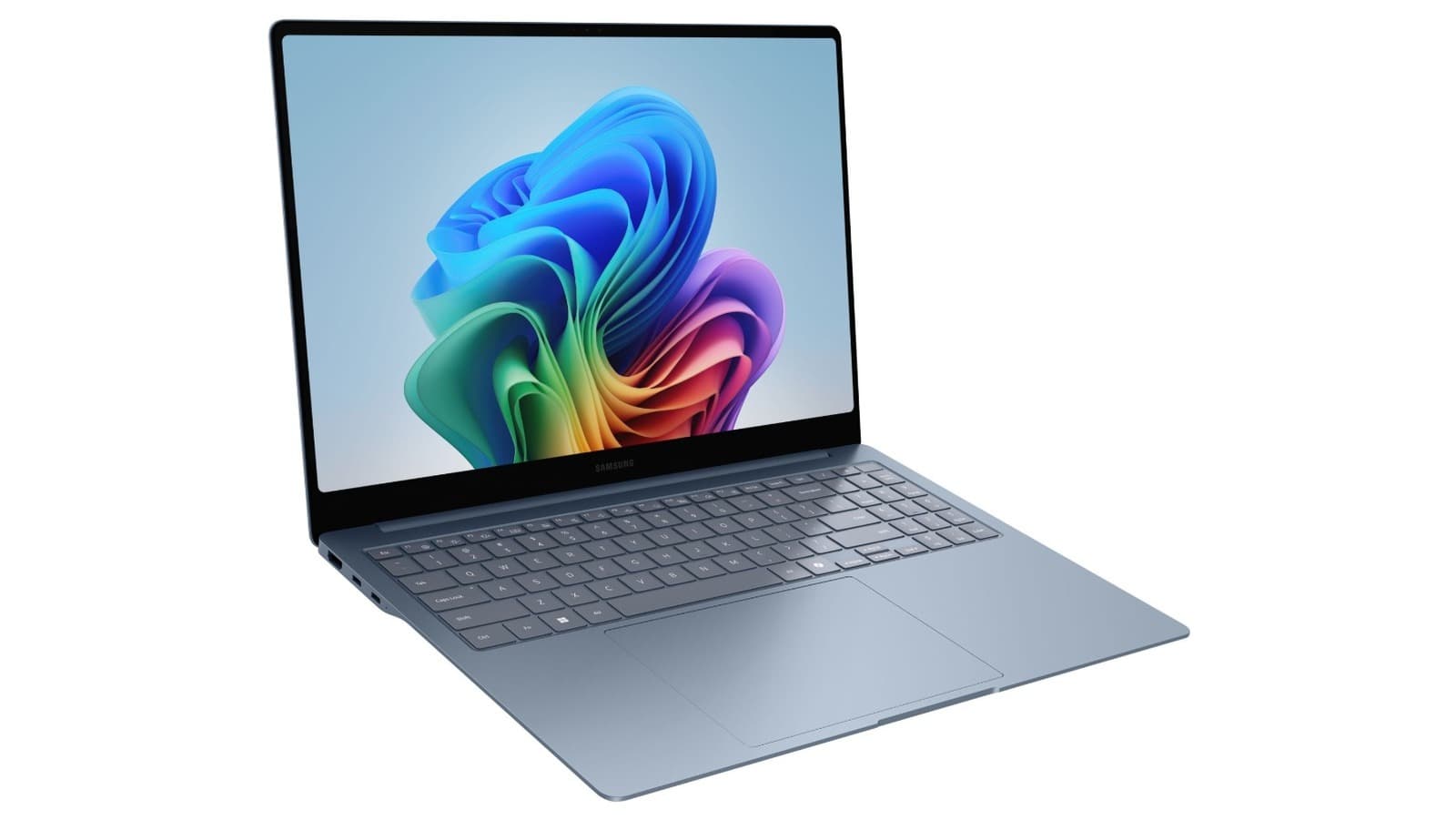
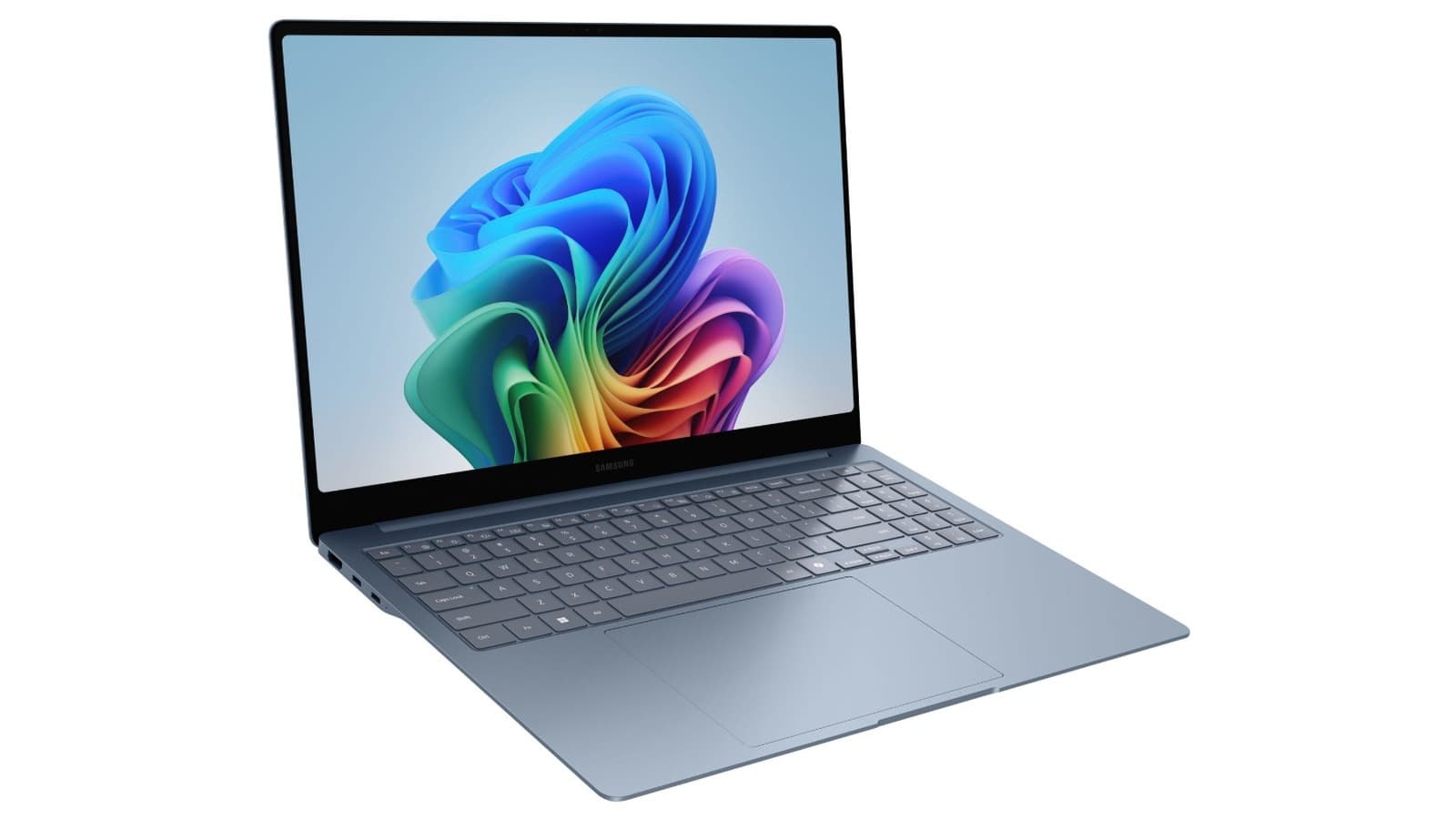
Samsung has added an ARM-based laptop to its Galaxy Book 6 lineup. The Galaxy Book 6 Edge runs on Qualcomm's Snapdragon X2 Elite chipset instead of Intel, marking the company's most aggressive push yet into high-performance Windows-on-ARM computing. It costs $2,100 and ships with 16GB of RAM and 1TB of storage.
The Galaxy Book 6 series launched in the US back in March with Intel processors across the board. This new Edge variant breaks that pattern. Samsung says the Snapdragon X2 Elite delivers up to 80 TOPS of AI performance, a figure aimed squarely at users running local AI workloads like image generation, transcription, or code assistants without cloud dependencies.
What does the Galaxy Book 6 Edge offer?
The laptop packs a 16-inch, 3K Dynamic AMOLED 2X touchscreen with an adaptive refresh rate up to 120Hz. Samsung calls the display anti-reflective and claims it adjusts brightness and contrast automatically, which should help outdoor visibility. The panel uses Corning Gorilla Glass with DX for scratch resistance.
Battery life is a headline number: Samsung claims up to 22 hours of video playback on a single charge. The included 65W adapter can push the battery to 40 percent in 30 minutes. At 3.42 pounds and just under half an inch thick, it sits in the ultraportable category without sacrificing screen real estate.
Connectivity includes one HDMI 2.1 port, a microSD slot, one USB 3.2 port, two USB 4.0 ports, and a combo headphone/microphone jack. Wi-Fi 7 and Bluetooth 5.4 round out the wireless options. Audio comes from quad speakers with Dolby Atmos support.
As a Windows 11 Copilot+ machine, the Galaxy Book 6 Edge integrates with Samsung's Galaxy ecosystem. Users can wirelessly view and transfer files and photos from supported Samsung phones.
Is $2,100 too much for 16GB of RAM?
Here's where things get contentious. The Galaxy Book 6 Edge ships in exactly one configuration: 16GB of LPDDR5X memory and 1TB of storage. That RAM is soldered and non-upgradeable. For a laptop positioned around AI workloads, that limitation stings.
Early reactions on Reddit's r/laptop and r/Samsung communities reflect this tension. Users have praised the 80 TOPS AI performance and the thin form factor, but many argue that $2,100 should buy more than 16GB in 2026. Power users running multiple AI models or heavy development environments typically want 32GB as a baseline.
Samsung is betting that the Snapdragon's efficiency and on-chip AI acceleration offset the RAM constraint for most buyers. Whether that bet pays off depends on how demanding your specific AI tools are.
Why ARM matters for Windows laptops
The Galaxy Book 6 Edge represents Samsung's direct challenge to Intel's dominance in premium Windows laptops. ARM-based chips like the Snapdragon X2 Elite promise better battery life and thermal efficiency compared to x86 processors, which translates to thinner, cooler, longer-lasting machines.
The tradeoff has historically been software compatibility. Not every Windows application runs natively on ARM, though Microsoft's emulation layer has improved substantially. For users whose workflows live entirely in web browsers, Office apps, and newer AI-native software, the compatibility gap has largely closed.
Logicity's Take
Samsung is making a calculated play here. The Galaxy Book 6 Edge isn't trying to be everything to everyone. It's targeting buyers who value portability, battery life, and local AI performance over raw RAM headroom. That's a real audience, but at $2,100 with no configuration options, Samsung is leaving money on the table from power users who'd pay more for 32GB. Expect a higher-spec variant if this sells well.
Frequently Asked Questions
What processor does the Samsung Galaxy Book 6 Edge use?
The Galaxy Book 6 Edge runs on Qualcomm's Snapdragon X2 Elite chipset, which Samsung says delivers up to 80 TOPS of AI performance.
How much does the Samsung Galaxy Book 6 Edge cost?
The Galaxy Book 6 Edge costs $2,100. It comes in a single configuration with 16GB of RAM and 1TB of storage.
What is the battery life of the Galaxy Book 6 Edge?
Samsung claims up to 22 hours of video playback on a single charge. The 65W adapter can charge the battery to 40 percent in 30 minutes.
Can you upgrade the RAM in the Galaxy Book 6 Edge?
No. The 16GB of LPDDR5X memory is soldered and cannot be upgraded after purchase.
What display does the Galaxy Book 6 Edge have?
It has a 16-inch 3K Dynamic AMOLED 2X touchscreen with an adaptive refresh rate up to 120Hz and Corning Gorilla Glass with DX.
Need Help Implementing This?
Evaluating ARM-based laptops for your team or organization? Logicity covers the latest in enterprise hardware decisions. Subscribe to our newsletter for weekly analysis on the tools shaping modern work.
Source: Engadget
Manaal Khan
Tech & Innovation Writer
Produced with AI assistance and reviewed by the Logicity editorial team. Learn more in our Editorial Policy.




