Key Takeaways
- Plex Lifetime Pass rises from $250 to $750 on July 1, 2026
- Monthly ($6.99) and annual ($69.99) subscriptions stay the same
- Jellyfin offers free alternative but requires local hosting and more setup
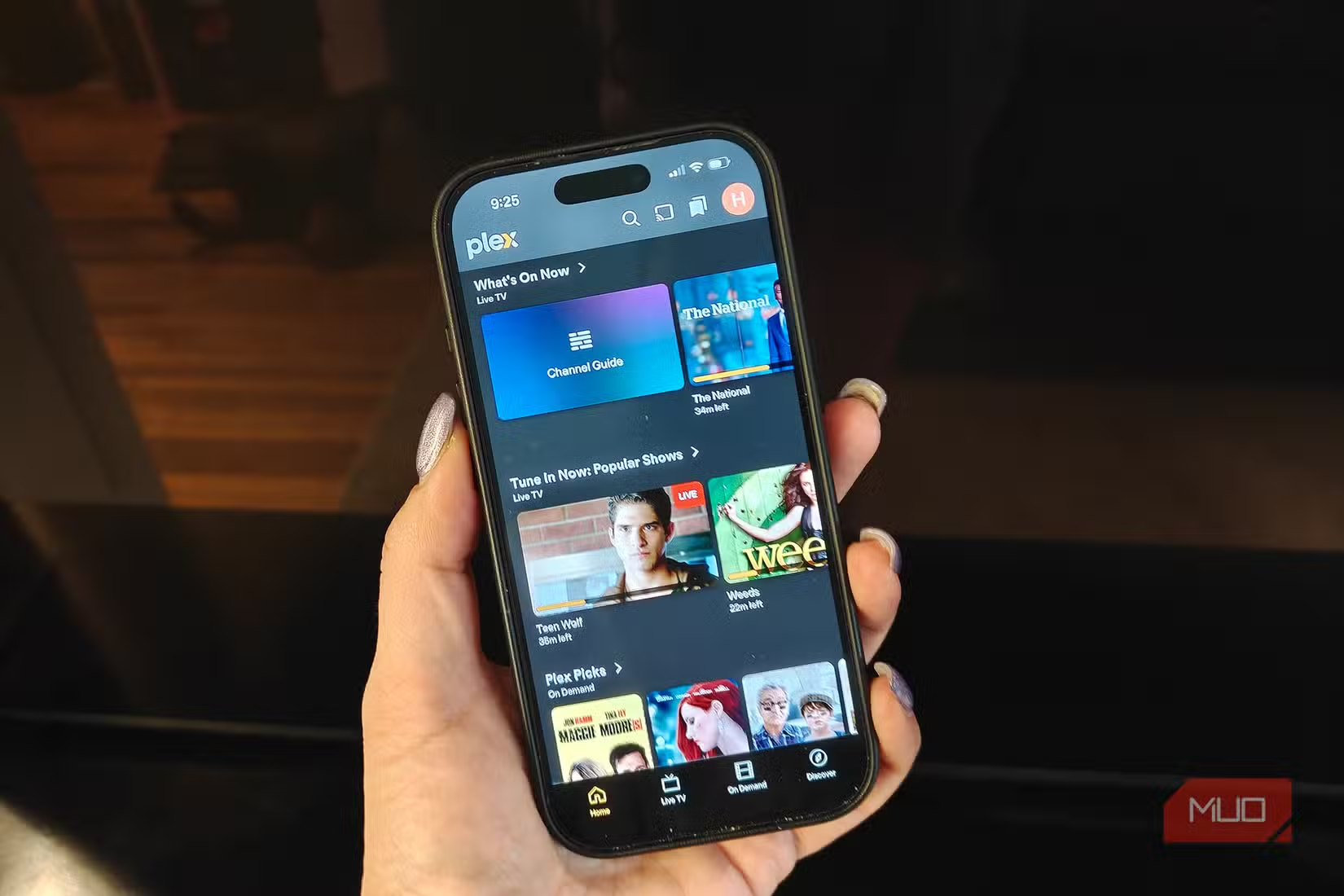
Plex just announced another price hike for its Lifetime Pass. Starting July 1, 2026, the one-time fee jumps from $250 to $750. That's triple the current price and six times what it cost before the 2025 increase.
The company says the increase reflects the "real, ongoing value" of its streaming media server software. Current Lifetime Pass holders keep their existing deal. Monthly and annual subscriptions remain unchanged at $6.99 and $69.99 respectively.
Six Weeks to Decide
If you've been considering a Lifetime Pass, you have until July 1 to lock in the $250 rate. After that, you're paying a $500 premium for the same features.
The math favors the Lifetime Pass if you plan to stick with Plex long term. At $69.99 per year, you'd break even on the current $250 price in under four years. At $750, that payback period stretches to nearly eleven years.
What Plex Pass Gets You
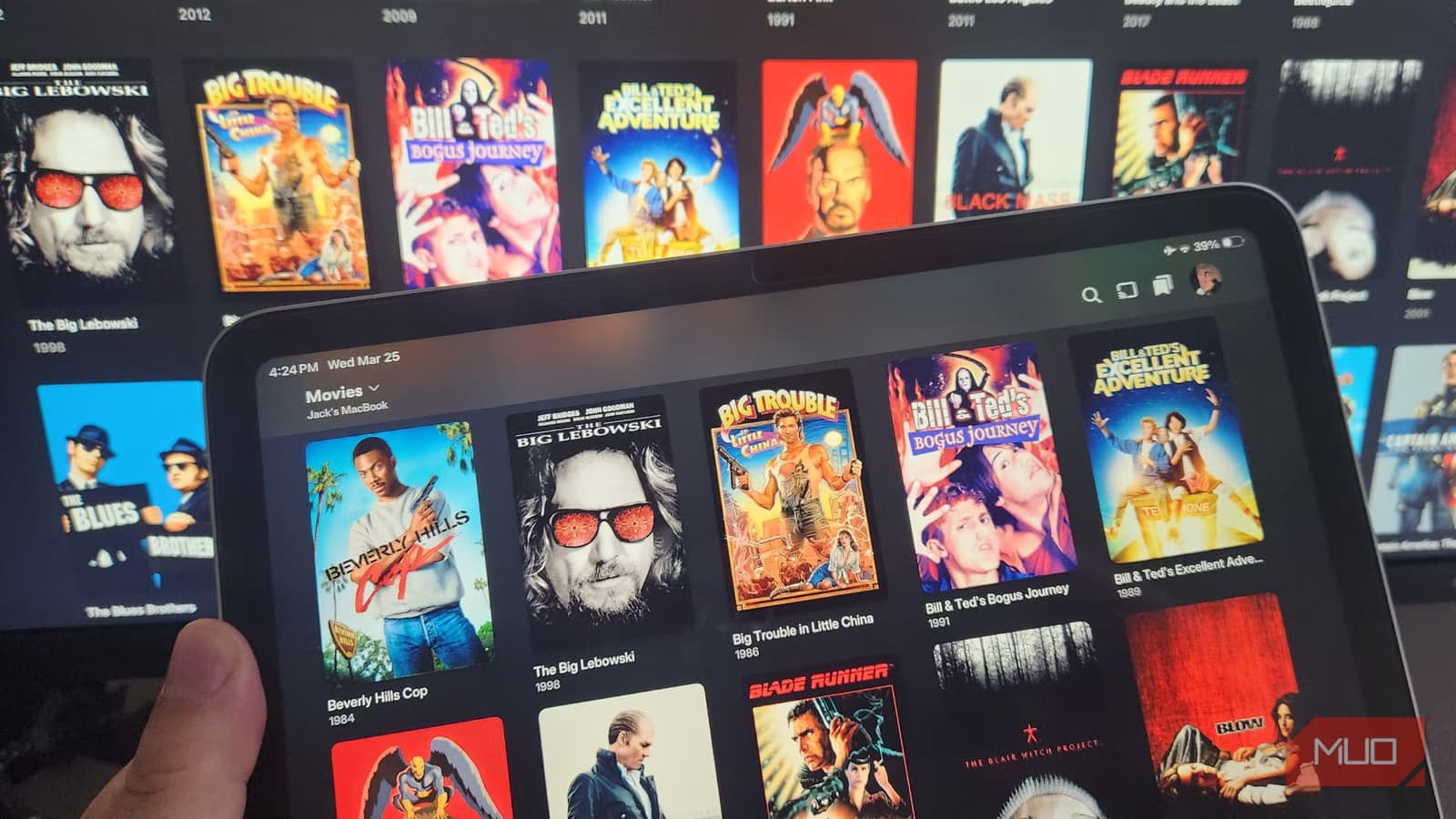
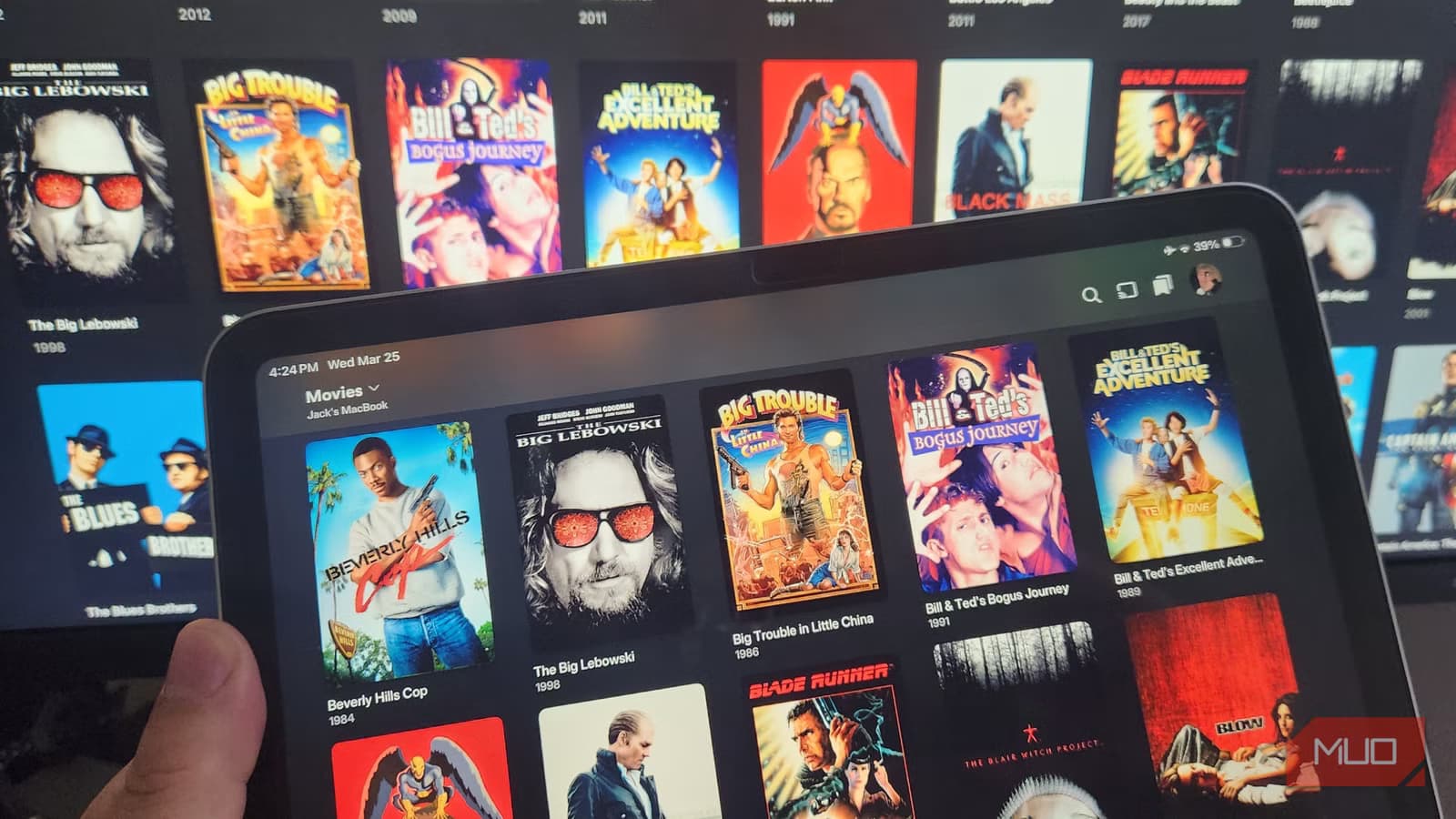
The free version of Plex handles basic in-home streaming. You can organize your media library and play content on most devices. The company also offers licensed streaming content and channels at no cost.
Plex Pass unlocks premium features. Hardware encoding delivers higher quality streams without taxing your CPU. Remote streaming works without router configuration. The service runs on a wide range of hardware platforms with strong third-party app support.
Plex's Roadmap to Justify the Price
Plex shared upcoming improvements alongside the price announcement. The company is working on several feature additions:
- Downloads grouped by show with automatic new episode downloads
- Playlist creation and editing in mobile apps
- Music and photo library support returning to mobile and TV apps
- NFO metadata support
Whether these features justify a $500 increase depends on how you use the service. For users who primarily stream video locally, the free tier might be enough.
Jellyfin: The Free Alternative
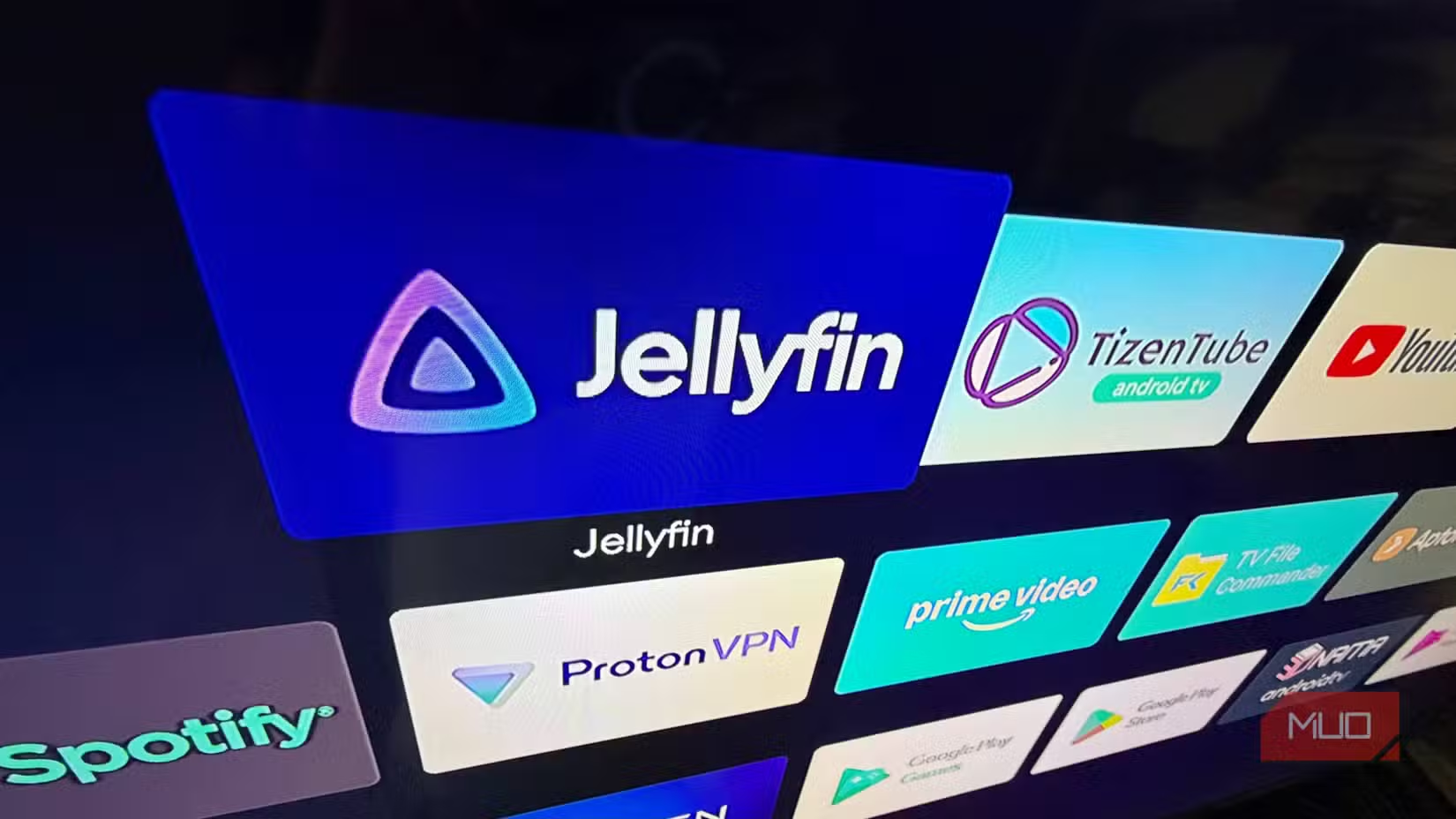
Jellyfin is an open-source media server that offers similar functionality to Plex at no cost. No subscription tiers, no lifetime fees, no licensing restrictions.
The tradeoff is setup complexity. Jellyfin requires local hosting on your own hardware. You'll need to configure your server, manage updates, and handle network settings yourself. There's no company handling the infrastructure for you.
✅ Pros
- • Completely free with no subscription tiers
- • Open-source with active community development
- • No data collection or tracking
- • Full control over your media server
❌ Cons
- • Requires self-hosting on your own hardware
- • More complex initial setup than Plex
- • Fewer polished client apps
- • Remote access needs manual router configuration
Jellyfin works well for users comfortable with home servers and basic networking. If you want something that works out of the box, Plex still has the edge. But that edge now costs $750 for lifetime access.
The Pattern of Price Increases
This marks the second major Lifetime Pass increase in two years. Plex doubled the price in 2025. Now it's tripling from that already-higher baseline.
The company frames these increases as aligning price with value delivered. Users who locked in earlier deals keep their rates. But for new customers, the barrier to entry keeps climbing.
Logicity's Take
Which Option Makes Sense?
Your best choice depends on how much you value convenience versus cost savings.
If you want plug-and-play simplicity and plan to use Plex for years, buy the Lifetime Pass before July 1 at $250. If you're comfortable with self-hosting, Jellyfin delivers most of the same features at zero cost. If you're uncertain, the annual Plex subscription lets you pay as you go without committing $750 upfront.
Another software customization option for personal tech
Frequently Asked Questions
When does the Plex Lifetime Pass price increase take effect?
The price increases from $250 to $750 on July 1, 2026. You have until then to purchase at the current rate.
Are existing Plex Lifetime Pass holders affected by the price increase?
No. Current Lifetime Pass holders are grandfathered in and keep their existing access with no additional payments.
Is Jellyfin as good as Plex?
Jellyfin offers similar core features for free but requires more technical setup and self-hosting. Plex is more polished and easier to configure.
What does Plex Pass include that the free version doesn't?
Plex Pass adds hardware encoding for better quality streams, easy remote access without router configuration, and upcoming features like automatic episode downloads.
Should I buy Plex Lifetime Pass before the price increase?
If you're already using Plex and plan to continue for several years, the $250 rate is a better value than paying $69.99 annually. At $750, the math is less compelling.
Need Help Implementing This?
Source: MakeUseOf
Manaal Khan
Tech & Innovation Writer
Produced with AI assistance and reviewed by the Logicity editorial team. Learn more in our Editorial Policy.