Key Takeaways
- The Oura Ring 5 is 40% smaller than the previous generation while improving sensor accuracy through 12 redesigned signal pathways
- New Health Radar feature monitors nighttime blood pressure and breathing patterns for medical-grade insights
- Clinical features like GLP-1 tracking and health record imports require the paid Oura Membership subscription
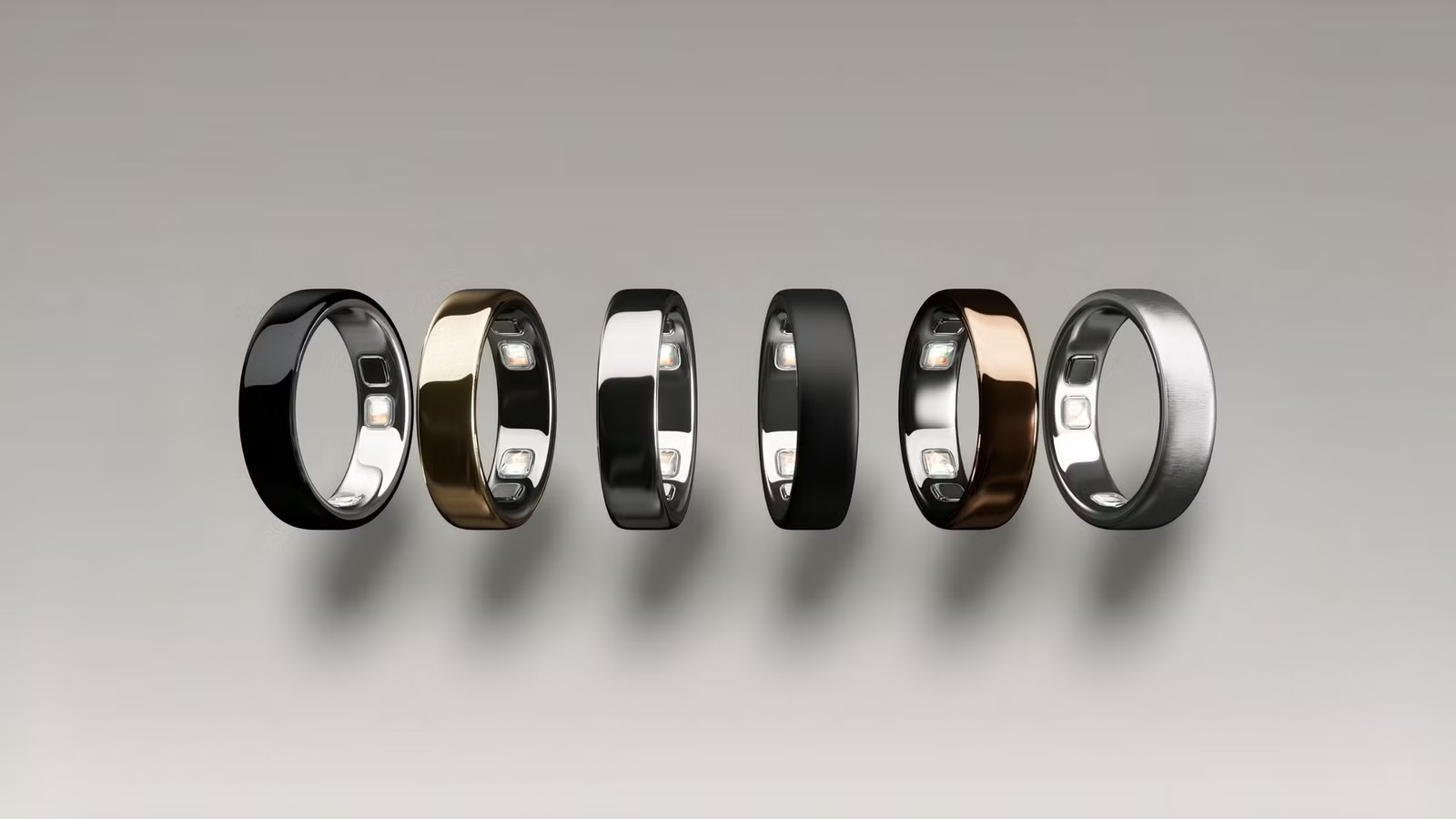
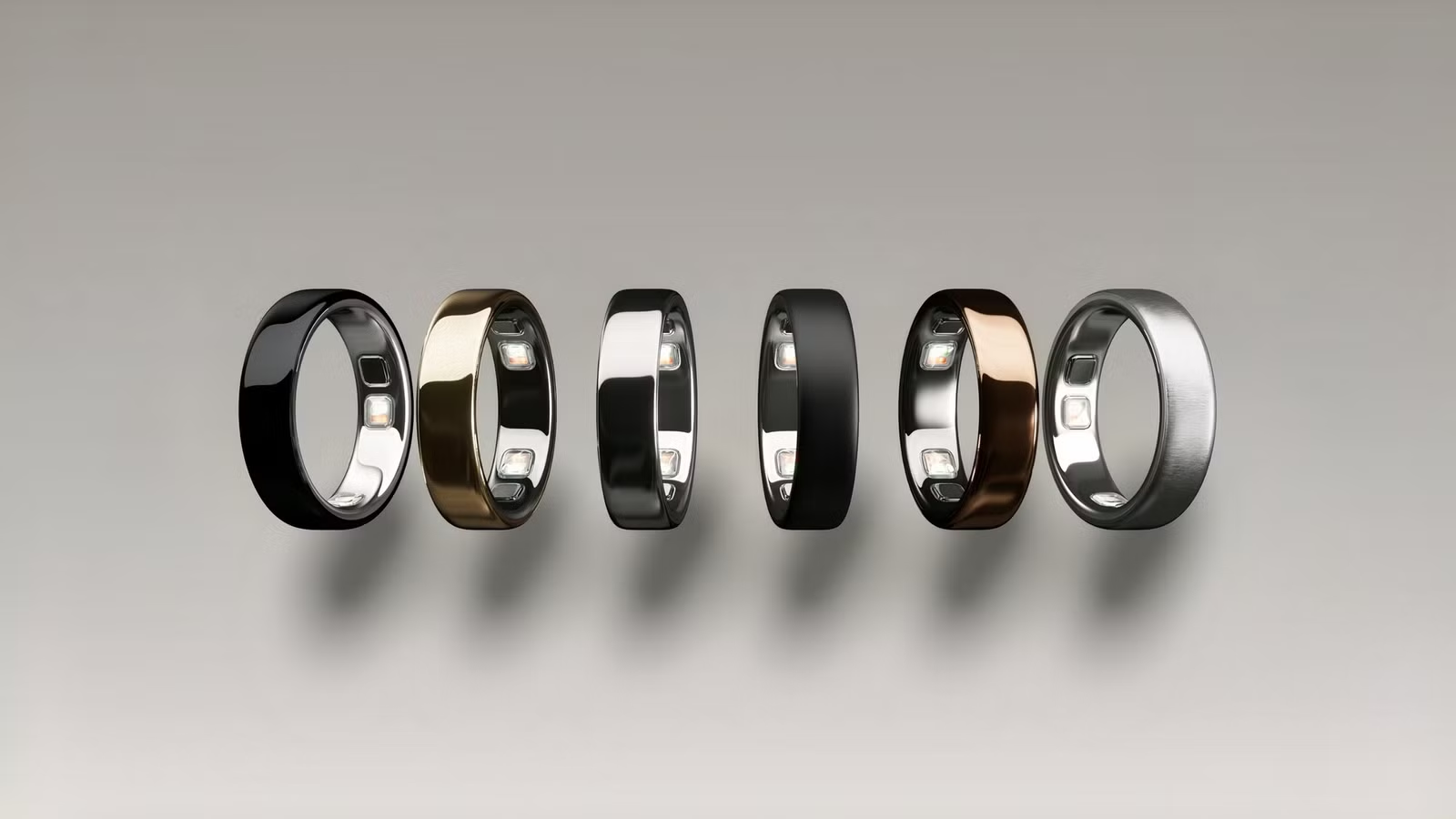
For over a decade, smart rings have been stuck in an awkward middle ground. They're smaller than smartwatches but rarely as capable. They look like jewelry but can't quite match the accuracy of a chest strap. Oura thinks it's finally cracked the formula with the Ring 5, announced May 28, 2026.
The pitch: a ring 40% smaller than the previous generation that doesn't sacrifice accuracy. In fact, Oura claims it's better. The company also wants to push beyond basic sleep and heart rate tracking into territory usually reserved for clinical settings.
Smaller Ring, More Signal Pathways
The Ring 5's size reduction is the most obvious change. Oura achieved this by redesigning the internal architecture without cutting sensors. The company packed 12 optimized signal pathways into the smaller frame, using more powerful LEDs to compensate for the reduced surface area.
Early third-party reviews suggest the smaller form factor doesn't compromise performance. Compared to the Apple Watch and WHOOP Band, the Ring 5 reportedly matches or beats their heart rate and sleep-tracking accuracy. The titanium casing carries an IP68 rating, meaning water resistance up to 100 meters.
“We didn't just want to make it smaller; we wanted to make the data more meaningful by giving users control over which specific health moments they record and share.”
— Tom Hale, CEO of Oura Health
Health Radar: From Passive Tracking to Proactive Monitoring
The hardware improvements matter, but Oura's bigger bet is on software. The headline feature is Health Radar, which monitors background biometrics like nighttime blood pressure and breathing patterns. Where previous rings sent notifications after you were already stressed or tired, Health Radar aims to catch warning signs before they become problems.
This is where Oura starts sounding less like a fitness tracker and more like a medical device. The ring can now track GLP-1 medication usage, including dose logging, side effects, and weight loss progress. For users in the United States, Health Records integration lets you import lab results, diagnosed conditions, and medication lists directly into the Oura app.
The Subscription Question
Here's the catch: many of these clinical features require a paid Oura Membership subscription. The connected care feature, which lets users ask health questions and connect with licensed physicians through Oura's partnership with Counsel Health, sits behind the paywall. So does Health Records integration.
The base Ring 5 starts at $399 for Silver and Black models. The subscription adds ongoing costs for users who want the full clinical experience.
✅ Pros
- • 40% smaller design with improved sensor accuracy
- • Clinical-grade features like GLP-1 tracking and health record imports
- • End-to-end encryption with granular data deletion controls
- • IP68 water resistance up to 100 meters
❌ Cons
- • Advanced clinical features require paid subscription
- • Deeper integration increases potential for health-data vendor lock-in
- • Starting price of $399 plus ongoing subscription costs
Privacy Controls and the Lock-In Concern
Oura is marketing end-to-end encryption as a core feature. The company has added granular data deletion, letting users remove specific timeframes rather than wiping everything. On Reddit's r/OuraRing community, this has been well-received. Users appreciate the control over which health moments they keep and which they delete.
The HackerNews crowd is more skeptical. As the ring becomes more integrated with clinical systems and medication tracking, the concern is health-data vendor lock-in. If your GLP-1 medication logs, blood pressure history, and lab results all live in Oura's ecosystem, switching to a competitor becomes harder.
This isn't unique to Oura. Apple, Google, and Samsung all face similar questions about health data portability. But Oura's clinical ambitions make the stakes higher. A fitness tracker that logs your runs is one thing. A device that tracks your medication and connects to your medical records is another.
How It Compares
| Feature | Oura Ring 5 | Apple Watch Ultra 2 | WHOOP 4.0 |
|---|---|---|---|
| Form Factor | Ring (40% smaller) | Watch | Band |
| Heart Rate Accuracy | Matches/exceeds competitors | Medical-grade | High accuracy |
| Sleep Tracking | Advanced with Health Radar | Standard | Detailed strain-based |
| Clinical Features | GLP-1, Health Records (US) | ECG, blood oxygen | None |
| Subscription Required | For advanced features | No | Yes (all features) |
| Starting Price | $399 | $799 | $239 + subscription |
Logicity's Take
Frequently Asked Questions
How much does the Oura Ring 5 cost?
The base Silver and Black models start at $399. Advanced clinical features like GLP-1 tracking and connected care require a paid Oura Membership subscription.
Is the Oura Ring 5 waterproof?
Yes. The titanium casing has an IP68 rating with water resistance up to 100 meters depth.
What is Oura Health Radar?
Health Radar is a proactive monitoring feature that continuously tracks background biometrics like nighttime blood pressure and breathing patterns, aiming to catch health issues before symptoms appear.
Can the Oura Ring 5 track GLP-1 medication?
Yes, but this requires the paid subscription. Users can log medication doses, track side effects, and monitor weight loss progress within the Oura app.
How does the Oura Ring 5 compare to Apple Watch for health tracking?
Early reviews suggest the Ring 5 matches or exceeds Apple Watch accuracy for heart rate and sleep tracking. The Ring 5 offers unique clinical features like GLP-1 tracking and Health Records integration, while Apple Watch provides ECG and blood oxygen monitoring.
If you're building out a connected health setup at home, you'll need reliable Wi-Fi infrastructure
Need Help Implementing This?
Source: MakeUseOf
Huma Shazia
Senior AI & Tech Writer
Produced with AI assistance and reviewed by the Logicity editorial team. Learn more in our Editorial Policy.