Key Takeaways

- OpenAI is actively testing a ChatGPT for Science subscription on its web platform
- The tier likely targets verified universities and research institutions, not individual users
- An announcement could come within 2-4 weeks based on internal UI strings discovered
OpenAI is testing a new ChatGPT for Science subscription tier, according to internal strings discovered in the platform's web build. The specialized plan appears designed for universities and research institutions rather than individual researchers, following the access model OpenAI established with its enterprise offerings.
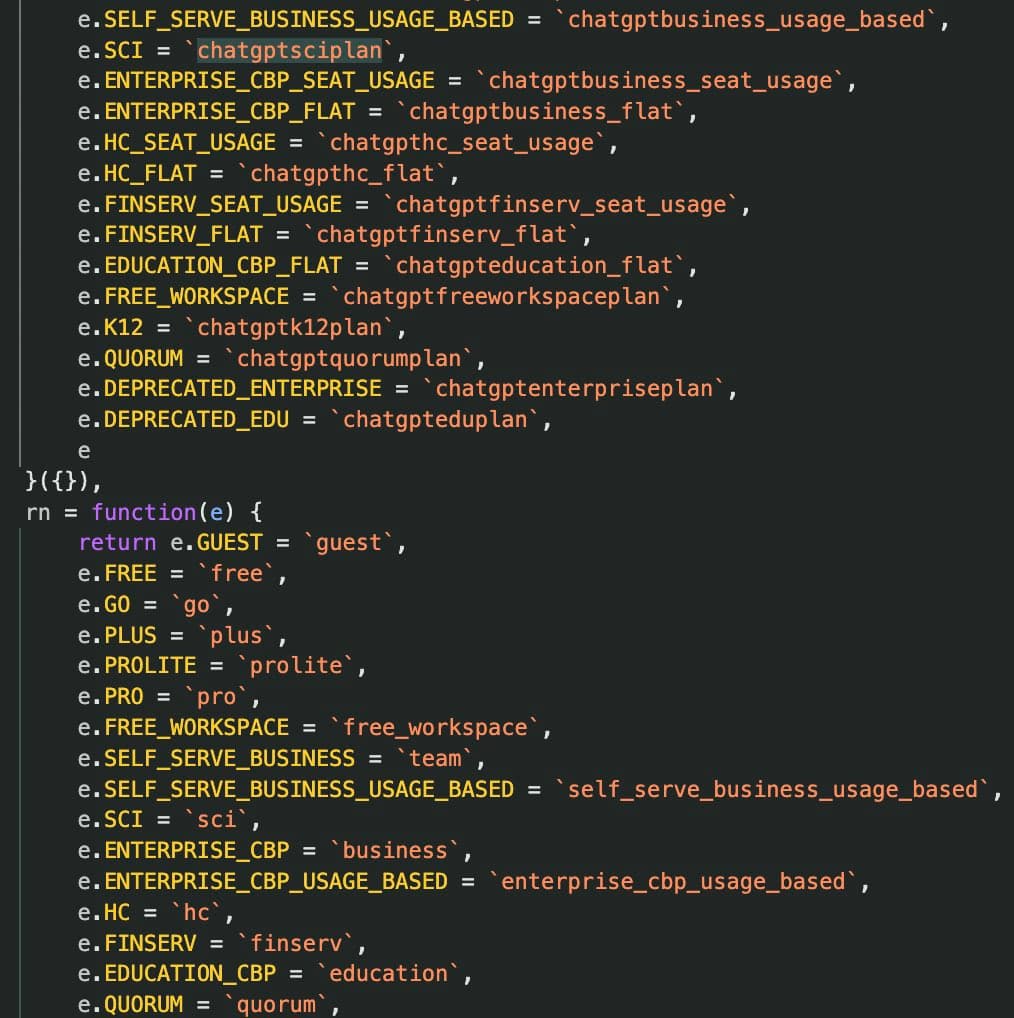
TestingCatalog spotted the references on X, revealing that OpenAI has been working on vertical-specific pricing beyond its current personal, Teams, and Enterprise tiers. The discovery suggests a rollout could happen within 2-4 weeks, the typical timeline between internal UI strings appearing and public announcements.
Who will get access to ChatGPT for Science?
OpenAI's existing tier structure offers clues. ChatGPT Teams requires a company domain and at least three users. ChatGPT Enterprise is restricted to legal entities with verified credentials. ChatGPT for Science will likely follow similar verification requirements, limiting access to accredited universities, national laboratories, and pharmaceutical R&D divisions.
This isn't speculation. OpenAI already operates a restricted science model called GPT-Rosalind, built on its GPT-5.5 architecture. Rosalind is not a ChatGPT reskin with a science system prompt. It's a purpose-built model for enterprise-scale life sciences research, locked behind what OpenAI calls a "trusted-access deployment structure."
Only major pharmaceutical companies like Novo Nordisk and verified research institutions conducting public-benefit research can access Rosalind. The model demands enterprise-grade security and strict safety governance, exceeding even ChatGPT Enterprise requirements.
What capabilities would justify a separate tier?
ChatGPT for Science would likely sit between consumer ChatGPT and the exclusive GPT-Rosalind. The leaked references suggest OpenAI wants to bring some Rosalind-class capabilities to a broader institutional audience without the bespoke partnership arrangements that pharmaceutical giants negotiate.
The differentiation would center on what OpenAI calls "special grounding in discoveries and research." In practice, this means the model would have deeper training on peer-reviewed literature, more sophisticated reasoning for experimental design, and possibly direct integration with research databases. ChatGPT already handles 8.4 million weekly messages on advanced math and science topics. A dedicated tier could serve that demand with more specialized tooling.
Why is OpenAI segmenting its user base now?
The move signals OpenAI shifting away from a one-size-fits-all subscription model. Different user groups have radically different needs, compliance requirements, and willingness to pay. A university biology department has no use for ChatGPT Enterprise's business analytics features, but it needs citation accuracy and research database access that consumer ChatGPT doesn't offer.
Vertical pricing also lets OpenAI extract more value from high-intensity users. Researchers conducting literature reviews and data analysis run far more tokens through the system than casual users. A science-specific tier can price accordingly while offering tools that justify the premium.
The academic community is divided
Discussion on Hacker News and Reddit reveals a split reaction. Some researchers see ChatGPT for Science as a force multiplier for literature reviews and hypothesis generation. Others view it as a significant vector for academic dishonesty, making it easier to produce plausible-sounding but potentially flawed research summaries.
The privacy implications also worry some researchers. AI models can now de-anonymize research data with concerning accuracy.
A dedicated science tier with institutional verification could either mitigate these concerns through stricter governance, or amplify them by putting more powerful tools in more hands. OpenAI has not commented on what safety measures the tier would include.
When will ChatGPT for Science launch?
Based on the internal UI strings now visible in the web build, an announcement is likely 2-4 weeks away. OpenAI typically tests features publicly before formal launches. The company has not confirmed the timeline or pricing structure.
Frequently Asked Questions
What is ChatGPT for Science?
A specialized OpenAI subscription tier designed for universities and research institutions, offering enhanced scientific reasoning and research tools beyond consumer ChatGPT.
Will individual researchers be able to subscribe?
Unlikely. Based on OpenAI's existing tier structure, ChatGPT for Science will probably require institutional verification similar to ChatGPT Enterprise.
How is ChatGPT for Science different from GPT-Rosalind?
GPT-Rosalind is exclusively available to major pharmaceutical companies and elite research institutions through bespoke partnerships. ChatGPT for Science appears aimed at a broader audience of verified academic institutions.
When will ChatGPT for Science be available?
Internal UI strings suggest an announcement within 2-4 weeks, though OpenAI has not confirmed timing.
Logicity's Take
OpenAI is essentially building an academic paywall, but one that could actually benefit researchers if executed well. The real test is whether ChatGPT for Science offers genuine research infrastructure, like verified citation chains and reproducibility checks, or just the same model with a university discount. If OpenAI integrates directly with preprint servers and research databases, this becomes a serious tool. If it's just GPT-4o with a lab coat, institutions will stick with specialized tools they already trust.
Another example of AI systems being purpose-built for specific scientific and research applications
Need Help Implementing This?
If your research institution is evaluating AI tools for scientific workflows, Logicity can connect you with implementation specialists who understand both the technical requirements and compliance considerations. Contact us for guidance on AI strategy for academic and research organizations.
Source: BleepingComputer
Manaal Khan
Tech & Innovation Writer
Produced with AI assistance and reviewed by the Logicity editorial team. Learn more in our Editorial Policy.