Key Takeaways
OpenAI’s First Hardware Device Revealed: Sam Altman & Jony Ive Are Changing Everything
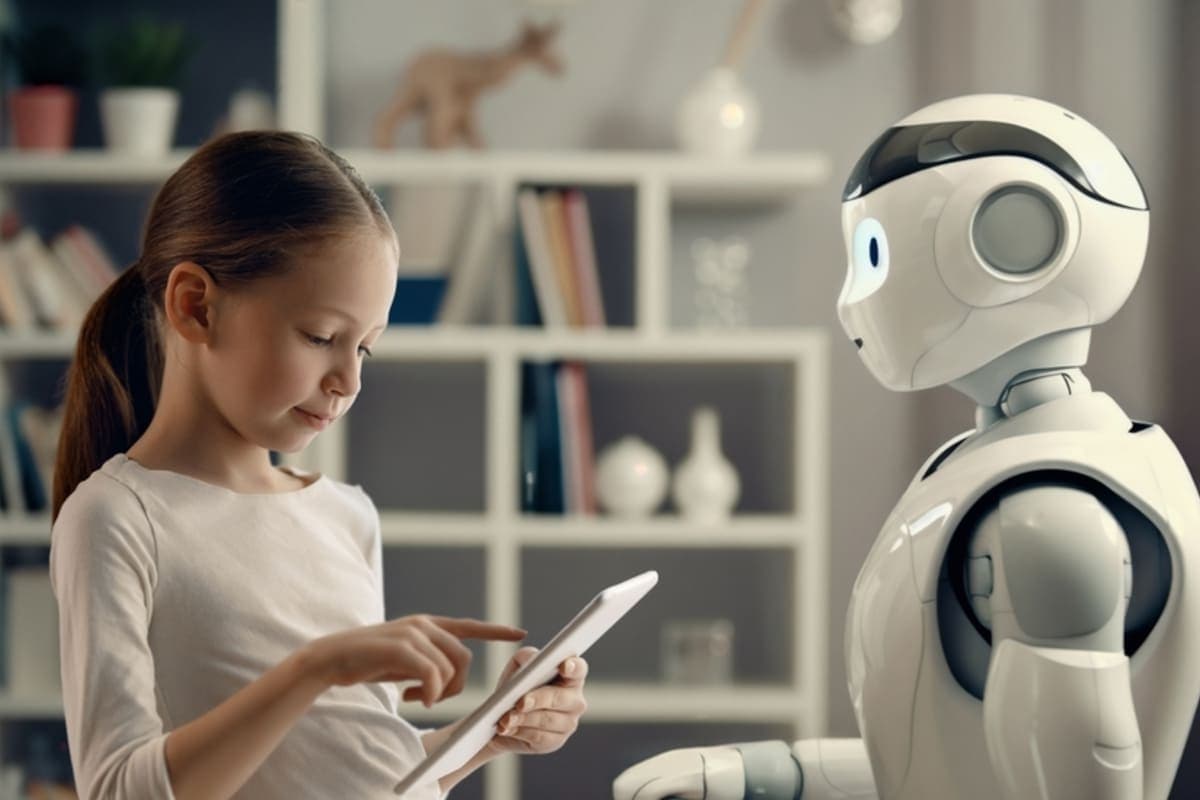
- OpenAI is developing a screenless smart speaker that uses ChatGPT to anticipate user needs proactively
- The device will include cameras and moving mechanical parts, designed with former Apple chief Jony Ive
- Privacy and data access remain the central tension as the product aims to learn intimate household patterns
OpenAI is building its first consumer hardware product: a movable, screenless smart speaker powered by ChatGPT. The device, still in development, aims to become a proactive AI companion that understands household context, anticipates needs, and responds without requiring users to open an app or stare at a screen. It represents OpenAI's biggest bet yet that AI interaction should escape the display entirely.
According to Bloomberg reporting cited by Reuters, the speaker will answer questions, control smart home appliances, play media, and respond to messages. But unlike Amazon Echo or Google Nest devices that wait passively for wake words, OpenAI's product is designed to learn its owner over time. It will connect to personal data, including emails and messages, to deliver context-aware assistance before being asked.
Internally, the company describes it as a "humanlike AI companion that lives in the home." That phrase captures both the ambition and the risk. The more intimate the understanding, the more useful the device becomes. The more intimate the data collection, the more questions arise about surveillance, security, and trust.
What makes this different from existing smart speakers?
Conventional smart speakers are fundamentally reactive. You ask Alexa for the weather; Alexa tells you. OpenAI's proposition is that a device built on large language models can do something categorically different: infer what you need based on accumulated context and offer it without a prompt.
The hardware itself reflects that ambition. The device will include cameras and sensors to understand its physical surroundings. It will have mechanical components that move independently, creating what OpenAI hopes feels like a living presence rather than a static box waiting for commands.
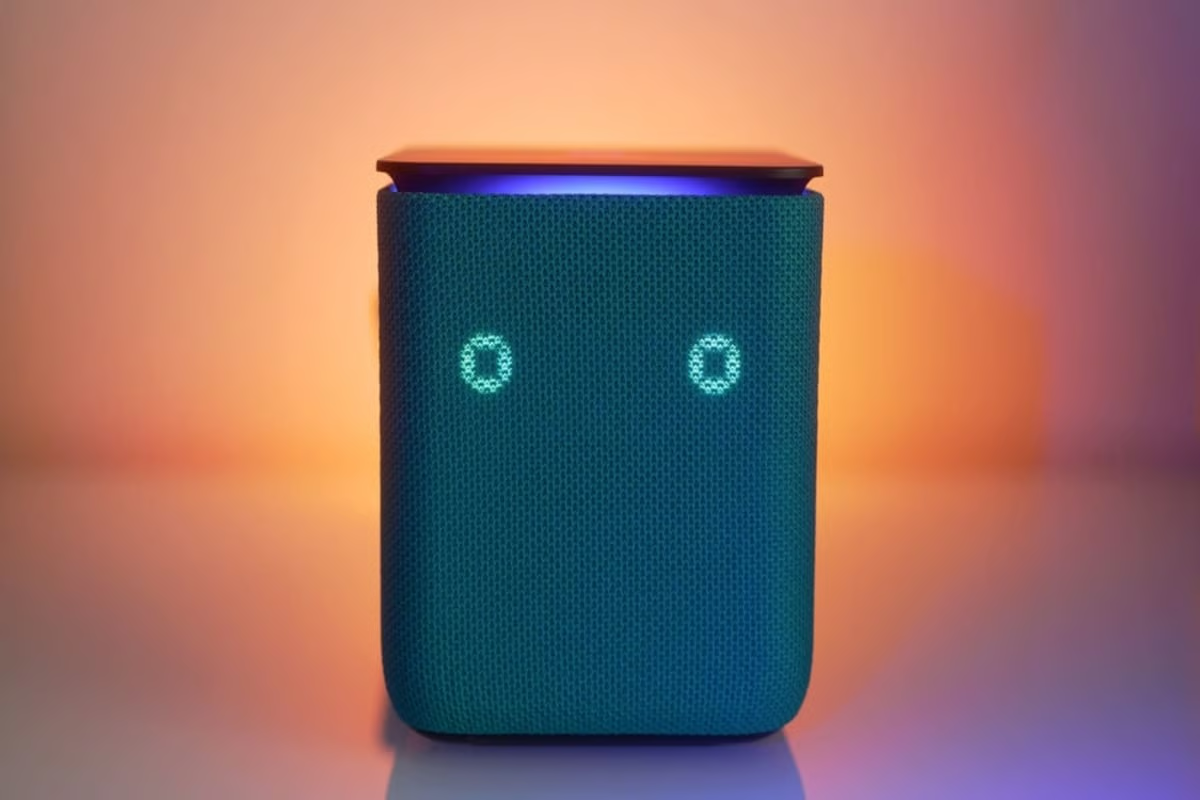
The "movable" label needs clarification. This is not a robot that wanders your living room autonomously. Reports indicate the device is portable, easy to carry between rooms, with expressive mechanical elements that animate during interactions. Think less Roomba, more Pixar lamp.
Jony Ive's fingerprints on the design
The project builds on OpenAI's collaboration with Jony Ive, the former Apple design chief who shaped the iPhone, iPod, and iMac. Ive's io Products team officially merged with OpenAI in July 2025. His design philosophy, which emphasizes technology that recedes into the background, aligns with a screenless device meant to feel natural rather than demanding.
Ive has previously said that "when something exceeds your ability to understand how it works, it sort of becomes magical." That sentiment seems to inform this product's core idea: AI that simply knows what you need, without requiring you to understand prompts, interfaces, or menus.

The privacy tension at the center
A device that reads your emails, listens to your household, watches through cameras, and learns your routines is either incredibly useful or deeply invasive. The difference depends entirely on how OpenAI handles data, and whether consumers trust those assurances.
This tension may define whether the product succeeds. Amazon's Alexa faced years of backlash over recordings reviewed by human contractors. Apple positioned HomePod as privacy-first but struggled to match competitors on capability. OpenAI is attempting the harder path: maximum context awareness alongside consumer trust.
For product teams building AI applications, the lesson is clear. Personalization requires data. Data requires trust. Trust requires transparency about what's collected, how it's used, and what controls users have. OpenAI's hardware launch will be a public test of whether that balance is achievable at scale.
A new computing interface, not just a better speaker
OpenAI reportedly views this device not as a smart speaker competitor but as a new form of computer built for the AI era. The value proposition is not better answers to voice queries. It's a shift in how people interact with technology: from tapping, typing, and swiping to simply living alongside an AI that observes, understands, and assists.
If that sounds familiar, it should. Every major platform shift, from command lines to GUIs to touchscreens, has redefined what a computer is. OpenAI is wagering that natural language and environmental awareness become the next interface layer, reducing the importance of apps, menus, and screens.
Whether consumers want that relationship with an AI device in their homes remains an open question. The smart speaker market has plateaued. Adoption is broad but shallow. Most owners use them for timers and music. OpenAI is betting that adding genuine intelligence changes the equation entirely.
Logicity's Take
For AI builders, this is less about OpenAI entering hardware and more about what it signals: the most valuable AI companies will own the interaction layer, not just the model. If OpenAI succeeds, the screenless home device becomes prime real estate for third-party integrations. Teams building smart home tools, personal productivity apps, or voice-first experiences should watch how OpenAI structures its ecosystem access. The Alexa Skills model generated limited developer value. OpenAI may need something fundamentally different, perhaps agent-to-agent protocols that let external AI services plug into a home context layer. Pricing and platform economics remain unknown, but this is the clearest sign yet that ambient AI, not chatbots, is where OpenAI sees the future.
Frequently Asked Questions
When will OpenAI's hardware device launch?
OpenAI has not announced a release date. The device remains under development as of July 2025, following the merger with Jony Ive's io Products team.
Will the OpenAI speaker have a screen?
No. The device is designed as a screenless speaker with cameras, sensors, and mechanical movement to enable interactions without a visual display.
How is OpenAI's device different from Amazon Echo?
Unlike Echo's reactive, command-driven approach, OpenAI's speaker is designed to proactively anticipate user needs based on accumulated context from emails, messages, and household patterns.
What role does Jony Ive play in OpenAI's hardware?
Jony Ive's io Products team merged with OpenAI in July 2025. Ive, the former Apple design chief, is reportedly shaping the device's physical design and interaction philosophy.
What privacy concerns does the OpenAI home device raise?
The device's access to personal emails, messages, and household observation through cameras raises significant questions about data security, surveillance, and how OpenAI will protect intimate information.
Need Help Implementing This?
Logicity helps product teams build AI-powered applications and voice-first experiences. If you're exploring ambient AI, home device integrations, or agent-based architectures, reach out at logicity.in/contact.
Source: Economy Middle East
OpenAI also launches $70 ChatGPT basketball and branded merchandise
The new article reveals OpenAI also released a $70 ChatGPT basketball alongside the speaker/keyboard, part of a 'Pause. Play. Prompt.' campaign promoting offline creativity. It also mentions OpenAI is selling inspirational merchandise with slogans like 'Good research takes time.'
Huma Shazia
Senior AI & Tech Writer
Produced with AI assistance and reviewed by the Logicity editorial team. Learn more in our Editorial Policy.