Key Takeaways
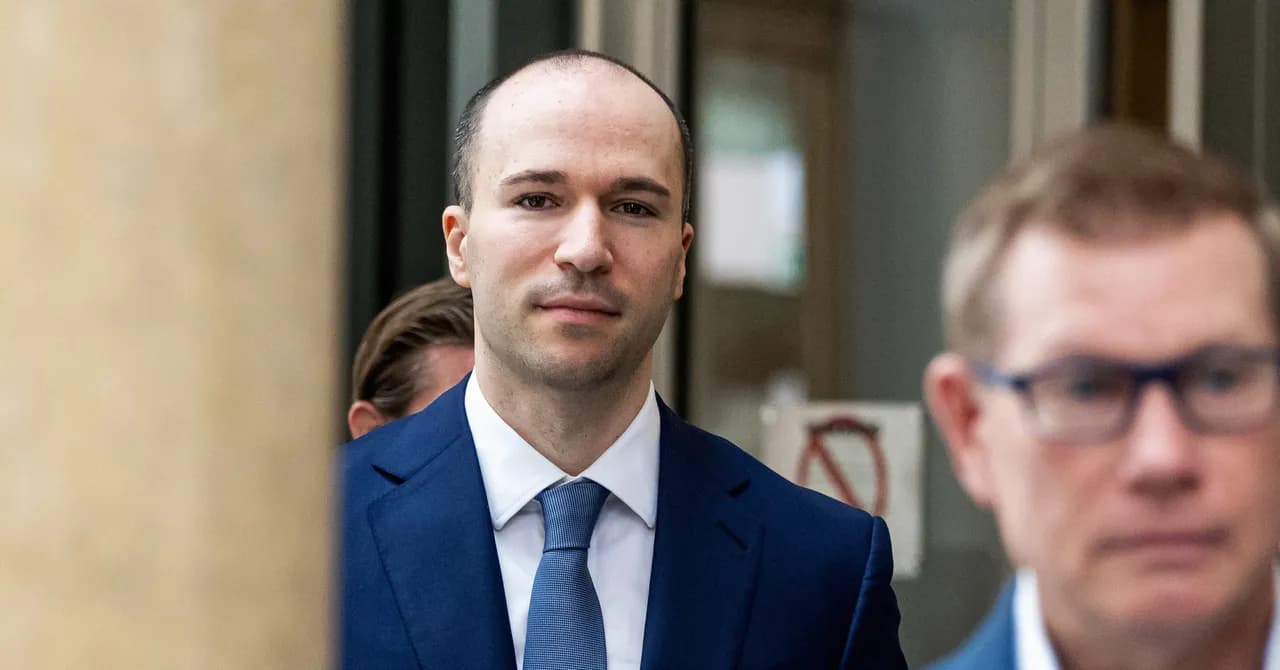
- Seven current OpenAI employees have donated over $215,000 to Guardrails Alliance, a pro-regulation super PAC directly opposing Leading the Future, which is backed by OpenAI president Greg Brockman
- The largest donation came from research engineer Juan Felipe Cerón Uribe, who gave $200,000 after four years working on AI harm mitigation at OpenAI
- This internal split highlights deepening tensions over AI regulation, with workers using personal funds to counter their own leadership's political efforts
Seven current OpenAI employees have donated more than $215,000 to Guardrails Alliance, a super PAC pushing for stricter AI regulations. Their target: Leading the Future, a $100 million pro-industry group bankrolled by their own company's president and cofounder, Greg Brockman. It's an unusual form of workplace dissent, employees funding political opposition to their boss's lobbying efforts.
Who is donating and why?
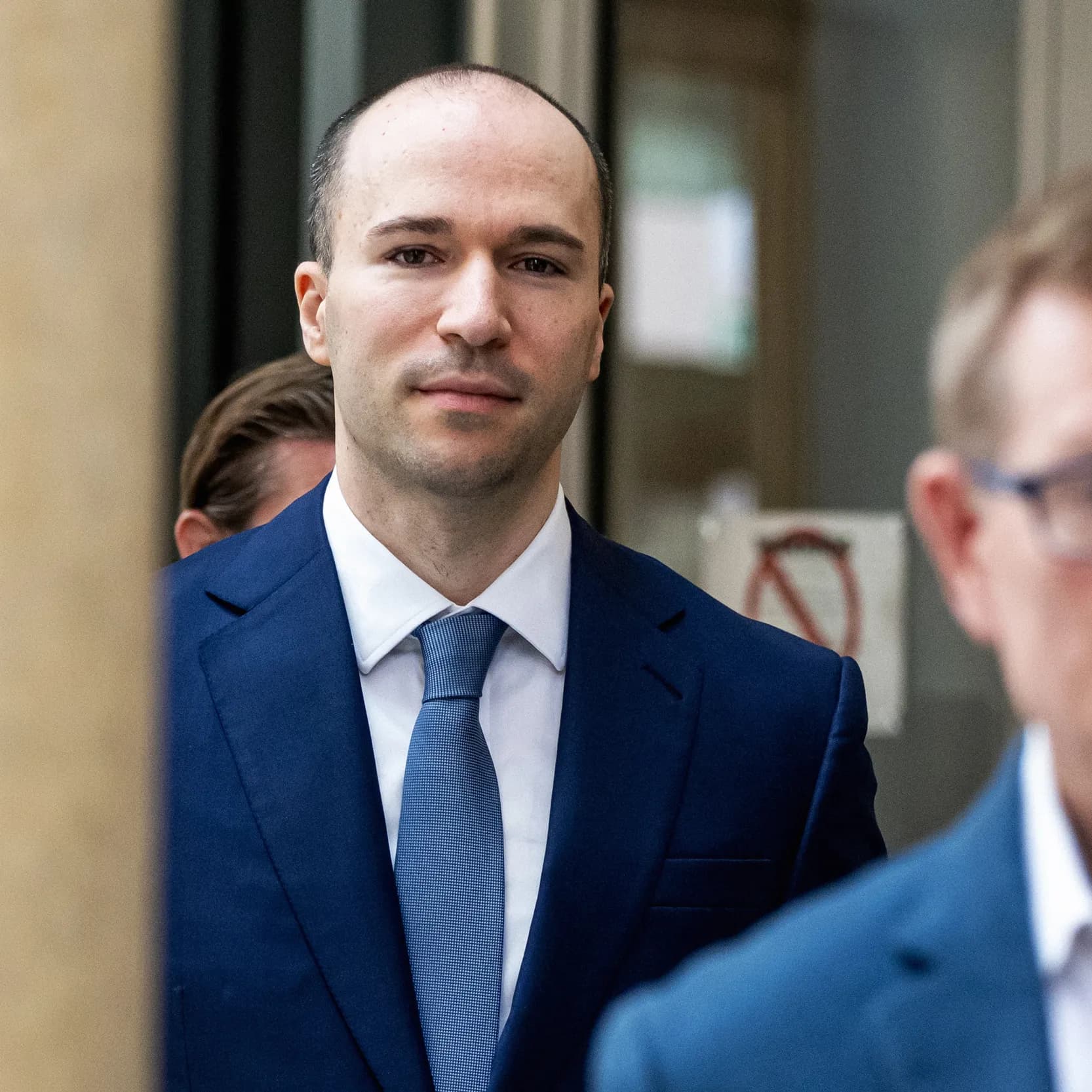
The largest contribution came from Juan Felipe Cerón Uribe, a research engineer at OpenAI since 2022, who gave $200,000 to Guardrails Alliance. Cerón Uribe spent four years working on strategies to mitigate potential societal harms caused by AI. His statement to WIRED was blunt about his motivations.
“I've become concerned that all that research will have gone to waste if it doesn't translate to guardrails that hold private companies accountable for the responsible development of AI. Tech billionaires, such as Greg Brockman, funded the super PAC Leading the Future to keep AI unregulated. I was very happy to learn that Guardrails Alliance is pushing back against LTF; my decision to donate to them was easy.”
— Juan Felipe Cerón Uribe, OpenAI Research Engineer
Gabriel Wu, an OpenAI safety researcher, donated $5,000. His reasoning echoed Cerón Uribe's concerns about unchecked AI development and the political spending aimed at blocking regulation.
WIRED obtained donor information directly from Guardrails Alliance before its first FEC quarterly filing becomes public on July 15. Two OpenAI employees will appear in that filing, with five more scheduled for future disclosures. One former employee also contributed.
The money gap between the two PACs
Guardrails Alliance launched last month with $5 million in initial funding and aims to raise $15 million this election cycle. Leading the Future, by contrast, launched last summer with over $100 million from technology industry leaders. Brockman and his wife Anna alone committed $50 million.
Shaunna Thomas, a Guardrails Alliance cofounder and longtime Democratic political organizer, told WIRED she's not worried about being outspent 20 to 1. Her argument: public opinion already favors AI regulation, and exposing industry PAC spending triggers backlash.
“We're not going to match our opponents dollar-for-dollar, we don't have to. When you expose what the AI PACs are doing, the people reject it. We're leveraging public opinion that already exists, and it's less expensive to do that.”
— Shaunna Thomas, Guardrails Alliance Cofounder
What has Leading the Future actually done?
Leading the Future states its goal is to "oppose policies that stifle innovation" and figures "who support that agenda." One early target: Alex Bores, author of New York's landmark AI safety law, whose congressional campaign the PAC worked to defeat. Bores lost his primary election last month. The group has since backed pro-industry candidates across the country.
OpenAI's global affairs chief, Chris Lehane, previously told WIRED he helped set up Leading the Future and has consulted Brockman on political giving, though he's not involved in daily operations. When reached for comment on this story, an OpenAI spokesperson pointed to a June blog post clarifying that Brockman's involvement is personal, not on behalf of the company.
The blog post also noted that OpenAI "employees are free to participate in the political process in their personal capacities, including by donating or providing advice to candidates, campaigns, and political organizations." That freedom is now being exercised in a direction leadership likely didn't anticipate.
Internal tensions at OpenAI
Brockman's donations to Leading the Future have already sparked concern inside OpenAI. Employees pressed executives to explain the company's ties to the super PAC. Leadership tried to distance OpenAI from the group. Now some workers are spending their own money to directly counter it.
This follows a turbulent period for OpenAI. The 2023 board drama that briefly ousted Sam Altman exposed deep disagreements over safety and commercialization. Several prominent safety researchers have departed. The company's transition from nonprofit to capped-profit to its current for-profit trajectory has drawn criticism from former insiders.
Thomas said the threat of $100 million in PAC spending creates a chilling effect on politicians considering AI regulation. "Politicians proposing new regulations on the AI industry would have a very hard time advancing that conversation when they have a $100 million threat hanging over them."
Logicity's Take
For AI product teams, this story matters beyond the political theater. The employees donating aren't random engineers. Cerón Uribe spent four years on harm mitigation. Wu is a safety researcher. These are people who see the internal safety work and apparently concluded that external pressure is necessary to ensure it's implemented. If you're building with OpenAI's APIs or competing against their products, the tension between safety research and deployment speed is now playing out in campaign finance disclosures. That's a signal about organizational priorities worth watching.
What happens next?
Guardrails Alliance's first FEC filing goes public July 15, revealing the full donor list. The group bills itself as a populist effort backed by tech workers, labor unions, and other organizations. Its $15 million fundraising goal would let it follow Leading the Future into more political races.
The donations from OpenAI's rank-and-file are small compared to Brockman's $50 million commitment. But they represent something money can't easily buy for Leading the Future: credibility on safety claims. When your own AI safety researchers fund the opposition, the argument that regulation stifles beneficial innovation gets harder to make.
Frequently Asked Questions
How much have OpenAI employees donated to Guardrails Alliance?
Seven current OpenAI employees and one former employee have donated more than $215,000 total, with research engineer Juan Felipe Cerón Uribe contributing $200,000.
What is Leading the Future super PAC?
Leading the Future is a pro-AI industry super PAC with over $100 million in funding from tech leaders including OpenAI president Greg Brockman. It aims to oppose policies and politicians that support AI regulation.
Is OpenAI officially connected to Leading the Future?
OpenAI states that Brockman's involvement is in a personal capacity, not on behalf of the company. However, OpenAI's global affairs chief Chris Lehane helped set up the PAC and has consulted Brockman on political giving.
What is Guardrails Alliance?
Guardrails Alliance is a super PAC launched with $5 million in initial funding that pushes for stricter AI regulations. It's backed by tech workers, labor unions, and other groups, and aims to raise $15 million this election cycle.
When will the full Guardrails Alliance donor list be public?
The first quarterly FEC filing becomes public on July 15, 2025, revealing two OpenAI employees. Additional employees will appear in future disclosures.
Need Help Implementing This?
Logicity helps technical teams navigate AI policy and product strategy. Contact us for analysis on how regulatory shifts affect your roadmap.
Source: Feed: Artificial Intelligence Latest / Maxwell Zeff
Huma Shazia
Senior AI & Tech Writer
Produced with AI assistance and reviewed by the Logicity editorial team. Learn more in our Editorial Policy.