Key Takeaways
SK Hynix Raises $26.5B in Top Foreign Debut in US | The Asia Trade 7/10/2026
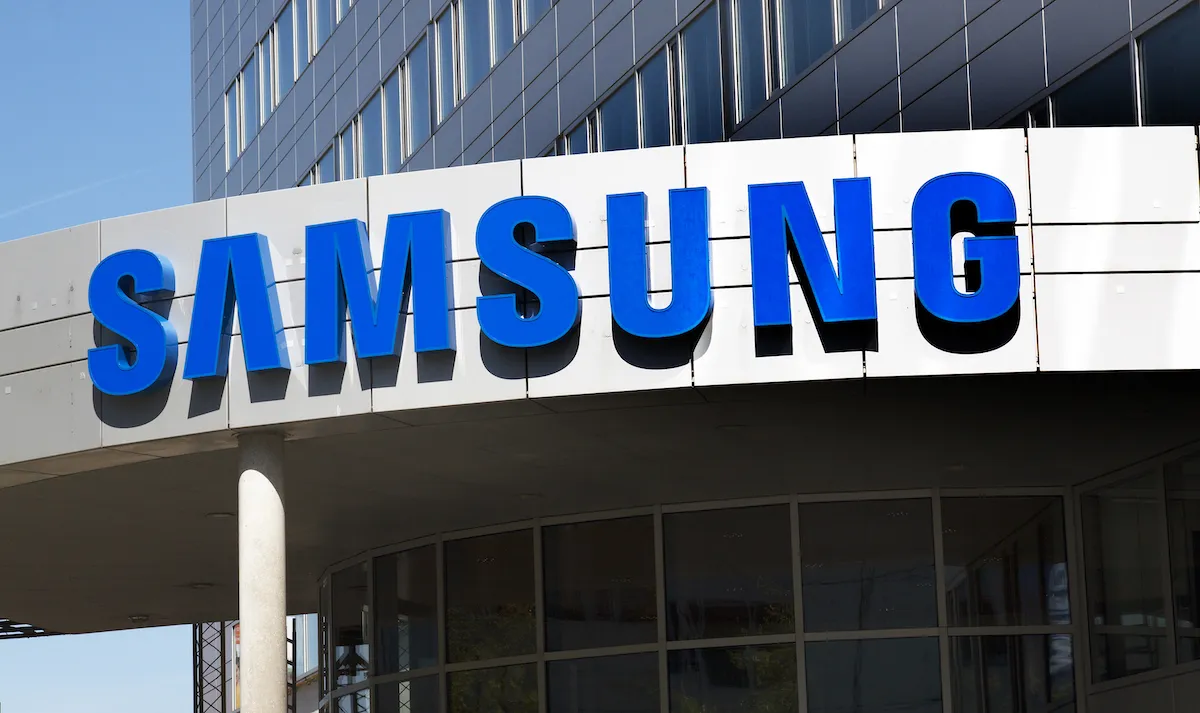
- Samsung is exploring a US listing through American depositary receipts, though a spokesperson denies the company is considering issuing ADRs
- SK Hynix's $26.5 billion US IPO, the largest ever by a foreign company, has revived Samsung's interest in a stateside listing
- Samsung's complex business portfolio and ongoing labor disputes could complicate any deal structure
Samsung is laying groundwork for a potential US stock listing, according to Bloomberg News. The Korean tech giant has held preliminary talks with banks about offering American depositary receipts, though no final decision has been made.
Here's the twist: a Samsung spokesperson told Bloomberg the company isn't considering issuing ADRs. But sources familiar with the matter say Samsung reviewed and rejected ADR offerings before. What changed? SK Hynix.
Why SK Hynix's record IPO matters for Samsung
Last week, SK Hynix raised $26.5 billion in the largest US stock market listing ever by a foreign company. The deal demonstrated that American investors have a strong appetite for companies central to the global AI buildout. Memory chip stocks, once considered cyclical plays, now carry strategic weight.
Samsung will reportedly weigh the health of memory chip stocks when deciding whether to proceed. The timing makes sense. SK Hynix's successful debut suggests the window for Korean semiconductor companies may be open.
What makes Samsung's deal more complicated
Unlike SK Hynix, which focuses primarily on memory chips, Samsung runs an expansive conglomerate. The company manufactures smartphones, TVs, home appliances, displays, and semiconductors. It operates foundry services competing with TSMC. It builds the chips that power devices from Apple to Nvidia customers.
Bloomberg's sources say this sprawling portfolio makes structuring a US deal harder. Investors buying ADRs would get exposure to Samsung's entire business, not a pure-play semiconductor company.
Ongoing labor disputes add another wrinkle. Samsung's Korean facilities have faced operational challenges from worker actions. Any prospectus would need to address these risks, potentially spooking investors who prize stability in chip supply.
Samsung's trillion-dollar positioning
Samsung recently joined the trillion-dollar market cap club, a list that includes Walmart, Eli Lilly, and the major AI hyperscalers. These companies share a common trait: they control critical bottlenecks in systems the broader economy depends on.
For Samsung, that bottleneck is semiconductors. The company ranks among the world's most important memory chip producers. It manufactures the DRAM and NAND that power data centers, smartphones, and AI training clusters. In an economy constrained by compute capacity and chip availability, that position carries extraordinary value.

A US listing could help Samsung close the "Korea discount," an estimated 30% valuation gap between Korean stocks and global peers. Korean companies have historically traded at lower multiples due to governance concerns, complex ownership structures, and limited foreign investor access. ADRs would make Samsung shares far easier for American institutions to buy and hold.
The stakes for US investors
If Samsung proceeds, American investors would gain direct access to a company with a $1.2 billion market cap and a workforce exceeding 266,000 people globally. The company has committed over $17 billion to Texas semiconductor facilities, aligning with US policy goals under the CHIPS Act.

For fintech and finance teams tracking AI infrastructure investments, Samsung's potential listing offers a different angle than pure-play AI software companies. Memory chips sit upstream in the AI supply chain. When compute demand grows, memory demand follows.
Logicity's Take
Samsung's denial versus Bloomberg's sourcing tells a familiar story: companies often explore listings quietly before committing publicly. The real signal here is SK Hynix's success. At $26.5 billion, that IPO proved US markets will pay full freight for Asian semiconductor exposure. If Samsung can navigate its portfolio complexity and labor issues, a US listing could finally eliminate the Korea discount that has frustrated international investors for years. For fintech teams modeling semiconductor supply chains, Samsung ADRs would offer the clearest single-ticker exposure to memory, displays, and foundry services simultaneously.
Frequently Asked Questions
What are American depositary receipts?
ADRs are certificates issued by US banks representing shares of a foreign company. They trade on US exchanges like regular stocks, making it easier for American investors to buy foreign companies without dealing with overseas brokerages or currency conversion.
Why would Samsung want a US listing?
A US listing could help Samsung close the Korea discount, where Korean stocks trade at roughly 30% lower valuations than global peers. ADRs would also increase visibility with American institutional investors and align with Samsung's growing US manufacturing presence.
How does SK Hynix's IPO affect Samsung's decision?
SK Hynix raised $26.5 billion in the largest US IPO by a foreign company, demonstrating strong investor demand for AI-related semiconductor stocks. This success reportedly revived Samsung's interest in pursuing its own US listing.
What obstacles could block Samsung's US listing?
Samsung's diverse business portfolio makes deal structuring complex. Ongoing labor disputes at Korean facilities add risk. The company also needs favorable memory chip stock valuations to justify the timing.
Another major Asian company navigating capital markets and public listing considerations
Need Help Implementing This?
Want help tracking semiconductor supply chain investments or building models for AI infrastructure exposure? Reach out to the Logicity team for strategic guidance.
Source: PYMNTS | / PYMNTS
Manaal Khan
Tech & Innovation Writer
Produced with AI assistance and reviewed by the Logicity editorial team. Learn more in our Editorial Policy.