Key Takeaways
- Nissan sold only 724 EVs in the U.S. during Q1 2026, down 89% from the previous year
- The Canton, Mississippi plant will now produce hybrids and gas vehicles, including a new Xterra SUV
- The $7,500 federal EV tax credit's end and broader affordability concerns drove the decision
Nissan has abandoned its plans to manufacture electric vehicles in the United States. The company confirmed to Automotive News that it will no longer produce EVs at its Canton, Mississippi plant, citing the need to "better align with market conditions, customer demand, and Nissan's updated strategy."
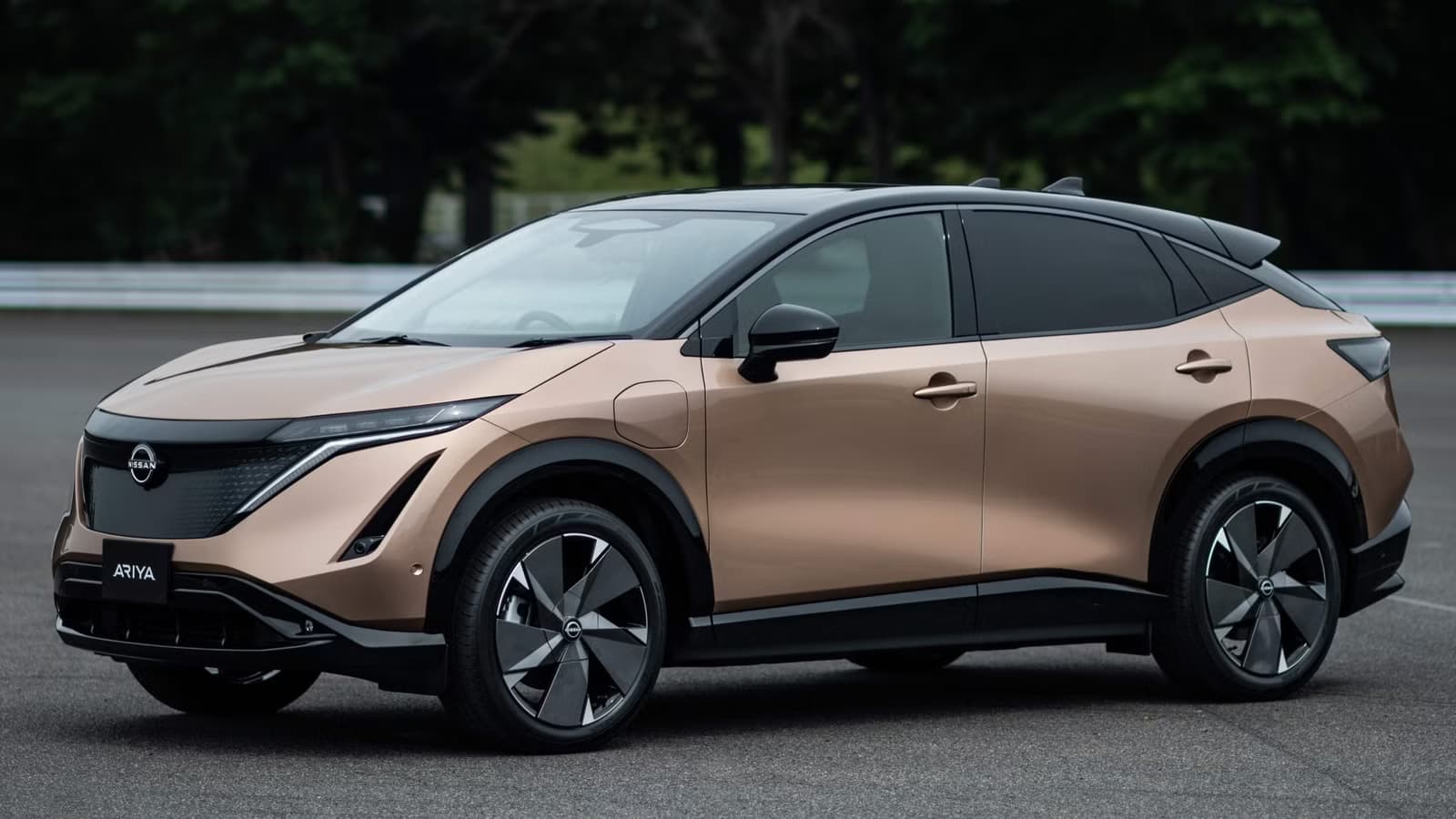
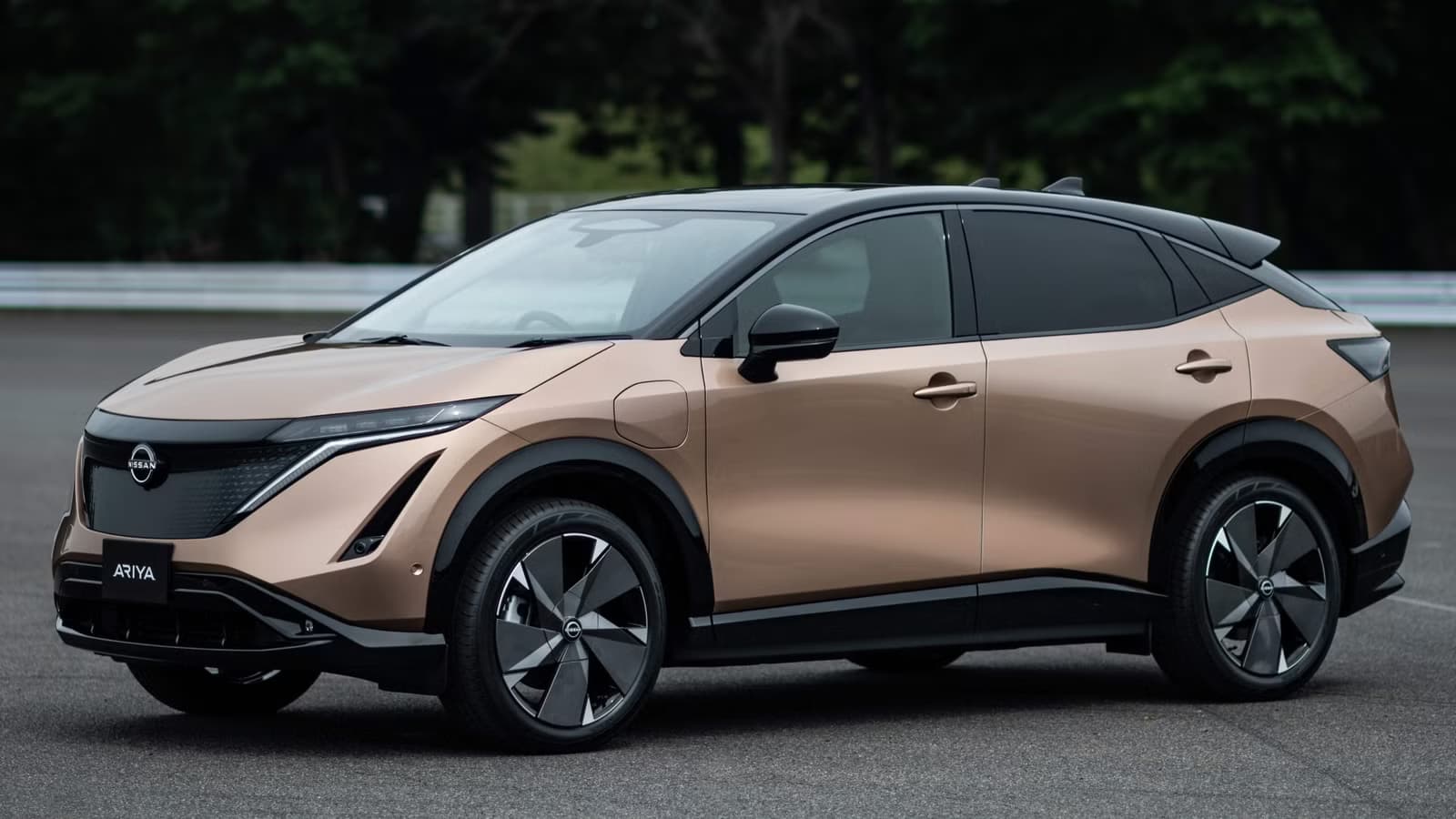
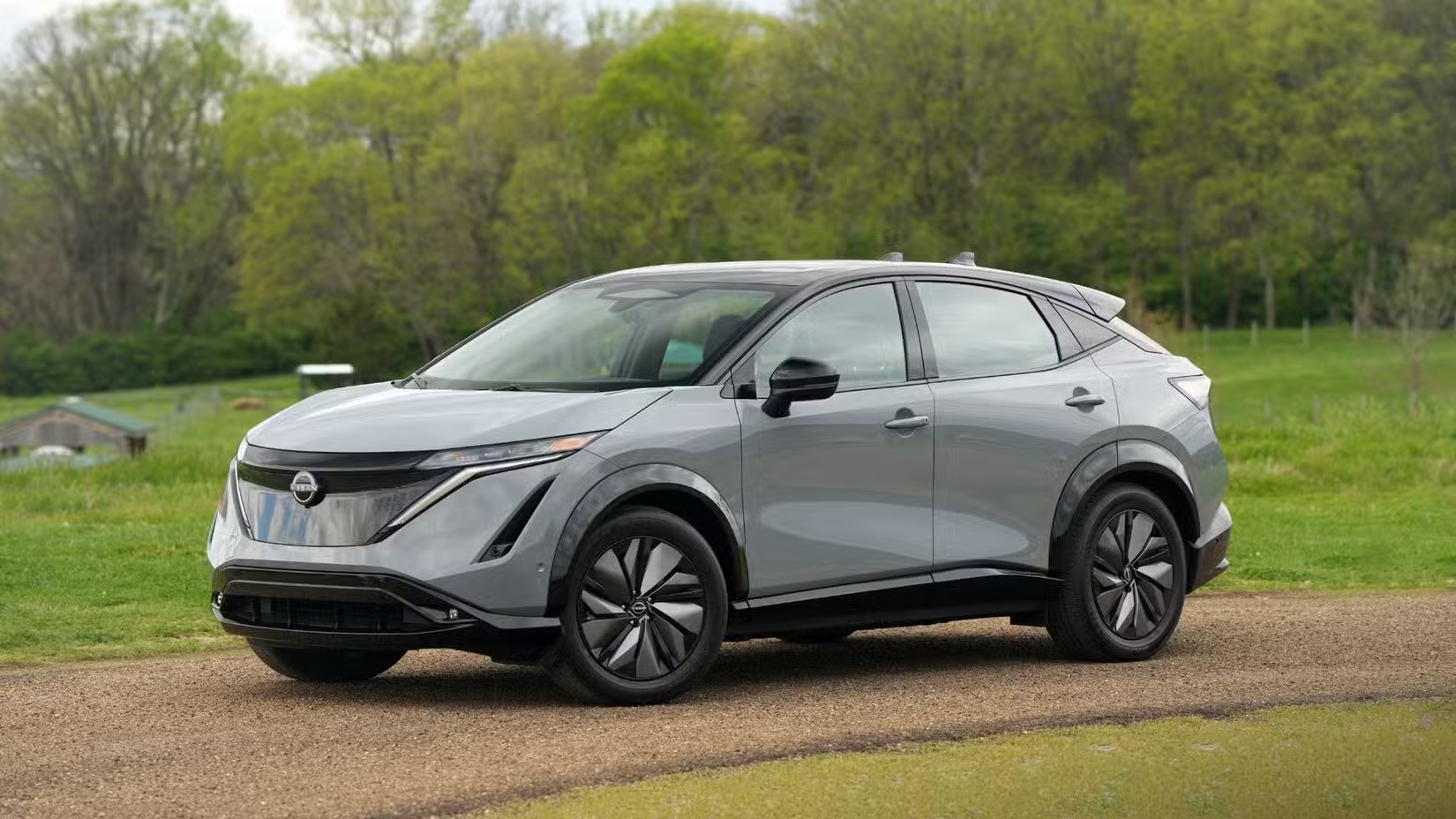
The numbers tell a brutal story. In Q1 2026, Nissan sold just 724 electric vehicles in America. That's an 89% drop from the same period last year. With its sole EV, the Ariya, already cancelled in 2025, Nissan has no electric cars left to sell in the U.S. market.
What Happened to Ambition 2030
In 2021, Nissan unveiled its Ambition 2030 strategy. The plan was ambitious: revamp the Canton plant to build EVs and batteries, including models for the Infiniti luxury brand. The company targeted 200,000 EV sales in the U.S. by 2028.
That vision has collapsed. Nissan only ever produced the Ariya SUV at the Canton facility. The Leaf, once a pioneer in affordable EVs, is primarily manufactured in the U.K. When Nissan cancelled the Ariya and two electric sedans in 2025, it effectively ended its American EV production ambitions.
The Tax Credit Problem
Two forces killed Nissan's EV plans: affordability and incentives.
The end of the $7,500 federal EV tax credit removed a major purchasing incentive for American buyers. Combined with a broader affordability crisis, fewer consumers can justify the premium prices EVs command. Nissan's electric offerings, already struggling against Tesla and domestic competitors, couldn't survive the one-two punch.
The Hybrid Pivot
Canton won't sit idle. Nissan is redirecting the plant toward hybrids and conventional gas vehicles. The lineup includes a body-on-frame Xterra SUV due by 2028, a new Frontier pickup, and three additional models.
The company is betting big on hybrid technology. The 2027 Rogue e-POWER and a plug-in hybrid Pathfinder (marketed as Terrano in some regions) will anchor this strategy. These vehicles offer fuel efficiency and lower emissions without the range anxiety or infrastructure dependence of pure EVs. They also cost less.
For Nissan, hybrids represent a middle ground. The company is in the midst of a broader turnaround effort, struggling to keep pace with competitors across its entire vehicle lineup. Simpler, cheaper-to-produce hybrids give Nissan a path to environmental credibility without the margin pressure of full electrification.
Nissan Isn't Alone
The retreat from American EV production extends beyond Nissan. Ford and GM have shrunk their electrified lineups. Volkswagen recently halted ID.4 production at its Chattanooga, Tennessee plant, shifting to the gas-powered Atlas instead.
All these manufacturers say they remain committed to EVs. But none have announced near-term plans to resume or expand electric vehicle production. The pattern is clear: without robust federal incentives and improved consumer affordability, legacy automakers are pulling back from the U.S. EV market.
Logicity's Take
What This Means Going Forward
Nissan's decision reflects market reality, not a rejection of electrification as a concept. When federal incentives existed and gas prices spiked, EVs made financial sense for more buyers. Remove those conditions, and the math changes.
The company hasn't said EVs are dead. It's said EVs don't make sense for its American manufacturing right now. That distinction matters. If incentives return or battery costs drop significantly, automakers could pivot again. For now, hybrids offer Nissan a way to stay relevant in the efficiency conversation without betting the factory on a market that isn't buying.
Frequently Asked Questions
Why did Nissan stop making EVs in the US?
Nissan cited market conditions, customer demand, and strategy alignment. Specifically, U.S. EV sales dropped 89% in Q1 2026, and the end of the $7,500 federal tax credit reduced buyer incentives.
What will Nissan's Canton, Mississippi plant produce now?
The plant will focus on hybrids and gas vehicles, including a new body-on-frame Xterra SUV (by 2028), a new Frontier pickup, and three other models.
Is the Nissan Ariya still available in the US?
No. Nissan cancelled the Ariya and two electric sedans in 2025. The company currently has no EVs for sale in the American market.
Are other automakers also pulling back on US EV production?
Yes. Ford, GM, and Volkswagen have all reduced their U.S. electrified vehicle production. Volkswagen halted ID.4 production in Tennessee to focus on the gas-powered Atlas.
What is Nissan's hybrid strategy?
Nissan is launching the 2027 Rogue e-POWER and a plug-in hybrid Pathfinder (Terrano). These vehicles offer efficiency benefits at lower cost without range anxiety.
Another major manufacturer rethinking platform strategy
Need Help Implementing This?
Source: How-To Geek
Huma Shazia
Senior AI & Tech Writer
Produced with AI assistance and reviewed by the Logicity editorial team. Learn more in our Editorial Policy.