Key Takeaways
- Rotate to zoom lets you control camera zoom by tilting your wrist in Camcorder mode
- New Pantone colorways with wood and Alcantara materials differentiate the lineup
- Software focus on personalization and productivity addresses previous Razr weaknesses
When new Android phones launch, hardware specs dominate the conversation. But for foldable phones, software often determines whether the device delivers on its form factor's promise. Motorola's Razr 2026 series makes this clear: the hardware looks modest on paper, but hands-on testing reveals software that finally matches the lineup's distinctive style.
Hardware That Stands Out
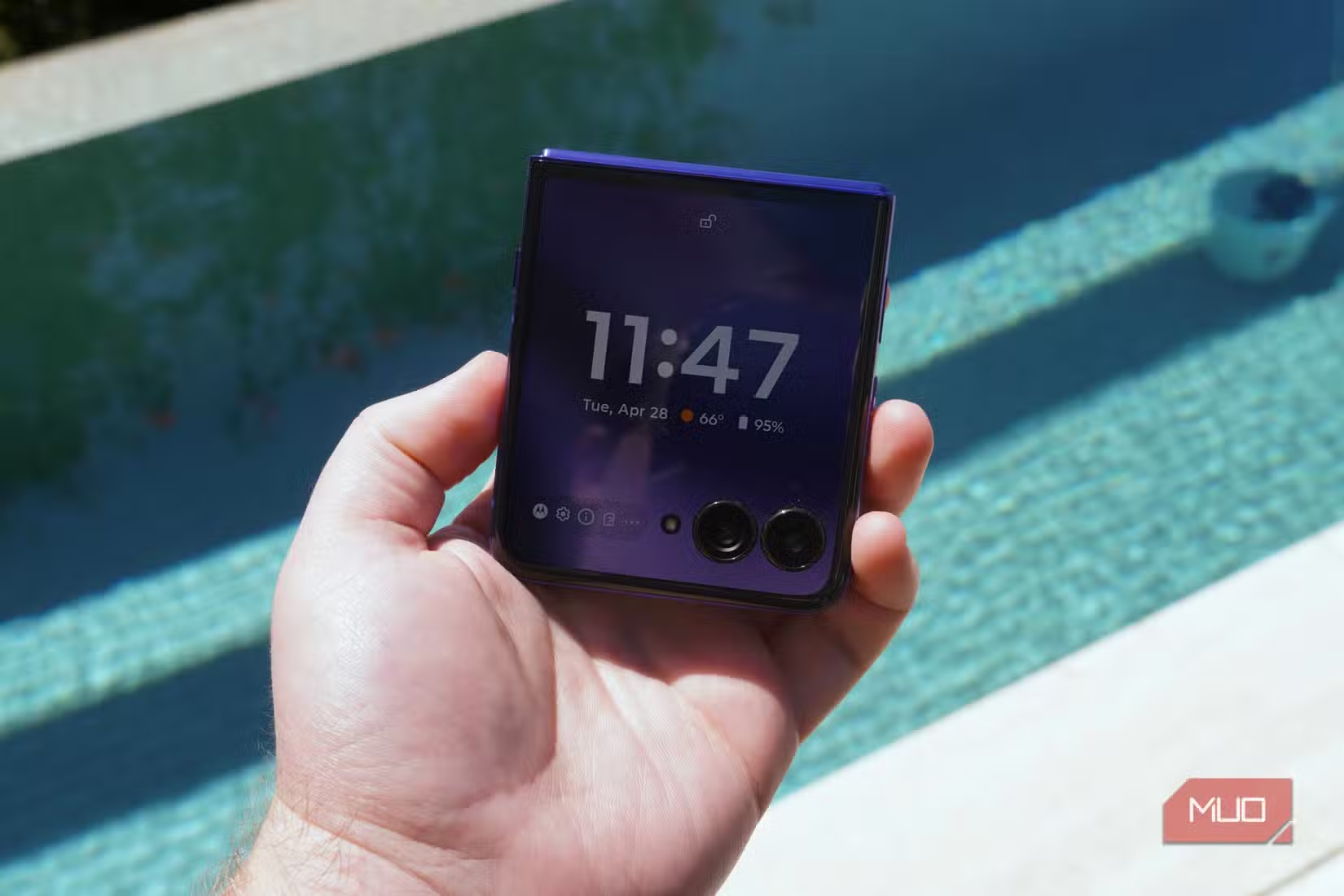
Motorola continues to differentiate its flip phones through materials and colors. The Razr 2026 lineup features Pantone colorways with unconventional materials like wood and Alcantara, a synthetic fabric typically found in luxury car interiors. These choices position the Razr as a fashion statement rather than just a spec sheet.
The Razr 2026 starts at $799.99, a $100 increase over the previous generation. Whether that premium feels justified depends largely on whether the software experience has improved enough to warrant it.
Camcorder Mode Gets Smarter
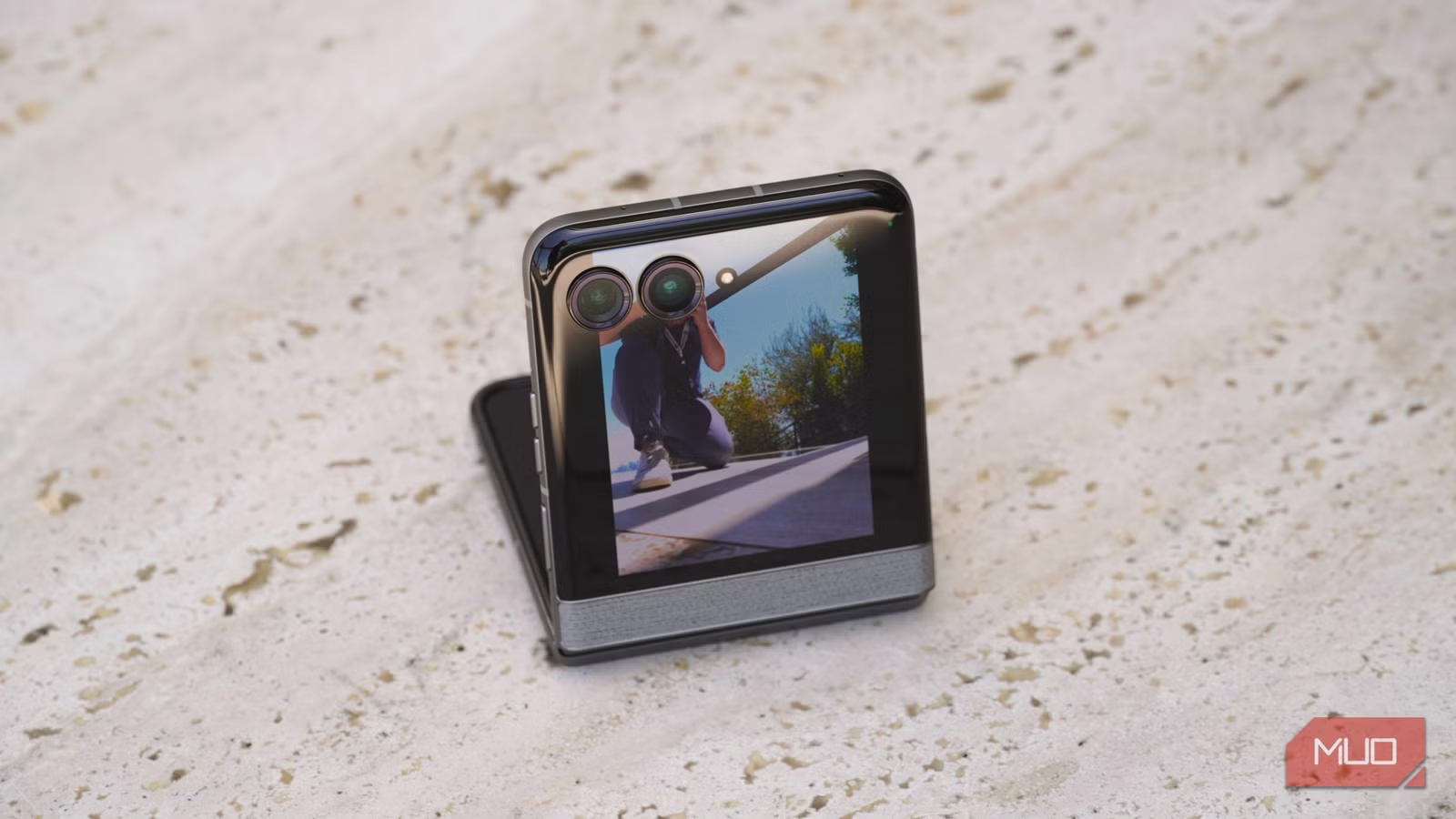
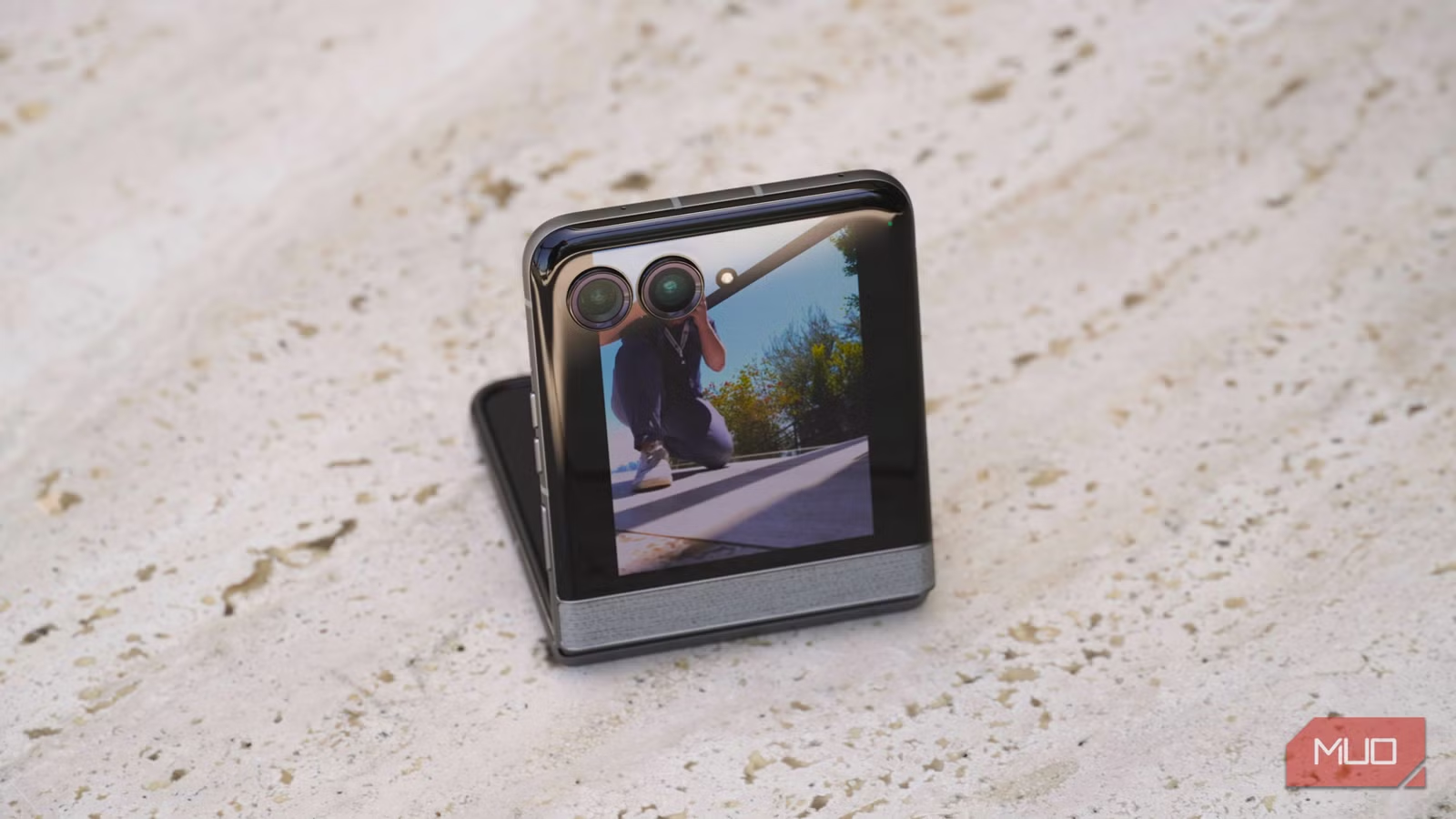
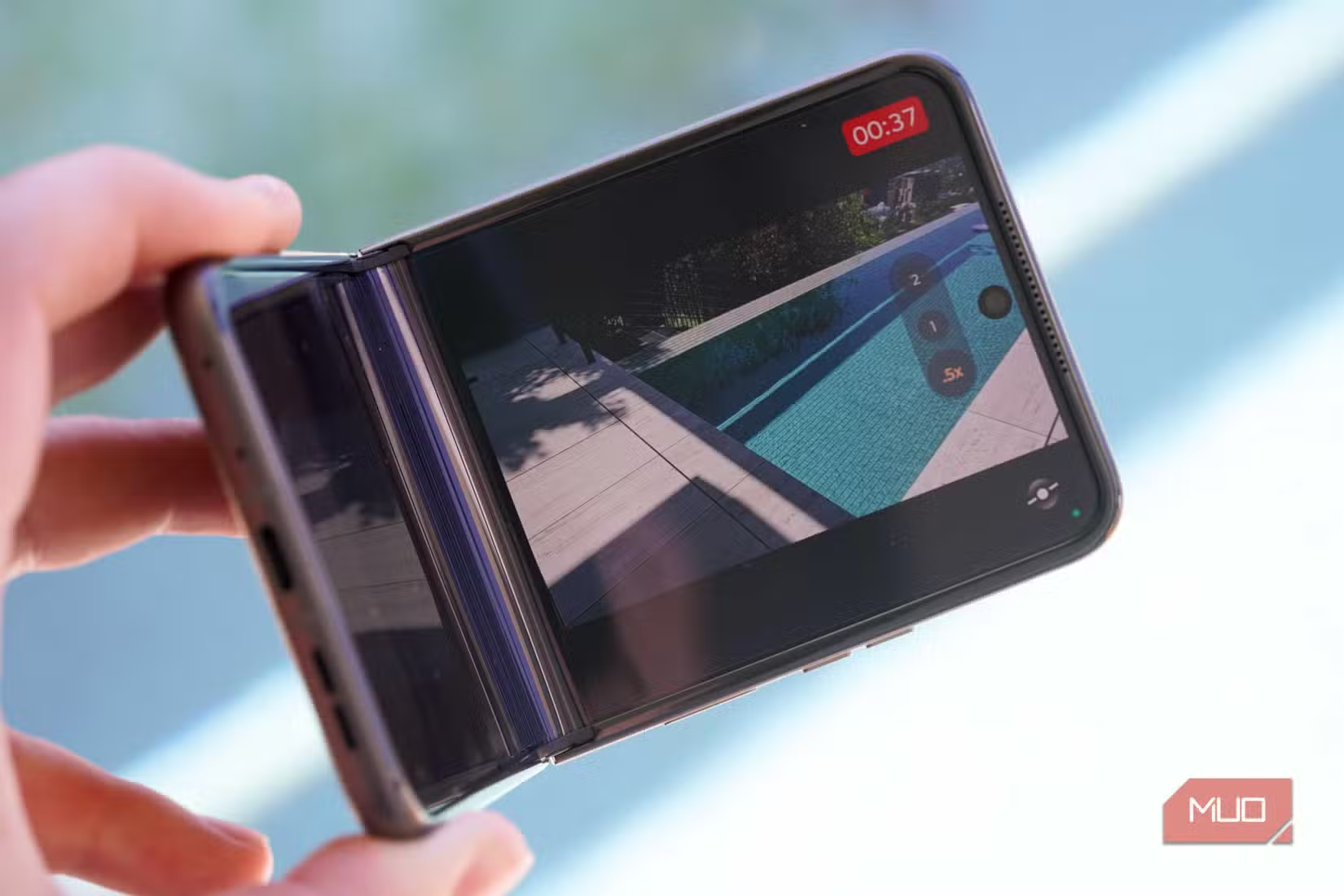
Flip phone owners already know about Camcorder mode, a feature that turns the half-folded phone into a vintage-style video recorder. Open the camera app, switch to video mode, and fold the display halfway. Recording starts immediately, with the top half showing the viewfinder and the bottom half providing touch controls.
Previous Razr models let you swipe up and down on the touchpad to control zoom while recording. The Razr 2026 introduces a more natural alternative: Rotate to zoom. Tilt your wrist while recording in Camcorder mode, and the camera zooms in or out accordingly. It sounds gimmicky until you try it. Adjusting zoom while holding a camera steady becomes intuitive rather than awkward.
External Display Preview remains available, letting subjects see themselves on the outer screen during recording. Combined with wrist-based zoom control, the feature set makes the Razr genuinely practical for content creators who work solo.
Personalization and Productivity
Foldable phones place extra demands on software. Cover screen functionality can make or break daily usability, and multitasking features need to justify the form factor's trade-offs. Motorola has addressed both with the Razr 2026 series.
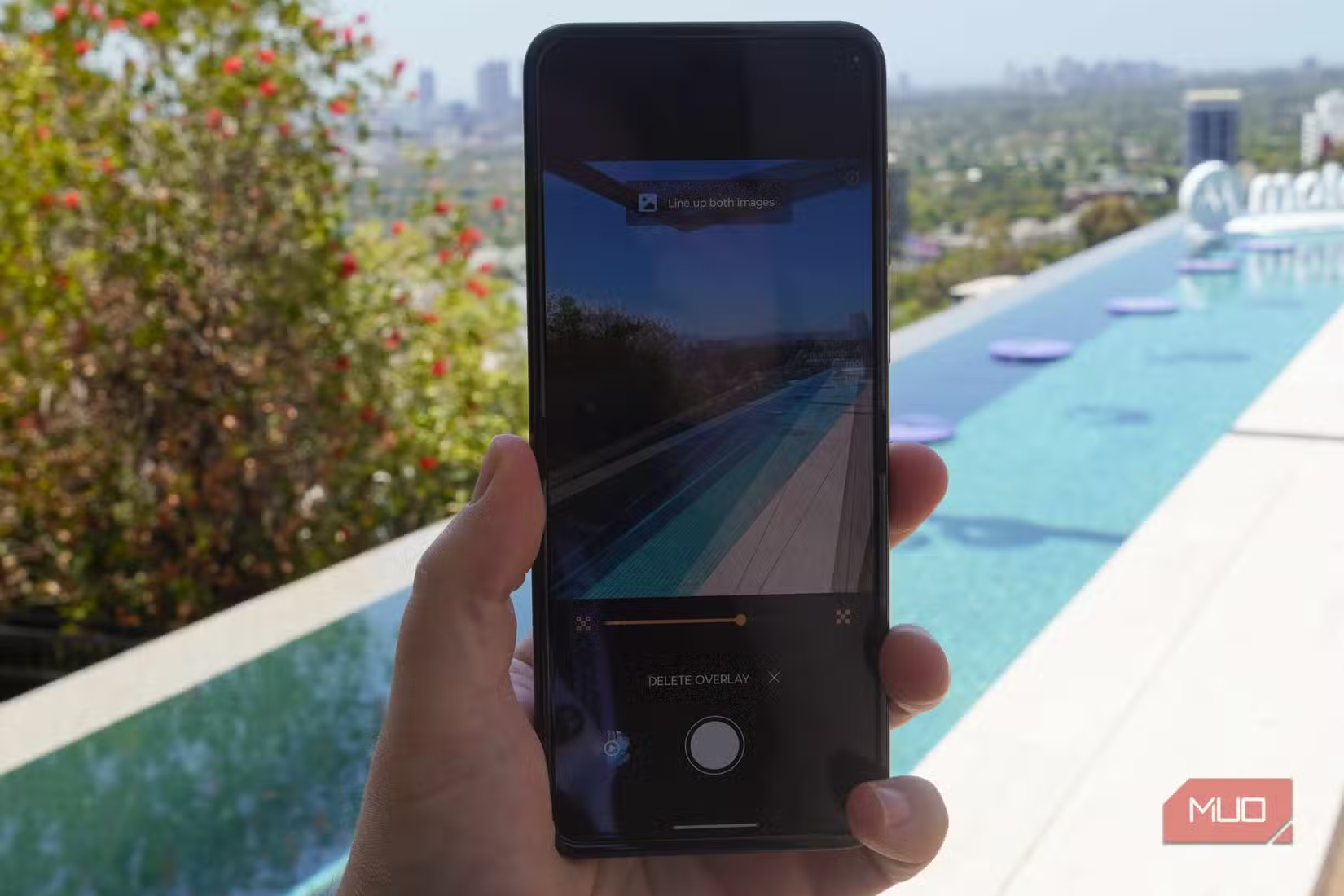
The company has expanded personalization options throughout the interface, matching the software's customization depth to the hardware's material variety. If you're buying a phone with a wood finish, you probably want control over how the software looks and behaves too.
Productivity features have also improved, though Motorola hasn't detailed the full scope of changes. What's clear from hands-on time is that the software feels more purposeful. Features exist because they make sense on a flip phone, not because they were carried over from a standard slab device.
Why Software Matters More for Foldables
Standard smartphones can coast on hardware improvements alone. A faster processor and better camera sensor deliver obvious benefits regardless of software polish. Foldables don't have that luxury.
The value proposition of a flip phone hinges on what you can do with the form factor. A cover screen that only shows notifications wastes the hardware's potential. Camcorder mode without intuitive controls becomes a demo feature rather than a daily tool. Motorola's approach with the Razr 2026 suggests the company finally understands this.
Samsung's Galaxy Z Flip series has dominated the flip phone market partly because of its software maturity. Motorola needed to close that gap to justify the Razr's premium pricing and distinctive design. Based on early hands-on time, it has.
Upgrading to the Razr 2026? Here's what to do with your previous device
The Bottom Line
Motorola's Razr 2026 lineup doesn't lead on specifications. The hardware improvements are incremental rather than transformative. But the software finally delivers on the form factor's potential, with features like rotate-to-zoom that feel native to flip phones rather than adapted from traditional smartphones.
For buyers who want a foldable that's functional and fun, the Razr 2026 makes a stronger case than any previous generation. The materials and colors catch attention. The software keeps it.
Logicity's Take
Frequently Asked Questions
What is rotate to zoom on the Motorola Razr 2026?
Rotate to zoom is a new camera feature that lets you control zoom by tilting your wrist while recording in Camcorder mode, replacing the need to swipe on the touchpad.
How much does the Motorola Razr 2026 cost?
The base Motorola Razr 2026 starts at $799.99, which is $100 more than the previous generation.
What materials are available on the Razr 2026?
The Razr 2026 lineup features Pantone colorways with distinctive materials including wood and Alcantara, a synthetic fabric commonly used in luxury vehicles.
What is Camcorder mode on flip phones?
Camcorder mode turns a half-folded flip phone into a vintage-style video recorder, with the top half showing the viewfinder and the bottom half providing touch controls for recording.
Need Help Implementing This?
Source: MakeUseOf
Manaal Khan
Tech & Innovation Writer
Produced with AI assistance and reviewed by the Logicity editorial team. Learn more in our Editorial Policy.