Key Takeaways
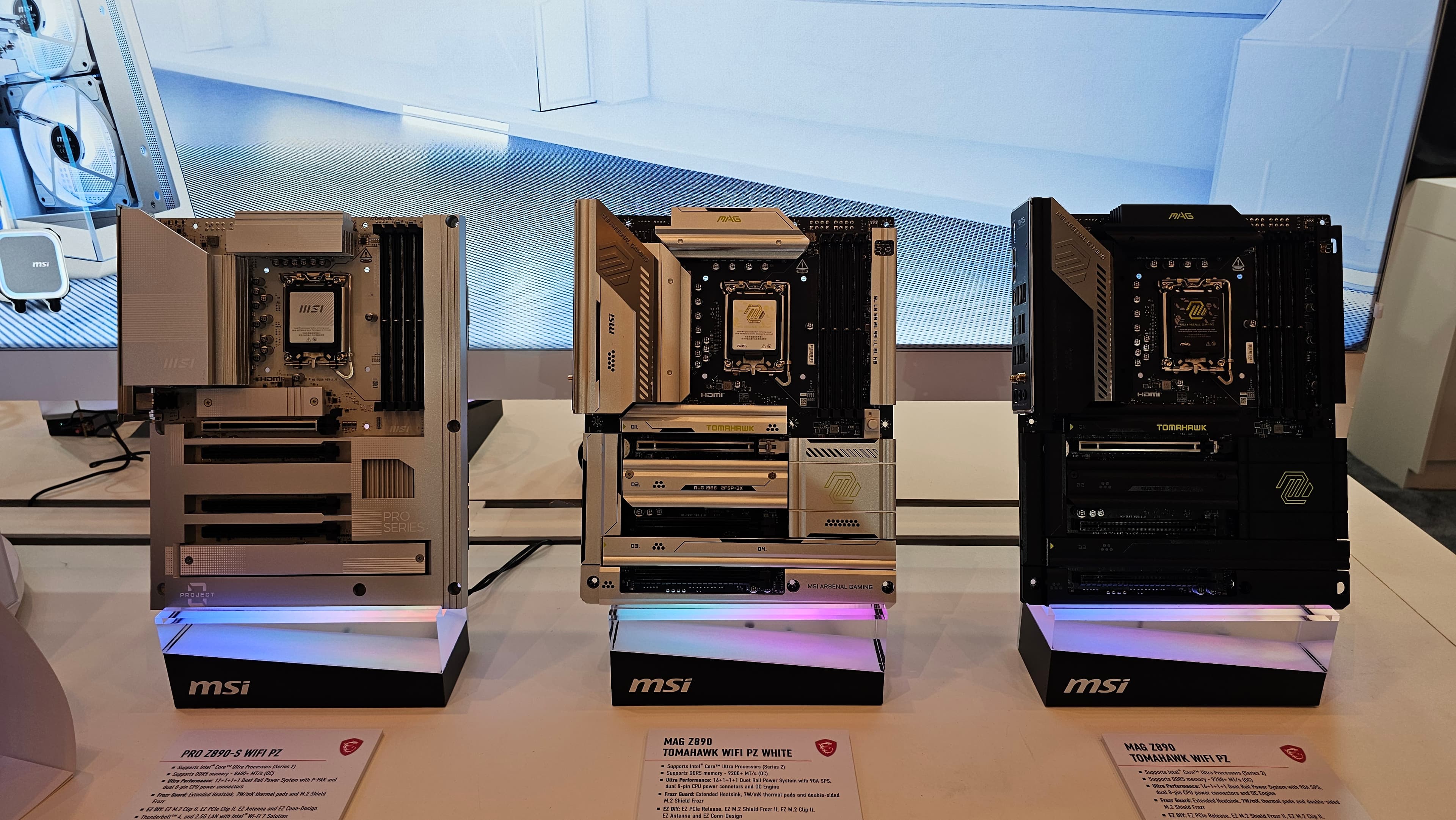
- Overall motherboard market for the big four manufacturers is contracting 28% in 2026
- AI infrastructure demand is causing shortages in memory, storage, and processors for consumer PCs
- Motherboard makers are pivoting to AI server production to offset consumer losses
The Numbers Tell the Story
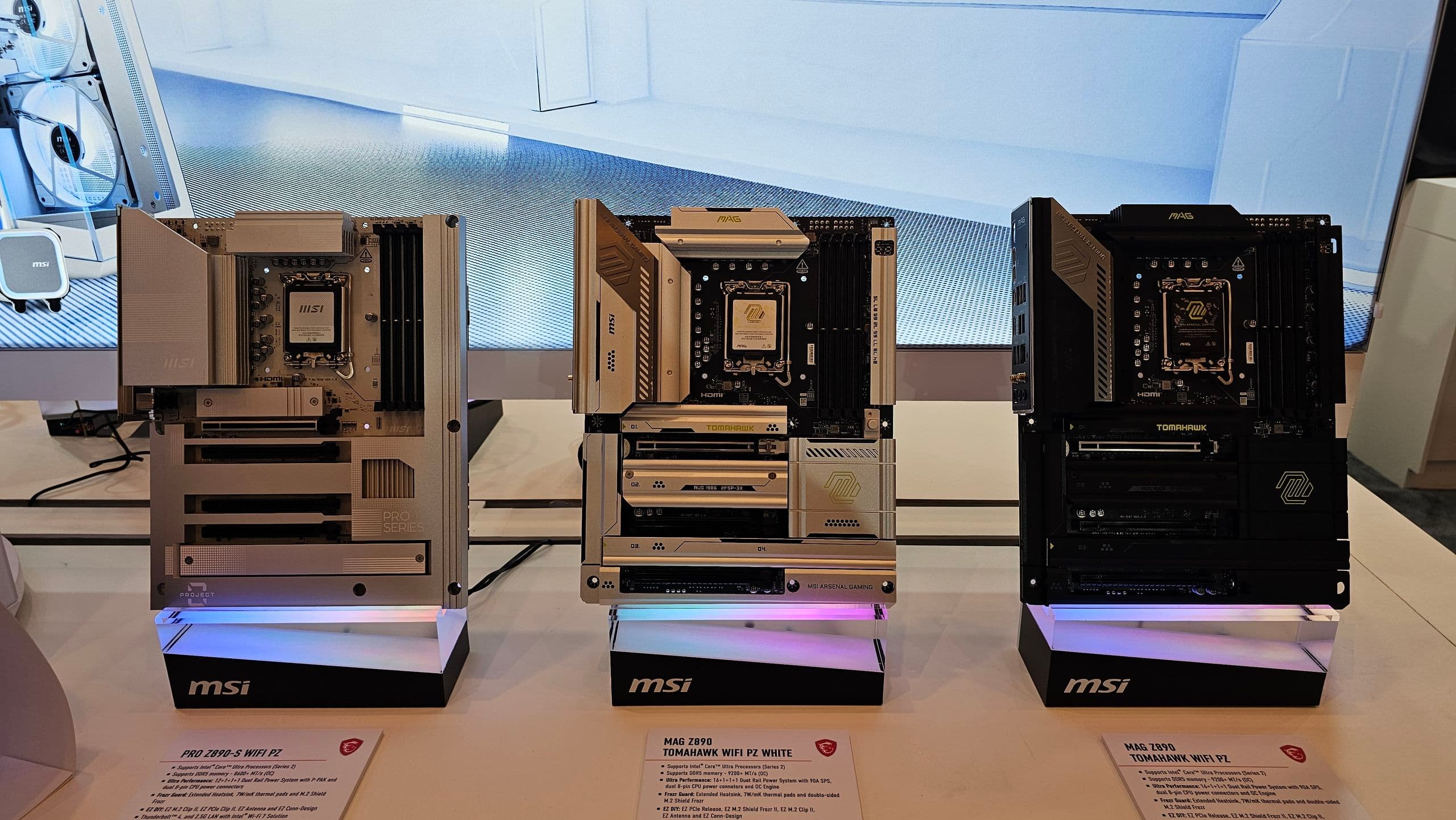
PC enthusiasts looking to build or upgrade their systems in 2026 are running into a wall. Motherboard manufacturers are cutting their sales targets by double digits. The culprit? Chipmakers like Nvidia, Intel, and AMD are redirecting production capacity away from consumer chips to meet the insatiable demand for AI processors.
According to Digitimes, the four major motherboard manufacturers are revising forecasts sharply downward. Asus, which sold 15 million motherboards in 2025, shipped just over 5 million in the first half of 2026. The company now expects to move only 10 million units by year's end. That's a 33% drop year-on-year.
Gigabyte and MSI are faring slightly better, but not by much. Gigabyte sold 11.5 million boards last year and now forecasts 9 million for 2026, a 22% decline. MSI moved 11 million units in 2025 but expects only 8.4 million this year, down 24%.
ASRock faces the steepest cliff. The company's shipments are projected to fall 37%, from 4.3 million in 2025 to just 2.7 million by the end of 2026.
Why AI Is Squeezing Consumer PCs
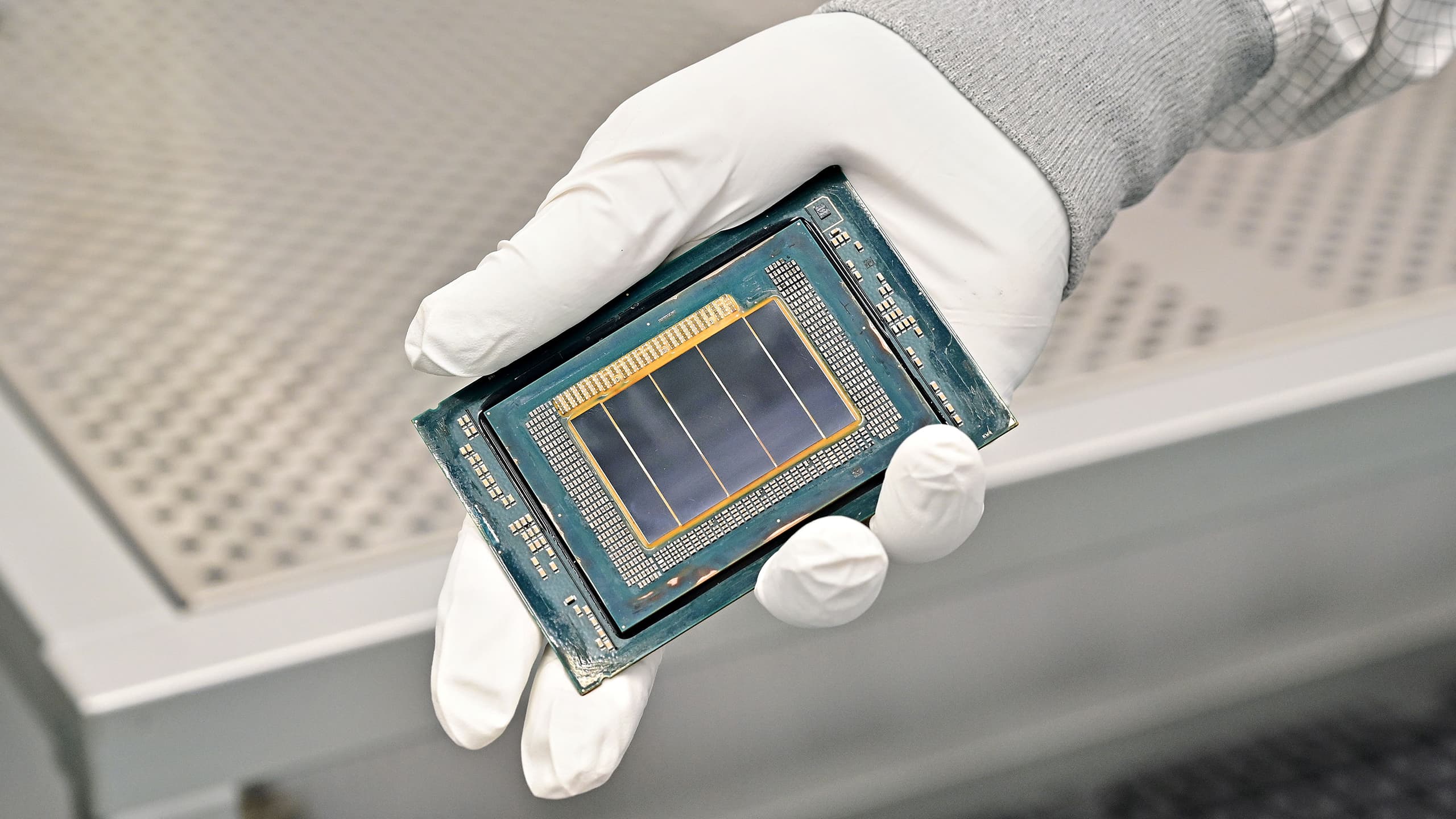
The AI infrastructure buildout is consuming massive quantities of memory, storage, and processing power. Hyperscalers and enterprise buyers are snapping up components at volumes that dwarf consumer demand. This leaves PC builders and enthusiasts fighting over a shrinking supply of parts, which drives prices up across the board.
Memory modules and storage drives have seen the sharpest price increases over the past six months. The shortages extend to Intel and AMD CPUs, and even high-end Macs are affected. Interest in agentic AI, the subset of AI focused on autonomous agents that can perform tasks independently, has exploded, putting additional pressure on chip production.
For consumers without deep pockets, the math doesn't work. When component prices climb and availability drops, the rational response is to hold onto existing hardware longer. That's exactly what's happening, and motherboard makers are absorbing the impact.
The AI infrastructure buildout driving motherboard shortages also faces local resistance in the US
No Compelling Reason to Upgrade
The component shortage is only part of the problem. Platform stagnation is also keeping wallets closed.
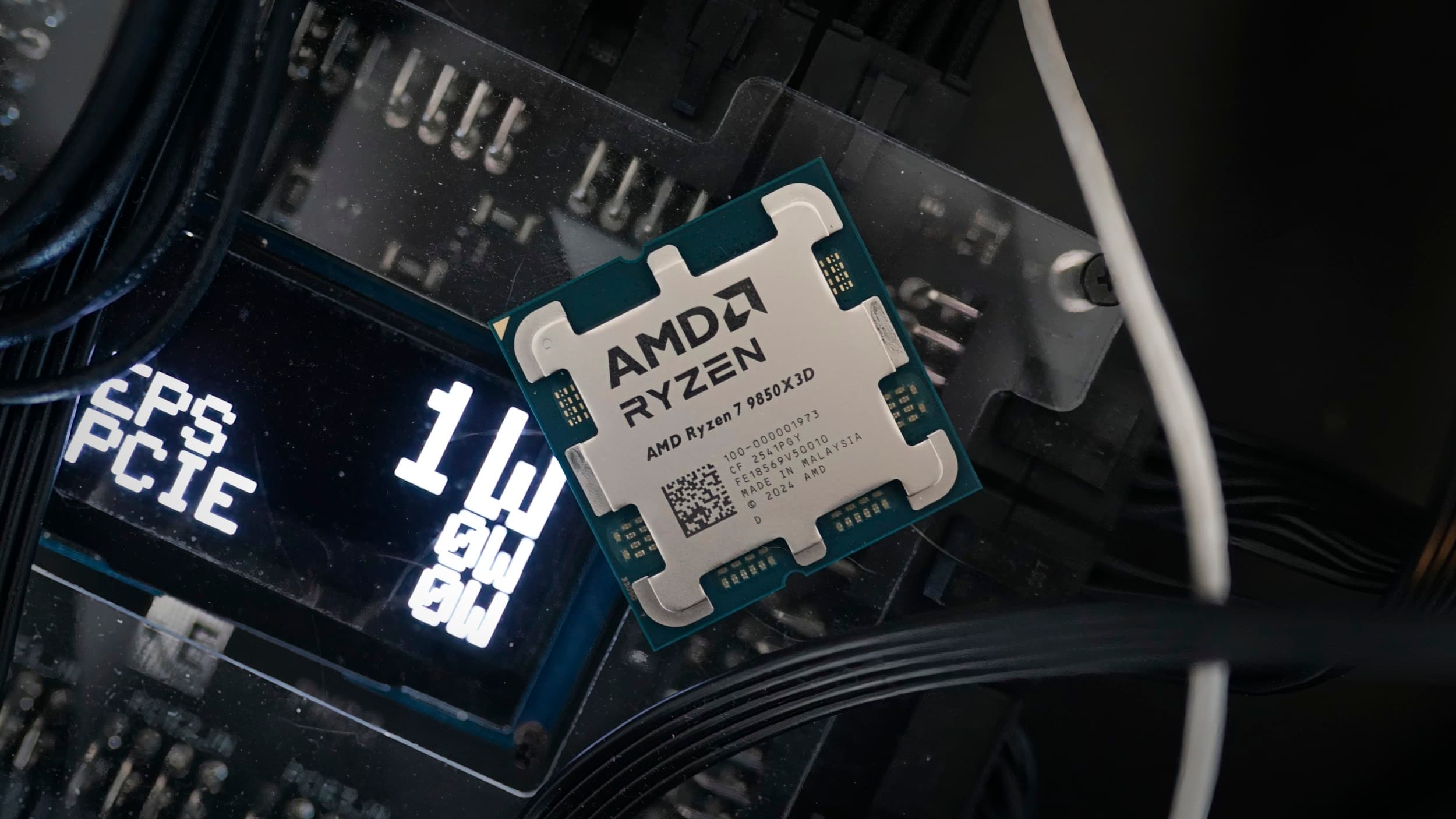
AMD continues to use the AM5 socket for its latest processors. If you already have an AM5 board, there's no hardware forcing an upgrade. Intel's Nova Lake, which will reportedly use the new LGA 1954 socket, won't arrive until later this year. Until then, there's limited incentive to buy a new Intel motherboard.
Graphics cards offer even less motivation. Nvidia has opted not to release a refreshed RTX 50 Super series in 2026. Rumors suggest the RTX 60 series won't debut until 2028. For enthusiasts planning a comprehensive system upgrade, waiting makes more sense than building now with last-generation GPUs.
Motherboard Makers Pivot to AI
Despite the consumer sales decline, these companies aren't struggling. Asus, Gigabyte, and ASRock have shifted some production capacity toward AI servers. This allows them to capture a slice of the massive investments that hyperscalers are pouring into AI infrastructure.
It's a pragmatic move. If consumer demand is soft because AI is absorbing components, then following those components into the AI market makes business sense. The motherboard makers are essentially hedging their bets, serving the market that's actually buying.
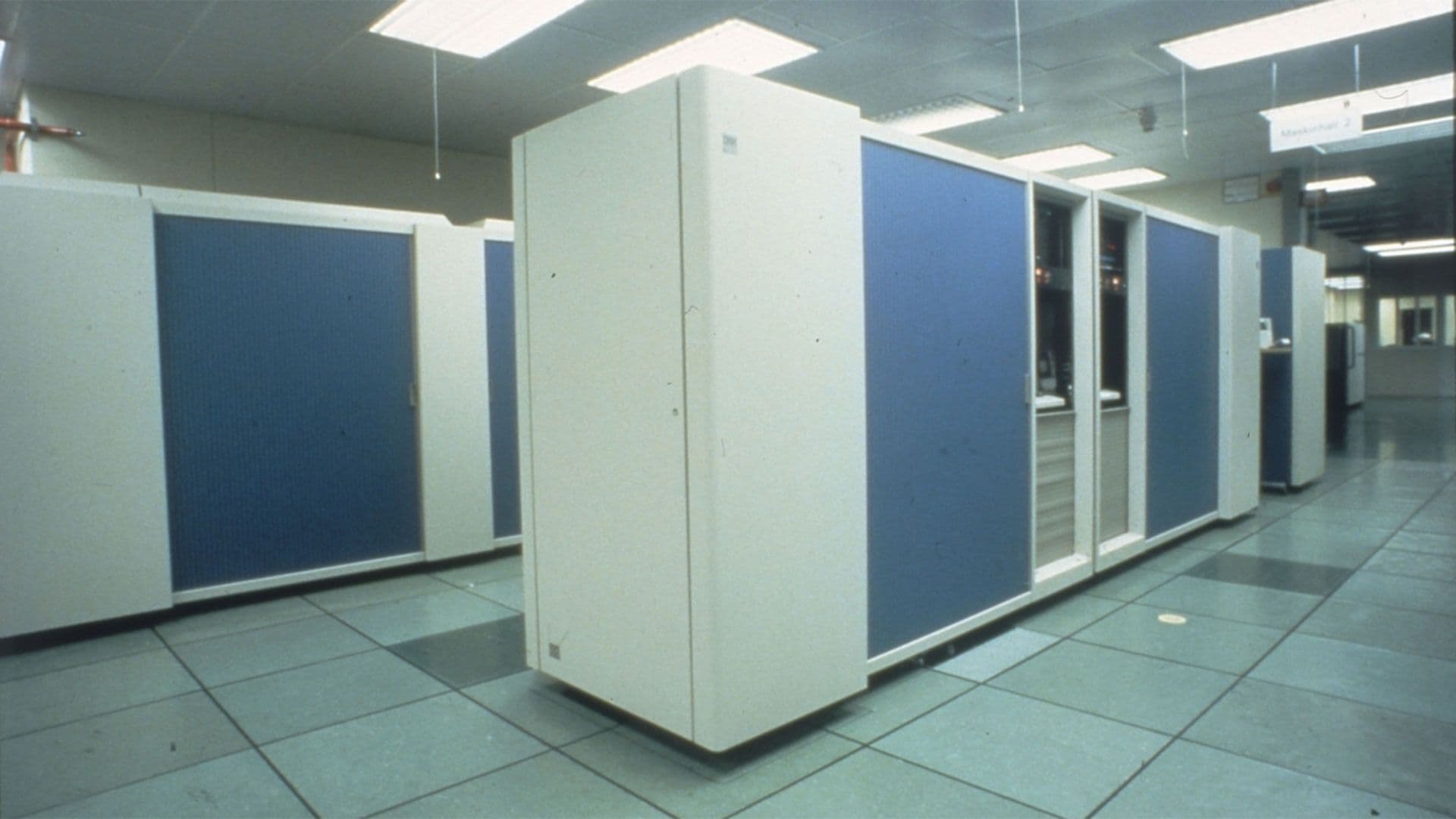
AI investment continues to surge, explaining the component demand shift
What This Means for PC Builders
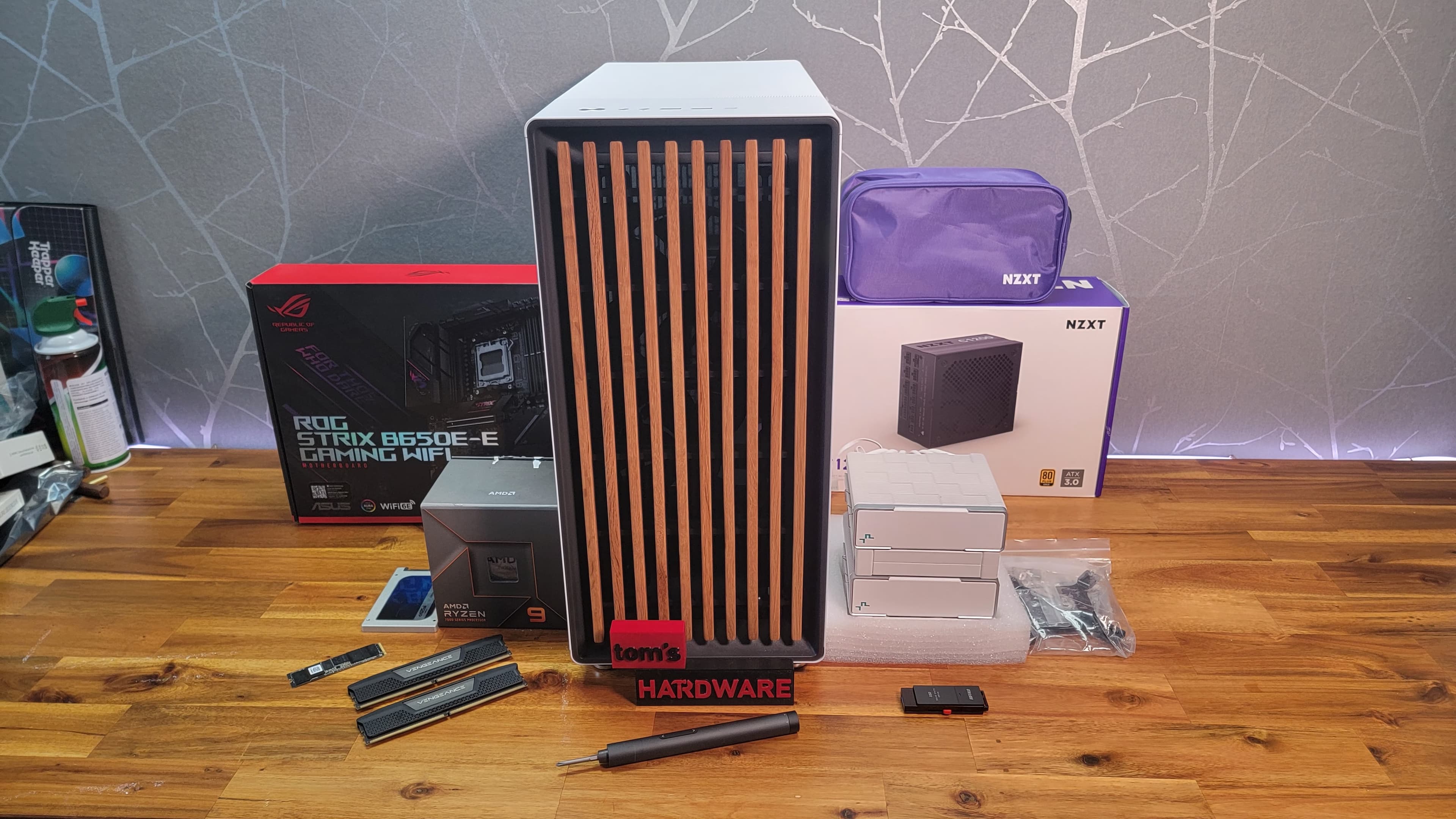
If you're planning a PC build in 2026, expect higher prices and tighter availability for key components. Memory, storage, and CPUs are all affected. The situation may not improve until chipmakers expand capacity or AI demand growth slows, neither of which seems imminent.
The smart play for most builders is patience. Intel's Nova Lake and next-generation AMD platforms will eventually arrive. Nvidia's RTX 60 series, whenever it launches, will give graphics-focused builders a clear upgrade path. Building now means paying premium prices for components that will be outdated within 18 months.

Logicity's Take
Frequently Asked Questions
Why are motherboard sales declining in 2026?
Chipmakers are prioritizing AI processor production over consumer chips, causing shortages in memory, storage, and CPUs. This drives up prices and pushes consumers to delay upgrades.
Which motherboard manufacturer is hit hardest?
ASRock faces the steepest decline at 37%, with projected shipments falling from 4.3 million in 2025 to 2.7 million in 2026.
When will the PC component shortage end?
No clear timeline exists. The shortage will persist until chipmakers expand production capacity or AI demand growth slows, neither of which is expected soon.
Should I build a PC now or wait?
Waiting makes sense for most builders. Intel's Nova Lake and Nvidia's RTX 60 series are on the horizon, and current component prices are inflated due to AI-driven shortages.
How are motherboard makers responding to lower consumer demand?
Asus, Gigabyte, and ASRock have pivoted some production toward AI servers, capturing enterprise investments to offset declining consumer sales.
Need Help Implementing This?
Source: Latest from Tom's Hardware
Huma Shazia
Senior AI & Tech Writer
Produced with AI assistance and reviewed by the Logicity editorial team. Learn more in our Editorial Policy.