Key Takeaways
- Anthropic's new products compete directly with European AI companies Loveable and Legora
- Businesses built on third-party LLMs face serious defensibility questions as foundation model providers expand
- European fintechs are scrambling to access Anthropic's new Mythos model
Anthropic is no longer content to sell picks and shovels. The Claude maker is now building the gold mine itself, and European AI startups are watching nervously.
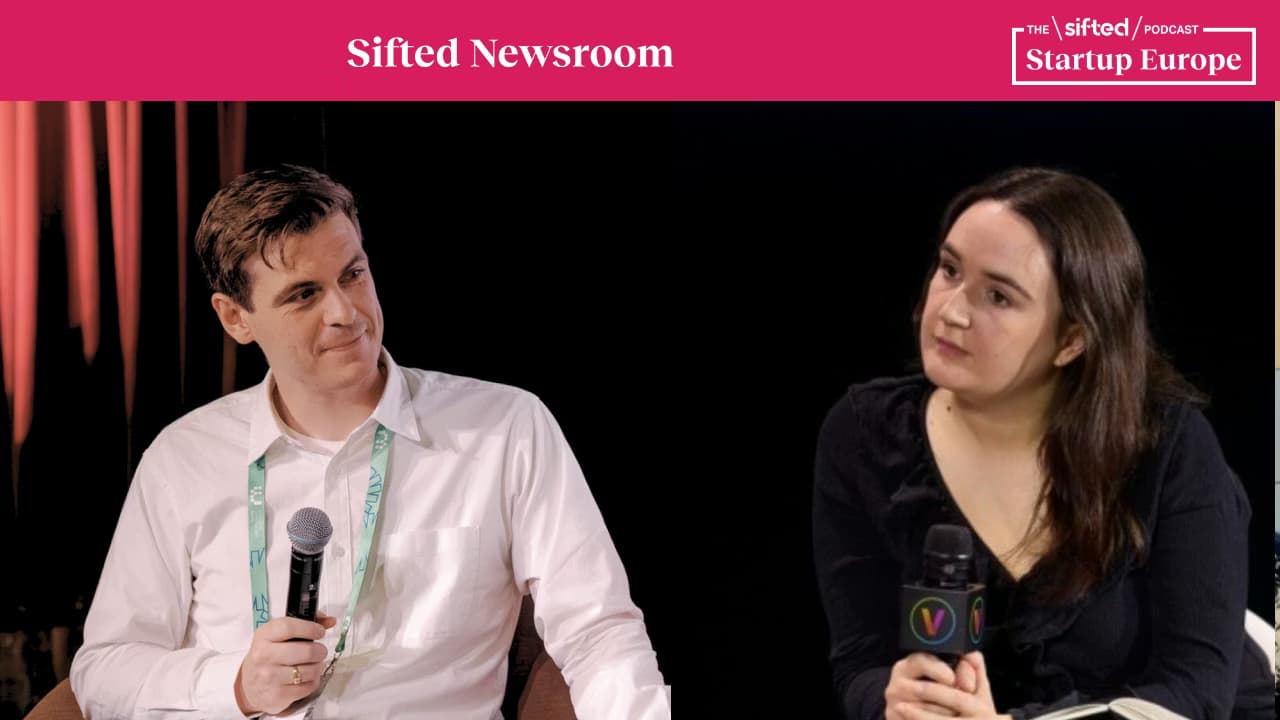
On a recent episode of the Sifted podcast, associate editor Freya Pratty and news editor Martin Coulter broke down how Anthropic's latest product releases put the company in direct competition with some of Europe's most-watched AI startups.
The Platform Play That Threatens Application-Layer Startups
Anthropic has released new products that go head-to-head with Loveable and Legora, two European AI companies that have attracted significant attention. This is the classic platform risk scenario: build your business on someone else's foundation, and that someone might eventually eat your lunch.
The podcast raises a question that keeps European AI founders up at night: how defensible is a business built on top of third-party models? When the model provider decides to launch competing features, startups have few options. They can try to out-execute on user experience, pivot to a niche the giant won't chase, or watch their margins evaporate.
Mythos and the Fintech Scramble
European fintechs are racing to get access to Anthropic's new model called Mythos. The podcast discusses how this scramble reflects broader anxiety in the sector. Financial services companies need the latest capabilities to stay competitive, but that dependence on US-based foundation model providers creates its own risks.
The timing matters. As fintechs integrate Mythos into their products, they become more dependent on Anthropic's roadmap and pricing decisions. Every integration is a bet that Anthropic will remain a reliable partner rather than a future competitor.
Fractile: A UK Chip Bet
The podcast also covers a potential deal between Anthropic and Fractile, an Oxford spinout developing AI chips. Fractile has won support from the UK government, making any partnership significant for both the company and British industrial policy.
For Anthropic, working with a UK-based chip maker could diversify supply away from the NVIDIA-dominated market. For the UK, having a domestic chip company supplying one of the leading AI labs would be a meaningful win in the global AI race.
The Defensibility Question
The core issue the podcast surfaces applies far beyond Europe. Any company building on top of foundation models from OpenAI, Anthropic, or Google faces the same structural risk. The model provider controls the roadmap. If they decide your market is attractive enough, they can build competing features with advantages you cannot match.
Some startups respond by focusing on proprietary data or specialized workflows that large players won't prioritize. Others bet on speed, hoping to build customer relationships before the giants notice. Neither strategy is foolproof.
Logicity's Take
Frequently Asked Questions
What European AI startups is Anthropic competing with?
Anthropic has released products that directly compete with Loveable and Legora, two European AI companies that have attracted significant investor attention.
What is Anthropic's Mythos model?
Mythos is Anthropic's new model that European fintechs are scrambling to access. The podcast discusses how fintech companies are racing to integrate it into their products.
What is Fractile and why might Anthropic partner with them?
Fractile is an Oxford spinout developing AI chips with UK government backing. A potential partnership with Anthropic could help the US company diversify its chip supply beyond NVIDIA.
Are AI startups built on third-party models defensible?
This is the central question the podcast raises. When foundation model providers can launch competing products at will, startups must rely on proprietary data, specialized workflows, or speed to market for defensibility.
Need Help Implementing This?
Source: Sifted
Huma Shazia
Senior AI & Tech Writer
Produced with AI assistance and reviewed by the Logicity editorial team. Learn more in our Editorial Policy.